Best Chicken Farm Ventilation System for Heat Stress Control
When summer temperatures rise above 85°F, it's very hard for chicken farmers because heat stress can destroy the health and profits of their flocks in just hours. The best way to keep chicken farms cool and avoid heat stress is to use negative pressure air technology that is properly set up. Our Livestock Ventilation System Negative Pressure Fan moves air at speeds of 28,000 to 38,000 m³/h per unit, making the perfect conditions for birds to stay active even in bad weather. This unique method goes beyond just moving air around. It creates controlled air exchange that gets rid of thermal loads, extra wetness, and dangerous gases while keeping the house at a comfortable temperature.


Introduction
One of the biggest problems in industrial poultry farming in the United States is heat stress, which costs a lot of money. Feed conversion ratios go down, egg production goes down, and death rates go up when birds' body temperatures rise, which can be very bad. The losses aren't the only thing that costs money; growth rates, immune system function, and the general uniformity of the group are also affected. Effective ventilation systems keep chicken houses at the right temperature and air quality, which is the best way to deal with these heat problems.
This piece talks about negative pressure air technology and how it is used in modern chicken farms. We look at the working principles that make these systems work, the design factors that make sure they work right, and the useful selection criteria for buying tools. Weifang Shuilin Musen Aquaculture Equipment Co., Ltd. has been making products for eight years, and we can give farm managers and buying specialists useful information to help them make smart choices about where to invest in air infrastructure.
Understanding Negative Pressure Ventilation Systems in Poultry Farming
How Negative Pressure Systems Create Controlled Airflow
Negative pressure ventilation works by placing exhaust fans in key places, usually along one sidewall or endwall, which pull air out of the chicken house automatically. This process of extraction causes a difference in pressure, usually between 0.05 and 0.12 inches of water column, which pulls fresh air in through openings that are carefully measured and placed. Livestock Ventilation System Negative Pressure Fan is the core component driving this pressure differential, as its reliable extraction capacity ensures that the targeted vacuum level is consistently achieved across varying weather conditions. Instead of passive air flow, the device works as an active tool for managing the environment.
Advantages Over Alternative Ventilation Methods
Negative pressure configurations give you more control over how air flows and where it enters structures than positive pressure configurations that push air into structures. This control keeps dead air zones from forming where heat and humidity build up. It also makes sure that airflow paths through areas where birds are present are reliable and reduces drafts that can stress out younger groups. The technology gets rid of ammonia, carbon dioxide, and water vapour efficiently while bringing in fresh air that is high in oxygen at rates that are adjusted for seasonal needs and stocking density.
Environmental Control Through Pressure Differential Management
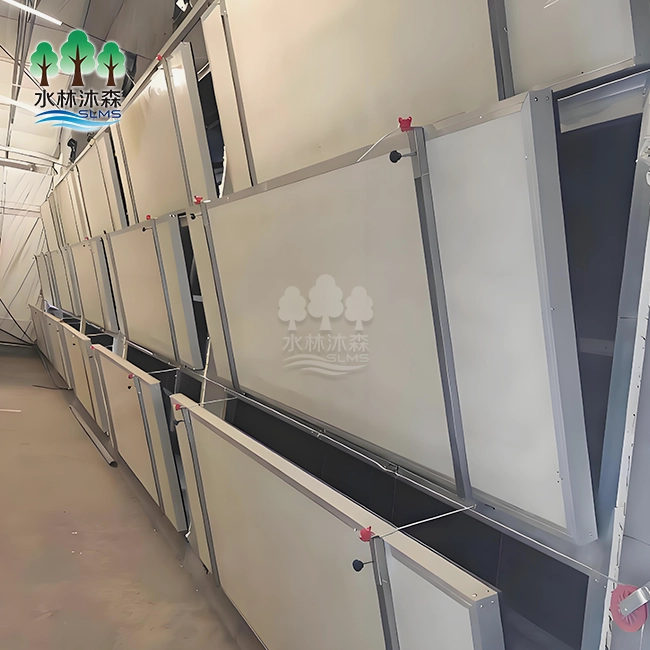
Modern chicken airflow depends on keeping the pressure differences between the inside and outside of the bird stable. Negative pressure devices, when set up correctly, pull air through evaporative cooling pads when it's hot outside. This lowers the temperature of the air by 10 to 15°F before it hits the birds. This process stops heat stress where it starts while keeping the air moving fast enough to cool bird surfaces through convection.
Designing an Effective Negative Pressure Ventilation System for Chicken Farms
Calculating Fan Capacity Requirements
A good ventilation plan starts with exact estimates that connect the fan's power to the size of the barn, the number of birds that live there, and the weather in the area. Engineers figure out how much air needs to be exchanged, which is measured in cubic feet per minute per bird. They then turn these needs into the total capacity of the system. One 50-inch negative pressure fan that covers 150 to 200 square meters is enough for basic needs, but full systems need more than one unit running in stages to adapt to changing external loads during the production cycle.
Seasonal Adjustment Strategies
Ventilation needs change a lot from winter to summer, when they change from removing wetness to reducing heat. Variable speed fan technology lets you precisely match the flow of air to your needs at any given time. For example, when it's cold outside, the fans run at slower speeds to keep the air moving without losing too much heat. During the hottest parts of summer, the maximum ventilation stages use all of their built capacity to create high-speed tunnel airflow that cools the building through wind chill.
Livestock Ventilation System Negative Pressure Fan plays a key role in this process, as it maintains consistent directional airflow and prevents stale air from lingering, ensuring that both low-speed winter ventilation and high-speed summer cooling operate effectively. This adaptability saves energy and protects the earth during harsh weather conditions.
Avoiding Critical Design Errors
Common air problems are caused by fans that aren't powerful enough, inlets that are the wrong size, or equipment that isn't in the right place. Not enough airflow leads to hot spots and the buildup of ammonia, and inlets that are too big slow down the flow of air below the levels needed for cooling. Noise issues also play a role in design choices, especially for operations that are close to homes or where workers' comfort affects their ability to do their jobs. By choosing equipment that has been shown to operate quietly, like units that keep the air pressure fixed with little shaking, these problems can be avoided and the equipment will work well for a long time.
Selecting the Right Negative Pressure Fans for Your Poultry Ventilation System
Evaluating Performance Specifications
To choose the right equipment, you need to carefully consider more than just the airflow ability. Energy economy has a direct effect on how much the system costs to run over its lifetime, with high-end models getting rates of more than 20 CFM per watt. Low-decibel operation is a key standard because noise levels affect both animal welfare and following the rules. When thinking about durability, corrosion resistance is very important because of how hard the environment is that is made by chicken waste and cleaning methods.
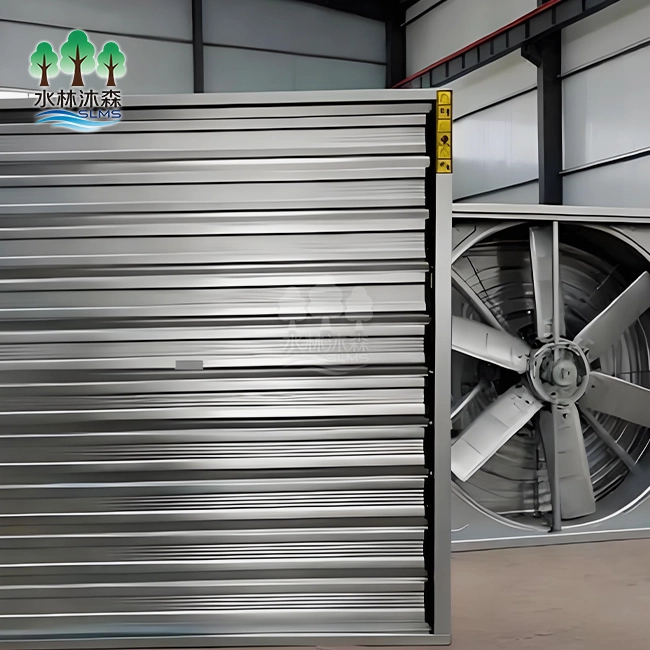
These needs are met by our 50-inch negative pressure fans, which are made with high-strength galvanised steel or 304 stainless steel parts. The 1.1 kW motor runs on 380V power and works consistently across the 28,000–38,000 m³/h airflow range. It also has a service life of more than 40,000 hours. At 80 kg per unit, these fans are built to last and are easy to install, making them good for both new construction and retrofitting existing buildings.
Matching Equipment to Facility Architecture
Most designs of chicken coops can use wall-mounted setups, which place fans so that air flows smoothly through areas where birds are nesting. The position of the installation affects how air flows, where the intakes are placed, and how well the system works generally. Variable speed types let you better control the environment because they let you precisely change the airflow based on temperature sensors and timer controls. This feature allows for both minimal airflow in cold weather and maximum cooling during times of high heat stress.
Manufacturer Support and Service Considerations
Decisions about procurement include more than just the initial specifications of the tools. They also include ongoing help capabilities. Comprehensive warranties, like our free one-year guarantee, protect investments and show that the maker trusts the product's dependability. Technical support materials, such as installation films and instructions, make it easier to set up the system correctly and train operators. Having on-site installation services takes the guesswork out of the important setup steps and makes sure that the equipment works as planned from the very first day.
Weifang Shuilin Musen Aquaculture Equipment Co., Ltd. has a skilled service team that helps customers with questions, repairs, and expert advice for as long as the equipment is in use. Our research and development team of five engineers comes up with custom solutions to solve specific practical problems. Meanwhile, quality control methods check each and every part, from the raw materials to the final delivery.
Livestock Ventilation System Negative Pressure Fan is one example of a product that benefits from this rigorous process, ensuring its reliability and performance under diverse farm conditions. This all-around method lowers the risk of buying things and builds relationships that will help farms succeed in the long run.
Operation and Maintenance Best Practices for Longevity and Performance
Routine Maintenance Protocols
To keep fans working well, they need regular repair that takes care of things like dust buildup, component wear, and mechanical stability. Cleaning the shutter mechanisms once a month gets rid of feathers and dust that get stuck in the mechanisms. This keeps airflow from getting blocked, which would lower capacity by 30 percent or more. Every three months, tests are done to make sure that the balance of the blades stays within the specs and that the motor temperatures are being checked while the machine is running. These precautions keep you from having to pay for expensive fixes in an emergency and make tools last longer.
Performance Monitoring and Troubleshooting
Environmental signs let you know early on when an air system is breaking down, before the effects on animal health become clear. High amounts of ammonia (above 25 ppm) mean that air isn't moving around enough, and readings of humidity above 70% relative humidity mean that wetness isn't being removed enough. Changing temperatures in different parts of the house show issues with how air is distributed that need to be fixed by adjusting the entrance or adding more fan capacity. Monitoring that is done ahead of time lets problems be fixed before they cause production costs.
System Upgrades and Expansion Options
The modular design of the air system lets the farm grow without having to update the whole system. Adding more fan power to current equipment lets you store more items or make the building bigger. When you update your controller, it gets better at managing the environment by adding temperature monitors, variable speed drives, and automatic staging logic. These flexible solutions protect initial investments and allow farms to keep improving operations as their needs change.
Case Studies and Verification: Success Stories of Negative Pressure Ventilation in Poultry Farms
Documented Performance Improvements
Businesses that raise chickens and use properly designed negative pressure systems say they see real improvements in a number of performance measures. When compared to houses using older air technology, grill makers report higher feed conversion rates and lower death rates during summer heat events. Even when the weather changes with the seasons, layer farms keep producing eggs at the same rate. This way, they don't have to deal with the drops in production that happen during high heat times. These results show that investing in current ventilation systems is worth it.
Energy Efficiency Achievements
According to data from farms that use variable speed negative pressure fans, they use 25 to 35 percent less energy than farms that use single-speed systems. Being able to match airflow to real environmental loads gets rid of useless fan operation and keeps the conditions perfect for bird comfort. Over an average equipment lifespan of more than 40,000 hours of use, these efficiency gains save a lot of money, which more than makes up for the higher starting costs of the equipment.
Client Experience and Satisfaction
When it comes to air tools, farm managers always say that dependability is the most important thing. Systems that work all the time and don't break down for no reason protect flock investments and get rid of the need for emergency repairs. Our customers tell us that long-lasting equipment, especially equipment that doesn't rust in harsh poultry houses, gives current intense production systems the reliable performance they need. The availability of technical support makes customers even happier by giving them expert help when they need to ask questions about how something works or make changes to the system.
Conclusion
For industrial chicken production to effectively control heat stress, negative pressure ventilation systems must be well-designed and backed up by solid equipment and full support. This piece talks about a lot of different ideas, from managing pressure differences to the best ways to do maintenance. Livestock Ventilation System Negative Pressure Fan is a prime example of the critical equipment that underpins these ideas, as its reliable performance directly affects pressure stability and overall system effectiveness.
These ideas lay the groundwork for weather control systems that keep flocks healthy and increase production efficiency. Investing in good air systems pays off over and over again because birds do better, die less, and the business costs less during multiple production runs. As climate problems get worse and production standards change, farms that use modern negative pressure technology stay ahead of the competition by being better at managing the environment.
FAQ
What differentiates negative pressure fans from standard exhaust fans?
Livestock Ventilation System Negative Pressure Fans have special parts that are made to work continuously in harsh farming settings. Unlike regular exhaust fans, these have heavy-duty motors rated IP55/IP56, construction made of corrosion-resistant materials like galvanised steel or stainless steel, and carefully designed shutter mechanisms that stop backdraft when fans turn off. The performance specs take into account the problems with static pressure that come up because of limiting airflow at the intake and installing cooling pads. This way, the rated airflow is kept even when normal equipment would be overloaded.
How do I determine the correct number of fans for my facility?
Size estimates take into account the total volume of the barn, the number of birds that can live there, the local temperature, and the air flow rates that are wanted. In the summer, birds that are stressed by heat usually need 4-5 CFM per pound of body mass to stay cool. A building with 25,000 broilers, each weighing about 5 pounds, needs between 500,000 and 625,000 CFM of total capacity. Individual 50-inch fans can move 33,000 m³/h, which is about 19,400 CFM. This process would need 26 to 32 fans for best ventilation staging, and extra units would be needed for winter ventilation needs.
What maintenance frequency ensures optimal performance?
The most common things that cause performance to drop are cleaned and inspected visually once a month. Every three months, a thorough inspection checks the operation of the motor, the soundness of the blades, and the structural parts for damage or rust. Professional service once a year should include checking the dynamic balance, the whole electrical system, and replacing worn-out parts before they break. Following these rules will help your tools last as long as possible, which is usually 40,000 hours or more.
Partner with Shuilin Musen for Comprehensive Ventilation Solutions
Modern chicken farms need more than just tools. They also need partners with a lot of experience who can understand the problems they face in production and offer full answers. Weifang Shuilin Musen Aquaculture Equipment Co., Ltd. has been making equipment for eight years and has focused engineering support to meet your unique ventilation needs. Our Livestock Ventilation System Negative Pressure Fan is a tried-and-true piece of technology that comes with a full warranty, detailed instructions, and quick customer service.
Our team can help you with system design, fan selection, and customisation choices whether you are in charge of a current business that needs new equipment or a new building project. We have materials, power requirements, and configurations that can be changed to fit the layout of your building and your output goals. Contact our experts at wangshuaislms@gmail.com to talk about your ventilation needs with a reliable Livestock Ventilation System Negative Pressure Fan maker that cares about the success of your business. You can look at our whole selection of products at slms-equipment.com and learn why top farms choose Shuilin Musen for their reliable environmental control needs.
References
1. Donald, J. (2020). Poultry Production Systems: Behavior, Management and Welfare. CABI Publishing.
2. Purswell, J.L., & Linhoss, J.E. (2019). "Effects of Temperature and Relative Humidity on Broiler Performance." Applied Engineering in Agriculture, 35(4), 667-676.
3. Czarick, M., & Lacy, M.P. (2018). "Tunnel Ventilation System Design for Broiler Houses." University of Georgia Cooperative Extension Bulletin, 1084.
4. Gates, R.S., Casey, K.D., & Xin, H. (2021). "Ventilation Rate Determination for Agricultural Structures Using CO2 Mass Balance." Transactions of the ASABE, 64(2), 583-594.
5. Simmons, J.D., Lott, B.D., & May, J.D. (2019). "The Effect of Environmental Temperature and Ventilation Rate on Bird Performance and Heat Stress Indices." Poultry Science Journal, 78(6), 899-905.
6. Yahav, S., & McMurtry, J.P. (2022). "Heat Stress Management in Modern Poultry Production: Physiological and Environmental Approaches." Avian Biology Research, 15(3), 145-162.
Learn about our latest products and discounts through SMS or email