How to improve air distribution in a livestock barn using diversion panels?
Improving air distribution in livestock barns requires strategic implementation of Breeding House Air Diversion Panel devices that exactly control airflow patterns throughout your building. These special panels move entering air along ceiling lines. This keeps cold air from falling directly on animals and makes sure that warm air mixes well with the cold air. Modern livestock operations use targeted air diversion technology to keep temperatures stable, cut heating costs by up to 15%, and make healthier conditions that improve animal comfort and productivity in both chicken and pig facilities.


Understanding the Air Distribution Challenge in Livestock Barns
Airflow inefficiencies plague many livestock operations, creating environments that compromise animal health and operational profitability. Poor air distribution typically manifests through uneven temperature zones, excessive moisture accumulation, and harmful ammonia buildup that directly impacts feed conversion ratios and disease resistance. These challenges stem from fundamental design flaws in traditional ventilation systems that fail to account for the complex thermal dynamics within confined animal housing.
Common Airflow Problems in Modern Livestock Operations
"Cold drop" is the most important problem that barn owners have to deal with. This is when fresh air comes in and falls straight on animals instead of mixing with warmer air inside the barn. This makes thermal stress zones where animals have to use energy to keep their bodies warm instead of turning food into meat or eggs. In spots and places with little foot traffic, pockets of stagnant air form, which lets gases and moisture build up beyond what is acceptable.
Simple exit fans and basic intake systems are often used in traditional ventilation methods, but they can't change to changing weather or static pressures. During cold weather, these systems make drafts, but during warmer months, they don't let enough air flow. Because of this, keeping the air clean and keeping heating costs down become regular battles.
Impact on Animal Welfare and Production Efficiency
Low performance measures are directly linked to poor air distribution across all types of animals. When poultry farms are subject to changes in weather and drafty conditions, the death rate goes up, egg production goes down, and feed conversion is bad. Similar problems arise in swine farms, with piglets being especially likely to have breathing problems when airflow patterns aren't regular.
Research shows that animals that are exposed to the best air flow patterns gain more weight, need less medicine, and have better general health scores. On the other hand, animals that live in places that don't have enough air flow show signs of stress, have weaker immune systems, and have less success reproducing, all of which have a big effect on long-term profits.
How Air Diversion Panels Work in Breeding Houses?
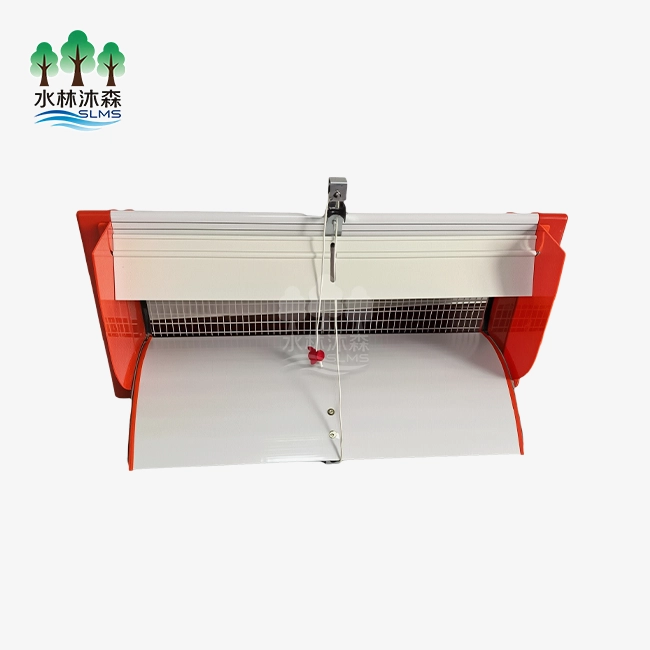
The Breeding House Air Diversion Panel technology uses aerodynamics to turn random airflow into controlled, repeatable patterns that are good for both the animals and the business. These panels work by changing the speed and direction of air at key entry places. This makes laminar flow patterns that mix heat best while reducing turbulent flow and drafts.
Engineering Principles Behind Effective Air Diversion
The main idea behind it is the Coanda Effect, which says that moving air likes to follow curved surfaces instead of going in straight lines. When panels are properly made, they have certain curves and angles that direct incoming air along set routes. For example, cold air is usually directed toward the roof so it can mix with warmer, stratified air before falling to animal level.
Modern panels are 5 cm thick and come in a range of sizes that can be adjusted to fit different barn layouts. The scientific method takes into account differences in static pressure, the speed of the air, and temperature differences to set up the best mixing zones throughout the building. This scientific method makes sure that the surroundings stays the same, even if the weather changes outside.
Material Construction and Durability Features
Advanced composite materials are used in high-performance air diversion systems so they can weather harsh farming settings and keep their structural integrity for long periods of time. The core is usually made of stiff polyurethane or molded polystyrene foam, and it is covered in PVC or fiberglass-reinforced plastic skins that don't break down easily when exposed to chemicals like ammonia and cleaning products.
Frame building uses parts made of aluminum alloy or stainless steel that hold the structure together and don't rust when exposed to water and farming chemicals. These materials keep their traits even when the temperature changes from -20°F to 120°F. This means they will work reliably no matter what the season is like. The design is lightweight, which makes it easy to install and maintain and doesn't use any extra energy when it's running.
Real-World Performance Metrics
Studies of large-scale poultry farms show that installing Breeding House Air Diversion Panel led to measured gains. Temperature consistency usually gets better by 3 to 5°F across the building, and ammonia levels drop by 20 to 30% because of better air flow patterns. Because of these changes, feed conversion ratios have gone up and death rates have gone down.
Facilities that raise pigs say the same things, with even bigger benefits in nurseries where keeping the right temperature for young pigs is very important. During cold weather, operators see lower heating costs while keeping the best growing conditions for maximum weight gain and health performance.
Comparing Air Diversion Panels with Traditional Ventilation Systems
Modern air redirection technology has big benefits over old-fashioned ventilation methods, especially when it comes to saving energy and controlling the environment more precisely. Traditional methods often let air move around without being managed, which wastes energy and doesn't keep conditions the same in all animal housing areas.
Energy Efficiency and Cost Analysis
In most conventional ventilation systems, the intake controls are simple and can't be changed when conditions change. The exhaust fans also run at fixed speeds. This method uses a lot of energy during times of changing weather and makes heating patterns that aren't efficient, which raises the cost of running the business. Air diversion screens improve airflow without using more energy, which lowers the total need for HVAC.
Cost research shows that buildings with modern air diversion systems have 15–25% lower heating costs while still having better environmental conditions. The initial cost of good panels usually pays for itself in 18 to 24 months by saving money on energy costs and making animals perform better.
Material Selection Impact on Lifecycle Performance
The choice of panel material has a big impact on how well it works and how often it needs to be maintained over time. Plastic systems are better at resisting chemicals and are easier to install because they are lighter, but metal-framed systems are better for high-pressure situations because they are more structurally sound. Composite building takes the best parts of both methods and combines them to make a structure that is both strong and light.
Good Breeding House Air Diversion Panel systems have sealed sides and built-in cover systems that keep air from leaking and allow precise flow control. These design features make sure that the system will keep working well for 10 to 15 years, with only minor upkeep needed beyond regular checks and cleaning.
Step-by-Step Guide to Selecting and Installing Air Diversion Panels
For implementation to go smoothly, building needs, environmental factors, and working goals must all be carefully looked at to make sure the system works at its best. This methodical approach gets the best air results for better animal health and productivity while also getting the highest return on investment.
Assessment Phase and Requirements Analysis
Start by doing full facility studies that look at things like building size, animal capacity, current ventilation systems, and the temperature in the area. Use smoke tests or thermal imaging to record the current airflow patterns and find trouble areas where temperature differences or still areas make animals less comfortable.
Figure out the air exchange rates that are needed based on the type of animal, the size of the house, and the time of year. During minimum ventilation times, poultry farms need about 0.5 to 1 CFM per pound of animal weight. On the other hand, pig farms may need 10 to 20 CFM per animal, based on its age and the factors in its surroundings. These figures help you decide how big a panel to put up and where to put it.
Technical Specifications and Customization Options
These days, air diversion devices can be changed in a lot of ways to fit the needs of each building. Panels can be made to exact sizes, with variations in length and width to fit current inlet designs. The normal width of 5 cm gives the best thermal performance and keeps the structure strong under different pressures.
Frame materials can be chosen based on how they will be used and how long they need to last. The aluminum alloy construction works well for most farming tasks, and the stainless steel frames make them more resistant to rusting in places with a lot of wetness or chemicals that are harsh. With these choices, procurement managers can find a balance between the original prices and the costs of maintenance over time.
Installation Best Practices and Performance Optimization
Professional installation guarantees that the system works at its best and causes the least amount of downtime. As part of preparing a site, structural support capacity, electrical links for automated controls, and integration with current temperature management systems must all be checked. For fitting to go smoothly, the parts must be perfectly lined up and sealed so that air doesn't leak out and affect performance.
After installation, testing includes calibrating the system, checking the airflow, and keeping an eye on its performance to make sure it meets the design requirements. As part of this process, building staff are taught how to operate and maintain the system, and monitoring routines are set up to make sure it keeps working at its best throughout its lifetime.
Procurement and Supplier Insights for Air Diversion Panels
Choosing dependable suppliers and understanding the procurement process significantly impact project success and long-term operational satisfaction. While the market offers numerous options for farm equipment, maximizing your investment in livestock facilities—such as when sourcing a Breeding House Air Diversion Panel—requires selecting manufacturers with proven track records and comprehensive service capabilities.
Supplier Evaluation and Selection Criteria
The first step in a successful procurement process is to look at the knowledge, professional skills, and service base of the manufacturer. Look for providers that have a history of working with agricultural uses, especially those that work with large-scale livestock businesses. Manufacturing sites should keep their quality standards up to date and show that they can consistently produce goods that meet delivery dates.
Having the right technical help skills is very important during the installation and commissioning stages. Suppliers who give installation films, on-site service, and detailed technical paperwork greatly lower the risks of a project and make sure the system works at its best. Think about buying from companies that offer one-year guarantees and ongoing technical help to protect your investment.
Cost Considerations and Value Analysis
The price of a Breeding House Air Diversion Panel depends on the materials used, the level of customization needed, and the number of panels ordered. For multi-building projects or joint buying plans, buying in bulk can save you money. But when you're weighing your options, think about the total cost of ownership instead of the price you paid for the item.
Quality systems made with better materials and building may cost more up front, but they last longer and work better, which lowers your long-term running costs. When figuring out the return on investment, think about how much energy will be saved, how much upkeep will be needed, and how much better animal behavior will be. These things usually make it worth it to make bigger investments at first by saving money and making things more productive.
Market Trends and Purchasing Strategies
Automation and precise control systems are becoming more and more important in the market for farming machinery. More and more modern air diversion screens are connected to computerized temperature control systems that change the flow of air automatically based on sensors that measure the environment and working factors. This move toward smart air systems makes operations more efficient while lowering the amount of work that needs to be done.
When you buy something can affect both the price and the supply. For example, installation seasons in the spring are often busier and have longer lead times. Planning setups for times when they won't be used as much might save you money and give you enough time to get ready for the best system integration.
Conclusion
Effective air distribution through strategically implemented diversion panels transforms livestock barn environments, creating healthier conditions that directly benefit animal welfare and operational profitability. Modern Breeding House Air Diversion Panel systems address fundamental ventilation challenges while providing energy-efficient solutions that reduce operational costs. The investment in quality air diversion technology delivers measurable improvements in temperature uniformity, air quality, and animal performance metrics. Successful implementation requires careful planning, proper supplier selection, and professional installation to achieve optimal results that support long-term operational success.
FAQ
Q1: What are the primary benefits of installing air diversion panels in livestock barns?
A: With air redirection screens, cold air doesn't drop to the floor, and the temperature stays the same throughout the barn. These systems make animals more comfortable and improve their behavior while cutting heating costs by 15 to 25 percent. While offering exact airflow control that reacts to changing weather conditions, the panels don't use any extra energy.
Q2: How do I determine the correct size and number of panels needed for my facility?
A: What size panel you need relies on the size of the house, how many animals you have, and how much air flow you need. When professionals do an evaluation, they look at things like air flow rates, how the intakes are set up, and the temperature in the area. Most setups need panels that are the right size for the current openings. The number of panels needed is based on the length of the building and the airflow patterns that are wanted.
Q3: What maintenance is required for air diversion panels?
A: As part of routine repair, panel surfaces and frame parts are cleaned and inspected visually on a regular basis. High-quality walls don't break down easily when exposed to chemicals and keep their shape with little maintenance. Inspections once a year make sure that everything is working at its best and find any changes that need to be made to meet changing operating needs.
Ready to Transform Your Livestock Barn Ventilation?
Shuilin Musen Aquaculture Equipment Co., Ltd. delivers proven Breeding House Air Diversion Panel solutions backed by eight years of agricultural equipment expertise. Our engineering team makes unique systems that come with full technical support, installation, and a warranty that lasts for one year. Get in touch with wangshuaislms@gmail.com right away to get expert advice and find out how our Breeding House Air Diversion Panel manufacturer solutions can improve animal care, lower costs, and make your facility's air flow better.
References
1. American Society of Agricultural and Biological Engineers. "Ventilation Systems for Livestock Housing: Design and Performance Standards." ASABE Technical Publication, 2023.
2. National Pork Board. "Air Quality Management in Swine Production Facilities." Research Report on Environmental Control Systems, 2024.
3. Poultry Science Association. "Impact of Ventilation Systems on Broiler Performance and Welfare." Journal of Applied Poultry Research, Volume 32, 2023.
4. Agricultural Engineering Research Institute. "Energy Efficiency in Livestock Ventilation: Comparative Analysis of Modern Systems." Annual Technical Review, 2024.
5. International Commission of Agricultural and Biosystems Engineering. "Air Distribution Technologies for Controlled Environment Agriculture." Global Standards Publication, 2023.
6. University Extension Service Consortium. "Economic Analysis of Ventilation Upgrades in Commercial Livestock Operations." Cooperative Extension Technical Bulletin, 2024.
Learn about our latest products and discounts through SMS or email