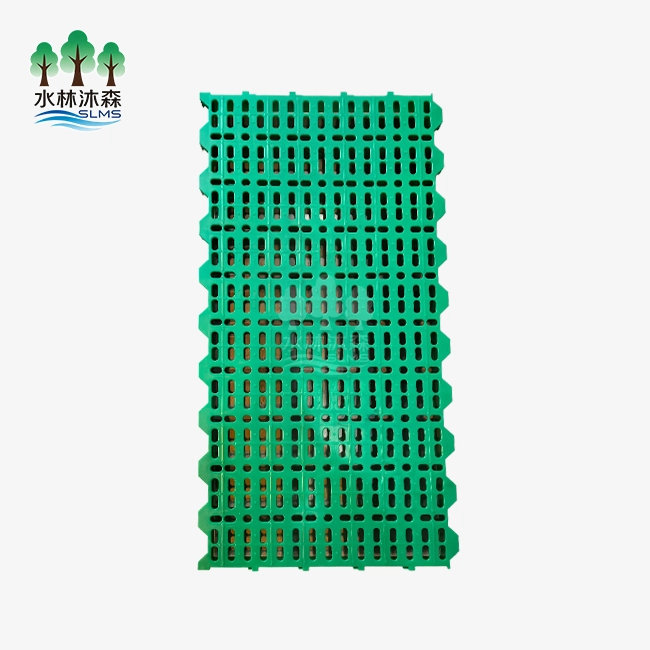
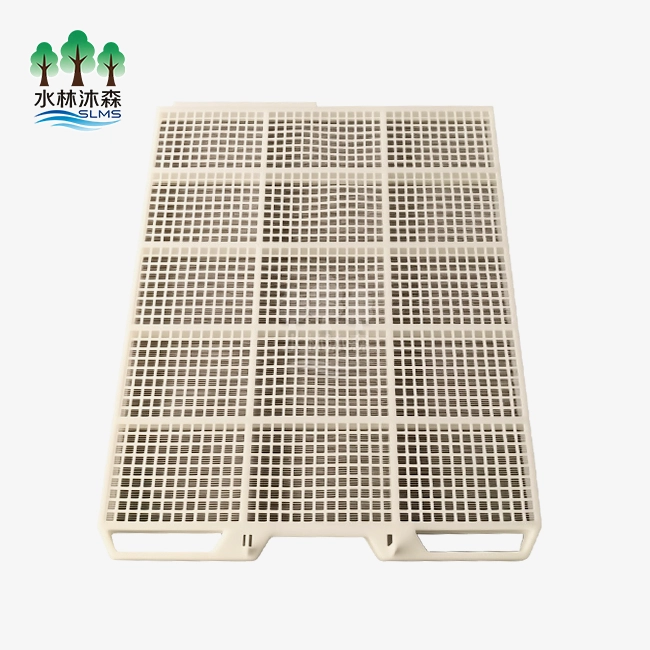
chicken egg conveyor belt
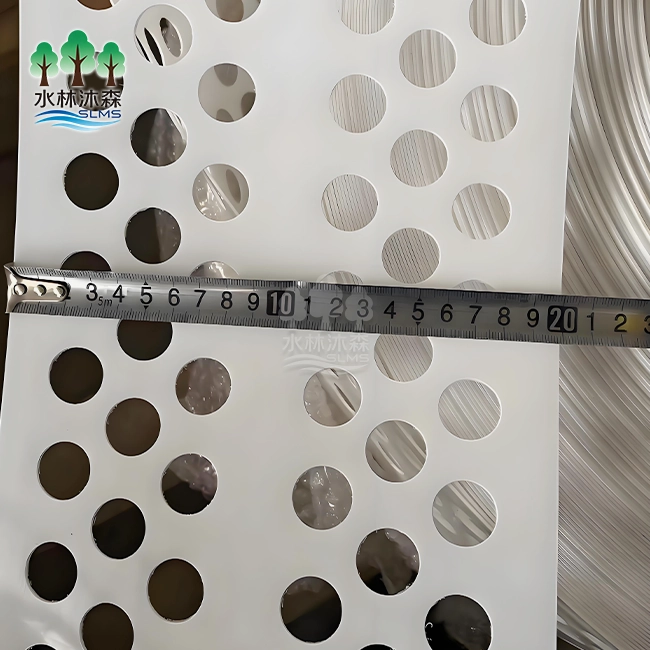
2. Core Specifications: Thickness 0.4mm-1.2mm, Width 100mm-300mm
3. Technical Support: Installation videos and other supporting technical support are provided.
4. After-sales Service: 1-year free warranty.
5. Product Advantages: Saves labor costs, provides stable conveying, and enables assembly line operations.
6. Customization available according to customer needs.
Chicken Egg Conveyor Belt - Automated Egg Collection Solution
Weifang Shuilin Musen Aquaculture Equipment Co., Ltd. delivers industrial-grade chicken egg conveyor belt solutions engineered for high-density poultry operations. With 8 years of manufacturing excellence and a dedicated 5-member R&D team, our systems feature precision-manufactured PP/PE belts available in thickness ranging from 0.4mm to 1.2mm and widths spanning 100mm to 300mm. Built with high-strength materials and optimized for automated layer houses, our conveyor belt systems reduce labor costs by over 40% while maintaining exceptional egg integrity. Each installation includes comprehensive technical support, installation guidance, and a standard 1-year warranty, ensuring seamless integration into your existing poultry infrastructure.

Technical Specifications
| Parameter | Details |
|---|---|
| Thickness | 0.4mm - 1.2mm |
| Width Range | 100mm - 300mm |
| Material | Premium PP or PE |
| Core Structure | PP belt with drive and tension components |
| Support System | Complete support and fixing structures |
| Protective Parts | Auxiliary safety components included |
| Application | Chicken coops, duck sheds, all poultry farms |
Core Advantages for Modern Poultry Operations
Durability That Withstands Harsh Environments
Our belts utilize premium polypropylene with superior corrosion resistance. The material maintains structural integrity even under continuous ammonia exposure common in poultry facilities.
High-strength weaving patterns prevent deformation and aging. Your investment delivers consistent performance across multiple production cycles.
Effortless Maintenance and Hygiene Control
The non-absorbent surface design prevents bacterial colonization. You can pressure-wash the belt directly or disassemble for deep soaking disinfection without creating hygiene blind spots.
Simple cleaning protocols reduce biosecurity risks. This feature addresses critical concerns about Salmonella and other pathogens in egg production environments.
Economic Efficiency for Growing Operations
Lightweight construction simplifies installation and reduces structural load requirements. Your facility upgrades become more cost-effective and faster to implement.
The combination of low material density and extended service life delivers exceptional value. Small to medium-sized farms particularly benefit from this practicality-economy balance.
Flexible Customization Options
Our engineering team configures belt specifications to match your exact cage dimensions and production volume. Whether operating H-frame or A-frame battery systems, you receive tailored solutions.
Custom perforated patterns can be designed to optimize egg stability during transport. This adaptability ensures seamless integration with existing equipment.

Application Scenarios Across Poultry Production
Layer House Automation Systems
The chicken egg conveyor belt operates continuously along cage tiers in automated layer facilities. It transports eggs from nesting areas to central collection points without manual intervention.
Smooth operation over distances up to 150 meters prevents micro-cracks. Your breakage rates decrease significantly compared to manual collection methods.
Multi-Tier Collection Networks
In large-scale operations, individual tier belts feed into transverse cross-conveyor systems. Our belts feature enhanced tensile strength to handle direction changes and incline transitions reliably.
The perforated design secures eggs during these critical transfer points. Your production line maintains consistent flow without bottlenecks.
Breeder and Hatchery Environments
For fertilized egg handling, our belts meet stricter cleanliness standards. Anti-static treatments prevent dust attraction that could compromise embryo viability.
Ultra-soft handling characteristics protect delicate contents. Your hatchery operations maintain maximum fertility rates.
Quality Control Standards
Material Testing Protocols
Every production batch undergoes rigorous tensile strength verification. We measure breaking load capacity to ensure safe operation under full egg loads.
Elongation testing confirms low creep characteristics. Your system maintains proper tension without frequent mechanical adjustments.
Structural Precision Verification
Straightness checks eliminate camber issues before shipping. Belts that curve cause friction against cage frames, leading to premature wear and system downtime.
Our quality assurance prevents these operational disruptions. You receive products ready for immediate installation.
Biosecurity Compliance
Bacterial and fungal resistance testing ensures surfaces resist microbial colonization. Samples undergo exposure to culture mediums simulating farm conditions.
This verification aligns with food-grade safety requirements. Your biosecurity protocols benefit from materials designed for agricultural hygiene standards.
Durability Assessment
Abrasion resistance simulations predict service life under continuous friction. We test samples against metal supports to replicate real-world wear patterns.
These comprehensive evaluations guarantee long-term reliability. Your maintenance schedules become more predictable and cost-effective.

Frequently Asked Questions
Q: How should belt ends be joined for optimal performance?
A: Professional ultrasonic or thermal welding creates seamless, flat joints. This method prevents bumps that could damage eggs, unlike mechanical fasteners or hand-sewing techniques.
Q: What causes belt stretching and slipping issues?
A: Low-quality materials lacking proper heat-setting during manufacturing typically cause this problem. Our pre-stretched, low-elongation PP belts eliminate this concern through proper thermal treatment processes.
Q: Are harsh cleaning chemicals safe for these belts?
A: While PP demonstrates excellent chemical resistance, neutral detergents with cold water provide optimal cleaning. Avoid high-concentration chlorine or boiling water to prevent structural warping.
Q: What advantages do perforated belts offer?
A: Perforated designs create a cradle effect that prevents egg rolling and collisions. Openings also allow manure and dust to fall through rather than accumulating on surfaces, significantly improving hygiene.
Q: When should the chicken egg conveyor belt be replaced?
A: Under proper maintenance, quality belts last 3-5 years. Replace when you notice frayed edges that could tangle in motors, or surface brittleness from long-term ammonia exposure.
Contact Us
Ready to modernize your egg collection? We're here to help.
Get in touch today:
📧 Email: slms-equipment.com@slms-equipment.com
Whether you have technical questions, need a quote, or want customization details, our team responds promptly. Let's discuss how our chicken egg conveyor belt can transform your poultry operation.
Learn about our latest products and discounts through SMS or email