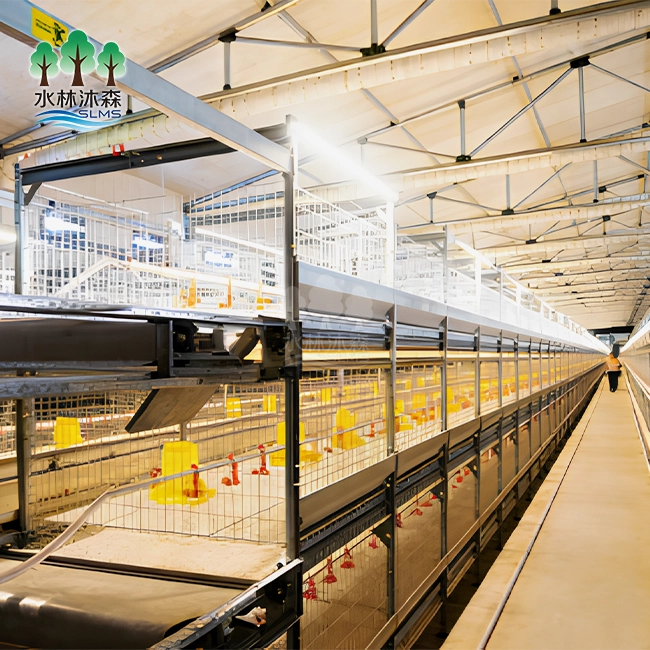
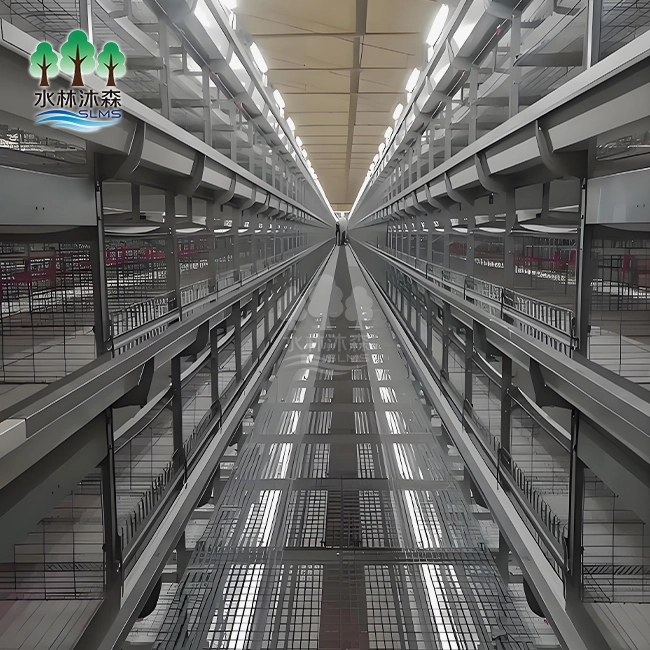
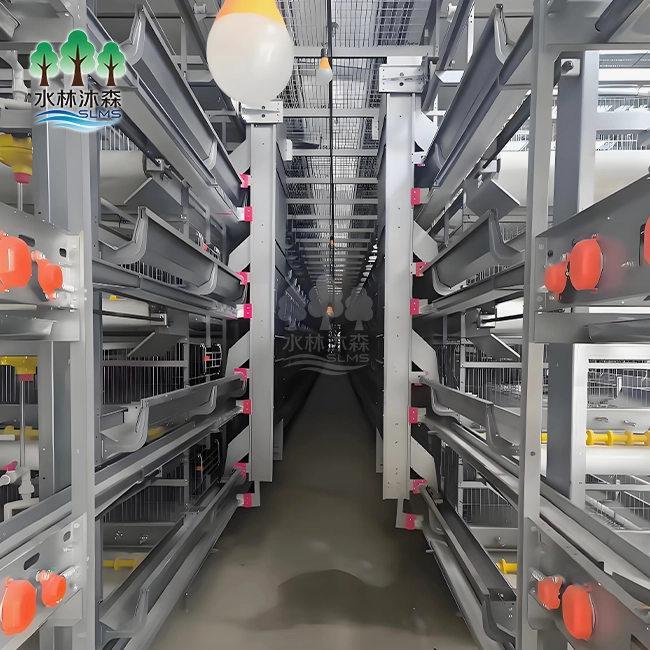
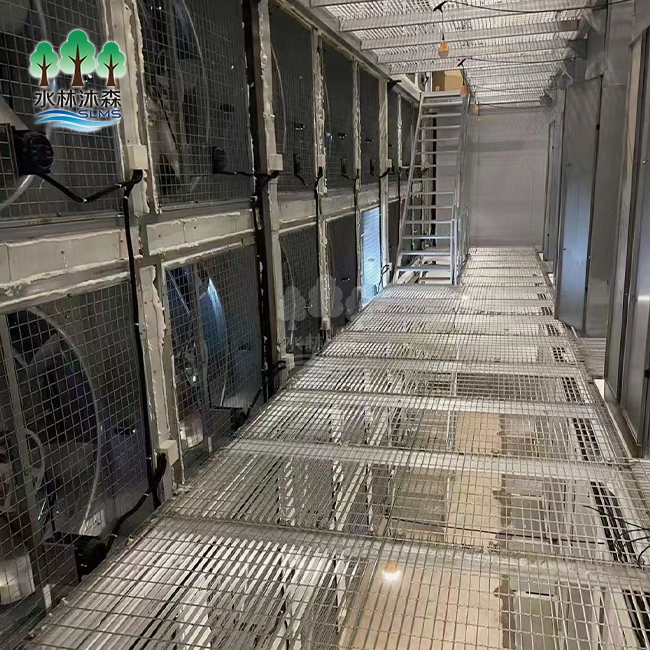
Tri-level Broiler Rearing Cage
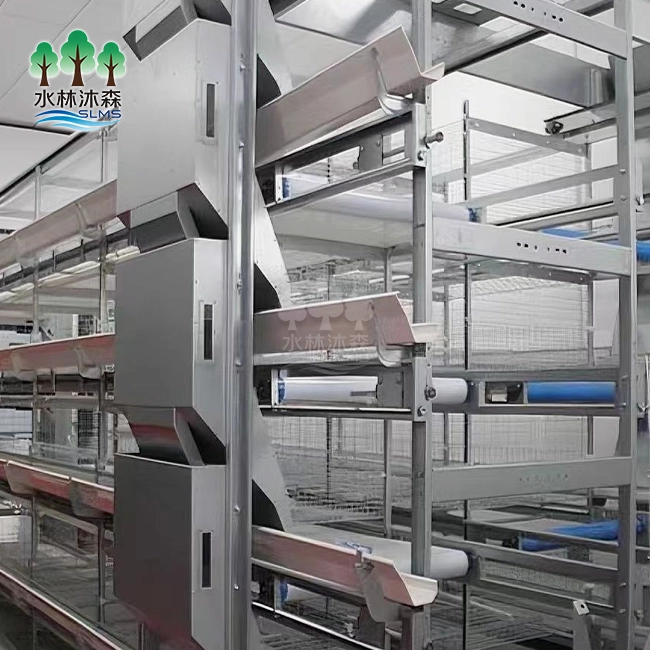
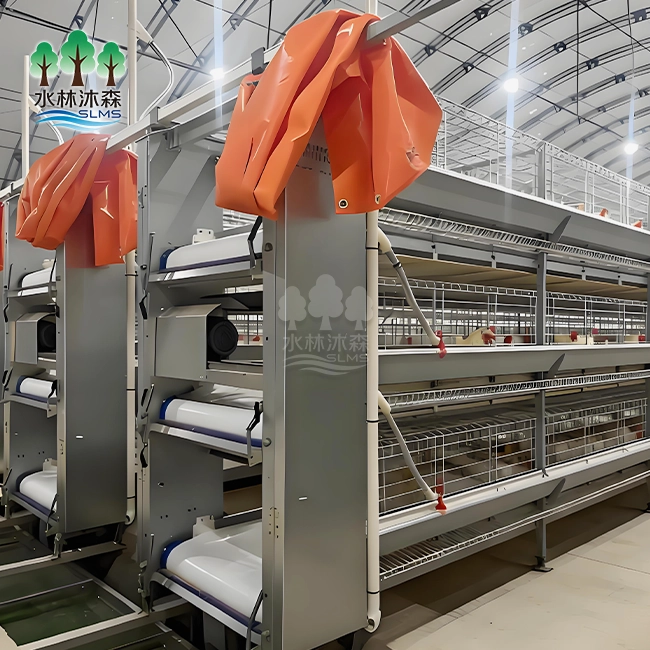
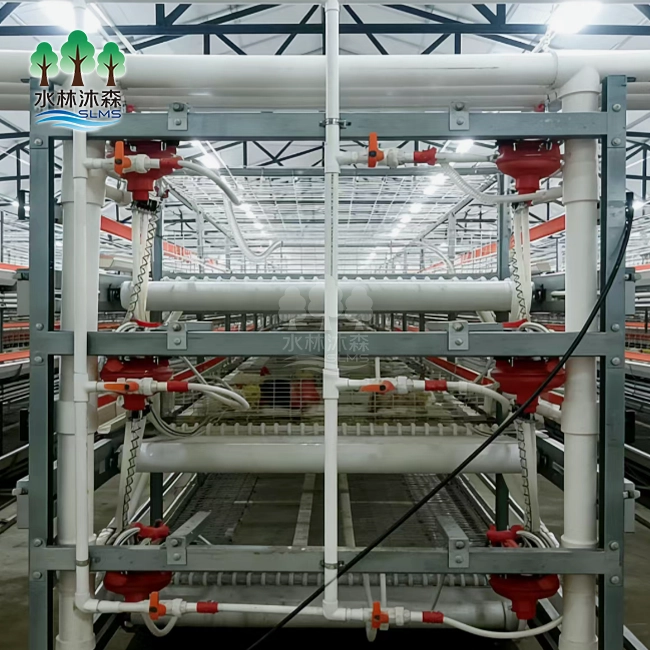
2. Core Specifications: Stocking density 50KG/㎡, corrosion-resistant galvanized iron wire and frame, automatic manure removal, automatic feeding, and automatic watering for modern farms.
3. Technical Support: Provides installation videos and other supporting technical support.
4. Installation Service: On-site installation service available.
5. After-sales Service: 1-year free warranty.
6. Product Advantages: Reduces labor costs and improves farming efficiency; accelerates weight gain, reduces the risk of disease transmission, and is suitable for broiler farming of different sizes.
7. Customization available according to customer needs.
Tri-level Broiler Rearing Cage: Industrial-Grade Solution for High-Density Broiler Production
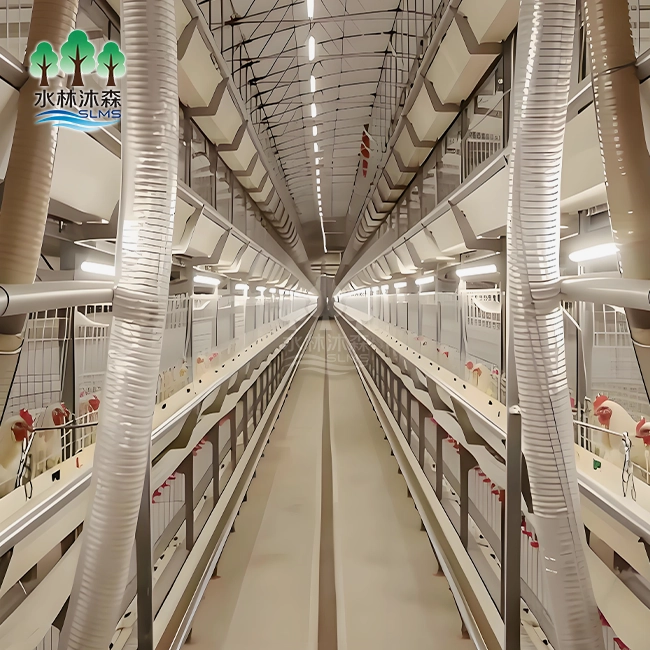
Weifang Shuilin Musen Aquaculture Equipment Co., Ltd. presents the Tri-level Broiler Rearing Cage, an H-type integrated multi-tier housing system engineered for large-scale intensive broiler farming. This system ensures more than 15 years of corrosion-resistant service since it is made of Q235 bridge-grade steel with a hot-dip galvanized coating (275g/m² zinc layer). With dimensions of 125 cm (L) × 160 cm (W) × 45 cm (H), each cage unit can accommodate three vertically integrated tiers with a stocking density of 50 kg/㎡. With automated feeding, nipple watering, and daily manure removal systems, the concept lowers labor expenses by over 40%. Compared to conventional floor raising, this arrangement maintains controlled development conditions while increasing breeding capacity per square meter by 200–300%.
Why Choose This Three-Tier Housing System?
Modern broiler production necessitates methods that deal with manpower shortages, land scarcity, and strict biosecurity regulations. By using vertical space, this cage design immediately addresses these issues.
Your manufacturing capacity is tripled within the same building footprint thanks to the three-story structure. This results in immediate cost reductions per bird raised for farms with high rental rates or restricted land availability.
Manual intervention is significantly reduced by integrated automation. PP manure belts, nipple drinking systems, and automatic feeding lines operate nonstop. Larger flocks can be managed by your team without corresponding increases in staff.
It becomes quantifiably easier to control disease. By preventing litter contact, physical separation between birds and trash lowers the danger of coccidiosis and enteritis. Ammonia levels are kept below 20 ppm by daily manure disposal, safeguarding respiratory health.

Technical Specifications
| Parameter | Details |
|---|---|
| Individual Cage Dimensions | 125cm (L) × 160cm (W) × 45cm (H) |
| Stocking Density | 50KG/㎡ |
| Material | Q235 steel wire, hot-dip galvanized |
| Service Life | Over 15 years |
| Structure Type | H-type three-layer integrated design |
| Main Components | Cage frame, cage mesh, feed trough, nipple drinker, water pipe |
| Automation Features | Automatic feeding, automatic watering, automatic manure removal |
| Frame Material | High-strength galvanized steel / 304 stainless steel |
Performance Advantages That Impact Your Bottom Line
Space Efficiency: The vertical design maximizes bird capacity per square meter. You can stock three times more broilers in existing buildings without expanding infrastructure.
Labor Reduction: Automated feeding and watering systems eliminate repetitive manual tasks. Manure belts remove waste daily without human handling. Farms report up to 60% reduction in labor requirements.
Feed Conversion Optimization: Restricted movement in cages improves Feed Conversion Ratio (FCR) by 0.1-0.2 points compared to floor systems. Birds convert feed to meat more efficiently, directly reducing your largest operational cost.
Uniform Growth Management: Every bird across all three tiers receives equal access to feed and water. This consistency produces uniform weight gain and higher slaughterhouse yield grades. You'll see fewer Grade B downgrades due to size variations.
Durability and Maintenance: The hot-dip galvanized coating withstands highly corrosive poultry environments. Installation and disassembly remain straightforward through the entire 15+ year lifespan. Maintenance costs stay predictable and manageable.

Application Scenarios for Maximum ROI
High-Density Commercial Operations: This approach provides steady production volumes if your farm supplies large slaughterhouses with tight delivery timetables. Processing plant requirements are seamlessly integrated with the all-in, all-out management cycle.
Climate-Controlled Facilities: The tri-level structure uses evaporative cooling pads and tunnel ventilation in tropical or desert areas. During extreme weather, heat stress mortality is prevented by air velocity of 2.0–2.5 m/s, which reaches all tiers equally.
Automated Complexes: The cage design supports automatic harvesting machines for facilities aiming for complete mechanization. For automated bird collecting, bottom mesh panels can retract, reducing the strain of manual capture and flesh bruising.
Expandable Farms: The modular design adapts to your demands, whether you are in charge of big breeding complexes or small-scale businesses. Adjust configurations to fit flock quantities and barn measurements.
Quality Control Standards You Can Verify
Weifang Shuilin Musen implements rigorous inspection protocols across manufacturing. Every Tri-level Broiler Rearing Cage undergoes galvanization thickness testing using digital coating gauges to verify 275g/m² zinc coverage. This prevents premature rust from ammonia exposure.
Testing for weld strength guarantees that spot welds can support the weight of broilers that are ready for the market (2.5–3 kg per bird). Weak joints that could injure birds or collapse under load are rejected before shipment.
Plastic parts, such as manure belt clips and nipple drinkers, are made entirely of virgin raw materials. This ensures resistance to UV deterioration and high-pressure washing without brittleness.
Load-bearing certification is given to floor mesh elasticity. In order to prevent breast blisters, which lower the quality of the meat, the bottom net must support birds without sagging and offer enough cushioning.
Precision measurement is applied to frame alignment. After years of continuous operation, proper tolerances guarantee that manure belts track straight without tearing against metal edges.

Frequently Asked Questions
Q: How does the system prevent breast blisters in heavy broilers?
A: The bottom mesh uses specialized flexible materials or heavily galvanized wire with calculated elasticity. This cushions the bird's breast effectively, reducing blister incidence compared to hard concrete or low-quality wire floors.
Q: Can the cage system accommodate day-old chicks immediately?
A: Yes. The mesh density supports newly hatched chicks from day one. Drinking lines adjust in height to match chick size. Some operators use temporary chick paper for the first week, but direct placement works with proper setup.
Q: What maintenance schedule does the equipment require?
A: Daily manure belt operation and weekly visual inspections of feeding lines suffice for routine care. Annual checks of drinking nipples and belt tension maintain optimal performance. The galvanized construction minimizes corrosion-related repairs.
Q: How quickly can we achieve return on investment?
A: Most farms recover the initial investment within 2-3 years. The calculation includes 200-300% density increases, 5-10% FCR improvement, and significant labor savings. The 15+ year lifespan ensures long-term profitability beyond payback.
Contact Us
Ready to transform your poultry operation? We're here to answer your questions and help you find the perfect solution.
Email: slms-equipment.com@slms-equipment.com
Reach out today to discuss your specific needs, request a quote, or schedule a consultation. Our tri-level broiler rearing cage's team looks forward to partnering with you for a more efficient, profitable farming future.
Learn about our latest products and discounts through SMS or email