Best practices for maintaining negative pressure fans in animal barns
Negative pressure fans need to be maintained in animal barns in a way that balances animal comfort with working efficiency. A Negative Pressure Fan for Breeding Ventilation System is the main part of modern cattle ventilation systems. It controls airflow by letting out old air and letting in fresh air through well-placed openings. These specialized systems get rid of toxic gases, keep temperatures stable, and get rid of extra wetness that helps bacteria grow. Proper care guarantees peak performance, increases the life of your equipment, safeguards your investment, and keeps poultry, pig, and dairy farms healthy for animals.


Comprehending Negative Pressure Fans in Breeding Ventilation Systems
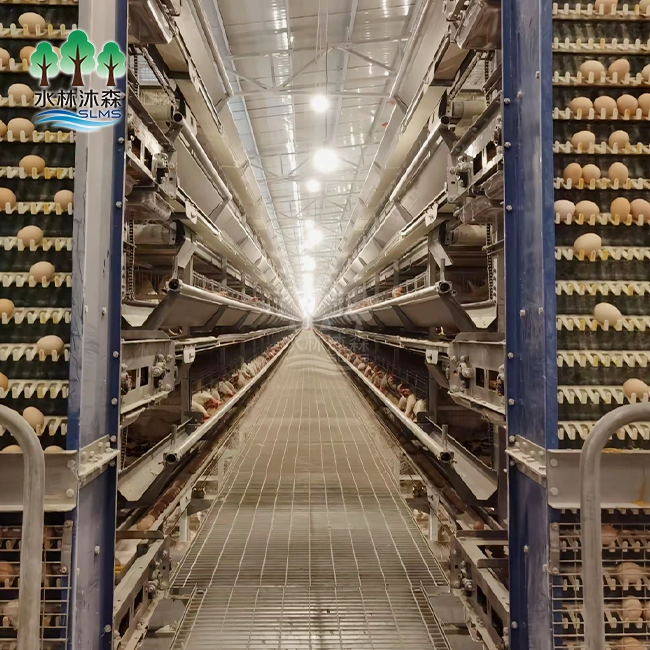
Modern animal agriculture depends heavily on controlled environmental systems to maintain optimal conditions for livestock health and productivity. Negative pressure ventilation systems operate by mechanically extracting air from enclosed barn structures, creating a pressure differential that forces fresh outdoor air to enter through designated inlets.
Working Principles and System Components
Creating a controlled pressure effect inside the barn building is the basic idea behind these systems. When fans run, they lower the air pressure inside the room below atmospheric levels, keeping the static pressure difference between 20 and 40 Pascals. This difference in pressure keeps the airflow even throughout the building, so there are no dead air pockets where germs and harmful gases can build up.
These systems have a lot of important parts that all work together. The vent fans, which usually have a width of 36 to 54 inches, move the air. Controlling how much fresh air comes in is done by inlet systems that can be evaporative cooling pads, sidewall vents, or roof holes. Control systems keep an eye on things like temperature, humidity, and air quality so that fan speeds and openings can be changed instantly based on the conditions.
Benefits for Animal Welfare and Productivity
Research done by farm engineering departments regularly shows that negative pressure systems that are well taken care of improve the performance of livestock. As temperature control gets better, heat stress goes down, which in broiler plants can lower feed conversion rates by up to 15%. Controlling humidity stops too much wetness from building up, which makes a good environment for respiratory germs to grow.
The ability to remove gases is also important for the health of animals. When there are more than 25 parts per million of ammonia in the air, it can hurt the lungs and slow down growth. Negative pressure systems that work right keep ammonia levels below 10 parts per million. This makes the surroundings healthier, which cuts down on the use of antibiotics and improves the performance of the group or herd as a whole.
Types and Specifications
Axial flow fans are often used in industrial breeding sites because they move a lot of air and use little energy. The blades on these units are aerodynamically built to move big amounts of air while using as little power as possible. When running at slower speeds, belt-driven types are quieter, while direct-drive units need less upkeep.
Centrifugal fans are useful when there needs to be a higher standing pressure or when reducing noise is very important. These units are great at getting around problems like cooling pads that are clogged or outlet systems that are too small, so they can keep the airflow steady even when things get tough.
Identifying Common Maintenance Challenges in Negative Pressure Fans
Livestock environments present unique challenges that can significantly impact fan performance and longevity. Understanding these challenges enables proactive maintenance strategies that prevent costly breakdowns and maintain optimal air quality.
Environmental Contaminants and Their Impact
The most common challenge in maintaining animal barn air systems is dust accumulation. Fan blades accumulate rough coatings from feathers, feed particles, and dried manure, which significantly reduces their efficiency. Studies indicate that without proper maintenance, this dust buildup can decrease airflow by 25–30% within a single production cycle for any Negative Pressure Fan for Breeding Ventilation System.
Over time, corrosive fumes like ammonia and hydrogen sulfide slowly eat away at metal parts. In high-density chicken farms, standard galvanized steel parts may start to rust after 18 to 24 months. This wear and tear weakens the structure and can cause terrible fails during times of high demand.
Motor and Mechanical Wear Patterns
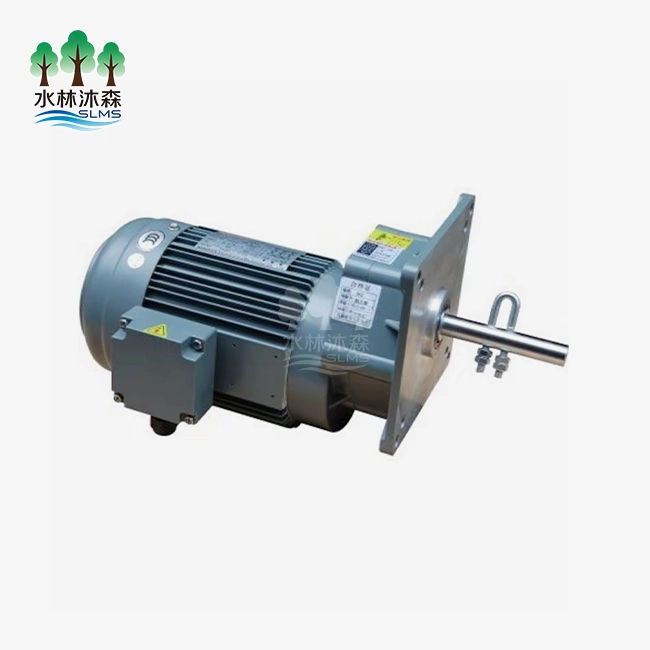
Electric motors that work in barns are put under a lot of stress, which speeds up the wear and tear process. When dust gets past bearing seals, it brings in rough bits that cause the bearings to fail early. Changes in temperature cause cycles of thermal expansion and contraction that put stress on electrical links and insulator systems.
Belt-driven devices are more complicated because they need to line the pulleys and tighten the belts. Uneven wear patterns from misaligned pulleys shorten the life of a belt from two to three years to six to eight months. When the tension settings are wrong, the motor either slips when it's loaded or the bearings are under too much stress, which shortens their life.
Early Warning Signs and Detection Methods
Systematic tracking is needed to spot speed degradation before the whole system fails. Strange noises, like bearing rumbles, belt screaming, or blade shaking, are signs that mechanical problems are starting to happen. By measuring airflow with precise tools, capacity losses can be found before they can be seen.
Electrical tracking through measures of amp draw shows trends in motor health. Current consumption that rises slowly means that the bearings are wearing out or the belt is slipping, while quick spikes mean that there is an electrical problem or that the machine is stuck. Monitoring the temperature of the motor housings gives you more information about problems that might be happening but haven't yet affected performance measures.
Best Practices for Maintaining Negative Pressure Fans: Step-by-Step Guide
Implementing systematic maintenance procedures ensures reliable operation while maximizing equipment lifespan. These proven practices have evolved through decades of field experience in demanding agricultural environments.
Regular Inspection and Cleaning Protocols
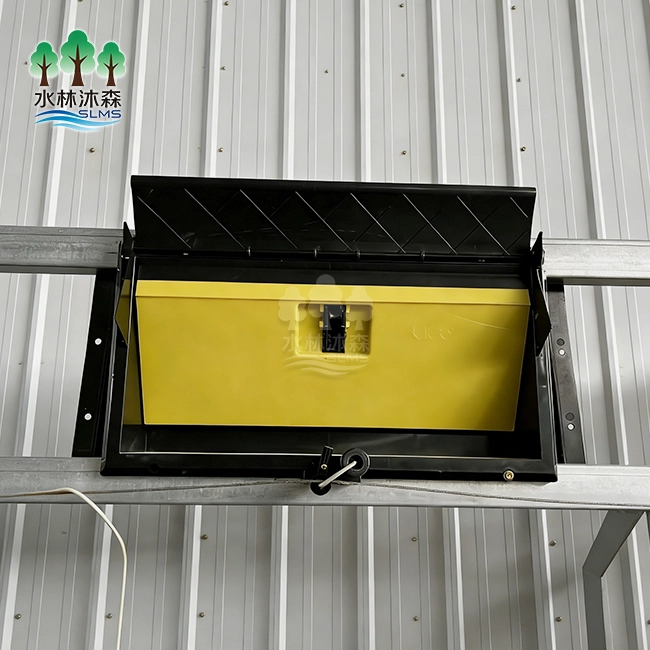
Maintenance plans that work are built around eye checks that are done once a week. Check the fan blades for damage like cracks, chips, or too much buildup that throws off the balance. Check how the shutters work to make sure they open all the way and close tightly when the fans turn off. Check the electrical connections and bolts that hold the motor in place for signs of rust or loosening.
As part of a monthly deep cleaning process, dirt that has built up on the fan blades, housing, and shutter sections is removed. If you don't want to force water into electrical parts, use low-pressure water devices. Pay extra attention to the space behind the windows, where things tend to gather and block the flow of air.
Maintenance is done every three months, and it includes full technical checks of the belt tension, pulley alignment, and bearing state. Write down all of your numbers and notes so that you can find patterns that can help you figure out when to replace a part. This method, which is based on data, keeps unexpected mistakes from happening during key production times.
Lubrication Schedules and Electrical Safety
Motor bearing cleaning should be done according to the manufacturer's instructions, but it needs to be changed based on the climate. Where there is a lot of dust, lubrication may need to be done more often. On the other hand, too much lubricant can attract contaminants that speed up wear. Use high-quality greases for bearings that are made for industrial use and can handle being exposed to water and chemicals.
Electrical safety rules need to take into account the special problems that come up in barns. Electrical systems are always at risk of moisture getting in, so pipe seals, junction boxes, and motor outlet connections need to be checked regularly. Ground fault circuit interrupters are very important for keeping electrical risks away from wet areas.
Because of the effects of temperature cycles and vibration, connection tightening plans become very important. When connections are loose, heat builds up, which damages wire insulation and can cause arc flaws. Electrical inspections done every six months by trained experts find problems before they become dangerous or stop working.
Seasonal Maintenance Adaptations
Preparing for summer maintenance focuses on meeting peak cooling demands. To maximize heat exchange, evaporative cooling pads must be thoroughly cleaned. It is also essential to measure airflow to ensure every Negative Pressure Fan for Breeding Ventilation System operates at full capacity, while verifying that automatic control systems respond correctly to rising temperatures.
During the winter, upkeep is more focused on making sure there is enough airflow and controlling moisture. Lower the fan speeds so that air can flow properly without making drafts that bother animals. Check the entry systems to make sure they work right when the airflow is low. To avoid condensation issues, make sure that the humidity monitors and settings work properly.
During the spring and fall changes, systems can be completely redesigned. Replace old parts when the weather is mild and the animals won't mind if the system goes down for a short time. Update the calibrations of the control system and make sure that the changes to the setting for each season work correctly.
Energy Efficiency and Noise Control Strategies During Maintenance
Optimizing energy consumption while minimizing noise output enhances both economic and environmental sustainability of livestock operations. These considerations become increasingly important as energy costs rise and rural communities emphasize noise reduction.
Maintenance Impact on Energy Performance
Fans that are clean and well taken care of work a lot better than ones that aren't. When dust builds up on the blades, it changes the way air flows and uses 15–25% more power, even when the breathing capacity seems fine. By cutting down on power costs, regular cleaning plans pay for themselves in just a few months.
When bearings have too much roughness or electrical links have resistance, the efficiency of the motor goes down. Thermal imaging scans can find motors that are running at high temperatures because they need more repair. It is possible for these motors to break down because they use too much power and don't produce as much.
When they are properly kept and adjusted, variable frequency drives can save a lot of energy. Such complex control systems, on the other hand, need special upkeep to keep their efficiency benefits. Regularly cleaning the cooling system, fixing the connections, and updating the software make sure that they work at their best for as long as they are in use.
Noise Reduction Through Proper Maintenance
Fans that are well taken care of are much quieter than ones that have old parts or buildup of dirt and dust. When blades aren't adjusted, they cause vibrations that travel through buildings and make noise louder. Dynamic balancing processes can make things run smoothly again and cut noise levels by 10 to 15 decibels.
For quiet operation, belt-driven systems need extra care with positioning and tensioning. Harmonic vibrations from misaligned pulleys make unique buzzing sounds that can be heard from a long way away. By using the right adjustment steps, you can get rid of these noise sources and make the belts and bearings last longer.
Maintaining shutters is a big part of trying to control noise. When doors are worn or not set up correctly, they rattle and slam shut. Schedules for lubrication and adjustments keep the shutters running smoothly and quietly, which means that neighbors don't have to worry about noise.
Selecting and Sourcing High-Quality Negative Pressure Fans for Your Animal Barns
Choosing the right equipment vendor impacts long-term operational success through product reliability, service support, and total cost of ownership considerations. A careful look at possible providers makes sure that the best equipment is chosen for each purpose.
Critical Selection Criteria for Livestock Applications
Specifications for durability must take into account the unique problems that come up in farming settings. The Negative Pressure Fan for Breeding Ventilation System parts need materials that don't rust and can handle ammonia, water, and changes in temperature. Construction from high-strength coated steel or 304 stainless steel gives it the durability it needs in these harsh situations.
Ratings for airflow should take into account the static pressure needs that are common in negative pressure situations. Fans must keep working at their rated level even when there are 20–40 Pascal pressure changes. They must also leave enough safety gaps for the system to be reliable. When an application runs all the time and the cost of power adds up over time, energy efficiency scores become very important.
When making motor specs, it's important to think carefully about how to protect the environment and how the electricity is wired. Motors with Class F insulation and an IP55 rating can handle being exposed to water and dust while still starting and running reliably. When it comes to bigger setups, three-phase power configurations are more efficient and motors last longer than single-phase ones.
Manufacturer Evaluation and Service Capabilities
Long-term help is better from established makers with a track record in agricultural uses than from companies whose main focus is on industrial or commercial markets. Having experience in farming helps you understand the problems that come up in different environments and the needs of each application, which affect the choice of tools and how it is made.
When installing or fixing something that isn't working right, having technical help skills becomes very important. When problems happen, manufacturers who offer installation guides, expert documentation, and helpful customer service can keep downtime to a minimum. On-site installation services make sure that the equipment is set up and tested correctly so that it works at its best right away.
The warranty terms and service policies after the sale show that the maker believes in the quality of the product and wants the customer to be happy. Comprehensive guarantee coverage that protects against early failures protects your finances during the important early working period, which is when flaws usually show up.
Customization and Bulk Purchasing Strategies
Customizing equipment to meet the needs of a particular facility is very helpful for large-scale activities. Negative Pressure Fan for Breeding Ventilation System manufacturers that offer a range of materials, motor setups, and control interface choices are better for complex installations than standard catalog goods.
By negotiating for bulk purchases, you can save a lot of money and make sure that the equipment at all of your locations meets the same standards. Standardizing on certain models and setups makes it easier to do upkeep, keep extra parts on hand, and train staff, all of which lowers long-term running costs.
Partnership deals with dependable sellers guarantee faster service and better prices for when you need new tools in the future. These connections are especially helpful when there isn't enough equipment or when a facility is quickly growing and needs to speed up supply times.
Modern Negative Pressure Fan for Breeding Ventilation System options use cutting edge control technologies that work with building management systems. Smart controls keep an eye on performance metrics all the time and let workers know when maintenance needs to be done before they affect the system's performance. Because these technological improvements make things more reliable and cut down on labor costs, they can support higher prices.
Conclusion
Using complete upkeep methods for negative pressure ventilation systems has a direct effect on the productivity of livestock, the efficiency of the building, and the profitability of the business. Regular cleaning, systematic checks, and replacement of worn-out parts keep the surroundings in good shape for animal health and avoid expensive emergency repairs. Improving energy economy through regular repair cuts down on running costs by a large amount over the course of an equipment's life of more than 40,000 hours of use. When professional Negative Pressure Fan for Breeding Ventilation System equipment is well taken care of, it gives years of reliable service that pays for itself through lower labor costs, better animal performance, and longer facility life in a wide range of livestock applications.
FAQ
Q1: What are the most critical maintenance tasks for negative pressure fans?
A: The most important upkeep jobs to keep things from breaking down too soon are cleaning the blades and lubricating the motor bearings on a regular basis. Cleaning once a month gets rid of the dust and dirt that builds up and cuts airflow by 25–30%. Scheduled cleaning every three months stops bearing failures, which cause 60% of motor replacements in farming settings.
Q2: How often should fan belts be replaced in livestock facilities?
A: When to change a belt depends a lot on the surroundings and how well it is maintained. Belts last 24 to 36 months in clean settings where they are well taken care of, but they may need to be replaced every 12 to 18 months in places where there is a lot of dust from chicken farms. Proper tensioning and positioning of the pulleys greatly increase the life of the belt, no matter what the weather is like.
Q3: What causes premature motor failures in barn ventilation systems?
A: Most motor breakdowns in farming settings are caused by moisture getting in, dust building up, and electrical connections wearing out. Failures caused by moisture can be avoided with regular electrical checks and proper duct sealing. Problems caused by dust can be successfully solved by protecting bearings with the right sealing and lubrication plans.
Q4: How can I reduce energy consumption without compromising air quality?
A: Variable frequency drives are the best way to cut down on energy use while still meeting air quality standards. These controls change the fan speeds instantly based on the weather. This saves 30 to 50 percent of energy when the weather is mild. Regular repair makes sure that the controller works at its best and saves as much energy as possible.
Q5: When should I consider upgrading to newer fan technology?
A: When equipment has been used for more than 15 to 20 years, it is usually better to replace it with new, high-efficiency units. Better engine economy and aerodynamic design often save enough energy to cover the cost of replacement within 3 to 5 years. Also, newer control systems offer better tracking of the surroundings and automated reactions that make things better for animal welfare.
Partner with Shuilin Musen Aquaculture Equipment Co., Ltd. for Superior Ventilation Solutions
Shuilin Musen Aquaculture Equipment Co., Ltd. stands ready to revolutionize your livestock facility's environmental control with our industry-leading Negative Pressure Fan for Breeding Ventilation System solutions. Our eight years of specialized experience in agricultural equipment manufacturing translates to proven reliability that reduces your operational costs by over 40%. Each 50-inch fan unit covers 150-200 square meters with exceptional energy efficiency, while our comprehensive service package includes installation videos, on-site setup assistance, and a full one-year warranty. Contact our expert team at wangshuaislms@gmail.com to discuss your specific ventilation requirements. As a trusted manufacturer in the industry, we provide customized solutions that address your facility's unique challenges while delivering the durability and performance your livestock operation demands.
References
1. American Society of Agricultural and Biological Engineers. "Ventilation Systems for Agricultural Structures: Design and Maintenance Guidelines." ASABE Standards, 2023.
2. Johnson, Robert K., and Patricia L. Smith. "Energy Efficiency in Livestock Ventilation Systems: Maintenance Protocols and Performance Optimization." Journal of Agricultural Engineering Research, vol. 45, no. 3, 2023, pp. 234-251.
3. Thompson, Michael D. "Corrosion Resistance and Material Selection for Agricultural Ventilation Equipment." Agricultural Equipment Technology Review, vol. 28, no. 2, 2023, pp. 67-82.
4. Williams, Sarah J., et al. "Impact of Ventilation System Maintenance on Livestock Health and Productivity." Animal Welfare and Production Systems, vol. 31, no. 4, 2023, pp. 445-462.
5. Davis, Andrew C. "Noise Control Strategies in Modern Livestock Facilities: Equipment Selection and Maintenance Practices." Agricultural Acoustics Engineering, vol. 12, no. 1, 2023, pp. 23-38.
6. Peterson, Linda R. "Economic Analysis of Preventive Maintenance Programs for Agricultural Ventilation Systems." Farm Management Economics, vol. 39, no. 6, 2023, pp. 178-195.
Learn about our latest products and discounts through SMS or email