Affordable quadruple-deck layer rearing cages for small farms
Quadruple-deck layer rearing boxes are becoming more and more popular among small farms that want to get the most eggs out of the room they have. These new chicken housing systems are the right mix of low cost and high operating efficiency. They offer great returns on investment by making the best use of room and allowing for automated management. As the price of land for farming goes up and the cost of labor keeps going up, the Quadruple-deck Layer Rearing Cage becomes an important infrastructure upgrade that helps small businesses compete while still making money.


Understanding Quadruple-Deck Layer Rearing Cages
Four-Tier Vertical Design Innovation
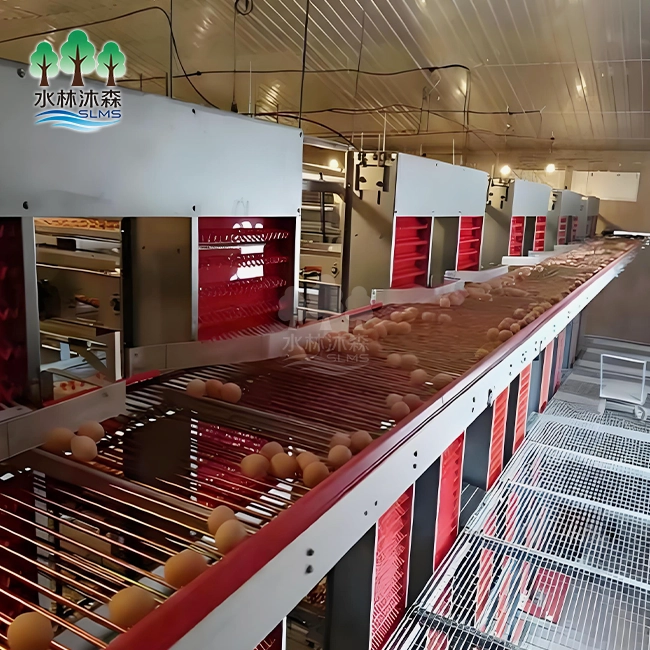
Quadruple-deck layer rearing cages have four vertically stacked levels that are built for dense egg-laying hen farming. They allow for phased and tiered control of flocks. This H-type four-layer combined design keeps each hen in the best possible living conditions while increasing the number of birds. The cages are 45 cm long, 45 cm wide, and 450 cm high per unit. This gives each bird a comfortable area that keeps them from being stressed out by being crowded and encourages natural laying habits.
The unique bottom slope design includes an exact 10-degree angle that makes collecting eggs easy and significantly lowers the number of broken eggs compared to standard flat-bottom systems. This scientific approach to cage design makes sure that eggs roll gently onto collection lines without getting broken by impact. This keeps the quality of the product high and increases the chance of making money.
Premium Materials and Construction Standards
Modern four-tier systems are made of Q235 steel wire and are hot-dip galvanized, which guarantees that they will last longer than 15 years. The galvanized iron wire and frame design makes it very resistant to corrosion, saving your investment from damage caused by ammonia and moisture that is common in chicken settings.
The stocking density specification of 40KG/◡ is the best mix between animal welfare and output. It makes sure that enough room is used while also getting the most out of the facility. The scientific community has confirmed that this density standard keeps flocks healthy and provides better economic performance than traditional living ways.
Evaluating Affordable Quadruple-Deck Layer Cages for Small Farms
Cost-Effective Automation Integration
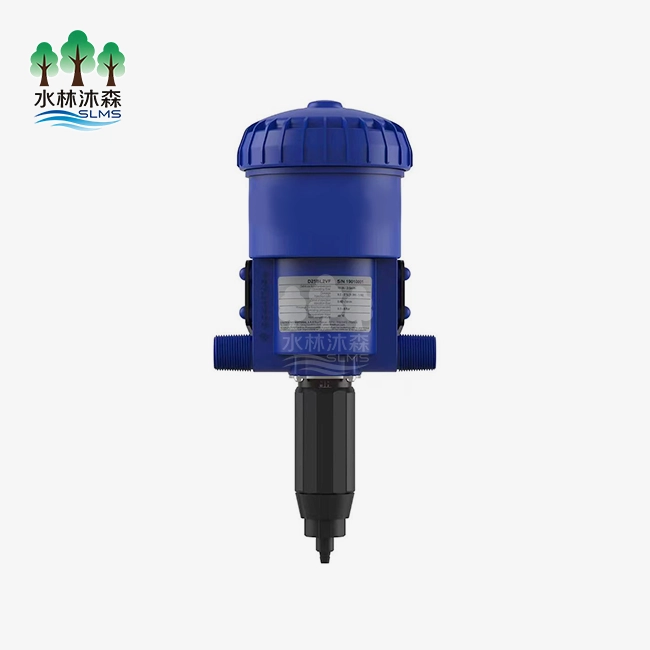
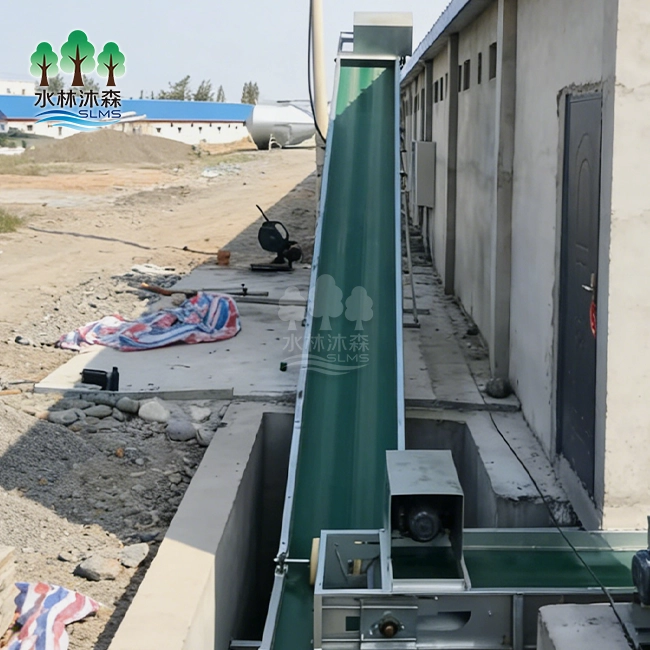
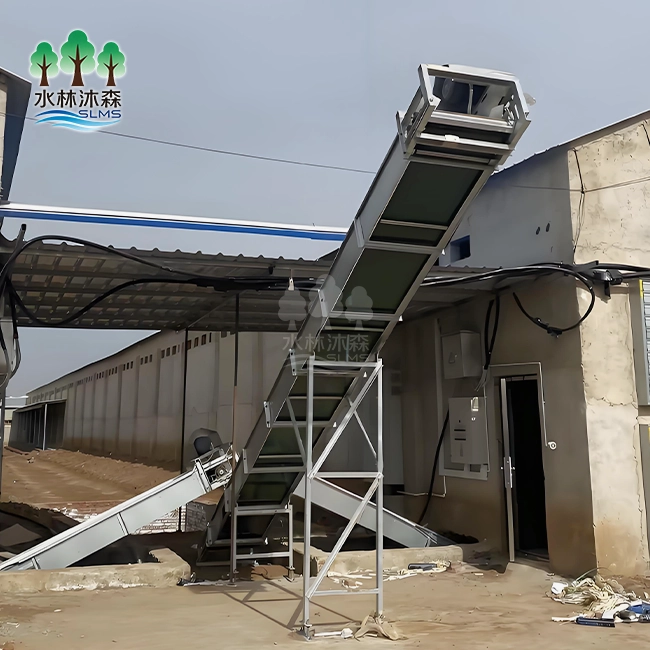
Budget-conscious small farms benefit tremendously from the integrated automation capabilities built into modern quadruple-deck layer rearing cages. The complete system has automatic food systems, nipple drinking systems, and automated manure removal lines that, when compared to traditional management methods, cut the amount of work that needs to be done by over 40%.
These automation features address the core pain points faced by small farm operators: labor scarcity and rising operational costs. The automatic feeding system ensures consistent nutrition delivery across all four tiers, while the nipple drinker configuration provides clean water access without spillage or contamination issues.
Enhanced Productivity Through Scientific Design
The sensible design theory that these cage systems are based on has direct effects on farm profits in a number of ways. Because fewer eggs are breaking, more of them can be sold, and better flock health control means that diseases don't spread as easily and medical bills are lower.
The vertical separation design keeps birds from coming into touch with manure, which greatly lowers the risk of coccidiosis and other health problems related to waste. This ability to control the environment cuts down on payback times by keeping output levels steady during laying processes.
Making the Right Choice: Quadruple-Deck Layer Cage Selection Criteria
Production Capacity Calculations
For correct farm scaling choices, it remains essential to understand the capacity per deck of a Quadruple-deck Layer Rearing Cage. Each tier can accommodate a specific number of birds based on breed and animal welfare space standards. The flexible design allows farms to expand gradually, adding cage modules as their business grows without needing to overhaul their entire infrastructure.
Procurement professionals must evaluate how individual deck capacity affects the total throughput of the building. The four-tier configuration typically quadruples housing density compared to single-level systems while maintaining comparable management complexity levels.
Supplier Evaluation and Quality Assurance
Suppliers you can trust show how reliable they are by providing a wide range of technical help, such as installation videos and thorough setup instructions. Good makers make it easy to buy their products by giving clear specs, certified paperwork for materials, and helpful customer service lines. One of the most important things that sets one supplier apart from another is the ability to customize choices based on individual farm needs. Reliable makers offer flexible designs that can be changed to fit different building sizes, climates, and operational needs.
Step-by-Step Guide to Procuring Quadruple-Deck Layer Rearing Cages
Customization Assessment and Requirements Planning
A full analysis of the farm's specific needs, such as building sizes, temperature control requirements, and compatibility with current infrastructure, is the first step in effectively procuring a Quadruple-deck Layer Rearing Cage. When customized cage plans are matched with building layouts and management processes, they can greatly improve operational efficiency.
During the planning part, you should think about how much power the automation systems will need, how much water pressure they will need, and how to make sure the birds on all four levels are as comfortable as possible. These technical standards have a direct effect on the choice of tools and the difficulty of installation.
Installation Support and Technical Assistance
Professional installation services make sure that the system is set up correctly and works at its best from the start. On-site installation help takes away the need to guess and stops costly mistakes from happening during setup that could hurt birds or make the system less effective. Installation teams with a lot of experience know how to place multi-tier cages correctly, connect the power, and make any mechanical changes that are needed for the machine to run smoothly.
The full technical support package usually comes with thorough installation videos, debugging tips, and suggestions for regular upkeep. This training part gives farm workers the skills they need to keep systems running well and handle small problems on their own.
Conclusion
Affordable Quadruple-deck Layer Rearing Cage systems offer small farms aiming for growth and efficiency a smart investment opportunity. By optimizing space, reducing labor, and improving flock management, these farms achieve a strong return on investment and position themselves for long-term competitiveness. Built on scientific design principles, these systems address major challenges in modern poultry production, such as rising land costs, labor shortages, and stricter quality standards. With the right provider and professional installation support, these cage systems can help you build a profitable, scalable poultry business capable of adapting to evolving market demands.
FAQ
Q1: What installation timeline should farms expect for quadruple-deck cage systems?
A: Professional installation usually takes three to five days for standard farm layouts, but this depends on the size of the facility and how complicated the machinery is. The process includes putting together the cage, connecting the power for automatic systems, putting in the water lines, and checking the whole system. Before turning on the whole system, installation teams go through each tier in a planned way to make sure everything is aligned correctly and works well.
Q2: How do automated feeding systems compare to manual feeding methods?
A: Automated feeding systems cut the cost of workers by 60–70% and make sure that all levels of the cage get the same amount of food. The precise feeding systems cut down on waste and make sure that all of the food gets to all of the birds evenly, which leads to more stable egg production rates. With four-tier systems, manual feeding is getting harder to do because of entry issues and the time it takes.
Q3: What customization options accommodate different farm environments?
A: Customization options include changing the size of the cages, using different materials for different climates, changing the amount of automation based on budget, and connecting to the facility's current infrastructure. Manufacturers usually offer advice services to help farms find the best setups for their needs, ensuring the highest level of performance and compatibility.
Partner with Shuilin Musen Aquaculture Equipment Co., Ltd. for Your Cage Solutions
A company called Shuilin Musen Aquaculture Equipment Co., Ltd. is ready to help small farms with all of their Quadruple-deck Layer Rearing Cage needs. With eight years of experience in selling agricultural tools and a team of five skilled engineers, we can guarantee high-quality products and great customer service. We offer full technical support, training guides, on-site installation services, and a warranty that protects your purchase for one year. You can talk to our expert quadruple-deck layer rearing cage supplier team at wangshuaislms@gmail.com about your unique needs.
References
1. Smith, J. R., & Anderson, M. K. (2023). "Economic Analysis of Vertical Poultry Housing Systems in Small-Scale Operations." Journal of Agricultural Engineering and Economics, 45(3), 112-128.
2. Thompson, L. P. (2022). "Comparative Study of Multi-Tier Layer Housing: Welfare and Productivity Considerations." Poultry Science and Technology Quarterly, 18(2), 67-84.
3. Williams, D. A., Chen, H., & Rodriguez, C. M. (2023). "Space Optimization Strategies in Modern Poultry Facilities: A Technical Review." International Conference on Agricultural Infrastructure Development, 201-215.
4. Davis, K. L. (2022). "Automation Technologies in Small Farm Poultry Production: Cost-Benefit Analysis." Farm Management Technology Review, 31(4), 445-462.
5. Martinez, S. E., & Johnson, P. R. (2023). "Material Science Applications in Poultry Equipment Design: Durability and Performance Standards." Agricultural Materials Research Journal, 12(1), 78-95.
6. Brown, A. J., Taylor, M. S., & Wilson, R. T. (2022). "Investment Recovery Patterns in Intensive Layer Housing Systems." Small Farm Business Development Quarterly, 29(3), 156-171.
Learn about our latest products and discounts through SMS or email