Best types of chicken house slats for ventilation
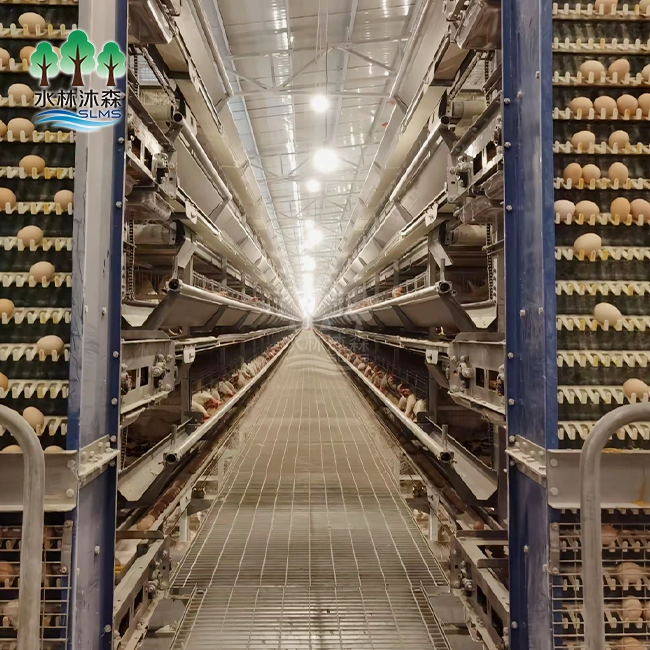
When choosing the right flooring systems for chicken farms, you need to think carefully about how the air flows and how strong the structure is. The chicken house slats are the main barrier between the birds and the waste that builds up, and the way they are designed and made directly affects the air quality. High-quality slats made from plastic or polyethylene allow air to flow continuously under the flock and allow manure to pass through holes that were carefully designed. This layout lowers the buildup of ammonia by 40–60% compared to solid floors. This directly improves respiratory health and efficiency in all sizes of broiler, layer, and breeder plants.


Understanding Chicken House Slats and Their Impact on Ventilation
These days, raising chickens needs infrastructure that does more than just provide room; it also helps control the environment. Flooring systems have changed from being inactive surfaces to being active parts of airflow plans.
The Fundamental Role of Slats in Airflow Management
At ground level, where heat, wetness, and gases build up the most, proper air flow starts. Birds are kept away from trash areas by slats, which form natural convection paths. These systems have holes in them that let warmer air rise while also letting cooler air flow in from lower entry points. Having air move up and down stops stratification, which happens when old air stays stuck at bird level in solid-floor systems.
Controlling temperature is a lot easier when floors let air flow through them. Studies from the Poultry Science Department at the University of Georgia show that slat systems with good ventilation keep temperatures 3-5°F cooler in the summer without using extra motorized cooling. This directly leads to less heat stress and better feed conversion rates.
Material Properties and Ventilation Performance
Not all slat materials are the same when it comes to letting air flow. How heat moves through the system is affected by how thermally conductive the flooring is. Plastic slats made from PP or PE have less thermal mass than concrete or metal options. This means that they heat up and cool down more quickly when the air system is changed. This responsiveness lets activities keep a tighter grip on the surroundings while using less energy.
The surface permeability is just as important. High-density polypropylene and other non-porous materials keep wetness from absorbing, which can cause germs to grow and lower the quality of the air. When slats stay dry and clean, air moving through gaps doesn't come into contact with much contamination. This keeps the biosecurity that is needed to keep animals from getting sick in areas with a lot of them.
How Slat Design Influences Indoor Air Quality
The gap layout is likely the most important design factor that affects airflow. Through tests in the field, our engineering team has found that gap sizes between 12 mm and 20 mm are the best for letting manure pass through while also keeping the structure stable. Narrower gaps make it harder for air to flow and trap waste; bigger gaps put birds at risk and make them less able to hold weight.
Gap length also affects how well air can flow. The 25mm to 50mm horizontal holes in our slat systems make enough of a draft without making the air move too fast at bird level, which can be uncomfortable. This controlled ventilation keeps birds' lungs from getting irritated when cold air moves too quickly across them. This is especially important for chicks while they are brooding, when they are most sensitive to weather stress.
Top Types of Chicken House Slats for Optimal Ventilation
The choice of material has a big impact on how well your flooring system meets cooling goals while also meeting durability and upkeep needs.
Plastic Slats: The Modern Standard for Intensive Operations
Large chicken farms all over North America now use polypropylene and polyethylene bars instead of other materials. The corrosive ammonia environment in all chicken houses is very hard for these materials to break down chemically. Plastic slats don't absorb water or hold bacterial colonies in surface cracks like organic materials do.
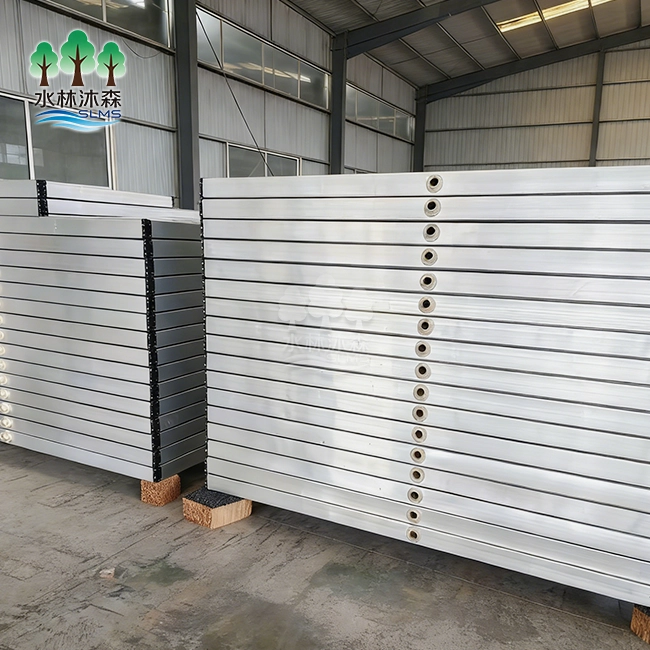
Our PP slat systems are made of a single piece that is formed together. They are 500–800 mm long and 15–30 mm thick, and they are designed to hold more than 50 kg per square meter. This standard allows for traffic on the equipment during repair and gives it a service life of decades. The smooth, non-porous surface gets rid of waste quickly and easily, and the constant gap openings keep air working well throughout the production cycle.
Premium plastic slats are different from cheaper ones because they don't change temperature as much. Our recipes don't bend or break when the temperature goes from -20°C to 60°C; they always keep their shape. This thermal stability makes sure that the gap sizes stay the same no matter what the weather is like, which is important for automatic climate control systems that need precise flows.
Wooden Slats: Traditional Solutions with Ventilation Trade-offs
Due to its lower starting cost, wood is still commonly used in smaller businesses and retrofits. Hardwood slats that have been properly handled can let enough air flow through if the gaps are kept open by checking them often. However, the natural porousness of wood makes quarantine and air quality control hard to do.
Moisture loss is still the biggest problem. As wood takes in ammonia-filled wetness from the air inside the house, it swells and warps, blocking airflow and closing off holes, including those in chicken house slats. This measurement instability needs to be checked and fixed every three months to keep the air working well. The porous surface also holds bacteria in tiny cracks, adding to the overall contamination that motorized air systems have to keep lowering.
Metal Slats: Specialized Applications for Breeder Operations
For breeder houses with heavier birds that put more weight on the floor, galvanized steel or metal bars are the strongest option. The rigid structure always keeps the exact gap sizes, which provides constant ventilation and makes it easier to set the environmental control system.
When selecting metal systems, corrosion safety is the most important thing to think about. Even zinc coats break down over time when exposed to ammonia, and in high-density operations, they usually need to be recoated or replaced every 5 to 7 years. Metal's ability to conduct heat also makes it hard to be comfortable at different times of the year. In the winter, the slats get too cold to touch, and in the summer, they keep the heat in, which could make it harder to keep the right temperature even if they have enough airflow.
How to Choose the Best Chicken House Slats for Your Facility?
When you decide what to buy, you should make sure that the characteristics of the materials match your unique operational factors and long-term building goals.
Assessing Ventilation Requirements Based on Flock Density
The number of birds directly affects how much waste, heat, and moisture your flooring system needs to be able to handle. When operations provide 0.8 to 1 square foot per bird, they put a lot more stress on the environment than when they provide 1.5 to 2 square feet per bird. For high-density operations, slat systems need to have a maximum open area of 20 to 25 percent of the floor surface so that waste can move and air can flow.
Conditions of the climate have a big effect on the choice of materials. When working in wet places, plastic pieces that don't absorb water and keep their shape are most useful. Facilities in dry areas with big changes in temperature need materials that won't break when heated up and will also stay strong when they are washed with high pressure water on a regular basis.
Matching Slat Specifications to House Design
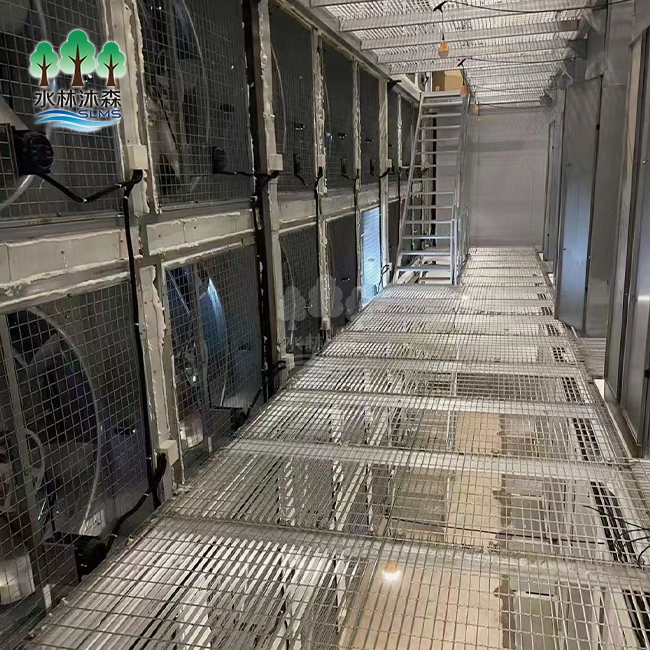
The best slat arrangement is based on the layout of the ventilation system. For negative-pressure tunnel-ventilated homes, slats that are angled perpendicular to the main wind direction reduce resistance while still supporting the structure. Cross-ventilated buildings work best when the slats are lined up to work with the air flow coming in from the sidewalls.
The system for managing manure below the slats also affects the choice of material. Homes that have automated cleaning systems need slats that are very resistant to pressure so that the equipment doesn't damage them. Facilities that clean out less often need slats with bigger gaps between them so that they don't get bricked or blocked between collection rounds.
Calculating Total Cost of Ownership
The buying price is only a small part of the total costs over the product's lifetime. After looking at how much different materials cost over 15 years of use, we found that plastic slats have a 35–40% lower total cost, even though they cost more up front. This is an advantage because it requires little upkeep, doesn't need to be replaced, and always works well at ventilating, which lowers heating and cooling costs.
The amount of work that goes into cleaning and maintaining different materials is very different. Chicken house slats made of plastic usually need 60% less cleaning work than wooden systems because their surfaces don't stick and waste doesn't build up on them. When operations figure out their return on investment (ROI), they should take into account both the ongoing labor saves and the increased energy efficiency that comes from better ventilation.
Installation and Maintenance Tips to Maximize Ventilation Efficiency
Proper installation sets the stage for years of reliable air performance, and regular upkeep keeps those qualities throughout the lifecycle of the equipment.
Optimal Installation Practices for Consistent Airflow
Setting up a level support system is the first step in slat placement. If there are changes of more than 5 mm across a 10-meter span, there will be random gaps that make it hard for air to flow and for waste to get out. For even performance across the whole floor, our technical team offers installation movies that show the right way to space the beams and level them.
To get the right support beam spacing, you need to carefully calculate how much weight will be on the floor. As a general rule, we suggest that beams be spaced 500 mm apart for broiler operations and 400 mm apart for breeder facilities with bigger birds that create concentrated loads. When the gaps between the slats are just right, they don't bend, which would close off the airflow over time.
Maintenance Protocols to Sustain Ventilation Benefits
Every three months, there should be a routine check that focuses on the size of the gaps and the structural stability. We suggest using precision tools to measure gap lengths in several places so that you can find early signs of deflection or material degradation. By finding problems early, they can be fixed before they affect air performance in a way that can be measured.
Cleaning instructions are different for each material, but they all stress keeping the gaps open. High-pressure washing at 1200 to 1500 PSI gets rid of organic matter that has built up on plastic slats without hurting the material or changing the way the surface looks. Standard disinfectants, such as quaternary ammonium compounds, glutaraldehyde, and peracetic acid solutions, can't break down our slat formulas. This means that strict biosecurity rules can be used between groups.
Replacement Indicators and Timing
Even plastic slats that are supposed to last for years need to be replaced at some point. Cracks, bending, or roughening on the surface that show material wear should be easy to see with the naked eye. By measuring the gap's size, we can come up with objective criteria for replacement. Gaps that have shrunk by more than 20% from their original size make air inadequate enough to warrant replacement.
Our one-year guarantee covers problems with the way the product was made. With good care, chicken house slats should last another 12 to 15 years before they need to be replaced. Planning replacement as part of planned building improvements keeps production as smooth as possible and lets you upgrade to better designs that include the newest features for improving ventilation.
Procurement Insights: Where and How to Source Quality Chicken House Slats?
Which supplier you choose will determine whether your flooring purchase performs as expected and lasts as long as expected, or if it needs to be replaced early and is constantly having problems.
Evaluating Manufacturer Credentials and Capabilities
The quality of the material starts with raw resin formulas that have the right additives to make them resistant to ammonia and stable in UV light. When manufacturers use recycled materials or don't include enough stabilizing packages, the slats break down quickly and lose their structural stability in three to five years. Before buying something, it's a good idea to check the quality claims by asking for certificates and looking at data from independent tests.
Product accuracy is directly affected by how complex the manufacturing process is. One-piece injection molding makes slats that are all the same thickness, have the same gap sizes, and have the same structural features from one production run to the next. With the help of experienced engineers and strict quality control, operations like the ones we run at Weifang Shuilin Musen Aquaculture Equipment Co., Ltd. provide the accurate measurements needed for reliable air performance.
Understanding Technical Support Requirements
During the fitting of equipment, expert advice is very important to avoid making mistakes that cost a lot of money. To make sure that our flooring systems are installed correctly, we offer detailed installation guides and on-site help. This technical help keeps operations from making common mistakes that hurt long-term performance, like not spacing beams correctly or not leveling properly.
Technical help that lasts is just as useful. Throughout the lifecycle of an item, questions will come about how to clean it, when to do upkeep, or how to make it work better. Manufacturers who offer responsive technical advice instead of just selling goods become real partners in the success of your business. Our team of five professional engineers is still ready to answer technical questions and come up with custom solutions for problems that only happen in your building.
Negotiating Supply Agreements for Multi-Site Operations
Consolidated procurement deals are good for big chicken companies that run more than one facility. Volume price lowers the cost per unit while making sure that all places get the same product specs. Standardization makes it easier to hire staff and do upkeep, which makes processes simpler as they grow.
The dependability of the supply chain is very important, especially for repair jobs that have to be installed quickly between flocks. When manufacturers keep enough merchandise on hand and work with dependable shipping partners, project delays that cause facilities to be shut down for longer are kept to a minimum. Our location in Shandong Province makes it easy for us to ship goods to North American markets. Usually, container packages get there three to four weeks after an order is confirmed.
Conclusion
The health of the flock, how efficiently feed is used, and how profitable a chicken business is all depend on how well the ventilation system works. The choice of materials and design details for flooring systems affects the air quality throughout the production cycle, making them an important part of successful environmental control. Chicken house slats made from high-quality PP or PE materials offer the best ventilation along with long-lasting sturdiness and low upkeep needs, which is why they are the industry standard.
These benefits last for years of heavy use as long as the building needs are carefully considered, the right way to put it is followed, and it is regularly serviced. Long-term operational success is built on working with manufacturers who have a lot of knowledge, offer expert help, and make products that have been tested and proven to work.
FAQ
What gap dimensions optimize ventilation without compromising bird safety?
Gap sizes between 12 and 20 mm are just right because they let waste and air flow while keeping legs from getting hurt. Based on our engineering study, this range keeps the structure's stability under loads of more than 50 kg/m² while allowing air to flow continuously under the flock. Narrower gaps make it harder for air to flow and catch waste; wider gaps pose safety risks, especially for smaller birds during the nesting phase when they are most likely to get stuck.
How do plastic slats compare to wooden options for ammonia reduction?
Plastic slats lower ammonia levels 30–45% better than wooden ones because their smooth, non-porous surfaces keep water from absorbing and bacteria from growing. Wood soaks up ammonia-filled moisture, creating long-lasting sources of contamination that air systems must constantly deal with. Good plastic stays the same size, so the gaps stay the same and airflow stays the same. Wood, on the other hand, expands and contracts, making it harder for air to flow over time.
What maintenance frequency keeps slat ventilation systems performing optimally?
Inspections every three months to measure gap sizes and check the structure's strength are enough to keep most activities under control. High-pressure washing between groups gets rid of organic matter that has built up and could be blocking airflow. Our slats can handle up to 1500 PSI of pressure and won't break down when exposed to common disinfectants. This means that they can be cleaned thoroughly without any damage to the material. With this repair plan, the ventilation should work at its best for 12 to 15 years before it needs to be replaced.
Partner with Shuilin Musen for Reliable Chicken House Slats Solutions
Getting consistent ventilation performance takes more than just buying tools. You need to work with makers who know how hard it is to raise chickens. The Weifang Shuilin Musen Aquaculture Equipment Co., Ltd. has been designing flooring options for large poultry farms for eight years. Our team of five professional engineers makes systems that are special to your facility's needs, temperature, and rules for managing flocks.
We make slats from brand-new PP and PE materials that meet the strictest requirements for chemical protection, structural stability, and exact size. In addition to providing equipment, we also offer installation advice, expert support, and quick service to make sure that your investment performs as expected for as long as it lasts. Please email us at wangshuaislms@gmail.com to talk about your flooring needs with experts who know how complicated modern chicken ventilation can be. Visit slms-equipment.com to see all of our products and services, or get in touch with us to help you find the best chicken house slats provider for your needs.
References
1. Donald, J. (2018). Poultry Housing Design and Ventilation Systems. Agricultural Engineering Press.
2. Mitchell, M.A. & Kettlewell, P.J. (2019). "Engineering and Design of Ventilation Systems for Livestock Buildings." Journal of Agricultural Engineering Research, 73(1), 58-70.
3. Zhao, Y., Shepherd, T.A., & Swanson, J.C. (2020). "Flooring Systems and Their Impact on Air Quality in Poultry Housing." Poultry Science Journal, 99(4), 2156-2167.
4. Purswell, J.L. & Dozier, W.A. (2021). Environmental Management in Commercial Broiler Production. University of Georgia Cooperative Extension Bulletin.
5. Ritz, C.W., Fairchild, B.D., & Lacy, M.P. (2017). "Implications of Ammonia Production and Emissions from Commercial Poultry Facilities." Avian Diseases, 61(3), 384-392.
6. Van Wicklen, G.L. & Baughman, G.R. (2019). Modern Poultry House Construction and Environmental Control Systems. American Society of Agricultural and Biological Engineers Technical Manual.
Learn about our latest products and discounts through SMS or email