Poultry House Air Inlet
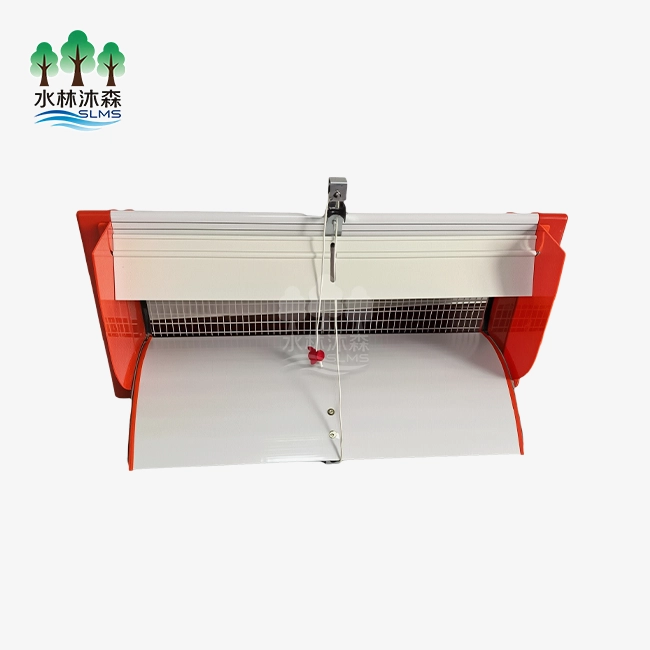
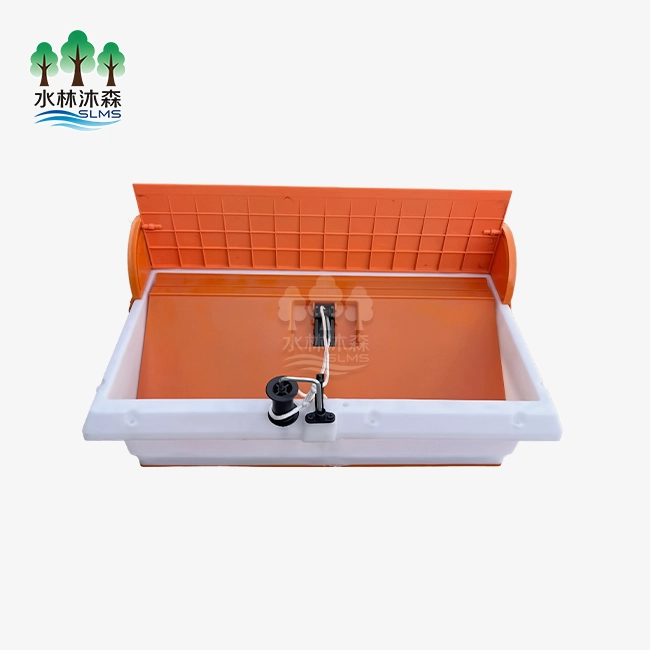
2. Core Specifications: 560mm*270mm, ABS material, with deflector, opening accessories, insulation layer, etc.
3. Technical Support: Installation videos and other supporting technical support are provided.
4. Installation Service: On-site installation service is available.
5. After-sales Service: 1-year free warranty.
6. Product Advantages: Strong oxidation resistance; the ventilation window has a wind deflector on the inside to effectively prevent cold air from blowing downwards, allowing fresh air to be distributed more evenly in the chicken coop; the spring is made of stainless steel, with strong oxidation resistance and no deformation.
7. Customization of materials, dimensions, etc., is available according to customer needs.
Poultry House Air Inlet: Professional Ventilation Solutions for Modern Poultry Operations
Weifang Shuilin Musen Aquaculture Equipment Co., Ltd. brings eight years of specialized manufacturing expertise to deliver industrial-grade Poultry House Air Inlet systems engineered for controlled-environment livestock structures. Our 560mm×270mm ABS construction features integrated deflector technology, achieving 0.11-0.13㎡ effective ventilation area while maintaining superior seal integrity. The oxidation-resistant stainless steel spring mechanism withstands over 10,000 operational cycles, and the high-density ABS frame tolerates extreme temperature ranges from -30℃ to +60℃. With a lightweight 1.5kg unit weight and corrosion-resistant composition, our ventilation windows reduce labor costs by over 40% compared to traditional systems while ensuring uniform fresh air distribution throughout poultry facilities.
Superior Material Engineering
Your ventilation infrastructure demands materials that endure harsh agricultural environments year after year. Our inlet systems utilize premium virgin ABS plastic enhanced with UV stabilizers, ensuring the housing resists brittleness under prolonged solar exposure and ammonia-rich atmospheres.
The integrated insulation layer creates a critical thermal break, preventing condensation formation during cold-weather operation. This design eliminates water drip issues that commonly plague inferior products when warm interior air contacts cold inlet surfaces.
Each component meets stringent industry standards for moisture resistance and corrosion protection. The double-sealing architecture guarantees zero air leakage when closed, maintaining optimal static pressure efficiency essential for negative ventilation system performance.

Technical Specifications
| Parameter | Specification |
|---|---|
| Product Dimensions | 560mm × 270mm |
| Installation Opening | 570mm × 280mm |
| Material | ABS (High Strength, Corrosion Resistant) |
| Unit Weight | 1.5 kg |
| Operating Temperature | -30℃ to 60℃ |
| Ventilation Area | 0.11-0.13 ㎡ |
| Main Components | ABS frame, adjustable louvers, regulation mechanism, stainless steel spring, wind deflector, insulation layer |
| Applicable Facilities | Chicken houses, duck coops, livestock barns |
Intelligent Deflector System
The internal deflector represents a critical innovation addressing the industry's most persistent challenge: cold air downdrafts. When frigid external air enters your facility, the deflector redirects airflow along the ceiling plane rather than allowing direct descent onto your flock.
This aerodynamic geometry leverages the Coandă effect, enabling cold incoming air to mix thoroughly with warmer stagnant air before reaching bird level. The result is elimination of respiratory stress triggers and prevention of wet litter syndrome—two costly problems that compromise flock health and facility hygiene.
Your heating efficiency improves dramatically as thermal stratification disappears. Fresh air spreads uniformly across the entire housing space, ensuring consistent environmental conditions from wall to wall.
Robust Mechanical Design
The top edge and frame interface features precision engineering that creates a tighter seal when closed compared to conventional designs. This enhanced closure performance prevents uncontrolled air infiltration that would otherwise disrupt your environmental control system's accuracy.
Our stainless steel spring mechanism demonstrates exceptional resistance to deformation under continuous cycling. The return spring design ensures reliable operation through demanding seasonal transitions, maintaining consistent tension across thousands of opening and closing sequences.
High-impact resistance protects against accidental contact during daily operations and routine maintenance activities. The robust construction tolerates the physical demands of working farm environments while preserving operational precision.

Versatile Application Solutions
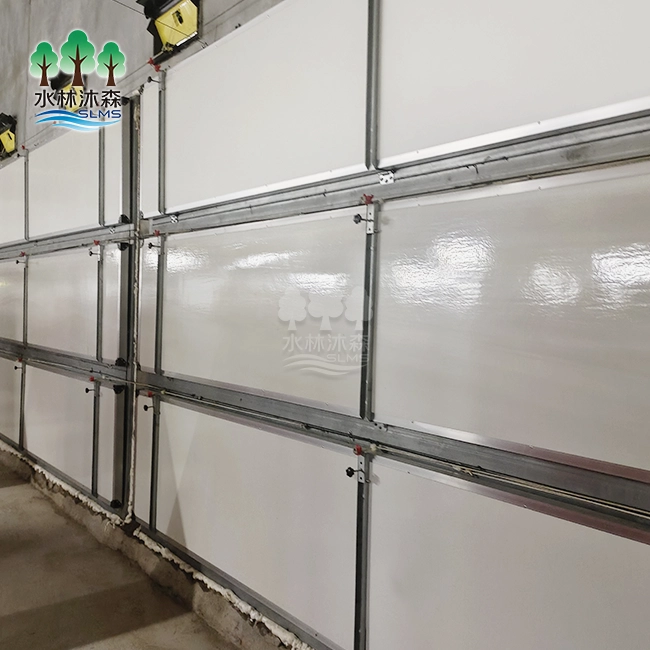
These ventilation inlets serve multiple poultry production scenarios with equal effectiveness. In broiler house minimum ventilation mode during winter, restrictive aperture settings create high-velocity air jets that maximize heating efficiency while reducing propane consumption.
Layer cage systems benefit from the uniform air distribution that reaches center aisles and middle-tier cage zones—areas where inadequate ventilation traditionally causes heat stress and oxygen deficiency. The controlled airflow prevents dead zones that compromise bird welfare and productivity.
Breeder barn operations gain precise transitional ventilation control during spring and autumn climate fluctuations. Your environmental controller modulates inlet openings smoothly, preventing sudden temperature shocks that negatively impact egg production rates and fertility percentages.
Duck farms and mixed livestock facilities achieve reliable cooling and fresh air exchange throughout warm seasons. The system adapts to various housing configurations and stocking densities while maintaining optimal ammonia and carbon dioxide removal.
Quality Assurance Standards
Our manufacturing process incorporates comprehensive quality control protocols at every production stage. Air tightness verification utilizes pressure testing equipment to confirm complete seal integrity when inlets close, preventing static pressure loss that reduces system efficiency.
Operational stress testing subjects mechanisms to high-frequency cycling under load conditions, validating that pulleys, adjustment rods, and springs maintain smooth function without jamming or premature wear. Material resilience analysis includes accelerated weathering simulation and chemical immersion testing that replicates corrosive ammonia vapor exposure.
These rigorous procedures ensure every unit leaving our facility delivers the stable, durable performance your operation requires. We back this quality commitment with a one-year comprehensive warranty covering manufacturing defects and material failures.
Customization Capabilities
Your facility's unique specifications receive dedicated engineering attention through our custom Poultry House Air Inlet service. Dimensional variations accommodate non-standard wall thicknesses and installation configurations specific to your barn design.
Our five-member professional engineering team develops tailored solutions for challenging ventilation scenarios. Whether you need modified deflector angles, alternative mounting systems, or specialized material specifications for extreme climate zones, we provide technical expertise to meet those requirements.
Installation support includes comprehensive guides and technical documentation that streamline setup procedures. On-site installation assistance is available to ensure proper integration with your existing environmental control infrastructure.

Frequently Asked Questions
Q: How do I determine the correct quantity of inlets for my facility?
A: Calculate the required number by dividing the total CFM output of all exhaust fans under transitional ventilation by the CFM capacity of a single air inlet at a static pressure of 0.10–0.12 inches water column. Proper quantity matching ensures appropriate airflow speed and avoids excessive negative pressure inside the house.
Q: What triggers condensation forming on inlet surfaces?
A: Condensation takes place when warm, humid indoor air touches cold inlet panels. This problem is usually caused by damaged thermal insulation or air gaps around the inlet frame; cold outdoor air seeps in and cools down the plastic surface, leading to water droplet buildup.
Q: Which static pressure range delivers the best inlet working effect?
A: A static pressure of 0.08–0.12 inches water column can produce an airflow speed of 700–1000 feet per minute. This wind speed enables incoming air to reach the ceiling smoothly and achieves full indoor air mixing.
Q: Are sidewall air inlets usable under tunnel ventilation mode?
A: When running full tunnel ventilation, sidewall inlets are generally kept fully closed to compel all outside air to pass through cooling pads. In transitional ventilation or auxiliary tunnel ventilation stages, partial opening of side inlets helps balance indoor temperatures and eliminate temperature stratification.
Q: What maintenance routine is advised?
A: Clean the protective mesh twice a year to clear dust and poultry feathers that would block airflow. Check nylon pulleys for abrasion regularly, and test spring tension to guarantee the inlets can close tightly every operating cycle.
Contact Us
Ready to improve your poultry house ventilation? Our poultry house air inlet's team is here to answer your questions and help you select the right configuration for your operation.
Learn about our latest products and discounts through SMS or email