Broiler chicken cage suppliers offering customizable ventilation options
When looking for broiler chicken cage providers that offer customizable ventilation options, it's important to know exactly how much airflow your business needs to keep your flock healthy and make money. Modern multi-tier cage systems, like the 4-Level Broiler Chicken Cage, make the best use of vertical room and include air systems that are made for raising a lot of chickens. Maintaining constant air quality across multiple cage tiers, controlling temperature changes, and reducing ammonia buildup that hurts bird health and meat quality are all important problems that these systems solve in modern broiler farming. Suppliers that specialize in customizable airflow can make solutions that work with your environment, bird number goals, and automation preferences. This turns traditional farming into precise poultry manag


Understanding 4-Level Broiler Chicken Cages and the Role of Ventilation
Multi-tier broiler house systems are a big change in how large-scale businesses use room and keep the environment under control. These vertical structures make the most of a building's small size, but they also create unique ventilation problems that need unique answers.
Structural Design and Material Specifications
Modern multi-tier systems are built with Q235 international standard bridge steel, which makes sure the structure stays strong even when it's full of birds that are getting close to harvest weight. High-density packing at about 50 kg per square meter is supported by the framework, which spreads the weight evenly across four vertical levels.
Hot-dip galvanization with a zinc covering that is thicker than 275 grams per square meter protects against corrosion for 15 to 20 years in ammonia-filled chicken houses. This treatment for the surface lasts a lot longer than regular coats, so your investment will be safe through many production cycles. The cages are usually 1050mm by 800mm, and each cell has big moving gates that make bird farming more humane and keep the birds' wings from getting hurt during capture.
Ventilation Challenges in Multilayered Systems
Different microclimates are created at each level of a stacked cage. Heat naturally rises and gathers in the top cages, while lower levels may not get enough air flow. Without proper airflow control, middle tiers often get areas of still air where the amount of ammonia is higher than 20 parts per million, which is well above what is considered safe for animals and productive. According to research from chicken science schools, systems with too little airflow are directly linked to higher death rates, less efficient feed conversion, and more respiratory diseases. Birds in sections that don't get enough air flow have a harder time gaining weight. By the time they are processed, they may be 200 to 300 grams lighter than birds in sections that do get enough air flow.
Customizable Ventilation Solutions Explained
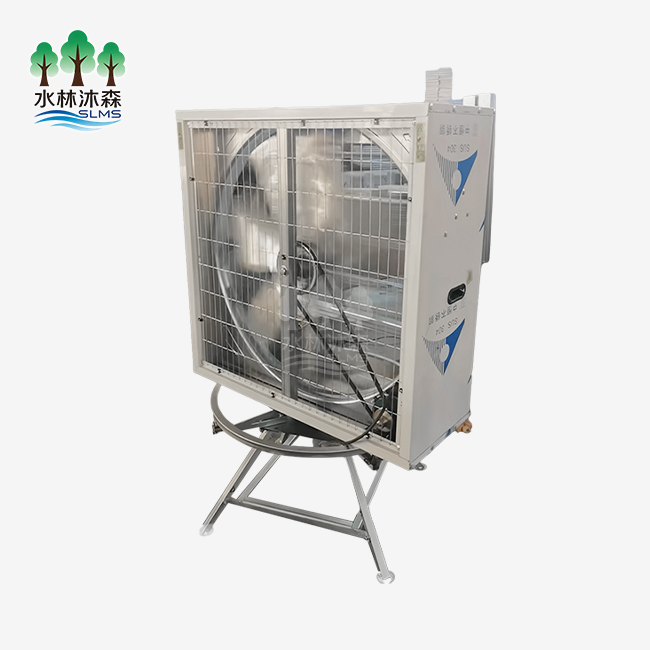
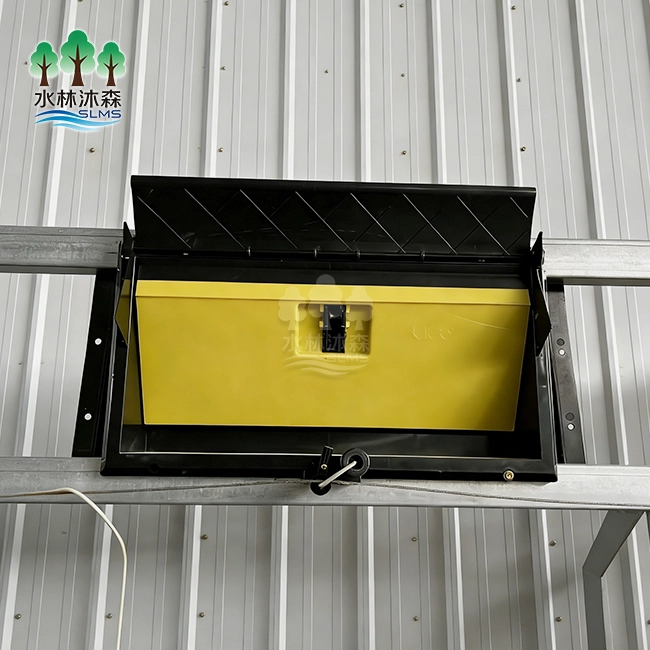
These tier-specific problems can be solved by built-in systems that let you change the flow of air. Tunnel ventilation systems make sure that air moves evenly between cage levels, which stops temperature stagnation. Adjustable louvers placed between the tiers let workers fine-tune how air moves based on the temperature outside, the age of the birds, and their density. Target temperature ranges are kept by automated fan arrangements that are controlled by external sensors.
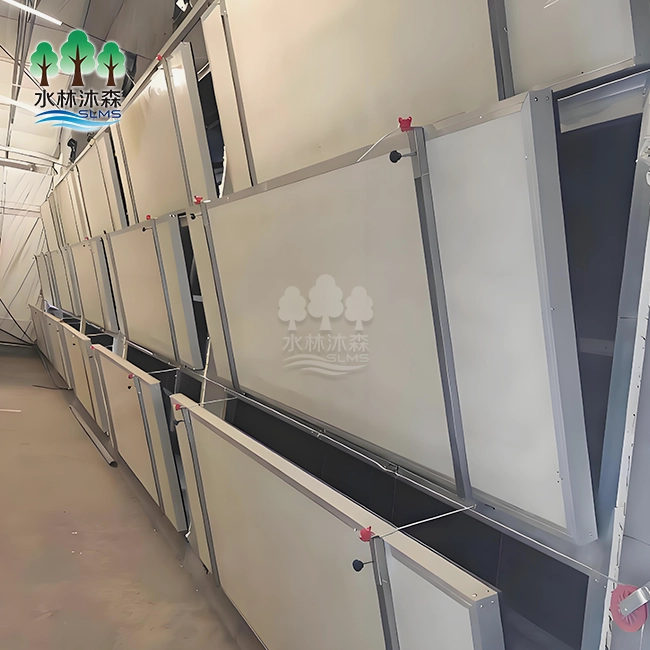
Humidity levels that affect litter quality and lung health are also managed. For tropical regions, some more modern systems have evaporative cooling pads that lower the temperature inside by 5 to 8 degrees Celsius during the hottest times of the day. With this customization feature, businesses in humid Southeast Asia, hot Africa, or mild North America can make the most of their unique weather conditions.
Key Features to Look for in 4-Level Broiler Chicken Cage Suppliers
It's not enough to just compare price sheets when choosing a provider. You also need to look at their technical skills, standards for material quality, and long-term support structures that will directly affect the success of your operations.
Ventilation Customization Capabilities
Reliable providers offer a range of ventilation integration choices that can be adjusted to the needs of the building and the climate. For moderate climates with stable yearly trends, manual vent systems are a cost-effective option. In harsh environments, however, automated fan arrays managed by programmable logic controllers provide precise temperature management.
Look for suppliers who design cage spacing that meets airflow needs. Usually, there should be 400–500 mm of vertical space between tiers to keep airflow from being slowed down. The best systems have bird density monitors that change fan speeds automatically based on how many birds are in the area instead of using set timers. Corrosion-resistant motors and weather-sealed housings should be used in adjustable louver systems so that the equipment works for a long time.
Material Durability and Corrosion Resistance
Material choice is an important part of review because it has a direct effect on the total cost of ownership of the equipment. The acidic ammonia atmosphere breaks down less durable materials in 3 to 5 years, but galvanized steel structure can handle it. Make sure that the providers test with salt spray for at least 72 hours, which is meant to simulate years of being exposed to manure and ammonia conditions. The thickness of the wire gauge is very important.
For example, broiler cage systems need wire diameters of 2.5 to 3.00 mm to hold big birds without sliding or breaking. Bottom mesh design should have high-elasticity or be covered with commercial-grade plastic slats. This will get rid of the hard pressure points that damage meat quality and cause breasts to boil. Frame joints need extra attention; welding connections need to show that their tensile strength is higher than the dynamic loads that fully stocked cages create during normal operations.
Integration With Automated Systems
These days, heavy operations need cage infrastructure that works well with automated systems for food, watering, and waste management. Suppliers should offer cage designs that work with auger feeding systems that give each tier level the exact amount of food it needs at the same time. Using drinking systems with heavy-duty catch cups and 360-degree nipple drinkers keeps water from going to waste and makes sure that animals in all cage situations stay hydrated.
Each layer has a longitudinal polypropylene dung belt system that removes waste every day. This greatly reduces the buildup of ammonia compared to deep litter systems where manure stays for the whole grow-out time. With this integrated method, manual jobs that require a lot of work are turned into centralized processes that only a small staff can handle.
Supplier Reputation and Certification Standards
Checking the trustworthiness of the seller guards against low-quality equipment that hurts both production and animal welfare. Well-known companies have quality control systems that keep an eye on every step of the production process, from checking the raw materials to testing the end load. Ask for proof of ISO approval or other quality control standards that show consistent production methods. Customer reviews from businesses like yours can tell you a lot about how well the product works in real life and how good the customer service is after the sale.
When it comes to specialized agricultural tools, suppliers with eight years or more of experience usually know how to predict problems during installation and come up with good answers. The make-up of the team is also important. Businesses that hire committed engineering staff—ideally five or more professionals—show that they can keep working on new products and fixing technical problems.
Comparing 4-Level Broiler Chicken Cages: Ventilation and More
Knowing how the performance of different multi-tier configurations varies helps operations choose systems that meet their output goals and work with the limitations of their building.
Four-Level Versus Three-Level Ventilation Efficiency
Adding a fourth level increases the number of birds that can live in the same-sized building by 25 to 33 percent, but it also makes air needs go up by the same amount. To keep conditions the same on all four levels, 4-Level Broiler Chicken Cage systems need more complex airflow design. When 4-Level Broiler Chicken Cage setups are properly designed, measures of air velocity show a uniform spread with only a 10% difference between the top and bottom cages.
In badly designed systems, this difference is between 25 and 30%. The higher height—usually 2.4 to 2.8 meters for a 4-Level Broiler Chicken Cage system compared to 1.8 to 2.0 meters for a three-tier system—requires a higher static pressure fan capacity to beat resistance as air travels farther. In 4-Level Broiler Chicken Cage systems, the amount of energy used per bird held goes down because the ventilation infrastructure is shared among more production units. This lowers running costs.
Impact on Bird Health and Productivity
The quality of the ventilation has a direct effect on the key performance measures that show how profitable the business is. Facilities that keep ammonia levels below 15 parts per million through good ventilation have 3-5% lower death rates than facilities that don't have enough ventilation. When birds aren't using energy to control their body temperature in badly controlled environments, feed conversion rates go up by 0.1 to 0.15 points.
Breast blisters, which are a major reason why processing is slowed down, drop to less than 2% in cages that are properly aired and have the right floors, compared to 8–12% in less-than-ideal conditions. There are real financial benefits to these health changes. For example, lowering mortality by 4 percentage points in a farm with 100,000 birds saves about 4,000 birds' lives, which is worth a lot of money.
Long-Term Cost Considerations
Total ownership costs include more than just the price of buying the tools. They also include the costs of running it over its lifetime. When compared to basic setups, premium ventilation systems with automated controls cost 15% to 25% more up front, but they save over 40% on ongoing labor costs by reducing the need for manual changes and tracking. Energy-efficient EC motor fans use 30–50% less energy than regular types. Within 18–24 months of running, the savings more than cover the higher starting costs.
Maintenance costs go down a lot with zinc construction—operations report 60–70% lower repair costs compared to using cheap materials that need parts to be replaced more often. When figuring out the return on investment, you should take into account the increase in capacity. Systems with 30,000 to 40,000 birds per building make three to four times as much money from the same amount of production room as systems on the floor.
Maintenance and Best Practices for Optimizing Ventilation in 4-Level Broiler Chicken Cages
To keep up performance, you need to use routine maintenance procedures and work methods that keep tools working well and make the setting as good as it can be.
Routine Inspection and Cleaning Protocols
Setting up regular repair plans stops ventilation problems that are bad for the health of the flock. Every month, check the fan belts, bearings, and motor housings for signs of wear. Vibrations, noises, or less movement that aren't normal can mean that a part is about to break. Every week, clean the ventilation louvers and air intakes to get rid of the dust that builds up and makes the system less effective.
Manure belt systems need to be used every day and deep cleaned once a week to keep buildup from blocking the airflow between cage levels. Check galvanized surfaces every three months to make sure the coating is still in good shape. Fixing small rust spots right away with touch-up chemicals stops them from breaking down faster. Every six months, temperature and humidity sensors need to be calibrated to make sure that automatic systems get correct information about the environment so that they can set the fan speed correctly.
Seasonal Adjustment Strategies
Changes in the weather during production rounds mean that air strategies need to be changed. To deal with high summer heat, you need to increase the rate of airflow—often by 10 to 15 exchanges per hour—and use evaporative cooling or misting systems. In the winter, operations make sure that the minimum ventilation rates (usually two to three air swaps per hour) needed to get rid of wetness and ammonia are met without losing too much heat. During transitional seasons, natural ventilation can help keep air quality high while lowering energy costs.
These changes are easier to make when you use automated control systems with customizable seasonal profiles. 4-Level Broiler Chicken Cage systems, with their high-density design, benefit significantly from these adjustments, ensuring optimal airflow and temperature control across all tiers. These systems change how the fans work based on real-time temperature readings and calendar times.
Staff Training and Technical Support
complicated equipment needs people who are properly trained and able to operate and fix complicated systems. Control system programming, sensor calibration methods, and diagnostic techniques for finding mechanical or electrical problems before they get worse should all be covered in thorough training programs. Video lessons and thorough operating guides help people remember what they've learned and give them tools to use during real operations.
When suppliers offer on-site installation services, they give employees important chances to learn by doing, as they can learn about the system directly from experienced techs. Access to quick technical support—ideally through a variety of methods, such as phone, email, and video consultation—ensures that issues are fixed quickly, reducing production delays that cause expensive losses during equipment breaks.
Procuring 4-Level Broiler Chicken Cages With Customizable Ventilation: A Strategic Buying Guide
Strategic buying processes find providers who can deliver equipment that meets technical requirements and provide the support infrastructure needed for long-term operating success.
Identifying Qualified Suppliers
To start evaluating a provider, make sure they can make what you need and have experience in the industry at a level that fits your business. Companies that have been making farming tools for eight years or more usually have established quality control systems and design skills that have been proven to work. Check out the engineering tools; companies with dedicated R&D teams (ideally with five or more engineers) show that they can customize products and keep coming up with new ones.
Ask for proof of similar installations that have been done before, along with contact information for operations that are ready to talk about their experiences with the quality of equipment performance and provider support. Look at how goods are being developed. Companies that release three or more new products a year show they are committed to keeping up with technology and the market.
Customization Parameters and Bulk Pricing
When talking about detailed customization, specific operating needs should be brought up, such as building size, goal bird capacity, climate conditions, and preferred automation levels. Get quotes that break down the prices of the base system and any extras that you might want, such as better ventilation controls, better corrosion protection, or built-in tracking systems. When you negotiate a bulk buy, you can often get 10-15% off the price of orders that are bigger than the minimum.
However, it's still important to make sure that volume discounts don't lower quality standards or make shipping times too long. Make sure you understand the production schedules and lead times for customizations (which are usually 6 to 10 weeks for custom configurations) so that the supply of tools matches the finishing dates of the work.
Installation, Warranty, and Logistics
Complete supplier deals should spell out who is responsible for shipping, installation support, and warranty coverage. For accurate cage alignment, ventilation system integration, and automatic equipment testing, on-site installation services take away the need for guessing during assembly. 4-Level Broiler Chicken Cage systems often require more precise installation due to their complexity, so professional installation is highly recommended. Check the length and breadth of the warranty.
A normal one-year guarantee should cover structural parts, ventilation equipment, and automatic systems. Learn about the transportation plans, such as the shipping methods, delivery times, and any site preparations that need to be done before the equipment arrives. Make it clear what kind of help is available after the warranty ends and how to change parts so that you don't have to deal with long periods of downtime if parts need to be fixed after the warranty is over.
Conclusion
Choosing broiler chicken cage providers that offer customizable ventilation choices is a business decision that will affect how well the business runs, how well the birds do, and how much money it makes in the long run. Multi-tier systems with advanced airflow management solve the complicated environmental problems that come with raising a lot of chickens. They turn vertical space into useful capacity without hurting the health of the flock. If you compare providers based on their ability to customize airflow, high standards for material quality, and full support systems, you can be sure that your investment will keep working well over many production cycles. By combining automated climate control, building that doesn't rust, and set upkeep schedules, businesses can get better feed conversion efficiency, lower death rates, and stable meat quality that meets high market standards.
FAQ
How does customizable ventilation improve broiler health in multi-tier systems?
Customizable airflow keeps the air quality the same at all levels of the cage. This stops ammonia from building up and temperature differences that stress birds out and make them more likely to get sick. As birds get bigger, their heat loads change, but adjustable breathing systems keep the birds' lungs in good shape so that they can convert food efficiently and gain weight at the same rate across the whole flock.
Can existing cage systems be retrofitted with advanced ventilation equipment?
The ability to retrofit relies on how the structure is built and how much space there is between the levels. Many installations can have better fan systems, louvers that can be adjusted, and automatic controls if there is enough space to change the airflow. Qualified suppliers do structural studies to see if current frames can support ventilation improvements or need extra support.
What materials perform best in humid or coastal poultry farming environments?
Hot-dip galvanized steel with a zinc covering of more than 275 grams per square meter is better at resisting rust in places with a lot of moisture and salty air. Some coastal operations require key structure elements that are exposed to conditions that speed up rust to have mag-zinc coatings or stainless steel parts.
Partner With Shuilin Musen Aquaculture Equipment Co., Ltd. for Your Broiler Cage Solutions
It has been eight years since Shuilin Musen Aquaculture Equipment Co., Ltd. has been a reliable provider of 4-Level broiler chicken cages, offering complete options for large chicken farms in a range of climates. Our engineering team comes up with unique ventilation plans that make the best use of airflow for your building's form, bird density goals, and local weather. We make tools out of high-strength galvanized steel that can last for 15 years or more in corrosive settings. At every stage of production, we test the quality of our products very carefully. Installation support includes professional help on-site, detailed video guides, and continued help that you can get at wangshuaislms@gmail.com. Our dedication to your business success is shown by our one-year warranty and track record of serving operations with 10,000 to 100,000 or more birds. Get in touch with us to talk about how our personalized cage systems can help you make your production more efficient and profitable.
References
1. Aviagen. (2018). "Ventilation Management in Broiler Houses." Aviagen Technical Guide Series.
2. Donald, J. (2020). "Commercial Chicken Meat and Egg Production, 5th Edition." Springer Publishing.
3. Lacy, M. P., & Czarick, M. (2021). "Poultry Housing: Design and Environmental Management for Intensive Production Systems." University of Georgia Cooperative Extension Bulletin.
4. North, M. O., & Bell, D. D. (2019). "Commercial Chicken Production Manual, 6th Edition." Chapman & Hall Agricultural Sciences.
5. Purswell, J. L., & Dozier, W. A. (2022). "Environmental Control Strategies for Modern Broiler Production Facilities." Journal of Applied Poultry Research, Volume 31, Issue 2.
6. Xin, H., Berry, I. L., & Barton, T. L. (2017). "Multi-Tiered Cage Systems: Ventilation Design Considerations for Intensive Poultry Housing." Transactions of the ASABE, Volume 60, Number 4.
Learn about our latest products and discounts through SMS or email