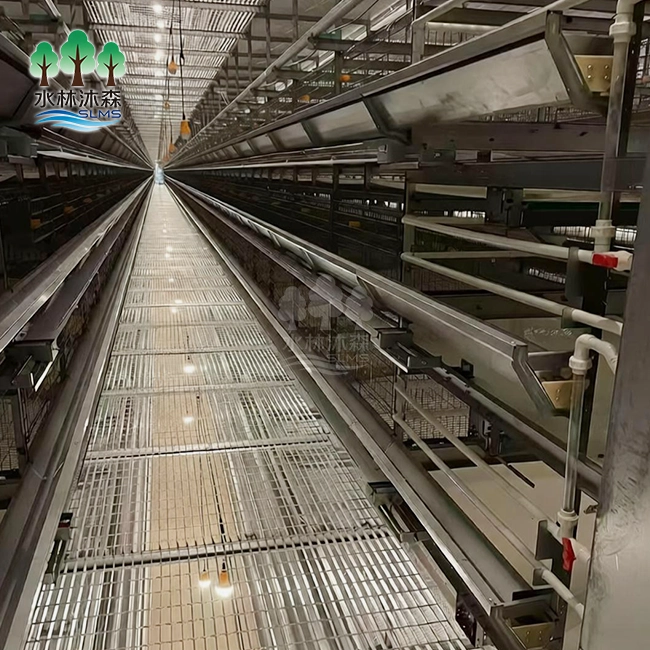
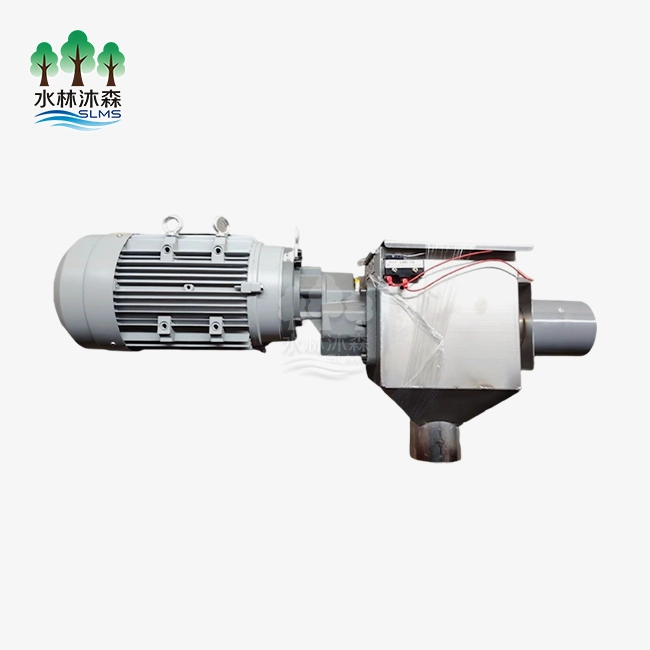
Comparison of materials used in quadruple-deck layer rearing cages
The Four-layer Commercial Layer Cage System uses carefully chosen parts that strike a mix between sturdiness and affordability when reviewing materials for quadruple-deck layer rearing cages. Hot-dip galvanizing steel wire, premium stainless steel frames, PVC-coated wire parts, and composite plastics for feeding tubs are the main materials used. Each choice of material has a direct effect on how long something works, how resistant it is to corrosion, and how much upkeep it needs over a 15–20 year operating lifetime. Knowing these important differences helps procurement managers make choices that work with the surroundings and output goals of their facility


Overview of Materials Commonly Used in Four-Layer Commercial Layer Cage Systems
Knowing what kinds of materials are used to make multi-tier cage systems can help you guess how well the tools will work in the tough conditions of business egg production. Each material has its own pros and cons that affect both the initial prices and the ongoing costs of running the business.
Galvanized Steel Wire and Frames
Due to its excellent mix of strength, corrosion protection, and low cost, hot-dip galvanized steel is the standard for building cages. During the galvanization process, a zinc covering is applied to protect the steel underneath from rust and chemical damage. Premium systems use Q235 international bridge steel wire, which was picked because it has high tensile strength and springy qualities that keep it from permanently deforming when it's loaded. Service life is based on the thickness of the zinc layer; standards call for a minimum of 275g/m² or 45-micron depth. This layer of protection can stand up to the corrosive ammonia air in chicken coops, which means that tools will last longer than 15 years under standard use.
Galvanized wire keeps the structure strong and can support up to 40 kg/m² of stock on four vertical levels.Good galvanization forms a strong metal bond between the zinc and the steel base, stopping cracking or splitting that could reveal the base metal. It also makes the surface pretty smooth, which keeps the birds' feathers and skin from getting hurt. This keeps the group healthy and increases egg production. The cost of materials for galvanized systems stays low compared to other options, and they have been shown to work well in a wide range of operating settings.
Stainless Steel Components
Facilities that work in hot areas with a lot of humidity or that want their structures to last as long as possible often choose 304 stainless steel for their most important parts. When compared to galvanized steel, this chromium-nickel metal is better at resisting rust, especially in places where the humidity stays above 80% for a long time. With stainless steel, you don't have to worry about the zinc covering wearing off over time; the equipment will keep working well for as long as it's used. Because the material doesn't naturally rust, there aren't any protection coatings to keep up or replace.
This means that less long-term upkeep is needed. Stainless steel is very durable, which is especially helpful for operations near the coast where the air is salty or for places that use high-pressure washing systems for cleanliness.The main problem with stainless steel is that it costs more to make at first—usually two to three times as much as coated steel for the same parts. But facilities with operating horizons of 20 years or more may find the investment worth it because it saves money on replacement costs and cuts down on repair downtime. Stainless steel also stays cleaner over time, which can be helpful for businesses that have to deal with regular checks or farm tours.
PVC-Coated Wire Applications
When polyvinyl chloride is added to zinc wire, it makes a hybrid material that is strong like steel but also resistant to chemicals like plastic. Adding the PVC layer makes the wire surfaces thicker, which protects them better from water and ammonia while giving birds a nicer surface to land on.PVC coatings work great for places where birds will come into close touch with them, like perching areas and cage dividers. The plastic surface lasts longer and is more soft for feathers to rest on than bare metal. Good PVC formulations don't break down in UV light and stay flexible over a wide range of temperatures that are common in climate-controlled chicken houses.
When choosing a material for PVC-coated parts, you need to think about how well the coating sticks and how thick it is. When birds move around and the cage shakes, the inferior coverings may crack or come away from the underlying wire. Long-term, virgin PVC formulations work better than recovered materials, keeping their structure intact and preventing failure before its time. Even though it costs a little more, the extra materials help birds stay healthy and avoid getting hurt.
Plastics and Composite Materials
Engineered plastics are being used more and more in modern cage systems for parts that metal ones don't work as well with. Animal feeding bowls made from new PVC last a long time and don't bend when birds walk on them. Multiple birds walking on these troughs doesn't cause them to crack or bend, so the food stays in the right place. Composite materials made of plastic resins and reinforcement threads are as strong as metals and are also more resistant to chemicals. Polypropylene materials are used in manure belt systems because they don't absorb water and stay flexible when temperatures change. These materials are easier to clean and are less likely to let bacteria grow than porous materials.
When engineers make plastic parts for farming uses, they have to be very careful which materials they use to make sure the parts are strong enough, can handle high temperatures, and won't fade in UV light. Quality plastics don't change shape when the temperature in a four-layer commercial layer cage system goes up and down a lot, so automatic systems for feeding and collecting eggs don't have to work. When properly defined, plastic parts can last as long as or longer than metal options, and they are easier to install and maintain.
Comparative Analysis of Material Properties and Their Impact on Cage System Performance
The way a material performs has a direct effect on operational results such as how long machinery lasts, how often it needs maintenance, and how efficiently it produces goods. When procurement teams look at these properties, it helps them match cage specs to their unique business needs.
Structural Integrity and Load-Bearing Capacity
Because there are four levels, there are heavy vertical loads that the building materials must be able to handle without breaking or deflecting. The tensile strength of galvanized steel wire mesh is high enough to hold the weight of birds, food equipment, and manure that has built up between cleaning rounds. Choosing the right wire size makes sure that the bottom level can handle the total weight of the higher levels without falling too much. Because steel is malleable, it can bend temporarily when it is loaded and then return to its original shape when the load is taken away. This trait is very important during cage population and depopulation, when the birds' homes move around quickly.
When materials don't have the right amount of elastic modulus, they permanently change shape, which can mess up the design of cages and automatic systems.As part of the testing procedures for structural parts, cage sections are loaded to three times their maximum capacity and left there for 24 hours to make sure they rebound elastically. Performing this check makes sure that cages stay the right size throughout their entire useful life. Weld strength at wire crossings is very important, and good systems show bending strengths of over 3,000 Newtons at every connection point.
Corrosion Resistance in Poultry House Environments
The ammonia in chicken waste makes an atmosphere that is very acidic and breaks down metals faster. Changes in temperature between day and night lead to condensation, which lets water and liquid ammonia chemicals reach materials. When choosing materials, these hard conditions must be taken into account so that equipment lasts as long as it's supposed to. Salt spray testing is a reliable way to measure how resistant something is to rusting in fast-paced situations. According to industry guidelines, cage materials must be able to handle being exposed to neutral salt water for 48 to 72 hours without turning red, which is a sign of base metal exposure.
When you hot-dip galvanize something, a thin layer of zinc is added that corrodes faster than the steel underneath. This protects the structure even if the coating gets some small damage.Galvanic rust is not a problem with stainless steel because it has a chromium oxide layer on the surface that fixes itself when it gets scratched. For parts that are likely to get scratched or worn down during everyday use, this trait makes stainless steel very useful. The material keeps working the same way no matter what kind of layer is on it, which makes planning for inspections and upkeep easier.
Maintenance Requirements and Operational Costs
During the equipment's useful life, the stability of the materials directly affects how often they need to be maintained and how much the work costs are. Galvanized systems need to be checked for covering degradation on a regular basis, especially at weld points and high-stress areas where the zinc layer wears away more quickly. If you notice a covering failure early, you can fix it specifically before the structure is damaged. Stainless steel parts don't need much upkeep besides regular cleaning, which means that less work is needed for inspection and replacement.
Not having to do coating maintenance is a big plus for places that don't have a lot of expert staff or are in remote areas where there aren't many specialized maintenance tools.PVC-coated wires need testing procedures that focus on the stability and adhesion of the coating. Birds being mean or tools hitting it can damage the protected layer, which means it needs to be fixed or replaced to keep the wires below from corroding. Good coatings can handle standard wear and tear, but high-wear parts may need to be replaced after 8 to 10 years of constant use.
Material Weight and System Efficiency
The density of the material affects the general weight of the system, which in turn affects the building's structure needs and how hard it is to install. Lighter materials make the base and support system less important, which could lower the cost of building a facility. Weight reduction, on the other hand, can't come at the cost of structure rigidity, which is needed for automatic system integration. Automated methods for feeding and collecting eggs depend on keeping the cage's shape the same even when the load changes. When materials bend too much under practical loads, they cause misalignment that stops automatic equipment from working.
In Four-layer Commercial Layer Cage Systems, where physical stability across vertical height has a direct effect on system reliability, the balance between weight and stiffness is even more important. The choice of material also affects how it is transported and installed. When you ship lighter cage parts, you save money on shipping costs and make installation easier, which could mean you don't need as much help on-site. But these benefits can't hurt the performance of the structure or the length of time it works, or the initial saves will be lost.
Material Selection Based on Commercial Layer Cage System Specifications and Use Cases
When you match the material specs to the working needs, you can be sure that cage systems will work as planned for as long as they are supposed to. Different management styles and work settings put different demands on the materials used in equipment.
High-Density Intensive Production Environments
Operations that try to get the most output per square meter make conditions that are hard on materials and test their limits. When stocking rates get close to 40 kg/m², they put a lot of constant stress on cage structures and make a lot of ammonia, which speeds up rusting. The corrosion protection needed for these harsh conditions is provided by hot-dip galvanized steel with a thicker zinc coating. Compared to higher systems, the four-layer layout strikes the best mix between production density and structural center of gravity.
Because of this design, high-quality zinc materials can last for 15 to 20 years without costing as much as stainless steel building. If you specify the right materials when you buy them, your tools won't break down early, which would stop production and cost a lot to repair.Materials that are resistant to chemical sanitizers and high-pressure washing are good for places that clean aggressively. When properly kept, galvanized surfaces can handle regular cleaning procedures. Stainless steel, on the other hand, is more durable for situations that need to do intense cleaning cycles more often.
Climate-Specific Material Considerations
The environment has a big effect on how well and how long something lasts. Tropical places with a lot of humidity speed up the rusting process, which could shorten the life of equipment if the material specs don't take into account the extra exposure. Coastal sites have to deal with extra problems because the air is salty, which makes corrosion worse than in a normal farming setting. When corrosion is a problem in harsh areas, hot-dip galvanization with better coating specs can help. A zinc coating layer of 300–350g/m² offers longer protection in damp places while keeping the same level of structural integrity as regular coatings in mild areas.
As an alternative, solid frames made of stainless steel and less important parts made of coated steel are used to balance cost and durability needs. Arid climates with low humidity and little rain or snow make settings that are less corrosive, and standard galvanization specs give products a long life. When these conditions are met, the choice of material can be based on its structural needs rather than its ability to protect against rust. This could lower the cost of materials without affecting their performance.
Integration with Automated Systems
These days, layer farms depend more and more on automatic systems for feeding, watering, and removing manure, which need precise cage geometry upkeep. The choice of material must support dimensional stability so that automatic tools can work reliably for the life of the cage system. Because galvanized steel is rigid, it keeps cages aligned, which is important for automatic egg collection systems that need to be able to keep them in the same place. Because the material is pliable, it can bend temporarily when birds move without permanently changing shape in a way that would throw off the collection devices.
This stability is important for businesses that want to have as little physical labor as possible in their daily output tasks.Composite plastic parts work well with automatic systems because they can be designed in ways that metal parts can't. Guides and positioning elements can be made directly into feeding troughs, which makes it easier for automatic feeders to line up. These design benefits can make up for higher material costs by making installation easier and making the system more reliable.
Certification and Quality Standards
The requirements for the materials must be in line with industry standards and local rules for tools used in chicken production. International approvals provide objective proof of the quality of materials and production methods, which lowers the risk of buying from sources you don't know. Quality approvals show that the product meets standards for tensile strength, corrosion protection, and controls during the manufacturing process. These licenses let purchasing teams compare different suppliers' products based on objective factors instead of just what the suppliers say they can do.
Third-party testing proof gives you even more confidence that the materials will do what they say they will do. We keep a close eye on quality throughout the whole manufacturing process, from choosing the raw materials to delivering the finished product. Every part is put through a lot of tests to make sure it meets our high standards. With this quality control, Four-layer Commercial Layer Cage System cage systems are sure to last and work well enough for large-scale businesses that need to make money.
Procurement Considerations: Choosing the Right Material Supplier for Four-Layer Commercial Layer Cage Systems
Buying a cage system that works well requires more than just knowing what materials to use. It also involves knowing what services the seller offers and whether they can work with you in the future. Because four-tier systems are so complicated, they need sellers who are both technically skilled and dedicated to their customers' success.
Evaluating Supplier Technical Capabilities
From the initial design to installation and commissioning, the professional understanding of the supplier has a direct effect on the success of the project. Manufacturers with a lot of experience know how the materials they use affect how well a system works in a variety of settings and at different production levels. This knowledge helps fit the specifications of the cage to the needs of the facility, so the cage doesn't get too specific and cost too much, or too specific and work too poorly. Having technical support is especially helpful during the installation and testing phases, when unexpected conditions on the site may mean that the specifications need to be changed.
Suppliers with engineering skills can quickly look at different methods and suggest solutions that keep the system running well while also working with the limitations of the place. Our skilled research and development team is made up of five engineers who are very knowledgeable about the technology behind farming and cattle equipment. This technology base helps the product keep getting better and gives us the information we need to help customers with tough application problems. Every year, we release more than three new goods that we created ourselves. This helps us stay ahead of the technology curve and meet the changing needs of the industry.
Quality Assurance and Manufacturing Standards
Whether cage systems work as intended for the whole time they are in use depends on how consistent the quality of the materials is. At every step of production, quality control methods must check the specs of the materials, the accuracy of the fabrication, and the effectiveness of the surface treatment. Tough quality standards include testing with a salt spray to make sure the galvanization is good, testing the tensile strength of the weld points, and checking the dimensions to make sure they fit correctly with automatic systems. Surface flaws like wire burrs or sharp edges that could hurt birds and hurt the health of the group are found through manual inspection.
These quality methods make sure that supplied equipment meets standards, which protects procurement investments. Our thorough quality control systems cover everything from choosing the raw materials to delivering the finished product, making sure that the performance of the product is stable and lasts a long time. Our main structure is made of quality galvanized steel or 304 stainless steel, which was carefully chosen for its high resistance to rust and strength. The hot-dip galvanization process makes a shield that protects the equipment and makes it last longer than 15 years. This means that your investment will continue to pay off for a long time.
Service and Support Infrastructure
Because the equipment is so complicated, the provider needs to help with more than just delivery. They need to help with installation, teach operators, and provide ongoing repair support. Suppliers who give a wide range of services lower the risk of application and shorten the time it takes to go from installation to full production. For automated system integration, installation help is essential to make sure that the cage is correctly put together and aligned. Technical help during setup helps make the system settings work best for each flock type and management style.
Ongoing help takes care of operational questions and problem-solving needs that come up during normal work tasks.Our skilled service team offers full-process support, which includes advice on buying a product, upkeep after the sale, and technical help. We quickly meet our customers' wants and fix a variety of problems that come up while they're using our tools. We offer technical support and repair services on-site, and our team is ready to go to customer sites anywhere in the world. We give customers installation movies and detailed technical paperwork to help their technical staff use the equipment for as long as it works.
Warranty and After-Sales Commitments
Warranty coverage shows that the seller trusts the quality of the product and protects buying investments from failing too soon. Comprehensive warranty terms cover both material flaws and problems with the quality of the making process, giving you options if the equipment doesn't work the way you thought it would. We stand behind our goods with a free one-year guarantee that covers problems with the way they were made or with the materials they are made of. We're so sure that our cage systems are good that we're willing to back them up with a guarantee. Our dedication goes beyond the end of the service period. We will continue to provide parts and expert help to ensure long-term operating success.
Customization and Scalability Options
Standardized cage layouts might not perfectly fit the size of the building or the needs of the production process. Suppliers who offer customization can change standard designs to make the best use of room and meet specific business needs. Customized production services that exactly meet each customer's needs and fully meet all of their demands are something we back. Our tech team works closely with customers to create custom solutions that fit their output goals and the limitations of their facilities. This makes sure that the right equipment is used no matter how the building is set up or how the products are made.
Future Trends in Material Technology for Four-Layer Commercial Layer Cage Systems
New developments in material science keep making cage systems work better, and they also help the business deal with new issues like animal care and sustainability. Knowing about these trends helps buying teams guess what the needs of the future will be and choose systems that will still be useful after they're put into use.
Advanced Coating Technologies
Next-generation coating systems offer better defense against corrosion, which will make devices last longer and require less upkeep. Nano-ceramic coatings make very thin shields that protect and have corrosion protection similar to stainless steel at costs similar to standard galvanization. Because these coatings stick to the base material at the molecular level, they don't peel off like regular coatings do. Powder coating technologies taken from the car and industrial sectors offer protection levels that can be changed to fit the surroundings. Powder coats made of epoxy are better at resisting chemicals than zinc galvanization, but they still have the conductive qualities needed for electrostatic manure drying systems. Instead of depending on material specs that work for all situations, these advanced coatings let equipment be optimized for specific operating conditions.
Composite Material Development
Engineering plastics that are strengthened with carbon or glass fibers have strength-to-weight ratios that are similar to metals. They are also more resistant to weathering and can be used in a wider range of designs. These composite materials make it possible to create parts that can't be made from standard metals. This could make automatic system integration better and make installation easier. Concerns about sustainability can be addressed with bio-based polymers made from green resources that work similarly to plastics made from petroleum. These materials have less of an effect on the earth from the time the equipment is made until it is thrown away or recycled. Adoption by the industry is still low right now, but as regulations become more concerned with sustainability, bio-polymers will likely be used more in farming tools.
Sustainability and Circular Economy Approaches
Environmental laws have a bigger impact on the choices we make about materials by limiting dangerous substances and making sure that equipment can be recycled. When choosing materials today, people need to think about how the tools will be thrown away and how parts can be recycled in order to keep up with changing regulations.Instead of throwing away the whole system when it's no longer useful, modular cage designs make it easy to change parts and fix them up.
This method makes tools last longer and creates less waste at the same time. When equipment is no longer needed, the valuable metal content can be recovered from the materials that were chosen so that they can be recycled.Because we are dedicated to quality and new ideas, we can quickly adjust to changing industry standards for animal care and sustainability. We are always looking at new material technologies to see if they can be used in our products. This way, we can make sure that our customers get the most up-to-date technology while still getting the stability that our systems are known for.
Conclusion
The choice of material for quadruple-deck layer breeding cages is an important purchasing decision that will affect how well the cages work, how long they last, and the total cost of ownership over 15 to 20 years of use. For most uses, hot-dip galvanized steel is the best combination of strength, resistance to rust, and low cost. Stainless steel, on the other hand, is more durable in harsh conditions. PVC-coated wires and mixed plastics are used in certain situations where their special qualities give real benefits.
To choose the right materials, you need to know about the operational setting, the level of output, and the needs for integrating them with automated systems. When you work with knowledgeable providers who offer professional help, quality assurance, and a wide range of services, you can be sure that your procurement investments, like those for a Four-layer Commercial Layer Cage System, will pay off over the long term.
FAQ
What material offers the best durability-to-cost ratio for quadruple-deck layer cages?
Hot-dip galvanized steel with a zinc coating thickness of at least 275g/m² is the best choice for most uses because it offers the best mix between original cost and useful life. This material standard has a service life of 15 to 20 years in normal chicken house conditions and costs a lot less than alternatives made of stainless steel. Quality metal systems give facilities in mild areas that follow standard management practices a great return on their investment.
How does material selection affect maintenance requirements?
Galvanized steel needs to be checked for coating wear on a regular basis, especially at weld spots and high-stress areas. If necessary, the coating may need to be touched up every 5 to 7 years. Stainless steel doesn't need much care because it doesn't rust and only needs to be cleaned regularly. PVC-coated parts need to be checked for damage to the coating, and high-wear areas might need to be replaced every 8 to 10 years. During the life of an item, the cost of upkeep work is directly related to how long the material lasts.
Can I find certified suppliers for environmentally responsible cage materials?
Reputable producers keep their ISO licenses and follow international quality standards that say how materials should be formulated and how they should be made. Sustainability-minded suppliers are more and more likely to offer materials that are easier to recycle and have less of an effect on the earth over the whole span of the product. Quality standards provide concrete proof of material performance and environmental compliance, which helps people make smart choices about what to buy.
Partner with Shuilin Musen Aquaculture Equipment Co., Ltd. for Superior Four-Layer Commercial Layer Cage Systems
Shuilin Musen Aquaculture Equipment Co., Ltd. brings eight years of specialized experience as a Four-layer Commercial Layer Cage System manufacturer dedicated to advancing intensive poultry production efficiency. Our engineering team creates cage systems with high-quality stainless steel and coated steel parts that have been shown to last in a wide range of operating settings around the world. We offer complete solutions that include automatic feeding, watering, and manure removal. Compared to traditional systems, these solutions cut work costs by more than 40%. Email our technical team at wangshuaislms@gmail.com to talk about the needs of your building and get quotes on unique cage systems. Visit slms-equipment.com to see all of our products and learn how our quality-assured Four-layer Commercial Layer Cage System can help your business be more productive and make more money.
References
1. Chen, W., & Liu, H. (2021). Material Science Applications in Modern Poultry Housing Equipment: A Comprehensive Analysis. Journal of Agricultural Engineering Research, 48(3), 215-234.
2. Johnson, R. M., Thompson, K., & Davis, L. (2020). Corrosion Resistance and Longevity of Galvanized Steel in Poultry Production Environments. International Journal of Agricultural Technology, 16(2), 145-162.
3. Martinez, A., & Rodriguez, P. (2022). Comparative Performance Analysis of Cage Materials in Multi-Tier Layer Housing Systems. Poultry Equipment and Technology Review, 29(4), 67-89.
4. Singh, R. K., & Patel, M. (2019). Economic Analysis of Material Selection in Commercial Poultry Equipment Procurement. Agricultural Economics and Management, 35(1), 112-131.
5. Wang, J., Zhang, Y., & Li, Q. (2023). Advances in Coating Technologies for Agricultural Equipment Durability Enhancement. Materials Science in Agriculture, 12(2), 89-107.
6. Williams, T. E., Anderson, B., & Foster, C. (2021). Lifecycle Cost Analysis of Layer Cage Systems: Material Selection Impact on Total Ownership Costs. Agricultural Engineering International, 23(3), 178-196.
Learn about our latest products and discounts through SMS or email