Do cooling pads really work?
In fact, Poultry House Cooling Pads do lower the temperature in places where chickens live. Through adiabatic cooling, a Poultry House Cooling Pad can lower the air temperature by 5 to 8°C when it is dry. This happens when it is placed and kept up properly. This technology solves the important problem of heat stress in broilers, layers, and other types of chickens by increasing feed conversion ratios, lowering death rates, and keeping egg output steady during summer peak times. How well it works depends on how well it is sized, how well the water flows, and how well it works with negative pressure ventilation systems.


Understanding Poultry House Cooling Pads and Their Effectiveness
What Are Evaporative Cooling Pads?
Poultry House Cooling Pads are a unique way to control the temperature that was designed to work best in large animal businesses. These pads are different from regular air filters because they use the physics of water evaporation to cool the air before it goes into chicken homes. The main structure is made up of cellulose kraft paper that has been cross-linked with chemical resins, usually melamine or phenolic compounds. The paper is then arranged in a corrugated design to make the most surface area touch with air moving through it.
Phase change physics is the basic idea behind how it works. When hot, dry air moves through the water-filled medium, thermal energy changes the liquid water into mist. This absorbs sensible heat and makes the air cooler and more humid. This process naturally drops the temperature of dry bulbs without using refrigeration, so it is good for big agricultural sites that want to save energy.
How Evaporative Cooling Technology Works?
The method works because three main parts work together in an organized way. The cooling medium is made of carefully layered paper that has the most surface area so that water and air can touch each other the best. A strong frame made of aluminum alloy or stainless steel keeps the structure together and stops rust from constant contact with water. Through pump-driven delivery networks, the water drainage system keeps the pads saturated all the time.
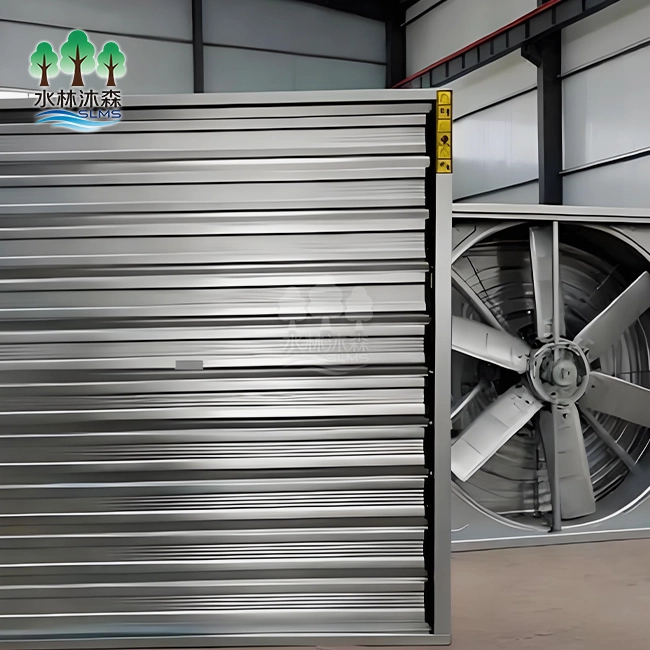
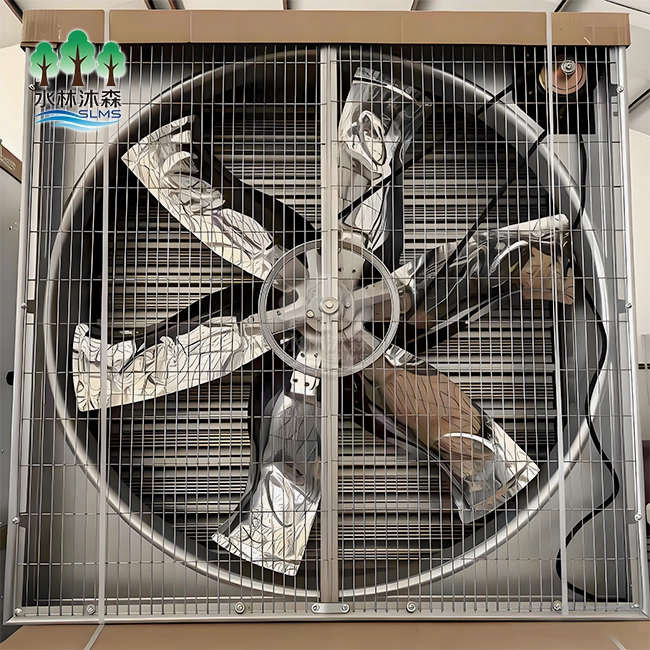
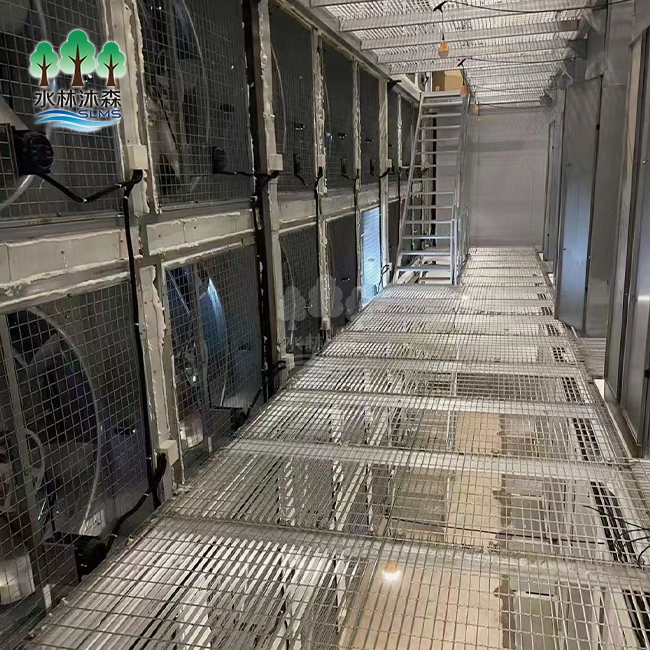
When exhaust fans are built into tunnel ventilation systems, they create negative pressure that forces air from outside the tube through the wet pads. As soon as air molecules give energy to water molecules, the temperature drops right away. This is called evaporation. The cool air then moves along the length of the chicken house, keeping the temperature and humidity the same throughout the whole building.
Key Performance Factors
Several technical factors affect how well cooling works. The thickness of the pad directly affects the touch time between air and wet media. Our Model 7090 standard comes in two thicknesses, 15cm and 20cm, to meet the needs of different airflow requirements. The corrugated shape, which usually has a 7mm wave height and 90-degree board orientation, strikes a balance between keeping water in and stopping air flow.
Material quality has a big effect on how long something lasts and how well it works. Mineral layers, algae growth, and repeated wetting cycles can't break down high-molecular-weight cross-linked polyethylene. If you take good care of them, good pads will keep their shape for three to five years, but cheap ones may fall apart or delaminate in just one season.
How well the pad stays wet during use is determined by its water absorption ability. Natural absorption heights of 60–70mm are reached by premium cellulose media in five minutes and 200mm in 1.5 hours. This means that cooling performance stays the same even during times of high demand. Low airflow resistance lowers static pressure drop, which makes exhaust fans work less hard and uses less energy overall.
Proven Benefits in Commercial Operations
The most obvious benefit is that it helps control the temperature. Keeping the temperature below 26°C stops the physiological stress reaction in chickens, which shows up as less feed intake, respiratory alkalosis, and less work output. When temperatures stay in the right ranges, broiler companies report better average daily gain and feed conversion rates.
Getting rid of heat stress has direct cash effects. Layer farms that use evaporative cooling systems keep producing eggs steadily all summer long, without the yearly drops that happen at farms that don't use cooling systems. The quality of eggshells stays the same, which lowers the number of downgrades and raises their marketability.
In addition to controlling temperature, these systems also clean the air, which is an additional benefit. When air moves through wet media, it traps dust, pollen, and other floating pollutants. This makes the air inside chicken houses cleaner. This lower level of particulate matter lowers the risk of lung diseases, which lowers the cost of medications and improves the health of the group as a whole. Evaporative cooling is an important part of modern chicken production because it makes things run more smoothly when thousands of birds are used together.
Comparing Cooling Pads with Alternative Poultry Cooling Systems
Evaporative Pads Versus Fan-Only Systems
Fan systems move air around, but they don't actively cool the air. The wind-chill effect helps birds get rid of body heat when air speed goes up, but this method doesn't work when temperatures outside of 32°C. As temperature and humidity rise, the feeling of cooler air fades quickly. This makes birds more likely to get heat stress.
This problem is fixed by Poultry House Cooling Pads, which lower the temperature of the air before it flows through the system. Instead of just moving air, combined pad-and-fan devices lower temperatures in a way that can be measured. Energy efficiency tests show that evaporative systems are more energy efficient than high-velocity fan arrays that try to make up for poor cooling. This is because fans going at lower speeds through properly sized cooling pads use less power.
Operational cost research reveals big benefits. Facilities that switched from fan-only setups to combined evaporative systems say that their labor costs dropped by more than 40%. This was mostly due to less mortality control, fewer medical treatments, and more stable production outputs. The initial investment in pad infrastructure usually pays for itself in two production cycles, thanks to better performance measures.
Evaporative Cooling Pads Versus Misting Systems
Equipment for fogging and misting atomizes water straight into the air stream, making tiny drops that evaporate before they reach birds. While these methods work well in some situations, they are hard to run in others. If trash doesn't dry completely, it can become wet, which encourages the production of ammonia and the growth of pathogens. For fine atomization, high-pressure pumps are needed, which raises the cost of energy and upkeep.
These worries are taken away by Poultry House Cooling Pads because controlled evaporation happens inside the pad media. Birds never come into touch with water drops, which keeps the whole building dry. There is no longer any chance that germs will be spread through aerosolized water, which makes protection better.
Climate suitability differs between technologies. Misting devices work well in places with low humidity, but they stop working as well as the humidity rises. Even though evaporative pads work just as well in low humidity as they do in high humidity, they work best in dry areas. The form of the chicken house affects the choice. Pad systems placed at air intakes work best in tunnel-ventilated facilities, while cross-ventilated barns may use a mix of both technologies in different areas.
Selecting the Right Cooling Solution
To choose the right system, you need to look at certain operating factors. The size of the chicken house determines how much pad surface area is needed. As a general rule, one square meter of pad surface can cool about 3,000 cubic meters of air per hour. Depending on the weather and the length of the house, facilities with 20,000 broilers usually need 40 to 60 square meters of Poultry House Cooling Pads.
Differences in materials affect how well they work in different situations. For normal business use, cellulose-based pads are the most cost-effective and efficient way to cool things down. When the water is high in minerals, synthetic options last longer, but they cost more at first. Organic certification programs like natural fiber pads, but they need to be replaced more often.
When making purchases, decisions should take into account how well they will work with current systems. When adding Poultry House Cooling Pads to older buildings, it's important to carefully check the building's structure strength, water supply, and electricity availability. Frames made of aluminum alloy or 304 stainless steel in modern designs go well with most types of building and can be made in any size to fit any wall layout. A professional opinion can help you avoid common mistakes that hurt system performance, like not having enough water flow, drainage, or fan-to-pad ratios that aren't right.
Installation, Maintenance, and Troubleshooting for Optimal Cooling Pad Performance
Step-by-Step Installation Guide
A well-prepared spot is the first step to a successful installation. The mounting wall needs to be strengthened so that it can hold the weight of the frames, wet pads, and water delivery parts. Level surfaces make sure that the water is spread out evenly across the whole height of the pad, which stops dry spots that make cooling less effective.
Assembling the frame exactly as the maker says to do it. Our systems are made up of separate modules that can be put together and joined in any way to fit any wall size. Corrosion resistance is important for long-term longevity, and aluminum alloy or stainless steel structure gives you that. Securing the fixing clamps at the recommended intervals keeps them from sagging or moving while they're being used.
To get even soaking, water distribution work needs to be done with great care. Controlled flow rates, usually 4 to 6 liters per minute per linear meter of pad width, are provided by perforated distribution lines that are placed above the Poultry House Cooling Pads. Filtration and sump tanks in recirculation systems keep the system from getting clogged by dirt or organic growth. The right slope in gathering tubs lets all the water drain out, so there is no standing water where algae can grow.
Water pumps, controls, and building management systems can all talk to each other through electrical connection. Automatic settings change how the pump works based on temperature monitors, only cooling when it's needed to save water and energy. For safety reasons, all electrical parts that come into contact with water must have ground fault protection. Our technical team makes detailed video guides that go over every step of the installation process. We also offer on-site installation services to make sure that important apps are set up correctly.
Routine Maintenance Protocols
Maintenance programs that work are built around regular cleaning plans. Visual checks once a week find mineral scale buildup, algae growth, or damage that needs fixing. High-pressure washing once a month gets rid of dust and dirt that gets stuck in the metal structure, keeping as much surface area as possible open for drying.
For seasonal deep cleaning, the machine has to be taken apart so that the pads can be inspected carefully and, if needed, treated with chemicals. Mild acid solutions break down calcium carbonate crystals without hurting the cellulose fibers, which makes the material able to absorb water again. Using anti-algae solutions during reassembly stops biological fouling all through the working season.
The focus of component wear testing is on water distribution systems and frame stability. Uneven saturation patterns are caused by clogged distribution holes. Clearing these gaps keeps the cooling performance regular. Frame screws need to be tightened every so often because changes in temperature can make links loosen over time. Pump seals and bearings need to be replaced at the manufacturer's recommended times to avoid breakdowns during peak cooling demand.
Taking care of water quality has a big effect on how long Poultry House Cooling Pads last. When water comes in, it filters out suspended solids that build up in pad media. Total dissolved solids monitoring leads bleed-off plans, keeping minerals from building up, which speeds up the formation of scale. These preventative steps make the pads last longer, up to three to five years, which maximizes the return on investment.
Troubleshooting Common Issues
Less effective cooling is usually caused by not enough water saturation. Most efficiency drops can be fixed by making sure the pump works, the distribution pipes are intact, and the flow rates are correct. Dry spots on pad surfaces mean that water supply holes are blocked or there isn't enough water flow, which needs to be fixed right away.
Mold and mold growth means that there is too much moisture in the air between rounds of operation. By improving drainage, you get rid of standing water that makes it easy for fungi to grow. Running exhaust fans for a short time after turning off the water pumps speeds up pad drying and stops biological growth without the need for chemical treatments.
Leaking air around the edges of the frame skips the cooling process, which makes the whole system less effective. Filling in holes with weatherproof foam or glue returns negative pressure, which forces all new air through the wet media. Keeping an eye on the differences in static pressure between the inside and outside helps find leaks that need to be fixed.
Making the Right Procurement Decisions for Poultry Cooling Pads
Evaluating Material Quality and Durability
Material makeup verification should be a top priority in the procurement specs. High-quality cellulose kraft paper with a weight of 100-105gsm that has been treated with spatial cross-linking technology works better than options that have not been treated. Wet strength preservation and resistance to biological breakdown depend on the resin treatment, such as melamine or phenolic.
Equal attention should be paid to frame building. Aluminum alloy frames are good for most industrial uses because they don't rust and don't cost too much. Buildings near the coast or in places with water that is very acidic are better made of 304 stainless steel, which lasts longer even though it costs more at first. Customization choices let you fit the frame's specs to the challenges of your surroundings.
Eco-friendliness is becoming a bigger factor in buying choices. Poultry House Cooling Pads that come from sustainable forests meet standards for environmental duty while still performing well. Composting is a cycle economy-friendly way to get rid of things that have reached the end of their useful life. This is especially important for businesses that want to get sustainability certifications.
Compatibility with current systems needs to be carefully thought out when making a purchase. Our Model 7090 standard allows for fully changeable length and width measurements, making sure that it fits in perfectly no matter how the building is set up. Modular designs make it easier to add on in the future—adding cooling capacity as production grows only needs more pad units, not a whole new system design.
Cost Analysis and Long-Term Value
The costs of the initial installation include buying tools, making changes to the structure, buying water system parts, and hiring workers. These investments in capital should be included in a full cost model along with expected operating costs. Water pumps still use a small amount of energy—typical systems use 2 to 4 kilowatts, which is a lot less than mechanical cooling options.
The cost of water varies by area, but it's usually a very small part of running a business. During active cooling, a 40-square-meter Poultry House Cooling Pad system uses about 400 to 600 liters of water per hour. This means that yearly water costs are well below the economic value of better crop results. In places where water is scarce or energy rates are high, you might need to do an extra cost-benefit analysis. However, the efficiency gains usually make the resource use worth it.
For businesses with multiple locations or equipment dealers, the benefits of buying in bulk become important. Discounts for buying in bulk, combined shipping, and common specs all lower the cost per unit and make managing inventory easier. Our wide range of products includes many different models and specs, so customers can get all the answers they need from a single provider.
Warranty service saves the money you spend on equipment. Our normal 1-year free guarantee covers problems with the way the product was made and parts that break too soon. This gives you peace of mind during the important first few months of use. Buyers who don't want to take risks and want extra safety for long-term assets should look into extended warranty choices.
Identifying Reliable Suppliers
When judging a supplier, the criteria should put an emphasis on both product quality and expert help. Companies that give installation guides, on-site setup help, and quick troubleshooting support are more valuable than companies that only sell tools. Because we've been working with farm and cattle equipment for eight years, we know how to help customers avoid problems during installation.
Industry approvals back up boasts about the quality of a product. Using ISO quality control systems in factories shows that they are committed to consistent output standards. Documentation from product testing that confirms performance standards is objective proof that helps procurement choices.
Top-tier sellers stand out by providing excellent customer service. Quick answers to technical questions, the ability to make changes, and the ability to work together to create solutions all encourage partnerships rather than business relationships. Buyers profit when they work with providers who take the time to understand their customers' specific operational situations and make suggestions based on that knowledge.
Conclusion
Evaporative Poultry House Cooling Pads have been shown to lower temperatures and help business poultry farms deal with heat stress. Simple science and designed materials are used together in this technology to make reliable, energy-efficient cooling that works with negative pressure ventilation. Performance rests on how well the system is designed, what parts are used, and how often it is maintained. To get the best return on your investment, you should know the benefits compared to other cooling methods, follow best practices for installation, and do preventative maintenance as directed. Long-term success in keeping the best conditions for productive poultry businesses depends on working with experienced suppliers who offer expert help, the ability to make changes, and quick service.
FAQ
Q1: How effective are cooling pads at reducing heat stress in poultry?
A: When evaporative cooling systems are set up correctly, they keep temperatures in the thermoneutral zone for poultry, which greatly reduces heat stress. Temperature drops of 5 to 8°C can make the difference between stressed and comfortable conditions. This directly improves feed conversion rates, lowers mortality, and keeps egg production stable. Effectiveness rests on the right size, the right way to distribute the water, and the right amount of air.
Q2: How often should cooling pads be cleaned and replaced?
A: Visual checks once a week and cleaning once a month keep things running at their best during all working seasons. Every year, during the off-seasons, deep cleaning takes place. Depending on the water quality, care habits, and how often the Poultry House Cooling Pad is used, it is usually time to change it every three to five years. Checking how well the cooling is working determines when to replace the pads—if they show lower temperature drops even though they are fully saturated, they need to be replaced.
Q3: Can cooling pads integrate with existing ventilation systems?
A: Modern designs for Poultry House Cooling Pads make them easy to add to most tunnel-ventilated buildings. The compatibility review checks the structure's strength, the water supply, and the fan-to-pad ratios. Our frame sizes can be changed to fit any wall arrangement, and our flexible designs let you put them up in stages. Professional installation services make sure that the new system fits in perfectly and doesn't cause too much trouble for current operations. During the whole process, they provide clear technical advice.
Partner with a Trusted Poultry Cooling Pad Manufacturer
To choose the best evaporative cooling option, you need more than just product specs. You also need a supplier partner who cares about the success of your business. Weifang Shuilin Musen Aquaculture Equipment Co., Ltd. has been in business for eight years and has a wide range of service skills, including research and development, sales, professional help, and care after the sale. Our Model 7090 Poultry House Cooling Pads have frames that won't rust, media that absorbs a lot of moisture, low resistance to air flow, and a longer service life that's backed by a 1-year guarantee.
Whether you are in charge of a building with 10,000 birds or multiple sites with more than 100,000 birds, our tech team creates solutions that are tailored to your needs. You can email us at wangshuaislms@gmail.com to talk about your cooling problems, get detailed specs, or set up an on-site meeting. Visit slms-equipment.com to see all of our products and learn how good equipment can make chicken production more efficient.
References
1. Czarick, M., & Lacy, M. (2018). Tunnel Ventilation Design for Modern Broiler Production. University of Georgia Cooperative Extension Bulletin 1330.
2. Xin, H., Berry, I. L., & Tabler, G. T. (2017). Evaporative Cooling Pad Performance in Commercial Poultry Houses. Transactions of the ASABE, 60(4), 1245-1253.
3. Donald, J. (2019). Environmental Management in Intensive Poultry Production: Cooling Systems and Heat Stress Mitigation. Poultry Science Association Monograph Series.
4. Liang, Y., Tabler, G. T., & Branton, S. L. (2020). Comparative Analysis of Cooling Technologies in Layer Housing Systems. Applied Engineering in Agriculture, 36(2), 187-195.
5. Gates, R. S., Casey, K. D., & Xin, H. (2016). Ventilation Effectiveness and Evaporative Cooling in Livestock Housing. American Society of Agricultural and Biological Engineers Standards.
6. Purswell, J. L., Dozier, W. A., & Branton, S. L. (2021). Pad Material Characteristics and Their Impact on Evaporative Cooling Efficiency. Journal of Applied Poultry Research, 30(1), 100-108.
Learn about our latest products and discounts through SMS or email