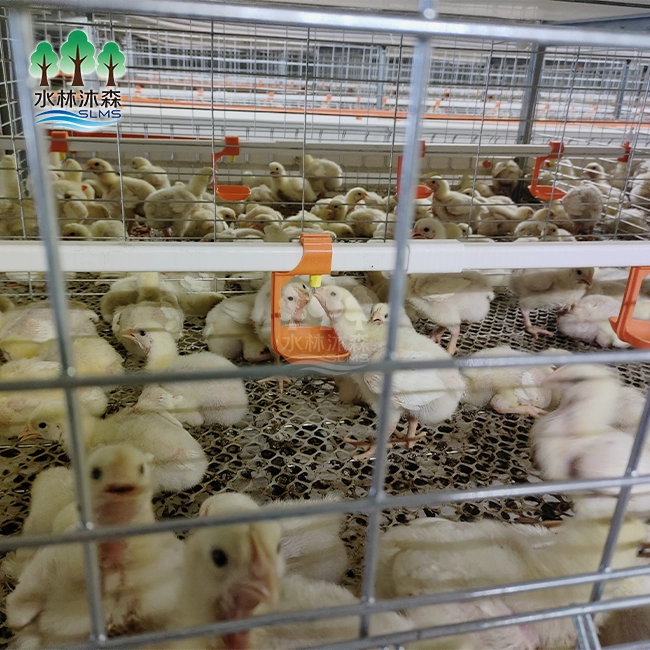
Affordable chicken feed pans with good reviews
If you're in charge of a big poultry business, choosing cheap chicken feed pan with good reviews is a smart investment that has a direct effect on your bottom line. A well-made chicken feed pan has secure grille systems that keep feed from going to waste, makes sure that your flock gets the same amount of food, and can handle the rough conditions of professional poultry houses. By picking equipment that is both cheap and long-lasting, you can lower your long-term operating costs while still meeting hygiene standards. The best feed conversion rates can be reached with the right feeding system, which also makes daily management jobs easier for broiler, layer, and breeder farms.


Understanding Chicken Feed Pans and Their Importance
Poultry feeding equipment is an important part of running a farm well, and knowing what the role of feed distribution systems is helps buying teams make smart choices. Chicken feed pan are specialized parts that are made to provide nutrition efficiently while also dealing with problems that often come up in dense farming settings.
What Are Chicken Feed Pans and How Do They Work?
A chicken feed pan is the final place where food is distributed in automated feeding systems. It connects to auger lines or manual feeding sets to make sure that the chickens always have access to food. These circular or multi-compartment units let many birds eat at once without being crowded, which helps keep the group regular. The design usually has a center feed tube that spreads pellets or mash evenly across the sections. Birds can't get into the chicken feed pan itself because of protective grilles. This set-up keeps feed fresh longer than open trough systems and lowers the risk of contamination.
Modern chicken feed pan have bottoms that can be taken off and heights that can be changed to fit different stages of growth. The modular design makes it possible to connect to current equipment without making a lot of changes. Whether they are used in floor-based broiler houses or cage-free layer farms, these feeding machines keep cleanliness standards high and make feed easier to get to for the birds.
Core Materials Used in Feed Pan Manufacturing
The choice of material has a direct effect on both the price and the expected lifespan of the product. Polypropylene (PP) and polyethylene (PE) are the two most popular types of plastic used to make chicken feed pan. PP is better at resisting chemicals like ammonia and cleaning agents that are often used in chicken coops. This makes it a good choice for tasks that need to last for a long time. PE does a good job at a low cost, and it works well for businesses with modest environmental needs.
Metal options, especially galvanized steel and stainless steel, last a very long time in harsh circumstances. Options that are galvanized don't rust and can handle heavy feed loads, but they usually cost more at first. Even though they are more expensive, stainless steel types don't rust and make cleaning easier in biosecure sites.
Some companies now make products out of recovered plastic, which is good for the environment and saves money. These options are good for businesses that want to show they are environmentally friendly, but performance testing is still needed to make sure the chicken feed pan will hold up under constant use.
How Feed Pans Address Common Poultry Feeding Challenges?
In chicken farms, feed waste is a constant problem because badly designed systems let birds rake feed onto litter, where it gets dirty and can't be used. Good chicken feed pan designs have anti-waste lips and inwardly curved sides that keep feed in areas that can be reached. Studies done at business sites have shown that switching from open troughs to properly designed chicken feed pan systems cuts trash by 8–12%. This means big saves in costs during feeding rounds, especially since feed costs make up 60 to 70% of all production costs in broiler farms.
Another big worry is that droppings and litter can make things dirty, especially in places that are trying to get antibiotic-free approval. Chicken feed pan systems with safety grilles make physical hurdles that keep birds from standing in feed, keeping the lines clean between cleanings. The raised design keeps the feed away from dirty floors, which follows food safety rules and cuts down on disease-carrying insects.
Uneven spread of feed can cause competition stress, which can make flocks less uniform and lower their total performance. Multi-compartment chicken feed pan designs give birds access from all angles, so they can eat without having to deal with birds in the group that are in charge. This behavioral factor has a direct effect on the market-ready regularity rates and the efficiency of feed conversion.
Top Affordable Chicken Feed Pans with Good Reviews in 2026
To buy things on a budget, you have to weigh the costs up front against the value they will provide in the long run. A number of makers have built strong reputations in the industry by providing reliable products at reasonable prices. Medium- to large-scale businesses should think about these brands.
Selection Criteria for Cost-Effective Feeding Solutions
When judging chicken feed pan, you need to look at more than just the price. You need to look at specific performance measures as well. Capacity matching is very important—systems must match group size and feeding regularity to avoid feed shortages or too much extra feed. In broiler operations, a 14-compartment plan usually works well for 50 to 70 birds. In layer operations, ratios may need to be changed based on limit feeding programs.
The expected lifespan of a material is directly related to its thickness. Plastic chicken feed pan with walls thinner than 3 mm usually crack within 18 to 24 months when used in a business setting. Plastic chicken feed pan with walls thicker than 4 to 5 mm usually last longer than five years. By asking for samples, you can look at the quality of the manufacturing process and see things like injection molding accuracy and structure reinforcement quality that pictures can't show.
System-wide upgrades are expensive, but they aren't necessary if the new system works with the old one. During the evaluation process, checking the auger tube width to make sure it works with the suspension system, as well as the electrical link needs, can save a lot of money on installation costs. Suppliers with flexible installation systems make it easier to update facilities for birds of different ages.
Comparing Leading Affordable Options Under $50
The market has a number of tried-and-true choices that meet business performance standards at prices that won't break the bank. Our 8-compartment chicken feed pan works well for smaller coops and separate eating areas because each compartment can hold 4 to 6 birds at a time. The safe grille system keeps food from spilling during busy feeding times, and the removable base makes cleaning easier. When you buy more than 100 units at once, the price per unit goes up to around $28 to $35, based on the material you choose and how you want it customized.
Our 14-compartment chicken feed pan is good for medium-sized businesses because it combines the number of compartments with the amount of floor room they need. The center feed tube spreads pellets or mash evenly across all compartments, making sure that all birds can get to the food, no matter where they are. This type has fixing latches that keep the base in place during times of high activity, so it doesn't come off by chance. When purchasing 200 or more units, teams usually get prices between $38 and $45 per unit. For those who sign an annual supply deal, they can get even bigger savings.
When large business facilities use our 16-compartment chicken feed pan, they get the most birds per feeding point, which means they need fewer installations per house. The larger section layout can hold 80 to 100 birds per unit in broiler operations, making daily checks more efficient. Protective grilles go out further to keep feed contained at higher activity levels that are typical of industrial numbers. When you buy more than 500 units, the price drops below $48 per unit. This makes this option a good choice for new building projects and full-house retrofits.
Material and Durability Considerations
Plastic choices are most popular in the affordable market because they offer good value for money. Virgin PP formulas are better at resisting ammonia breakdown than recovered options. They also keep their structural integrity over many production cycles. Because the material is naturally flexible, impacts don't cause catastrophic fails. Instead, they leave stress markings that can be used to repair the chicken feed pan before it breaks completely.
PE versions are easier for farm workers to handle because they are smaller and easier to install and maintain. The slightly lower chemical resistance works well for businesses that follow strict cleaning plans and use modest amounts of ammonia. PE chicken feed pan are usually priced 15 to 20 percent less than similar PP units. This makes them appealing for startups with limited funds and regional wholesalers that serve price-conscious markets.
Metal choices that aren't too expensive are usually made of galvanized steel instead of stainless steel. These units work especially well in situations where harsh cleaning methods break down plastic over time. More weight makes the chicken feed pan more stable in areas with a lot of traffic, but it also needs better suspension systems. Because galvanization quality changes a lot from source to seller, it's important to look at corrosion warranties.
How to Choose the Best Affordable Chicken Feed Pan for Your Business?
To choose strategic tools, you need to make sure that the technical specs match up with how things actually work. Instead of buying things based on price alone, which can lead to bad performance or failure before they're even supposed to, purchasing choices should be based on a thorough evaluation.
Determining Capacity and Size Requirements
To figure out the right chicken feed pan capacity, you must first make correct predictions about the flock size and the structure of the feeding program. When broiler farms use ad libitum feeding programs, they need to use more chicken feed pan—usually one 14-compartment box for every 50 to 60 birds—so that birds don't have to compete for food and all of them can get it. When layer farms use restricted feeding, chicken feed pan density can drop to one unit per 80 to 100 birds. This is because shorter feeding windows make competition stronger while decreasing the total amount of time birds spend at feeders each day.
Size selection is affected by more than just capacity estimates because of limited room in existing buildings. By measuring the available floor space, the locations of structural supports, and the entry paths that are needed, you can avoid buying equipment that meets capacity needs but can't be used effectively. To account for growth in multi-stage broiler houses, you need to choose chicken feed pan with changeable heights that can hold chicks from one day old up to market-weight birds without having to move groups by hand.
Standardized chicken feed pan across houses makes it easier to keep track of goods and train staff for operations that handle a variety of poultry species. Our flexible designs work for chickens, ducks, and other types of birds because the grille spacing and section layouts can be changed. This freedom makes it easier to buy things when adding new species or changing the way output mixes are made now.
Comparing Feed Pans versus Feeder Troughs
Figuring out how circular chicken feed pan systems and linear trough feeders work differently can help you choose the right tools for your business. Chicken feed pan systems make better use of space in square or rectangular homes by placing food stations all over the floor instead of lining up with walls or center lines and drawing birds to those areas. This spread cuts down on the distance birds have to fly to get to faraway areas, which helps keep things more uniform across big facilities.
When houses are small or tasks are done in cages, where straight feed delivery makes mechanical systems easier to use, trough systems are better. The constant feeding area can hold more birds during peak feeding times, but this can make flocks that are raised on the ground more aggressive. Maintenance needs are very different for troughs and chicken feed pan. Troughs need full cleanings more often because the feed touch areas are longer, while chicken feed pan only let contamination get to individual units.
The costs of buying tools must be included in the cost analysis, along with the costs of staff for installation and long-term upkeep. In general, chicken feed pan systems need more anchoring points but simpler auger designs, while trough systems need a lot of mechanical support structures. Comparing things is easier when you figure out the total fixed cost per feeding position instead of just pricing the equipment.
Evaluating Suppliers and Negotiating Procurement Terms
Choosing a supplier affects more than just the quality of the product. It also affects professional help, the reliability of logistics, and the possibility of a long-term relationship. Asking for detailed technical specs instead of marketing materials shows how skilled the engineers are and how well they can make chicken feed pan. When suppliers offer CAD drawings, material approvals, and performance testing data, it shows that they run a skilled business that can support B2B relationships.
Before agreeing to big orders, it is still important to test samples. By asking for 5–10 chicken feed pan units to be tested on farms in real life, performance traits that can't be reproduced in the lab are revealed. Monitoring the collection of feed waste over two-week periods, watching how birds behave, and trying the compatibility of cleaning protocols all produce information that helps people make confident choices about what to buy.
Negotiating good terms includes more than just unit price. It also includes payment plans, shipping dates, and warranty support. Setting clear standards for quality review before shipment, deciding on accepted defect rates, and outlining how to fix problems stops disputes and project delays. Complex integrations are greatly improved by suppliers who offer expert installation support, whether it's through video lessons or on-site help.
Maintenance Tips to Extend the Life of Your Chicken Feed Pans
Proactive repair that extends the life of chicken feed pan saves capital investments and ensures that the feeding system always works as it should. Systematic cleaning and inspection rules keep small problems from getting worse and becoming expensive fails that need to be replaced right away.
Establishing Effective Cleaning and Sanitizing Protocols
When a commercial chicken farm switches from one group to another, they should clean all of the chicken feed pan very well. When you take the chicken feed pan off of suspension systems, you can reach all of the surfaces, even the bottom grilles where feed dust builds up and gets hard. High-pressure cleaning at 1200 to 1500 PSI gets rid of organic matter well without hurting the quality of the plastic. However, for older chicken feed pan with surface wear, the pressure should be lowered to 800 to 1000 PSI.
The choice of disinfectant affects both hygiene and the life of the tools. Quaternary ammonium chemicals are good for everyday use because they kill a wide range of microbes without breaking down PP or PE materials. Phenolic disinfectants are better at killing viruses, but they need to be rinsed off well so that waste doesn't build up. Using cleaners with chlorine on metal parts slows down rust. This is especially true on galvanized surfaces where damage to the coating exposes the base metals.
Problems caused by wetness can be avoided by drying chicken feed pan completely before putting them back in place. Putting cleaned units in the sun for four to six hours naturally cleans the surfaces and evaporates water that has built up in cracks and connection points. Businesses that don't have open space should set up drying racks in climate-controlled places to get the same results.
Identifying Wear Patterns and Preventive Maintenance
Visual checks done on a regular basis during busy production times find problems before they affect the flock's performance. By checking the stability of the chicken feed pan screen once a week, stress cracks that could let birds get to the food directly are found, which defeats the purpose of the design to stop waste. Checking the mounting hardware for rust or loosening makes sure that the suspension is stable and stops rapid drops that could hurt birds or damage equipment.
Watching the patterns of feed flow shows new problems with auger systems or chicken feed pan positioning. Different fill levels in different areas could mean that the central feed lines are blocked or that the delivery tubes are not lined up correctly. If you take care of these signs right away, you can avoid localized feed shortages that cause stress for competitors and lower regularity.
By keeping track of repair rates across your building, you can see if some areas wear out faster than others. Chicken feed pan that are near air vents may collect dust more quickly, while chicken feed pan that are in repair hallways with a lot of foot traffic may be physically damaged more. Changing how often units are cleaned or moving chicken feed pan that are weak can extend the total life of the fleet.
Cost-Effective Repair and Modification Strategies
Minor damage doesn't have to mean a new product right away when fixes are possible and can get the chicken feed pan working again. Plastic welding methods with suitable filler materials and heat guns can often fix small cracks in plastic chicken feed pan. This method works best for parts that don't carry weight and aren't in direct contact with birds. It adds 6 to 12 months to the service life until the next planned replacement.
Another way to save money is to replace worn-out grilles while keeping the chicken feed pan bodies that still work. A lot of makers sell parts separately, which lets you do focused repairs for 20–30% of the full unit cost. Maintaining a small stockpile of spare parts—about 5% of all the units that have been installed—ensures quick action to unexpected breakdowns without tying up too much capital in backup equipment.
Adding aftermarket anti-waste devices to older chicken feed pan designs can make them work better without having to update the whole system. Clip-on rim extensions and movable grille inserts can be added to current equipment to make it work better for different tasks, like switching between species or getting used to different feed mixes.
Conclusion
To choose cheap chicken feed pan that have been shown to work, you have to weigh the short-term costs of the business against the long-term costs of running it. Good feeding tools cuts down on waste, boosts biosecurity, and makes day-to-day management easier in all sizes of chicken businesses. Instead of just looking for the lowest price at first, it's important to carefully consider how long the materials will last, how well they fit capacity, and how reliable the seller is. Our 8, 14, and 16-compartment versions offer professional-level performance at prices that most people can afford. They also come with full installation instructions and a guarantee. When you buy things strategically and keep them in good shape, you can make sure that they last longer and protect the big investments that feeding systems are in modern chicken production infrastructure.
FAQ
Q1: What feeding capacity should I expect from multi-compartment pan designs?
A: A 14-compartment chicken feed pan of the right size can usually fit 50 to 70 broiler chickens during ad libitum feeding programs. However, the exact number depends on the age of the birds and how they eat. When feeding times are limited, layer farms can raise the rates to 80 to 100 birds per unit. Unlike linear trough systems, the protective grille design lets more than one bird get to different sections at the same time without directly competing with each other. This makes the group more regular.
Q2: How significantly do quality feed pans reduce waste compared to open systems?
A: When commercial sites switch from open troughs to protective grille chicken feed pan systems, the amount of waste they produce drops by 8 to 15 percent, based on how they handle the birds and the type of feed they use. The rim and screen barrier that curve inwards stop birds from raking food onto litter, where it gets dirty. This improvement in efficiency will save a lot of money over the course of a normal broiler cycle, since feed costs make up 60 to 70% of all output costs.
Q3: Which material offers the best value for commercial operations?
A: Virgin polypropylene (PP) is the best combination of low cost and long-lastingness for most business uses. It doesn't break down when exposed to ammonia and keeps its shape after 5 to 7 years of heavy use. Polyethylene (PE) choices lower the original costs by 15 to 20 percent, but they may need to be replaced sooner in places with a lot of ammonia. Metal choices work well for businesses that want their products to last as long as possible and use harsh cleaning methods that break down plastic faster.
Partner with Shuilin Musen for Your Poultry Feeding Equipment Needs
Shuilin Musen Aquaculture Equipment Co., Ltd. has eight years of experience in manufacturing tools for farming and raising animals. They provide reliable feeding solutions to chicken farms all over North America. Our engineering team has created multi-compartment chicken feed pan systems that are designed to reduce waste and protect hygiene in high-volume production settings. We make tools out of brand-new PP and PE materials and protective grille designs that have worked well in industrial broiler, layer, and breeder operations with groups of 5,000 to over 100,000 birds.
As a well-known company that makes chicken feed pan, we can fully customize our services to fit your unique infrastructure needs and flock control methods. Our product line has 8, 14, and 16-compartment options with bases that can be removed, mounting systems that can be adjusted, and full installation video support. Each unit comes with a one-year guarantee that covers problems with the way it was made, along with quick expert support. Email our team at wangshuaislms@gmail.com to talk about prices for bulk purchases, get samples of equipment to test on your farm, or look into OEM business possibilities. Visit slms-equipment.com to see all of our product details and get access to expert tools that will help you set up your chicken feed pan system correctly.
References
1. Anderson, M. (2023). Feed Efficiency Optimization in Commercial Poultry Production. Poultry Science Association of America.
2. Chen, R. & Williams, K. (2022). Comparative Analysis of Feeding Equipment Materials in High-Ammonia Environments. Journal of Applied Poultry Research, 31(4), 267-279.
3. Department of Agriculture Engineering (2024). Best Practices for poultry feeding system Design and Maintenance. University of Georgia Extension Service.
4. Harrison, T. (2023). Economic Impact of Feed Waste Reduction Strategies in Broiler Operations. International Poultry Economics Quarterly, 18(2), 45-58.
5. Miller, S. & Thompson, J. (2022). Equipment Durability Testing Under Commercial Poultry House Conditions. Agricultural Engineering Research Foundation.
6. North American Poultry Industry Association (2024). Equipment Standards and Specifications for Commercial Poultry Facilities. Industry Technical Guidelines, Volume 12.
Learn about our latest products and discounts through SMS or email