How guide vanes improve airflow in poultry houses
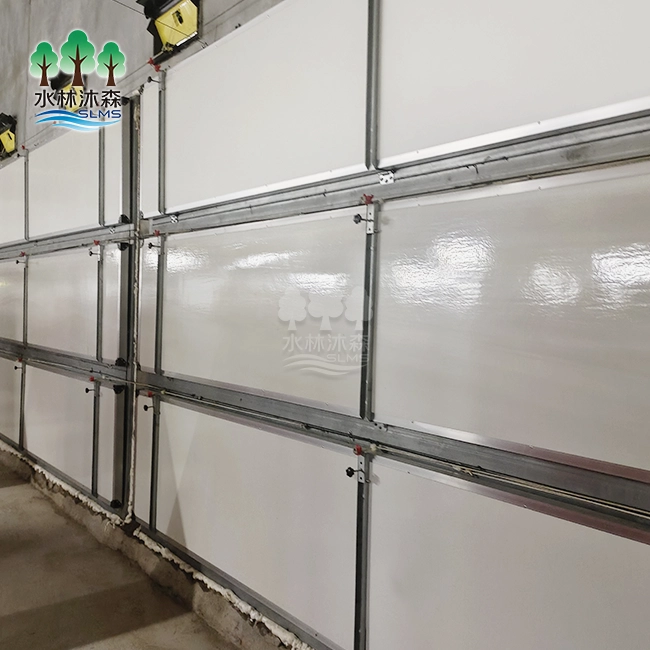
Guide vanes change the air flow in a chicken coop by sending fresh air along the roof, where it mixes with warm air before going down to bird level. A Chicken House Ventilation Guide Vane stops cold air from hitting groups directly, which can lead to temperature shock and breathing problems. These flying parts make the Coanda effect work better, making sure that the temperature is the same all over the building. By managing the distance and speed of the air throw, guide vanes get rid of dead zones, stop ammonia from building up, and keep the environment stable, which is important for the best feed conversion and bird health throughout all stages of production.


Understanding the Ventilation Challenge in Poultry Houses
Keeping the air quality right in large poultry farms is hard and has a direct effect on the birds' health and output. When you don't have enough air, it has real effects on your bottom line.
Common Airflow Problems That Affect Flock Performance
One of the worst air problems in chicken homes is temperature stratification. It gets hotter near the ceiling and colder at the floor, making stress zones where birds gather in different ways. Because of this odd spread, some birds have to deal with temperatures that are too high for them, which makes them eat less and grow more slowly.
These problems get worse when moisture builds up. If there isn't enough air flow, the surroundings becomes too wet from breathing and droppings. Wet trash gives off more than 25 parts per million of ammonia, which damages the lungs and makes people more likely to get diseases like infectious asthma and airsacculitis. Studies show that ammonia levels above 20 ppm make broilers gain 5 to 8 percent less weight.
Another important problem is dead zones, where air that isn't moving lets pathogens grow and carbon dioxide build up. These places are usually in corners or behind things that are built in the way that regular air systems can't reach.
How Traditional Systems Fall Short?
When standard exhaust fans are paired with basic input holes, the airflow patterns are often rough and hard to predict. When airflow is low in the winter, cold air rushes right down on birds, killing them and making energy costs go up as heating systems try to make up for the drop in temperature. When going from minimum ventilation to tunnel ventilation, it's hard for standard setups to keep the air flow steady, which makes operations less efficient.
Simple dampers and mesh vents don't have the efficient design needed to change the direction and speed of air flow. When they are closed, they let air in, but when they are open, they don't have a way to move wind. This restriction is especially bad in places with 50,000 or more birds because even small problems with air can lead to big losses in production.
Types of Ventilation Vanes and Their Role in Poultry Houses
Before you can choose the right inlet systems, you need to know what makes each design unique and how it meets your special business needs.
Passive Versus Active Guide Vane Systems
Fixed curves and differences in natural pressure are what passive guide vanes use to direct wind. If a building always needs air flow and the temperature stays the same, these methods will work well. Passive designs are good for situations where durability is more important than flexibility because they are simple and don't need as much upkeep.
Active guide vane systems have parts that can be adjusted to adapt to changing situations in the surroundings. Motorized actuators change the angle of the Chicken House Ventilation Guide Vane based on static pressure readings and temperature monitors. This gives precise control at different points of production. This flexibility is helpful for operations that have more than one flock cycle a year, since brooding periods need different airflow patterns than grow-out times.
Material Selection for Long-Term Durability
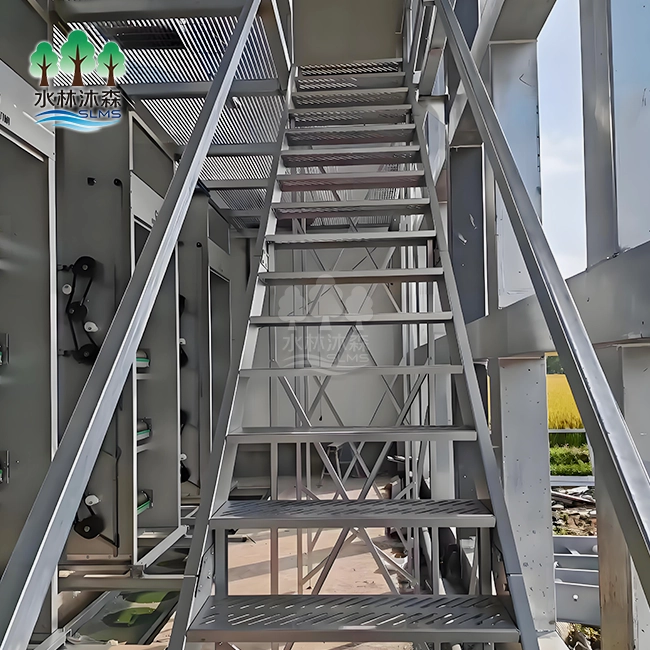
The durability of a building depends on how well it can handle the tough conditions inside a chicken coop, where toxic gases and high-pressure washing are common. Virgin ABS plastic that has been UV stabilized doesn't break down when it's exposed to sunshine and keeps its shape when it's exposed to high amounts of ammonia. Frames made of aluminum metal are easy to move around and don't rust, so they require less work to install and last for decades.
Stainless steel parts last longer in high-density settings where harsh chemical cleaners are used for cleaning routines all the time. The initial cost of stainless steel construction pays for itself over time in longer service intervals and no more repair costs for hardware that has rusted. Our guide vane systems have frames made of aluminum alloy or stainless steel that can be designed to fit the needs of your building. This way, they can be used with existing structures and won't bend or rust.
Sizing Considerations for Different Facility Architectures
The right size has a direct effect on how well air works and how much energy is used. The 5 cm thick guide vanes are rigid enough to keep the airflow angles that were planned even when the negative pressure is between 10 and 30 Pascals. Length and width sizes need to be changed depending on the height of the sidewalls, the width of the house, and the goal air speed at bird level.
Tunnel-ventilated buildings that are longer than 150 meters can keep the air moving smoothly throughout by placing inlet vanes in the right places. Cross-ventilated designs need different layouts to make sure air gets to the center without making areas with high speeds near the entrances. Working with experienced makers who offer dimensional adjustment will make sure that your system meets the performance goals you set.
Step-by-Step Guide to Installing and Maintaining Chicken House Ventilation Vanes
Whether your ventilation investment pays off over its expected lifetime depends on how well it was installed and how often it is serviced.
Site Assessment and Placement Strategy
Before installation can begin, the structure must be inspected and the best fixing spots must be found. Find the height of the sidewalls and the height from the roof where air should escape. Best practices in the industry say that inlet holes should be placed one-third of the way up the wall to get the most out of the Coanda effect. This lets air stick to the roof for the right amount of mixing distance.
Find the needed intake area by using the fan's capacity and the desired air speed. When inlet areas are too small, they cause too much static pressure, which makes vent fans work too hard and use more energy. When holes are too big, they shorten the distance that air can travel, which lets cold air fall too quickly. A professional evaluation makes sure that the system is designed in a way that makes the best use of both air flow and operating efficiency.
Installation Process and Required Tools
To survive wind loads and working stresses, mounting tools must go through structural parts, not just the outer sheathing. Use corrosion-resistant nails spaced according to the manufacturer's instructions to hold guide vane frames in place. Seal all openings with weatherproof glue to keep air from getting in around the edges of the openings.
For installation, you'll need basic tools like an electric drill, drill bits that are right for the type of wall you're building, a level, a measuring tape, and materials for finishing. Our systems come with full installation movies that show the right way to do things for different kinds of facilities. For big projects or operations that would rather have a skilled setup, on-site installation services are available.
Our guide vanes are made to be light, which makes them easier to handle during installation. Two workers can place and change individual parts without using special lifting tools. This cuts down on labor costs and installation time. The simple building process lets you make changes for the seasons or to the layout as your business grows.
Maintenance Protocols for Sustained Performance
Guide vanes should be checked every three months to make sure they open and close fully without sticking or being out of line. Check the closing strips for damage from compression or holes that let air in when the inlets should be closed. Low-pressure water and light detergent can be used to clean dust off of Chicken House Ventilation Guide Vane surfaces and mechanical connections. High-pressure spray could damage parts, so be careful not to use it.
Every year, use food-grade lubricants that are allowed for farming use to grease pivot points and actuator systems. Check the fixing gear for rust and tighten any screws that came loose because of vibration. Our one-year guarantee covers problems with the way the product was made, so you can rest easy during the first few production rounds.
To figure out how much performance has changed, compare readings of static pressure taken before and after cleaning. Decreased airflow effectiveness is usually caused by buildup of dirt rather than a broken part, so regular cleaning is a cost-effective way to keep things in good shape. You can get help from technical support at any time during your ownership for fixing and improvement.
Benefits of Using Guide Vanes in Poultry House Ventilation
When you use engineered air distribution systems, you can see changes in a number of operational measures that have a direct effect on your profits.
Enhanced Bird Health and Production Metrics
Even spread of temperature lowers thermal stress, which helps birds keep their metabolisms working at their best. When the temperature neutral zone is reached, energy from feed helps plants grow instead of keeping the temperature stable. When operations switch from basic ventilation systems to precision air distribution systems, the feed conversion ratio goes up by 0.05 to 0.10 points.
Keeping ammonia levels below threshold levels with controlled airflow reduces breathing problems. When diseases are less common, they cost less to treat and people die less often. When cold air doesn't fall directly on birds, it doesn't cause the chilling stress that weakens their immune systems during important breeding periods.
Operational Cost Reduction and Energy Efficiency
Guide vanes don't need any extra energy beyond what the air fans in your building are already using. Passive air distribution uses the negative pressure in the air to move it more efficiently than driven circulation fans, which use more electricity. This method lowers running costs and improves air control compared to adding extra fan systems.
When cold air comes in and mixes with heat from the roof before it reaches bird level, less heating fuel is used. Ventilation that is directed correctly returns thermal energy that has been trapped instead of heating air that falls to the floor and leaves through exhaust fans. Businesses in northern areas say that having designed inlet systems cut their winter heating costs by 15 to 20 percent.
The durability of quality guide vane systems lasts a long time, which means they don't need to be replaced as often and require less upkeep work. Our Chicken House Ventilation Guide Vane goods don't change shape or get old after going through many production cycles. This spreads out the cost of capital over longer service times. The cost-effectiveness is especially clear in factories that run nonstop production and need air all year long in tough circumstances.
Regulatory Compliance and Environmental Stewardship
More and more, laws about animal care require environments that allow animals to behave naturally and cause them as little stress as possible. During reviews and licensing audits, precision ventilation systems show that they are committed to using the best management practices. Documenting consistent conditions for temperature and air quality meets the needs of many production standards and foreign markets.
Better air flow lowers the amount of dust and small particles released by the facility's waste, easing worries about how this might affect nearby properties. Less ammonia emissions mean less damage to the environment, which fits with sustainable efforts that chicken processors and retail partners are putting more weight on.
How to Choose and Purchase the Best Guide Vanes for Your Poultry Operation?
When making a procurement choice, it's not enough to just compare prices at first. You also need to look at technical specifications, the supplier's skills, and the total cost of ownership.
Defining Your Operational Requirements
Check the size of your facility and the way you make things to figure out what level of system complexity is right for you. For operations with 20,000 birds or fewer, passive systems may be enough to meet their air needs. On the other hand, operations with more than 50,000 birds often benefit from automatic systems that can adapt to changing conditions throughout the day.
Think about whether your project has one or more steps. Brooding operations need different patterns of airflow than grow-out sites, and photoperiod control needs to be done differently in breeding houses. Systems that let you change the angle from a distance give you the freedom to find the best air as the flock ages and the weather changes outside.
Installation costs, expected service life, and routine savings should all be taken into account when making a budget. Cheaper options often skimp on material quality or design accuracy, which means they need to be replaced too soon and don't work as well as they could. Find the most cost-effective option by figuring out the total cost of ownership over ten years.
Evaluating Supplier Capabilities and Support Services
When choosing air parts that need to work reliably in tough circumstances, manufacturing knowledge is important. Suppliers with specialized engineering teams are always making designs better based on data from the field and comments from customers. Companies that release multiple new goods every year show that they are committed to being innovative and stars in their fields.
Long-term happiness with your ventilation investment depends on how easy it is to get technical help. You can make the most of your system's performance with the help of detailed tools like startup videos, troubleshooting tips, and helpful customer service. On-site installation services make approval easier and make sure everything is set up correctly from the start.
Warranty terms show how confident the maker is in the product's longevity. Standard guarantees that last for one year protect you during the first year of operation. For companies that want more security, there may be choices for warranties that cover more time. Check to see what the guarantee covers and how to get help if something goes wrong.
Logistics and Procurement Process
Lead times from placing an order to arrival are affected by the need for customization. Standard designs may be shipped within a few weeks, but fully personalized systems that are made to fit the exact dimensions of your building take longer to make. Make sure everyone knows when your project is due so that ventilation parts arrive on time for building plans.
Orders in bulk for multiple sites or phased growth projects may be able to get better prices and more convenient delivery times. Working with suppliers who have done large-scale deployments before makes sure that they can meet your needs for number without lowering quality standards.
When shipping things, you need to think about how to package them so they can be sent over long distances and how they will fit with other building supplies. Suppliers who are familiar with foreign transportation can quickly handle the necessary paperwork and deliveries, which cuts down on delays that could affect the finish of the project.
Conclusion
Controlling airflow in a chicken house can make the setting less stressed and more stable, which is better for the birds' health and performance. This change is made possible by the Chicken House Ventilation Guide Vane, which is aerodynamically designed to direct incoming air exactly where it needs to go, getting rid of dead zones and temperature differences. It doesn't take any extra energy to use, and it makes feed conversion, death rates, and heating costs better in a way that can be measured. As chicken farms get bigger and busier, designed air systems stop being nice-to-have extras and become necessary infrastructure. If you choose high-quality parts made by manufacturers with a lot of knowledge, your investment will pay off over many production runs.
FAQ
How do guide vanes differ from standard ventilation dampers?
Standard dampers only open and close to change the amount of airflow, but guide vanes have aerodynamic shapes that direct air at certain speeds and angles. This control stops cold air from falling directly on birds. Instead, it sends the cold air along the roof, where it mixes with warm air. Guide vanes make the Coanda effect work better, distributing air in a uniform way that simple dampers can't do.
What maintenance frequency do guide vane systems require?
Potential problems are found before they affect efficiency by inspecting regularly every three months. Cleaning once a year gets rid of dust that has built up, and lubricating moving parts keeps them running smoothly. The long-lasting design doesn't rust or bend, so it needs less upkeep than systems made with lower-quality materials.
Can guide vanes be retrofitted into existing poultry houses?
Installation of a guide vane can usually be done in most standard buildings with little structure change. Standard sidewall framing is used for mounting, and the systems work with current vent fan capabilities. A professional site survey figures out the best place and size for retrofit uses.
Partner With Shuilin Musen for Superior Ventilation Solutions
Upgrading the air system in your chicken coop is a smart way to increase production and improve the health of your flock. Shuilin Musen Aquaculture Equipment Co., Ltd. has been making specialized equipment for eight years and is always coming up with new ideas for farming and animal care tools. Our five-engineer research and development team comes up with real-world answers to problems that professional chicken farmers are having. As a reputable ventilation guide vane seller, we offer unique systems made of aluminum alloy or stainless steel, as well as full expert support and quick service throughout your owning experience. Email our team at wangshuaislms@gmail.com to talk about your facility's needs and find out how our designed air distribution systems can help your business run better and make more money.
References
1. Donald, J. (2018). Poultry House Ventilation Design and Management. Agricultural Engineering Press.
2. Lacy, M. P., & Czarick, M. (2020). Tunnel Ventilation Systems for Broiler Housing. University of Georgia Cooperative Extension Service.
3. Purswell, J. L., & Gates, R. S. (2019). "Air Velocity and Temperature Stratification in Commercial Broiler Houses." Applied Engineering in Agriculture, 35(4), 563-572.
4. Tabler, G. T. (2021). Practical Guide to Poultry House Environment Management. Mississippi State University Extension.
5. Yahav, S., & Brake, J. (2017). "Ventilation Requirements and Management for Optimum Broiler Performance." Poultry Science Review, 12(2), 89-103.
6. Zhang, Y., & Barber, E. M. (2019). "Inlet Design Effects on Air Distribution in Mechanically Ventilated Livestock Buildings." Transactions of the ASABE, 42(5), 1413-1423.
Learn about our latest products and discounts through SMS or email