Four-tier layer cages suitable for multiple small animals
Four-tier Layer Cage systems are a high-tech vertical housing solution designed to fit a lot of small animals, like laying hens and bunnies, in a very small space. These multi-level systems solve the very important problem of how to make big business breeding facilities profitable while also taking care of the animals' well-being. When procurement workers and farm managers look at housing projects, it's important to know about the technical specs, the quality of the materials, and how well the house will hold up over time. This guide gives you a structured way to choose, buy, and set up four-tier systems that meet today's standards for agricultural efficiency and take into account things like optimizing stocking density, automated integration, and the total cost of ownership for medium- to large-sized livestock operations.


Understanding Four-Tier Layer Cages and Their Applications
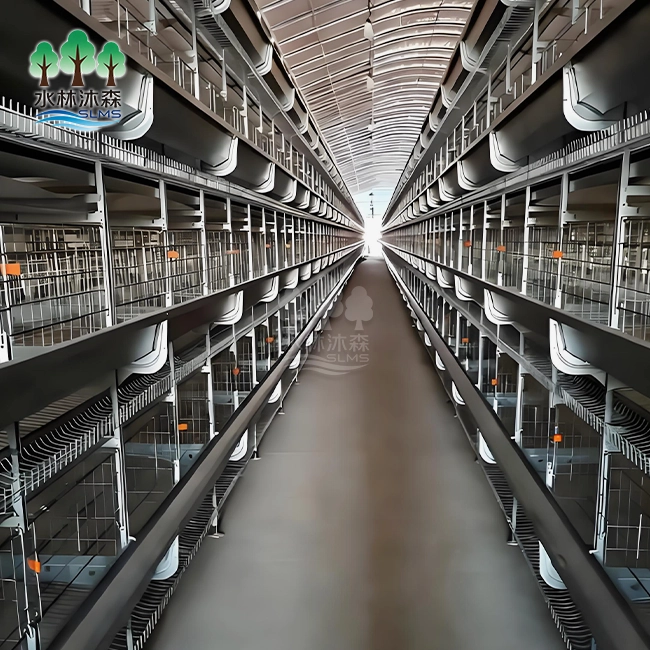
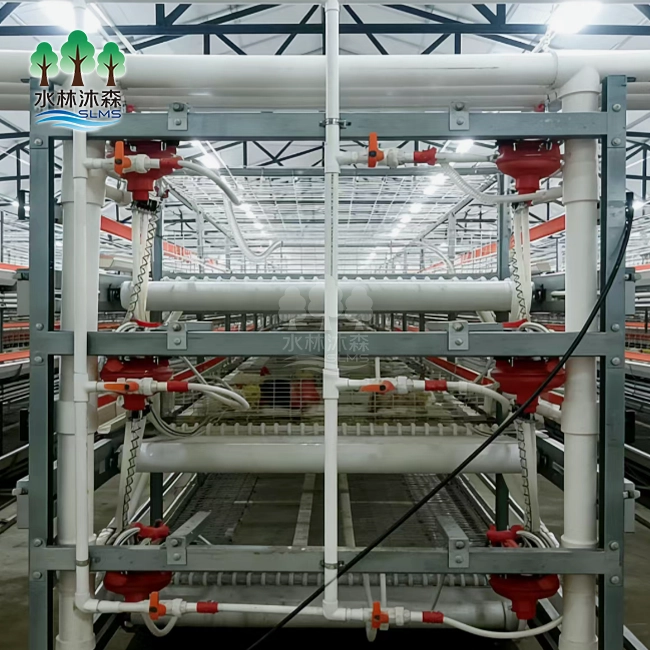
A Four-tier Layer Cage is made up of four sections that are stacked on top of each other vertically. The compartments are made from galvanized wire or stainless steel frames that don't rust. These vertical housing units are different from standard single-level floor systems because they make the best use of cubic space. This lets farms reach stocking rates of 40KG/㎡ without making the building footprints bigger. The technical design splits the animals into different levels, with food lines, nipple drinking systems, and automatic manure removal conveyors placed below each level. Separating the structures in this way makes it much harder for diseases to spread by keeping feces away from living areas and limiting direct touch between animals of different ages or stages of production.
Primary Application Scenarios
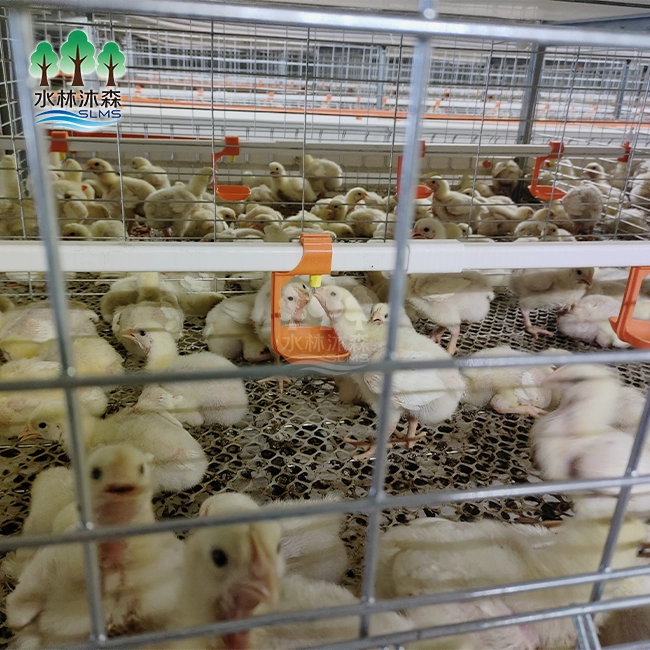
The most common place for four-tier systems to be used is in large business egg production sites. Vertical density benefits operations that take care of 50,000 to 100,000 laying hens because it lowers the cost of land acquisition and makes it easier to control the temperature inside enclosed houses. With phased management, producers can separate pullets, layers that are producing the most, and groups that are molting into different tiers or building sections. This way, they can make sure that the feed recipes and weather conditions are best for each stage of production. This tiered method immediately raises the ratios of feed conversion and increases the length of effective laying cycles.
Multi-Species Adaptability
In addition to being used for business chicken farms, four-tier cage setups can also be used for breeding other small animals. These buildings are used by rabbit breeding sites to keep breeding does, growing litters, and meat production cohorts separate. Similar setups are used by research labs and drug testing centers to house mice, following strict hygiene rules and making the most of the limited space in the labs to house animals. Retailers who specialize in small pets also use smaller versions to hold and show off their products temporarily. Because good four-tier designs are adaptable, the sizes of the cages, the mesh, and the entry doors can be changed to meet the needs of different species.
How to Choose the Right Four-Tier Layer Cage for Your Business?
To choose the right vertical housing system, you need to carefully look at a lot of technical and practical factors. Before buying something, you should make sure you have a good idea of how many animals will be needed, what their specific behavior needs are, and how well the building will work with the animals. This choice framework helps buyers figure out how to balance the complicated trade-offs between initial capital expenditure, operational efficiency gains, and long-term durability hopes for the Four-tier Layer Cage investment.
Material Quality Assessment
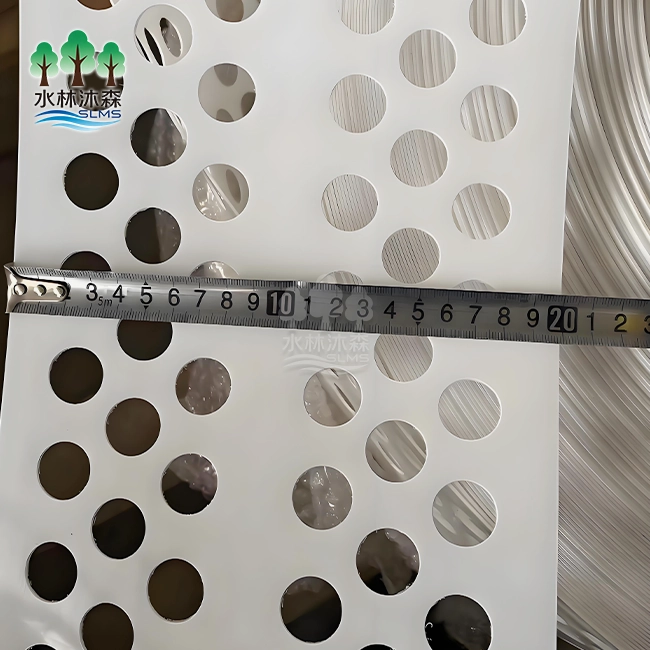
Material specs are very important for the structural stability of any four-tier system. High-quality units use hot-dip galvanizing steel wire with a minimum width of 2.5 mm for the floor meshes and 3.0 mm for the framework supports. This makes sure that the units can hold enough weight when they are fully stocked. High-quality makers use 304-grade stainless steel for fasteners and key junction points. This keeps the steel from rusting in farming settings that are high in ammonia. Buyers should make sure that the galvanization meets international standards and that the zinc coating weighs at least 275g/㎡. This means that the equipment should last more than 15 years with normal use. Asking for proof of material approval and measuring the thickness of the coating yourself can help protect you from cheap providers substituting materials that aren't up to par.
Integration with Automation Systems
Modern four-tier systems save the most on labor costs when they are fully combined with automated equipment for feeding, watering, and trash management. Making sure that the cage's structure fits with the automatic feed chain's specs during the buying process saves a lot of money on changes that need to be made during installation. The space between the levels must be at least 450 mm wide so that motorized egg pickup belts or automated trolley systems can move freely.
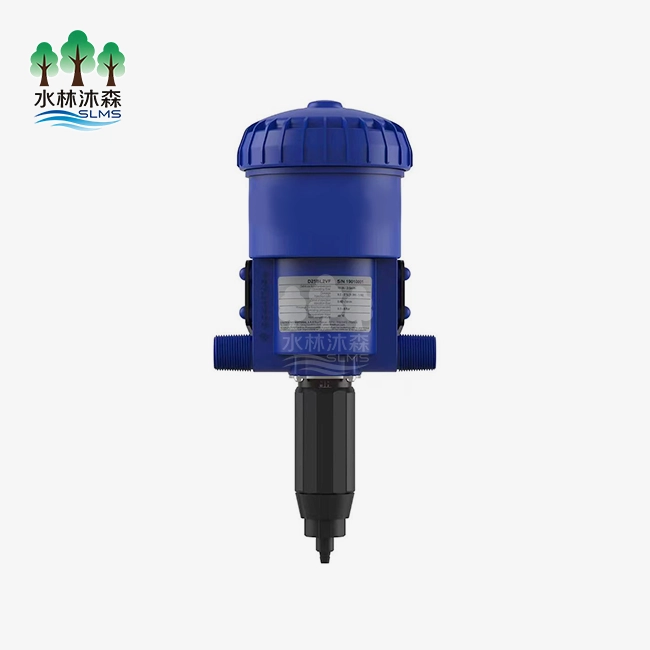
Adding a watering system requires carefully placing the nipple drinker at a height that is comfortable for the animal species being fed, and the pressure must be able to be adjusted at all four levels. Under each level, there should be a system for getting rid of manure that uses continuous belt conveyors or periodic scraper mechanisms. The slope angles and material choices should keep waste from building up and make daily cleaning easier.
Capacity Planning and Scalability
Accurate estimates of capacity stop both economic problems caused by too many people and capital investments that aren't being used. A properly designed four-tier layer cage for industrial egg production can usually hold 160 to 192 birds per two-sided unit that is 1.8 meters long, 0.6 meters deep, and 2.2 meters high, which is the normal stocking density of 40 kg/m³.
Buyers should ask makers for thorough stocking tables that take into account the traits of the bird breed, the expected mature weights, and any animal care laws in the area. Scalability is improved by modular cage designs, which let capacity grow in stages by adding standard units instead of designing and building whole new buildings from scratch. This adaptability is very helpful for businesses that want to plan staged growth or change with changing market demand trends.
Comparing Four-Tier Layer Cages: Market Options and Performance
The market has a wide range of Four-tier Layer Cage setups, from simple models that need to be operated by hand to fully automated combined systems. To make smart purchases, you need to know how different design choices affect how well something works, how much upkeep it needs, and when it will pay for itself. Comparative study like the one below shows important choice points.
H-Type Versus A-Type Structural Configurations
H-type four-tier systems have tiers that are vertically lined and dung removal belts that are placed directly below each level. This makes the system very small, which makes it perfect for climate-controlled homes with automated environmental management. This layout allows for higher stocking numbers and makes it easier to connect to centralized feeding systems, but it needs complex ventilation engineering to keep the air quality the same on all floors. Due to the need for precise manufacturing and automated component assembly, the initial capital investment is 20–30% higher than for other designs.
A-type setups use a stepped design where each level is offset horizontally. This lets manure fall into a central storage pit without needing belt systems under each level. This plan works well for partially automated buildings with natural air systems, and it also greatly lowers the cost of buying the first equipment. The horizontal offset does take up more floor room, and compared to H-type setups, it lowers the total stocking density by about 15%. A-type designs are often better for operations that want to save money on initial capital costs and make upkeep easier. This is especially true in emerging markets or places where labor costs are lower.
Manual Versus Automated Operational Features
Entry-level four-tier systems that require human feeding, egg gathering, and manure removal meet the basic needs of housing but miss out on big chances to cut down on labor costs. For daily operations, facilities with these layouts usually need two to three people for every 10,000 birds. Fully automated systems with egg collection belts, climate control, and computer-monitored feeding plans can cut labor costs by up to 70%. Semi-automated systems with mechanized feeding chains and nipple watering networks cut labor costs by 40 to 50 percent. Depending on local labor costs and production volume, investments in automation usually pay off between 18 and 36 months. This is why it is important to do thorough financial modeling during the review part of buying.
Durability and Maintenance Cost Projections
Cheaper four-tier systems often use smaller gauge wire, inferior galvanization, and plastic parts in high-stress areas, which causes them to break down early and need to be replaced more often. According to data from the industry, cheap equipment usually breaks down after 5 to 7 years and needs major fixes or a whole new unit. On the other hand, high-quality systems made with strong materials usually last 15 to 20 years with only regular upkeep. When buyers figure out the total cost of ownership, they should think about how easy it is to get new parts, how long it usually takes to do upkeep, and how long the equipment is expected to last. Reputable makers make upkeep plans clear and offer warranties that cover multiple years, which shows that they trust their products to last.
Procurement Essentials: Buying and Customizing Four-Tier Layer Cages
Successful procurement includes more than just choosing the right technical specs. It also includes evaluating suppliers, negotiating customizations, and coordinating operations. The following tips will help buyers get through the B2B deal process and get good business terms and solid support after the sale for their Four-tier Layer Cage systems.
Supplier Due Diligence and Qualification
Working with well-known makers who have recorded production capacity, quality management systems, and customer references that can be checked greatly lowers the risks of procurement. Weifang Shuilin Musen Aquaculture Equipment Co., Ltd. has eight years of experience making farming machinery, which makes them a great example of a company that provides excellent customer service. Our five hardworking engineers create more than three new goods every year, making sure that we're always coming up with new ideas that meet the needs of the changing industry. Each piece of equipment goes through strict quality checks, starting with inspecting the raw materials and ending with making sure the final assembly works. There is proof of this for every production batch.
When buyers can, they should check out factories and see how well the workers are trained, what kind of production tools they have, and how they keep track of their raw materials. Asking for third-party quality standards like ISO 9001 compliance gives you even more confidence in the stability of the manufacturing process. Checking references with current customers who run similar-sized facilities can give you useful information about how well the equipment works, how quick the provider is during installation, and how long the parts will be available.
Customization Options and Engineering Support
Standard four-tier designs work well for many uses, but they often need to be changed to fit the needs of a particular place or operation. Manufacturers with a good reputation will let you change the cage's size, the space between the tiers, the way the doors are set up, and the materials used to suit your needs. At Shuilin Musen, we offer custom engineering solutions that take into account things like the size of the existing building, the temperature in the area, the types of animals that will be kept there, and the ability to work with existing automation equipment. The first step in our customizable process is a thorough inspection of the building. This is followed by CAD modeling and customer approval before production starts.
For rollout to go smoothly, technical help is needed during the design and installation stages. We offer full installation guides, complete setup manuals, and expert support over the internet. When projects need experts on-site, our installation teams go to the customer's location to make sure the right parts are put together, the system is properly integrated, and operators are trained. This hands-on help gets rid of the common delays and mistakes in setup that happen with self-installed systems.
Commercial Terms and After-Sales Commitments
When you buy four-tier systems in bulk, you're allocating a lot of money. That's why it's important to negotiate for good payment terms and full insurance coverage. When compared to multi-tier distribution methods, buying directly from the plant usually saves 15 to 25 percent of the cost and gives you direct access to technical knowledge. If you buy more than 50 units, you can get a discount, and if you sign a multi-year supply deal, you can also change the prices.
We stand behind the quality of our tools with a full one-year guarantee that covers problems with the way it was made and material failures that happen during normal use. This warranty covers shipping of new parts and expert help for fixing problems and figuring out what went wrong. There are choices for extended warranties that cover years two through five for a small extra cost. This lets you plan your budget for long-term costs. Our helpful customer service team answers technical questions within 24 hours and keeps enough extra parts on hand to keep operations running smoothly even when parts break.
Best Practices for Assembly and Maintenance
The lifespan of tools, the well-being of animals, and the efficiency of operations are all directly affected by proper installation and ongoing upkeep. The following procedures are the best ways to do things in this area, as determined by decades of experience with the Four-tier Layer Cage.
Installation Procedures and Structural Integrity
Setting up a four-tier cage starts with carefully preparing the base so that the fixing areas are level and the weight is evenly distributed. A normal two-sided unit weighs up to 800 to 1,200 kilograms when it's fully loaded, so it needs concrete floors or strong structure supports. Assembling should exactly follow what the maker says, paying special attention to how square the frame is, how straight the tiers are, and how much force should be used on the fasteners. Tightening bolts too much can cause the frame to rack and the wire mesh to wear out too quickly. Tiers that aren't lined up right can mess up the feeding system and cause uneven waste buildup.
Routine Maintenance Schedules
As part of daily upkeep, the machine is checked visually for broken wires, broken drinks, and too much manure buildup under the tiers. As part of the weekly procedures, feeding system parts, gate latches, and structure bolts are carefully looked over. For monthly deep-cleaning, animals must be temporarily moved, all surfaces must be power-washed, and disinfectants must be used. Comprehensive reviews are done once a year to check the structural frame's stability, the state of the wire mesh, and the status of the galvanization coating. This finds parts that need to be replaced before they fail catastrophically. Keeping detailed repair logs makes guarantee claims easier and helps find problems that keep happening that need engineering changes.
Troubleshooting Common Operational Issues
Even systems that were put correctly sometimes have problems running. When water pressure is different in different levels, it's usually because the pressure valves are clogged or the supply lines aren't big enough. To fix this, the system needs to be flushed and parts need to be replaced. Inconsistent feed distribution is often caused by issues with chain tension or hopper jams, which means that the auger needs to be cleaned and adjusted on a frequent basis. If there is too much shaking or the structure isn't stable, it could be because of loose bolts or uneven floor support. If this isn't fixed, it will wear out faster and could even fall down. Taking care of these problems quickly through structured troubleshooting stops small issues from getting worse and causing major business disruptions.
Conclusion
For large livestock companies that want to increase production density while keeping costs down and animal welfare standards high, Four-tier Layer Cage systems are a great option. The choice to buy something needs to be carefully thought out in terms of the quality of the materials, their ability to work with automation, the dependability of the supplier, and the total cost of ownership. When buyers do their research, work with seasoned makers that offer full support services, and follow strict maintenance guidelines, they set up their businesses to stay ahead of the competition in farming markets that are becoming more focused on efficiency.
FAQ
What are the standard dimensions for commercial four-tier layer cages?
Commercial units are usually between 1.8 and 2.0 m long, 0.6 to 0.7 m deep, and 2.2 to 2.4 m tall. Each level has 35–40 cm of vertical space, which is enough for standard laying hen types. Custom sizes can be made to fit different types of animals or the space limitations of the building.
Can four-tier systems house multiple animal species simultaneously?
It is technically possible to house different species in the same room, but doing so creates biosecurity risks and makes managing food more difficult. Different types of animals should be kept in different cages with the right size mesh, food, and environmental settings for their needs.
What warranty coverage should buyers expect?
Reputable makers offer guarantees that cover structural flaws and material fails for at least one year. Premium providers offer more service choices and keep spare parts in stock for as long as the equipment is in use, which is usually between 15 and 20 years.
How do automation features impact labor requirements?
Fully automatic systems require 60–70% less daily work than manual processes. Depending on local wage rates and production scale, break-even is usually reached in 24–36 months.
Partner with a Trusted Four-Tier Layer Cage Manufacturer
Partnering with Shuilin Musen Aquaculture Equipment Co., Ltd., your dedicated Four-tier Layer Cage seller, will help your livestock business run more smoothly and make more money. Our eight years of experience making specialized farming tools has given us the engineering know-how to give you custom solutions that are perfect for your needs. We can change the way you make things by giving you corrosion-resistant steel construction, easy automation integration, and full expert support.
Our on-site repair services, one-year guarantee, and helpful customer service team make sure that your investment keeps giving you value. You can email us at wangshuaislms@gmail.com to talk about your unique needs, get full technical specs, or set up a facility consultation. Visit slms-equipment.com to explore our complete product portfolio and discover how our innovation-driven approach can optimize your agricultural operation.
References
1. Anderson, K.E., et al. "Comparative Housing Systems for Laying Hens: Welfare, Productivity, and Economic Considerations." Journal of Applied Poultry Research, vol. 28, no. 4, 2019, pp. 785-798.
2. Chen, W., and Liu, H. "Material Durability Assessment of Galvanized Steel in Agricultural Environments." Agricultural Engineering International, vol. 22, no. 2, 2020, pp. 145-156.
3. International Egg Commission. "Housing System Guidelines and Stocking Density Standards for Commercial Layer Production." IEC Technical Standards, 2021.
4. Morrison, R.S. "Automation Technologies in Intensive Livestock Production: Cost-Benefit Analysis and Implementation Strategies." Agricultural Mechanization Quarterly, vol. 33, no. 1, 2022, pp. 22-39.
5. Thompson, D.L., and Garcia, M. "Vertical Housing Systems: Space Optimization and Disease Management in Commercial Poultry Operations." Poultry Science Journal, vol. 99, no. 6, 2020, pp. 3214-3227.
6. United States Department of Agriculture. "Commercial Poultry Housing and Equipment: Procurement Guidelines for Large-Scale Operations." USDA Agricultural Handbook, 2021.
Learn about our latest products and discounts through SMS or email