How to Install Negative Pressure Fans Correctly for Maximum Efficiency?
When you install a Negative Pressure Fan for Breeding Ventilation System properly, it changes the atmosphere in the barn by bringing in fresh air through well-placed openings and letting out old air that is full of ammonia and moisture. The right way to put something is to place it precisely on the wall, connect the electrical parts to automated controls, and seal the unit well to keep the pressure differences. When these systems are set up properly, they create wind-chill effects that protect poultry and cattle from respiratory diseases, get rid of toxic gases, and lower heat stress. This directly improves feed conversion rates and animal comfort on a big scale.


Understanding Negative Pressure Fans in Breeding Ventilation Systems
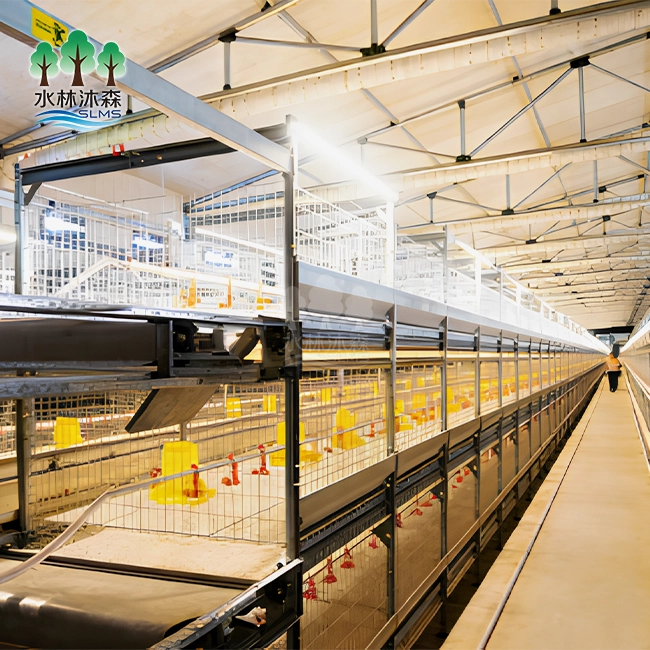
To effectively take care of your animals, you must first understand how air moves through your building. When we add ventilation equipment to pig or broiler barns, we're not just adding fans; we're designing an entire environment in the air that affects the health of the animals and the barn's bottom line.
How Negative Pressure Systems Work?
These specialized exhaust units pull air out of enclosed buildings automatically, lowering the air pressure inside compared to the outside. Because of this difference in pressure, fresh air from outside has to rush inside through cooling pads or outlet vents. This creates a steady flow of air that moves over areas with animals at measured speeds, usually staying between 2.0 and 3.0 meters per second over birds during times of high heat.
Core Benefits for Modern Farming Operations
One of the best benefits is that it can help keep you from getting sick. Pathogens can grow in still air, and bio-aerosols can carry virus particles from one animal to another. Continuous air exchange lowers the amount of pathogens and ammonia in the air, which is bad for lung tissues. Studies from places that raise chickens have shown that good air can cut the number of birds that are killed by up to 18% during processing.
Temperature control is more than just cooling. Moving air cools animals by evaporation, which lowers their sense of temperature by 5 to 7 degrees Fahrenheit during summer peaks. During the winter, operations focus on getting rid of wetness to avoid wet litter conditions that increase the number of germs and raise the cost of heating. Modern systems give exact airflow that matches real needs instead of constantly over-ventilating, which means less energy is used.
Cost-effectiveness comes from a lot of different things. A lot less work needs to be done because temperature sensors tell automatic controls how fast to run the fans, so they don't have to be adjusted by hand all the time. Installing equipment according to the manufacturer's instructions makes it last longer. High-quality units can work effectively for 40,000 hours or more. Less death and better feed conversion rates directly lead to higher profits, and equipment investments are often paid back within two production cycles.
Distinguishing System Types
Systems that use positive pressure bring air into buildings, which creates pressure outside the building that can be released through holes. These work well for smaller buildings, but they're hard to spread out evenly in big barns. Exhaust-only designs get rid of air without controlling where the intakes are located, which makes the airflow patterns uncertain. Using negative pressure fans for tunnel ventilation is now the standard for business facilities that house thousands of animals. This gives precise control over air speed, direction, and distribution throughout the whole building.
Preparing for Installation: Critical Pre-Installation Considerations
When work is rushed without enough thought, mistakes happen that cost a lot of money. In some operations, systems that weren't the right size caused dead air zones where birds could breathe while fans were running at full speed.
Conducting Thorough System Assessment
The building's measurements are used as a starting point for estimates. There are 25,000 square feet of floor room in a building that is 500 feet long and 50 feet wide. Animal population depends on the type of animal and its stage of growth. Broiler farms usually house 0.7 to 1.0 square feet of space per bird, which means that this barn can hold 25,000 to 35,000 birds. Each bird produces metabolic heat and wetness. During peak heat, fully grown broilers produce about 20 BTUs per hour.
The summer design temperatures are based on climate data. Operations in the southern U.S. have to plan for long periods of temperatures above 95°F and high humidity, which means they need the most air space possible. Negative Pressure Fan for Breeding Ventilation System is one solution to address these demanding conditions. Facilities in the north have to deal with different problems, like getting rid of winter moisture while keeping the heat in. Local weather trends, the direction of the wind, and changes in temperature throughout the year all affect the choice of tools.
For figuring out airflow amount, standard methods are used. About 5 to 7 cubic feet per minute (CFM) of air flow are needed per square foot of floor room in a summer tube. The total capacity of our barn is between 125,000 and 175,000 CFM. In the winter, minimum ventilation only works at about 15% of its summer capacity, with the goal of improving air quality rather than cooling.
Selecting Appropriate Equipment Specifications
Our 50-inch units can move 28,000 to 38,000 cubic meters per hour, which is about 16,500 to 22,400 CFM. Each fan can meet the air needs of 150 to 200 square meters. This means that the sample center needs eight to ten fans placed along one end wall to make sure that the whole tunnel has enough air flow. The 1.1 kW motor running on 380V three-phase power gives the machine enough thrust to beat the static pressure that comes from the building's length and restricted airflow.
Noise issues are more important than most people think. Animals that are constantly exposed to loud noises have higher levels of fear hormones, which makes them eat less. Quality units have bases that stop vibrations and blades that are designed to be efficient. This keeps the noise level below 75 decibels at three feet away. Power use directly affects working costs. At $0.12 per kWh, each fan costs about $0.13 an hour to run, or $936 a year if it runs all the time during the six-month hot seasons.
Ensuring Site Readiness
The strength of the wall must be able to hold up 80 kg of tools and wind loads during storms. To build a concrete block wall, you need to pour bond beams at the right heights. For houses with metal sides, you need to add more frame members around the fan openings. The opening sizes must be exactly the same as the equipment. For example, our 50-inch fans need rough openings of about 52 inches to fit mounted flanges and weather seals.
The next problem is the electrical grid. At 380V, each fan uses about 2.8 amps, which is well within the capacity of a normal circuit. However, we suggest that banks of fans be connected to separate circuits to keep voltage drops from affecting motor performance. Adding a control system means adding more wire for variable frequency drives or staged thermal controls that turn on groups of fans one at a time as temperatures rise. The efficiency of the system depends on where it is placed in relation to the intakes. Fans should be mounted on one end wall, with cooling pads or intake systems on the other end. This makes the air move the farthest across the animal zones.
Step-by-Step Guide to Installing Negative Pressure Fans Correctly
The difference between systems that work well for decades and ones that need to be fixed and adjusted all the time is the way they were installed.
Gathering Necessary Tools and Materials
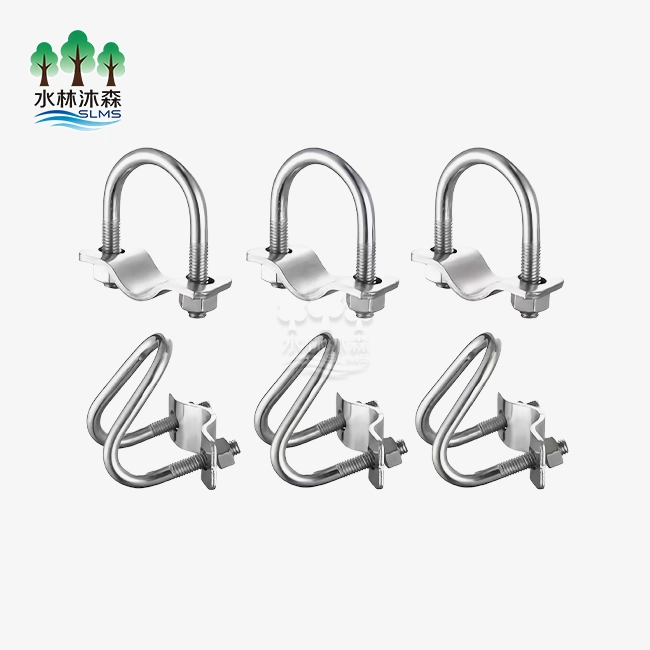
Eye protection, work gloves, and strong steps or platforms that can hold the weight of an installer and their tools are all safety gear. To add electricity, you need tools that are shielded, voltage testers, and wire strippers that meet local electrical codes. Mounting gear usually has bolts that won't rust, big washers to spread the load, and high-quality sealant solutions that are rated for use in farming settings outside. Laser levels are especially useful for setups with multiple fans that need to be mounted at the same height.
Mounting Procedures for Optimal Performance
Start by writing the wall with exact fan locations, making sure there is a uniform distance between each unit. Cut holes that are a little bigger than the fan housings so that they can be adjusted while they are being installed. Place the fan housing against the hole in the wall from inside the building. Make sure the output cone sticks outward. The fixing flange fits flush against the inside of the wall, and the bolt holes line up with anchor points that have already been drilled in the wall.
Use bolts of the right size to secure the unit, and tighten them gradually in a star design to keep the frame from warping. At this point, the level is checked. Fans that are tilted more than two degrees have bearings wear out faster and vibrations get worse. Carefully install the shutter parts and make sure they work smoothly without sticking. When the fans are running, good shutters open all the way, letting the most air flow through. When the fans stop, the shutters close all the way, keeping light and air from coming in.
Put waterproof sealant around the outside of the fixing ring to make a barrier that keeps air out of the indoor and outdoor spaces. Pay close attention to the corner joints because that's where gaps often appear. Negative Pressure Fan for Breeding Ventilation System should be considered when designing this setup, as it relies on effective sealing to maintain proper airflow control. Put up protection louvers or guards on the outside outlet side to keep animals and other objects from damaging the blades or getting inside when the fans aren't running.
Electrical Integration and Control Systems
No matter what, electrical lines must always follow national and neighborhood rules. Avoid making sharp turns in the power lines that could damage the insulation by running them through safety conduit. Make sure that the voltage at the connection point matches the motor's values. For example, our 380V motors need three-phase power with equal loads on each side. Connect the ground lines firmly to both the fan frame and the building's ground systems. This will keep metal housings from getting energized by electrical faults.
Fans and weather processors that check for temperature, humidity, and ammonia levels are all wired into the control system. Temperature monitors placed at bird height in several areas give exact readings that turn on the fans. With variable frequency drives, speed increasing is smooth, so there aren't any rapid changes in pressure that could damage buildings or bother animals. Stage computers turn on fan groups one at a time. Two fans run at minimum ventilation, and as temperatures rise, more fans turn on. During high heat events, all units are running.
Set the program's control points to meet the needs of the animal and the time of year. During brooding times, birds need limited air to keep temperatures at 90°F, while birds that are ready to be sold do best with strong cooling. Include warning systems that will let managers know when a fan stops working, the power goes out, or the temperature rises too high. We offer detailed installation videos that show the right way to wire and program controllers for our equipment. During the setup process, we also offer expert help.
Ensuring Maximum Efficiency: Testing, Maintenance & Troubleshooting
When you finish installing something, that's just the start of its lifecycle. Regular maintenance keeps things running smoothly and stops expensive breakdowns during bad weather.
Post-Installation Testing Protocols
Verification of airflow shows that the system works as planned. Multiple anemometers placed across the cross-sections of a building measure the speed of air, making sure that there are no dead spots and that the speed is spread out evenly. To find the total airflow, multiply the average speed by the cross-sectional area. The results should be within 10% of what the maker says they should be. Manometers are used to measure the difference in pressure between the inside and outside air pressure. During full system operation, these devices usually show a negative pressure of 20 to 40 Pascals.
Testing the noise level records the background noise so that it can be compared in the future. Too much noise means there are problems with the bearings, the blades, or the housing that need to be fixed. Unbalances can be found with vibration analysis before they lead to catastrophic breakdowns. Fans should run smoothly without mounting surfaces moving. Testing the shutters makes sure that they open all the way when the fan is running and close all the way when the fan stops. This stops air from leaking out, which wastes heating energy in cold weather.
Electrical tests show that the motor is working correctly. The amperage draw should match the values on the plate, and for three-phase motors, the current should be balanced across all three stages. Checking the voltage at the motor ports makes sure there is enough power and that the voltage doesn't drop too much when the motor is loaded. Thermal imaging finds hot spots in electrical lines or motor windings that are signs of problems that are about to happen.
Establishing Routine Maintenance Schedules
How often you clean depends on how much dust is in the air. A lot of flying particles are made by poultry operations, so fans need to be checked every month during production cycles. When dust builds up on the blades, it slows down the flow of air by up to 30% and makes the motor work harder. For cleaning, use low-pressure water and put waterproof covers over motors and electrical parts while you wash them. Every three months, take the blinds off and clean them. Remember to grease the hinge points with the right grease.
After the initial break-in time, belt-drive types need to have their tension checked every month while they are in use. When pressed halfway between the pulleys, the right strain lets the rope bend about half an inch. Check the belts for cracks, breaking, or coating that mean they need to be replaced. Checking the position of the pulleys stops the belt from wearing out too quickly—misalignment of more than eighteenths of an inch causes fast wear and tear.
Following the manufacturer's instructions for greasing, sealed bearing fittings should usually be greased with a grease gun every six months. Seals break when there is too much lubrication, and bearings break too soon when there is not enough oil. Part of motor care is making sure that the fixing bolts are tight and that the electrical connections are not corroded or loose. Our units have sealed motors that don't need much upkeep other than keeping the ventilation holes open.
Addressing Common Performance Issues
It takes time for wind to slow down as parts wear out or get dirty. Systematic evaluation starts with looking for damage that can be seen. Next, the real airflow is compared to the standard values. Most breathing problems are caused by dirty blades, covers that are stuck, or inlets that are too small. Belt slippage in drive types can cause performance problems from time to time; listen for squealing during starting to see if an adjustment is needed.
Strange noises or vibrations are signs of technical problems that need to be fixed right away. When bearings fail, they make grinding noises and make the motor housings too hot. When foreign items hit the blade, they cause it to thump in a regular way and become unstable. If the fixing bolts aren't tight, the fan frames can vibrate against the building. Negative Pressure Fan for Breeding Ventilation System relies on proper installation and maintenance; any looseness or imbalance directly reduces its ventilation efficiency. When shutters don't work right, they don't close properly, letting drafts in during cold weather and light in, which changes how the chickens behave.
Electrical problems can be anything from breakers that trip to motor windings that catch fire. Before you think the motor is broken, make sure the power source is working properly. Loose connections or damaged wires can often look like motor failures. When motors overheat because of too much work or not enough air flow, the thermal overload safety goes off. Control system problems, which are often caused by broken sensors or bad code, make it impossible to properly stage fans or change their speeds.
When fixing goes beyond what can be done in-house, it's time to get skilled help. We can fix things on-site and give you expert advice on tough problems. We've been specializing in farming tools for eight years, so we know a lot about how things work in the real world. The one-year guarantee covers problems with the way the product was made and how well it works, giving you peace of mind during the important first few months of use.
Choosing the Right Supplier and Making Informed Procurement Decisions
Long-term operating success depends more on the quality of the equipment and the dependability of the seller than on the price paid at the start. We've saved a lot of farmers a lot of money by helping them find the right tools for their needs.
Evaluating Critical Procurement Criteria
Different providers have very different ways of setting prices. Equipment-only price looks good at first, but it hides costs that show up during setup and use. Full price quotes include shipping, mounting tools, electrical parts, and control systems. For projects that need more than one unit, volume discounts are possible. For example, when our customers buy systems for 100,000-bird facilities, they often negotiate 15-20% savings compared to single-unit prices.
Warranty terms show that the company that made the product is confident in its longevity. Our one-year warranty covers problems with the products and the work, but some providers offer longer warranties for extra money. Read the warranty's small print carefully, because it doesn't cover things like bad fitting, lack of upkeep, or damage from the environment. When equipment breaks down during bad weather, being able to get after-sales help is very important. Long periods of downtime that cost thousands of dollars in missed production can be avoided if suppliers offer technical help 24 hours a day and keep parts in stock.
Customization options meet the specific needs of each location. Standard tools work for most tasks, but they need to be changed for more specific tasks. We make changes to the materials, motor specs, power needs, and sizes so they fit the shape of each building. This freedom gets rid of the need for operations to make deals by adapting buildings to the limits of equipment instead of choosing equipment that works best with the structures that are already there.
Comparing Leading Industry Suppliers
There are a lot of choices on the global market, from cheap imports to high-end European systems. In the past few years, Chinese makers, including ours, have greatly improved quality while still being able to offer lower prices than Western rivals. European names charge higher prices because they have better reputations, but Asian makers are increasingly using the same parts sources, which makes the performance gaps smaller.
Reliability assessment looks at the past of the maker and client examples. Companies that have been around for a long time show that they are reliable and that their products last. For eight years, we've worked with farmers and improved our ideas based on what we've learned in the field. Every year, our five-engineer R&D team comes out with three new goods that are based on customer feedback and new technologies. Client comments showing labor costs dropping by more than 40% and better animal care show that our method works.
The level of technical help is what sets good suppliers apart from great partners. Video lessons and online consultations that show how to install help clients do a good job of installing things themselves. When help is needed, on-site services can be used as a backup for complicated jobs. Ongoing practical assistance answers questions that come up during real use, which keeps small problems from getting worse. You can email us at wangshuaislms@gmail.com for full technology details and project advice.
Strategic Procurement Approaches
When buying in bulk for multiple buildings or through a dealer, it's okay to negotiate prices a lot. Manufacturers would rather have steady number promises than random small orders, which gives buyers chances to get good deals. Developing relationships over a number of projects builds trust and makes you a favorite customer, which has benefits beyond price, such as faster shipping, better technical help, and easier access to priority parts.
Logistics issues affect how much a project costs and how long it takes to finish. When you buy from a domestic seller, you usually pay more because they offer faster delivery and easier guarantee service. International providers, like our plant in Qingzhou City, Shandong Province, offer lower prices in exchange for longer shipping times. Shipping 20 to 30 units in a container saves money on freight costs and keeps extra parts on hand. Being close to ports cuts down on the cost of inland shipping, and our position makes exporting easier.
Plan ahead of time to avoid buying things during a crisis at prices that are too high. From the time an order is placed until it is shipped, it takes 4-6 weeks to make quality equipment. International orders take longer to ship. Projects with tight building plans need to order ahead of time or pay extra for faster service. Dependability is affected by a supplier's production capacity. Manufacturers who are close to capacity have trouble meeting urgent orders, while those who have extra capacity can produce faster but may have trouble staying in business.
Conclusion
To build a ventilation system correctly, you need to plan it carefully, do it exactly, and keep up with the upkeep. When negative pressure fans are set up correctly, they create controlled conditions that help animals stay healthy, lower the risk of disease, and boost production efficiency. Negative Pressure Fan for Breeding Ventilation System is a key example of such equipment, as its design specifically addresses the demands of livestock and poultry environments.
After buying good equipment and having an expert set it up, the initial investment pays off in lower mortality, better feed conversion, and lower labor costs that last through multiple production cycles. Agricultural businesses can stay profitable in markets that are getting more competitive by following systematic installation processes, setting up regular upkeep schedules, and working with dependable suppliers who offer full support. Picking equipment that fits the needs of the building and having quick technical help and a good warranty protects it—this is the key to long-term operating success.
FAQ
How do I calculate the exact number of fans needed for my specific facility?
Find the total floor space, increase it by 5 to 7 CFM per square foot for cooling in the summer, and then divide the result by the capacity of each fan. Think about how long the building is—facilities longer than 500 feet may need more space to overcome air resistance. The number of animals in an area and the extremes of the local climate can change the needs from the standard estimates.
Can existing buildings be retrofitted with negative pressure systems without major reconstruction?
Most buildings can be retrofitted with some changes. Check to see if the wall can hold the weight of the fan and see if the electricity service is good. Older buildings might need to have the areas around fan holes strengthened and the electrical panels updated to make sure they have enough circuit capacity. Coordination is needed for outlet systems, like adding cooling pads or movable sidewall inlets to the end wall opposite from where the fans are installed.
What maintenance tasks can farm staff perform versus requiring professional service?
Regular cleaning, eye checks, and simple changes are all things that farm staff can usually do. Making changes to the belt tension, lubricating the shutters, and changing the filters don't require much training. Most of the time, you need a professional to fix electrical problems, fix motors, and program control systems. Our installation guides and technical support help clients get the most out of their own care skills while also knowing when they need to call in a professional.
Partner With Trusted Equipment Manufacturers for Your Ventilation Needs
Choosing the right Negative Pressure Fan for Breeding Ventilation System provider will determine whether your investment pays off as planned or turns into a hassle for ongoing upkeep. Shuilin Musen Aquaculture Equipment Co., Ltd. has eight years of specialized knowledge and strict quality control systems that make sure every unit that leaves our plant meets strict standards for agricultural environments. Our construction is made of coated steel and 304 stainless steel, which makes it resistant to corrosion and able to move up to 38,000 cubic meters of air per hour across 150-200 square meter zones. You can email our team at wangshuaislms@gmail.com or visit slms-equipment.com to talk about customization options, get full specs, and get project advice from our engineering staff.
References
1. American Society of Agricultural and Biological Engineers. (2019). Ventilation Systems for Poultry and Livestock Housing Structures. ASAE Standards EP270.5. St. Joseph, Michigan: ASAE.
2. Donald, J.O. & Macklin, K.S. (2017). Environmental Management in Broiler Production: Design and Operation of Tunnel Ventilation Systems. Alabama Cooperative Extension System Publication ANR-1353.
3. Midwest Plan Service. (2018). Mechanical Ventilating Systems for Livestock Housing. MWPS-32. Ames, Iowa: Iowa State University Press.
4. National Chicken Council. (2020). Broiler Welfare Guidelines: Environmental Management and Ventilation Best Practices. Washington, D.C.: National Chicken Council Industry Standards.
5. Purswell, J.L., Dozier, W.A., & Branton, S.L. (2016). Optimizing Tunnel Ventilation Parameters for Commercial Broiler Production. Journal of Applied Poultry Research, 25(3), 338-346.
6. Xin, H., Gates, R.S., Green, A.R., & Mitloehner, F.M. (2018). Environmental Impacts and Sustainability of Livestock Ventilation Systems. Comprehensive Reviews in Food Science and Food Safety, 17(4), 883-902.
Learn about our latest products and discounts through SMS or email