Best materials for a chicken coop draft deflector
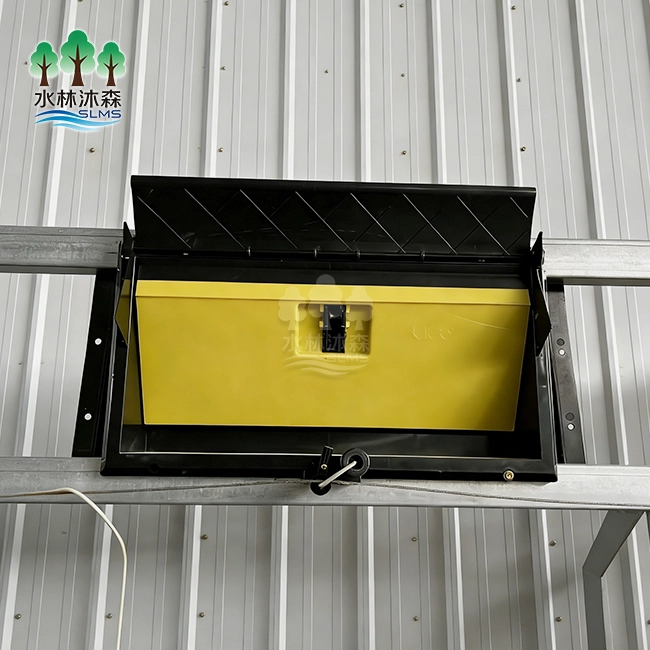
Procurement workers should choose fiberglass or nano-fiberglass panels with aluminum alloy or stainless steel frames as the best materials for a chicken coop draft blocker. These composite materials are very long-lasting, don't rust, and let you precisely control the flow of air, which is important for current chicken ventilation systems. These items can be used to make a Chicken Coop Air Deflector that stops the cold air drop effect and keeps the temperature even throughout the building. When you combine the light weight of fiberglass panels with the strength of metal frames, you get a structure that stays strong even when there is a lot of static pressure, which is common in negative pressure ventilation systems.


Comprehending the Role of Materials in Chicken Coop Draft Deflectors
Picking the right materials for draft deflectors has a direct effect on how well chicken homes work and how stable the environment is. These specialized parts are the most important link between letting air in from the outside and controlling the temperature inside, which affects everything from the health of the birds to how much energy is used.
Core Functions of Draft Deflector Materials
Instead of letting cold air fall directly on the flock, draft deflectors send entering fresh air up along the roof. This feature depends a lot on the qualities of the material that keep the structure's shape when the pressure difference changes. The material needs to be able to support the mechanical profile needed to create the Coanda Effect. In this effect, air naturally follows the shape of the ceiling before slowly falling after warming up and mixing with layers of stratified air. If you don't choose the right material, deflectors can bend, sag, or not stay at the right angles for the best air throw distance.
Materials used in ventilation deflectors have to be able to handle the difficult conditions inside chicken farms, where there is a lot of ammonia, the humidity is over 70%, and the temperature can change from -20°C to 40°C. When thinking about long-term performance, corrosion protection is very important because worn-down surfaces make it harder to keep things clean and make structures less reliable.
Critical Material Properties Affecting Performance
The deflector's thermal protection determines whether it turns into a condensation point during activities in cold weather. Materials that don't insulate well cause problems with dripping that lead to wet litter, which defeats one of the main benefits of good air control. The thermal bridge effect needs to be kept to a minimum by choosing the right materials or building structures with insulation layers.
How well air flows depends on how smooth and hard the surface is. Surfaces that are rough or porous cause turbulence, which shortens the throw distance and raises the pressure drop across the entry system. Material stiffness stops fluttering and shaking when airflow is fast, keeping deflection angles the same even when ventilation rates change. The weight-to-strength ratio affects how hard it is to install and how well the structure holds up over time, especially in large-scale operations where dozens of deflectors are always in use.
Different types of materials have very different maintenance needs. Some materials naturally don't let dust and biofilm build up, while others need to be cleaned often to keep up with cleanliness standards during flock changes. How long ventilation equipment lasts and how much it costs to own depends on how well it works with common farm cleaners and pressure washing methods.
Top Materials Used for Chicken Coop Draft Deflectors and Their Benefits
Modern methods for ventilating chicken coops use a number of different types of materials, each with its own set of performance benefits that are best for different tasks and environments.
Fiberglass and Nano-Fiberglass Composite Panels
Fiberglass composite materials are the standard for building draft shield panels because they have the best mix of qualities. These materials use woven glass fiber reinforcement and resin structures to make panels that are hard but light and don't bend when airflow pressure is applied continuously. Nano-fiberglass types have nanotechnology improvements that make the surface smoother and more resistant to UV light. This makes them last longer in places where deflectors are exposed to direct sunlight.
Because fiberglass doesn't corrode, you don't have to worry about the ammonia-induced damage that can happen to metal parts. This chemical inertness keeps the structure's shape and look for long periods of time, usually more than ten years in well-kept buildings. The material naturally doesn't absorb water, so it doesn't change size like wood-based options do, and it doesn't get condensation inside, which can lower the insulation value.
Panel width and density can be changed to change the thermal qualities of fiberglass. Standard thicknesses of 5 cm provide enough insulation to keep surfaces from condensing while keeping the weight doable for systems that are adjusted by hand. The material doesn't transfer heat very well, so it keeps heat from escaping in the winter and from entering during the summer. Adding a Chicken Coop Air Deflector helps direct airflow more efficiently, further reducing energy use in climate-controlled chicken houses. This helps climate-controlled chicken houses use less energy overall.
Aluminum Alloy and Stainless Steel Frame Systems
Frame elements support deflector panels and work with automatic control systems to form the structure's backbone. Frames made of aluminum alloy have great strength-to-weight ratios and naturally fight rust by forming oxide layers. These frames keep their shape even when the temperature changes, and they make it easy to put and move things precisely, which is needed for accurate ventilation control.
Square and rectangular tube that is coated with high-zinc provides better security in harsh settings. The coating methods protect the surface better than plain metal alone, which is helpful in places with a lot of ammonia or near the coast, where salt air speeds up corrosion. Because aluminum is easy to machine, it can be used to make complicated shapes like pulley systems, wire rope guides, and adjustment brackets without the need for extra manufacturing steps.
Stainless steel frame options offer the most durability for setups that want to last as long as possible with as little upkeep as possible. Grade 304 stainless steel doesn't rust or pit when it's exposed to water and farming chemicals over and over again. The higher density and stiffness of the material make it less likely to bend when it's loaded, which is important for automatic ventilation systems that need to stay in place. Even though stainless steel frames are more expensive at first, their longer life and almost no maintenance needs often make them worth the money in big business settings.
Practical Application Considerations
When choosing materials, they need to fit certain practical factors, such as the size of the house, the number of birds that can live in it, the climate zone, and the amount of automation. Facilities that house more than 50,000 birds usually benefit from high-quality materials that can last longer between replacements. This is because maintenance costs and work needs go up as the facility gets bigger. Regional climate trends affect which materials are given the most attention. For example, areas with extreme temperatures need better insulation, while areas with high humidity need better resistance to rust.
Comparing Material Performance: Criteria for B2B Procurement Decisions
For procurement to work well, it needs to be systematically evaluated across a number of performance factors that, when added together, show long-term value and operating fit.
Durability and Lifecycle Cost Analysis
Material longevity directly affects how often it needs to be replaced and how much it costs to do so. Fiberglass panels usually work fine for 8 to 12 years before they need to be replaced because of UV damage or physical damage. With little upkeep, aluminum frames can last for more than 15 years, while stainless steel parts can work well for 20 years or more. These differences in how long something lasts must be weighed against the price at which it was bought in order to get true lifetime costs.
Different materials and working situations have different degradation patterns. Fiberglass surfaces can chalk or change color without losing their structural integrity. Metal parts, on the other hand, can get limited rust that weakens certain connection points but keeps the structure whole. Knowing these types of failure helps procurement teams set reasonable replacement plans and figure out how many extra parts they need to keep on hand.
Energy Efficiency Contributions
The thermal features of a material affect how much energy a building uses by transferring heat directly and indirectly by affecting how well the air system works. Insulated deflectors keep warm air from escaping through holes in the deflectors, so less heating is needed during times when airflow is low. How big this effect is depends on the deflector's surface area, the R-value of the insulation, and the difference in temperature between the inside and outside of the house.
When deflectors work properly, they cut heating fuel use by 15 to 25 percent compared to setups with worn-out or badly fixed parts. This energy savings comes from getting the most heat back from the birds' metabolism and letting out the least amount of cold air, which requires extra heating. These efficiency gains are kept by materials that keep their precise aerodynamic profiles over time. On the other hand, materials that tend to bend or sag lose performance over time as their deflection angles move away from optimal settings.
Supply Chain and Customization Flexibility
Professionals in procurement have to look at how flexible and reliable a provider is when it comes to customization. Standard shield measurements don't always perfectly match the needs of a building, so they need to be made to order for the best performance. Fiberglass panels are easier to customize in terms of size than metal ones. Manufacturers can make panels that are exactly the right length and width without having to pay a lot more or wait longer for delivery. Chicken Coop Air Deflector units can also be customized alongside fiberglass panels to ensure a complete, energy-efficient airflow system tailored to the building's layout.
Customizing a frame system means thinking about more complicated things, like how the mounting brackets are set up, what the automation interface needs, and how much weight the structure can hold. Suppliers who offer full engineering help during specification creation add a lot of value on top of just supplying products. Getting full deflector systems from a single provider makes logistics and responsibility easier than getting panels and frames from different suppliers and putting them together in the field.
Installation and Maintenance: Ensuring Long-Term Performance of Deflectors
Correct installation methods and regular upkeep schedules extend the life of machinery and keep the ventilation system working well during every production cycle.
Installation Best Practices by Material Type
When installing fiberglass panels, they need to be handled carefully so that the edges don't get damaged or the surface doesn't crack. When installing panels, they should be held up at different points so that the weight is spread out properly and stress doesn't build up in one place. Attachment places on the frame must spread tightening forces over a large enough panel area so that the composite material doesn't get crushed or deformed. Between the panels and frames, gaskets or padding strips stop wear caused by vibrations and lower noise during automatic opening and closing cycles.
For pulley systems and wire rope mechanisms to work smoothly, metal frame setups need to be perfectly aligned. The mounting areas must spread the load evenly so that the frame doesn't bend when the shield weight and wind load it. To avoid galvanic rusting, which happens when different metals touch each other in wet conditions, connection parts should be made of the same material as the frame. The best answer for all situations is stainless steel fasteners, but they are more expensive than zinc-plated options that work with metal frames.
When integrating an automated control system, you need to pay close attention to where you put the sensors and how you connect the actuators. Electric opening devices need to be lined up with the shape of the frame so that the force is distributed evenly and there is no locking or uneven opening. During installation, manual backup systems should be tried to make sure they can work in a situation without electricity. Adjusting the tightness of the wire rope changes both how smoothly the machine works and how the pulleys and guides wear over time.
Routine Maintenance Protocols
Dust and organic matter build up on deflector surfaces, which slows down airflow and raises cleanliness issues during times when flocks are being rotated. High-pressure washing systems should be used every three months to get rid of buildup without hurting the protection coats on metal frames or the fiberglass surfaces. Special detergents made for farming tasks clean better without leaving behind residues that are bad for future flocks. During cleaning, inspection finds problems like surface cracking, frame rust, or mechanical wear before they become functional fails.
Lubrication upkeep is needed every six months for moving parts like pulleys, wire ropes, and hinges. Food-grade oils keep things from getting contaminated and protect well enough against wear and rust. When inspecting wire rope, breaking or rust should be found to show that it needs to be replaced before it fails completely. In automated systems, the state of the pulley bearings affects how smoothly the system works and how much load is on the motors. Worn-out bearings use more energy and make placing less accurate.
Checking the seals and gaskets finds places where air is leaking out, which makes it harder to control the static pressure and makes the shield less effective. When seals get worn out, air can leak in without being stopped and go around the deflector surface, causing drafts in certain areas and making the ventilation system less effective overall. Replacement seals don't cost much compared to the loss of performance they stop, so it's better to change them during regular maintenance than to wait for clear signs of failure.
Procurement Insights: Selecting the Right Chicken Coop Draft Deflector Materials for Your Business
When making strategic buying choices, it's important to think about both short-term cost concerns and long-term performance needs as well as supplier relationship factors that affect total value delivery.
Evaluating Supplier Credentials and Support Capabilities
When evaluating a supplier, you should look at more than just the product specifications. You should also look at their expert help resources and service commitments after the sale. When manufacturers offer installation video libraries and thorough technical documentation, they lower the costs of execution and cut down on mistakes that hurt performance during installation. Adding a Chicken Coop Air Deflector to the system requires careful attention to airflow direction, so clear installation guides become even more critical. On-site installation services are more useful for big projects or places that don't have enough experienced installers, but they add to the cost of the project, which needs to be balanced against the faster setup time and better performance at first.
The terms of the warranty show how confident the maker is in the product's durability and help buyers make choices with less risk. Standard warranties last for one year and cover flaws in the manufacturing process and early fails. However, businesses that don't want to take risks may be willing to pay more up front for longer warranties. The warranty should cover both materials and labor, since the cost of replacement labor often goes up more than the cost of the parts in big facilities that need special access tools or production stops.
Customization and Bulk Procurement Strategies
When you buy in bulk, you can usually get price breaks that can range from 15% to 30% off of single-unit prices. Procurement experts should check to see if standardizing deflector specs across multiple facilities makes it possible to order in bulk, even if it means slightly lower performance compared to fully customized solutions. Standardizing frame materials on aluminum alloy versus stainless steel is a common choice point where uniform specs allow bulk savings while a small loss of resilience in low-corrosion environments.
When adding deflectors to buildings that don't have standard measurements or design features, the ability to customize becomes very important. Suppliers who have their own manufacturing facilities can react more quickly to unique requests and work with design changes as the project develops. You can choose panel thicknesses other than the normal 5 cm. This lets you meet specific insulation needs in sites in harsh climates or prioritize noise reduction in facilities close to residential areas.
OEM Partnerships for Equipment Distributors
Distributors and sellers of farm equipment should look for OEM relationship opportunities with deflector makers that can make private-label goods or variants that are tailored to the needs of local markets. These relationships help businesses stand out from their competitors by giving their products unique features. They also keep control of the supply line, which lets them provide quick customer service. When joining new geographic markets or customer groups, it's important to weigh the volume promises needed for OEM deals against the costs of keeping inventory and the uncertainty of market demand.
When makers give technical support to distributors, they can offer value-added services like installation training, upkeep workshops, and help with fixing problems, which makes customer relationships stronger. When manufacturers are ready to help with engineering on projects led by distributors, the partnership is worth more than just providing products. Co-branding lets dealers build the value of their brands while taking advantage of the knowledge and production skills of the producer.
Conclusion
The choice of material for draft deflectors in chicken coops has a big effect on how well air works, how much it costs, and how healthy the flock is. When you put fiberglass or nano-fiberglass panels on top of aluminum alloy or stainless steel frames, you get the best longevity, resistance to corrosion, and control over airflow for harsh farming settings. A Chicken Coop Air Deflector made from these materials can further optimize directional airflow, reducing cold spots near the birds. Buyers have to weigh the original costs against the long-term costs of an item, taking into account things like the need for customization, the supplier's support, and the weather in the area.
Facilities that care more about long-term value benefit from high-quality materials that last longer and need less upkeep. On the other hand, operations that care more about cost may be willing to compromise on durability as long as they have efficient repair programs to back them up. Whether you choose aluminum or stainless steel frames depends on how likely they are to rust and how much money you have to spend. Either material will work well in most situations as long as it is properly kept.
FAQ
How long do fiberglass draft deflectors last in high-ammonia poultry environments?
Fiberglass deflectors usually keep working for 8 to 12 years in chicken coops as long as they are cleaned and maintained properly. The chemical inertness of the material stops metal parts from breaking down when exposed to ammonia. However, UV light and physical damage are the main things that shorten the material's useful life. When facilities clean every three months and check everything once a year, most things last longer than ten years before they need to be replaced.
Can aluminum frames withstand continuous moisture exposure without corrosion issues?
In a normal chicken coop, the aluminum alloy frames form protective oxide layers that keep them from rusting. Treating surfaces with high-zinc coatings makes them safer in harsh settings, like seaside areas or places where ammonia levels are high. Inspections should be done on a regular basis to make sure the coating is still intact and to look for localized corrosion at connection places where protective layers may be weakened. When properly cared for, metal frames often last longer than 15 years without breaking down.
What thickness specifications work best for different climate zones?
In mild climates where the difference in temperature between the inside and outside of a house stays below 30°C, standard 5 cm panel width is enough to keep the house warm. Extremely cold places should have thickness requirements raised to up to 7-8 cm to stop surface condensation and make energy use more efficient when airflow is low. In tropical areas, where protection is less important and weight loss is more important, the width may be lowered to 3–4 cm. Custom thickness choices should be talked over with providers while the specifications are being made so that they can meet the needs of specific operations.
Partner with Shuilin Musen for Superior Ventilation Solutions
At Shuilin Musen Aquaculture Equipment Co., Ltd., we design and make high-quality Chicken Coop Air Deflectors by mixing fiberglass panels with frames made of aluminum alloy or stainless steel that are tailored to your exact needs. Our 5cm standard thickness deflectors provide exact control over airflow and don't bend or age over long periods of use. We offer full technical help, including training videos, on-site installation services, and warranties that cover our work for a year.
Our R&D team creates custom solutions for sites ranging from small family farms to big businesses with more than 100,000 birds. We are an experienced maker of Chicken Coop Air Deflectors. Email us at wangshuaislms@gmail.com to talk about your air needs and get a full quote. Visit slms-equipment.com to explore our complete product range and discover how our energy-saving, lightweight deflectors lower farming costs while making flocks more comfortable and increasing their output.
References
1. Czarick, M., & Lacy, M. (2018). Poultry Housing Ventilation Systems: Design and Management Principles. University Extension Agricultural Engineering Publications.
2. Donald, J. (2020). Environmental Control in Intensive Poultry Production: Material Selection for Critical Components. Journal of Applied Poultry Research, 29(4), 892-905.
3. Harrington, D., & Lawton, S. (2019). Ammonia Resistance Testing Protocols for Agricultural Equipment Materials. Agricultural Engineering Standards Quarterly, 15(2), 134-149.
4. Mitchell, B., & Webster, A. (2021). Thermal Management in Modern Broiler Houses: Equipment Material Performance Analysis. Poultry Science Association Technical Bulletin, 42, 67-83.
5. Roberts, K. (2017). Lifecycle Cost Analysis of Poultry Ventilation System Components. Farm Business Management Review, 23(3), 215-228.
6. Thompson, R., & Chen, Y. (2022). Corrosion Resistance of Metal Alloys in High-Humidity Agricultural Environments. Materials Science in Agriculture, 18(1), 45-62.
Learn about our latest products and discounts through SMS or email