How to install pipe fastening brackets in breeding houses?
If you don't install pipe fastening clamps properly in breeding houses, your feeding, watering, and ventilation systems will not work as well as they should. The Breeding House Pipe Fastening Bracket is the necessary gear for connecting different pipeline systems to building frames. It keeps automatic feeding lines, water distribution networks, and temperature control ducting safe. Proper installation stops bowing, cuts down on upkeep issues, and increases the life of equipment—all of which are very important for farms that take care of thousands of birds. This guide shows you how to install everything and includes information on product specs and buying tips that are specific to big poultry businesses.


Understanding Breeding House Pipe Fastening Brackets
What Makes These Brackets Different from Standard Hardware
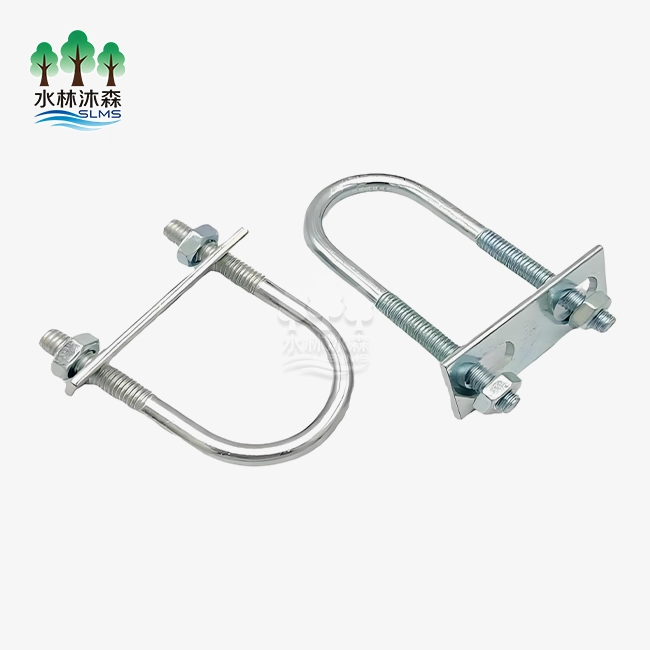
In breeding areas, where ammonia fumes, wetness, and changes in temperature are always present, standard industrial pipe clamps break down quickly. Specialized pipe fixing systems for animal facilities use materials that don't rust and designs that are stronger. Our Breeding House Pipe Fastening Brackets can hold pipes with sizes ranging from Φ6 to Φ75. This means they can be used for small water lines to large ventilation tubes.
Hot-dip galvanized steel is a cheap way to protect things, while 304 stainless steel is the best choice for places with a lot of humidity, like duck houses and broiler farms. The clamp body, fastening parts, and fixing base all work together to spread the weight out evenly. This keeps stress clusters from happening, which would otherwise cause the part to break early.
Types and Material Selection Considerations
Fixed brackets provide the most support for systems that stay in one place, like main feed distribution pipes that run along the centerlines of a building. Adjustable types let you move them either vertically or horizontally, which is helpful when you're upgrading your equipment or working with the growth cycles of birds in layer operations. Heavy-duty clamps can handle the mechanical stress that comes from systems that feed liquids and whose hydraulic pressure changes during filling cycles.
The right material for your building depends on its factors. Galvanized steel works well in mild settings with good air flow, but stainless steel is needed in places that use acidic cleaners or house birds that make a lot of moisture. Both materials can stand up to the corrosive effects that are common in heavy breeding operations, so they keep their structure integrity for long periods of time.
Design Features Supporting Automated Systems
These days, breeding facilities depend on technology, and our bracket design works perfectly with these systems. The mounting design is flexible enough to fit different beam shapes and wall types without having to be made from scratch. When the temperature rises, the rounded ends protect the feed lines and water tanks from damage. The finish is resistant to acids and bases, so it can survive the cleaning methods required by biosecurity programs. High load-bearing capacity makes sure that clamps won't bend when pipes are full of fluid or when automatic feeding augers are vibrating. When you put these features together, they make a support system that makes your operations more efficient instead of less efficient.
Step-by-Step Installation Guide for Pipe Fastening Brackets in Breeding Houses
Pre-Installation Preparation and Tool Requirements
Check the state of the mounting surface and the structure's load ability before you start the installation. Get the tools you'll need, like a power drill with the right metal or brick bits, a measuring tape, a level, a pen, wrenches that fit the sizes of the bracket fasteners, and safety gear. Look over your building plan drawings to find the paths of the pipes that will carry water, air flow, and automatic feeding systems. Check the outer sizes of the pipes to make sure the brackets will fit within the range of Φ6 to Φ75. When the clamps are delivered, check them for any damage from shipping and make sure that all of the fixing parts are included. Clean the mounting surfaces to get rid of any dust or biological waste that could affect the quality of the fitting.
Positioning and Marking Bracket Locations
The right spacing keeps the system working well and stops pipes from sliding. For horizontal runs that carry liquid feed, space the frames no more than two meters apart. Cut the distance between the pipes down to one meter near valves, bends, or other places where stress builds up. Make sure the brackets are level and lined up horizontally, or follow the slope that was planned for gravity-fed systems.
Once the parts are lined up, use a permanent pen to mark the mounting holes. Allow for pipe growth by leaving a small gap in the clamp—tightening it too much stops heat from moving, which can cause PVC pipes to crack when temperatures change. When adding multiple parallel lines, like in cage-layer systems, make sure the vertical spacing stays the same. This will make it easier to do upkeep in the future.
Securing Brackets and Attaching Pipes
Follow the manufacturer's instructions and make sure the hole depth is the same as the length of the bolt. Use expansion anchors that are rated for farming settings on concrete or brick surfaces. For the best resistance to pulling out, metal beams need self-tapping screws or through-bolts with backing plates. Place the bracket base tightly and make sure it is lined up before tightening it all the way.
Put the pipe inside the clamp and close the device that holds it in place. This will make a tight fit without breaking the pipe. Clamps with rubber linings stop vibrations from pumps and fans from getting through. Once all the clamps along a pipe run are in place, make sure the whole thing stays in the right place and slopes properly. Our technical support team offers installation videos that show these steps being done in a real breeding house. This will help your installation crew avoid making common mistakes.
Comparing Breeding House Pipe Fastening Brackets: Choose the Best Fit for Your Operation
Performance Advantages in Agricultural Environments
Standard brackets from the hardware shop don't have the special tech that is needed for large animal facilities. Our Breeding House Pipe Fastening Brackets are tested with salt spray for more than 200 hours for stainless steel versions, showing that they are resistant to rust. The chemical makeup check makes sure that the material is consistent. For example, stainless steel choices have at least 18% chromium and 8% nickel, which means that they will work as expected when exposed to ammonia. In chicken coops, standard mounts break after two to three years, but agricultural-grade hardware that is properly described lasts longer than fifteen years. Because they last longer, they cost less to repair and cause fewer production stops during key growth periods.
Material Comparison: Stainless Steel Versus Galvanized Options
Hot-dip galvanized frames are often chosen by businesses that want to save money because they are cheap to buy at first. These work fine in places with good ventilation and a modest level of dampness. However, buildings that house ducks or use fogger systems to control heat stress create mist that speeds up the breakdown of zinc covering. While stainless steel clamps cost about 40–60% more up front, they don't need to be replaced as often, saving you money in the long run.
Instead of just looking at the buying price, figure out the total cost of ownership over ten years. When working in dry climates or for short periods of time, galvanized options make sense. On the other hand, lasting building investments call for stainless steel options. Both types of material can fit pipe sizes between Φ6 and Φ75, and they are both installed in the same way.
Fixed Versus Adjustable Bracket Selection
Fixed brackets are the most rigid option for long-term installs where the pipeline lines won't change. They do a great job of serving main distribution lines that feed different parts of a barn. Adjustable frames give you a little more freedom by letting you change the height as the birds get older or when you add new tools to an existing facility. The adjustment system adds some extra parts that need to be checked every so often, which slightly raises the upkeep needs.
For 70–80% of installations, procurement managers should ask for fixed brackets. They should save adjustable models for key sites where operating freedom is valuable. When you buy both types of brackets at once through a bulk buying scheme, you can save money. Our customization service can change standard designs to fit the needs of a specific building, making sure the best fit without the cost of expensive construction on-site.
Maintenance and Longevity of Breeding House Pipe Fastening Brackets
Routine Inspection and Cleaning Protocols
Set up reviews every three months to check for obvious corrosion, tight fasteners, and bracket alignment. When the barn is cleaned, high-pressure washing gets rid of the dust and biological matter that has built up and is sticking to metal surfaces. Pay extra attention to brackets that are close to watering and misting systems, as the constant dampness will speed up the deterioration process. In places with a lot of stress, galvanized frames may get white rust, which is a protective layer that is different from red rust, which is damaging. Stainless steel usually only needs to be cleaned to keep its look and function. Keeping track of trends of wear and tear across your building can help you make decisions about what to buy next and how much money to spend on maintenance.
Recognizing Failure Warning Signs
Early identification stops major pipe failures that mess up bird feeding plans or put their health at risk. Check for loose mounting gear that could mean that fasteners are wearing out or the base is breaking down. If a bracket deforms, it means that it is overloaded or the material is breaking down. Pipes that aren't lined up right in clamps are usually a sign of bad fitting or problems with heat stress.
The Breeding House Pipe Fastening Bracket may be affected by galvanic rusting between metals that are not the same, which can cause discoloration around connection points. Our one-year guarantee covers problems with the way the product was made and with the materials as long as they are used normally in agriculture. After the warranty period is over, keeping thorough records of upkeep helps find systemic problems that need design changes or higher standards in the barn parts that are affected.
Partnership Benefits and Technical Support Access
Suppliers with a good reputation add value beyond the deal. We offer ongoing expert advice to help with installation problems, questions about choosing materials, and fixing. Our professional engineering team can look over building plans before they are built and make suggestions on where and how the brackets should be placed. Installation videos go along with written instructions because they show the right way to do things in real breeding settings. Because they can be customized, braces can be made for specific uses that aren't covered by regular product lines. Setting up a relationship approach instead of a transactional buying method makes it possible for building infrastructure management to keep getting better.
Procurement Tips: Sourcing the Right Breeding House Pipe Fastening Brackets
Evaluating Supplier Qualifications and Certifications
Verified supplier qualifications are the first step in building a good breeding system. Instead of looking for general industrial hardware wholesalers, look for makers who have experience making equipment for farming. Certifications that show that materials can be tracked and that the production process is controlled guarantee that the standard of the product will stay the same.
If a supplier has been in the market for a long time, it means that they have strong quality control systems and reliable supply lines, such as when providing a Breeding House Pipe Fastening Bracket. Ask for test results on the material that prove its chemical make-up and mechanical properties. Companies that offer customization services usually have better tech skills than companies that only sell stock items. Our eight-year background of working with farm machinery shows that we are dedicated to this specific market area.
Bulk Ordering and Customization Considerations
Volume purchasing agreements are very helpful for large setups. Ordering all of your building needs at once can often get you better prices and make sure that each batch is the same. Talk to your suppliers about your project's plan so that shipping times don't conflict with building stages. This will help you avoid problems with storing and negative effects on your cash flow.
Framework deals lock in prices and allow deliveries to be spread out over time, which is helpful for businesses that manage multiple places or plan phased growth. Customization is useful when regular goods don't meet all of your needs. When it comes to exact dimensions, finishes, or mounting arrangements, we can work with you. Custom orders usually take longer to make, so plan for this in your project to avoid delays on the key path.
Pricing Trends and Total Cost Analysis
Prices for galvanized steel brackets have stayed the same on the market so far, with only small price rises to represent the cost of the base metal. Nickel metal markets have a bigger effect on the price of stainless steel. Freight costs have a big effect on shipped prices, especially for packages that are heavy or bulky. Most of the time, domestic providers can deliver faster than imports, which lowers the cost of keeping inventory on hand.
When you compare quotes, make sure that the prices are the same by adding in shipping, any related duties, and the terms of payment. Think about the different types of warranty coverage. Longer warranty periods show that the maker trusts you and lower your risk. Being a combined manufacturer-supplier gives us a competitive edge because we don't have to pay distributor margins. At the same time, we keep the quality standards that professional farm workers and farming companies expect.
Conclusion
Installing Breeding House Pipe Fastening Brackets correctly is the first step to running a breeding house that works well. By choosing the right materials, installing them in a methodical way, and following proactive maintenance practices, you can make infrastructure last longer and keep operations running smoothly. Because farming settings have unique needs, they need custom-designed solutions instead of general hardware that has been hacked together.
Our broad product range covering Φ6-Φ75 pipe diameters, combined with material choices suited to different environmental conditions, offers answers for nearly any breeding facility configuration. Successful buying balances initial investment against total ownership costs, bringing in longevity, guarantee coverage, and seller support capabilities that continue well beyond the purchase transaction.
FAQ
What bracket features matter most in high-humidity breeding environments?
Corrosion resistance is the most important thing to think about. In duck houses and other places that use evaporative cooling, brackets made of stainless steel or quality galvanized steel with thick zinc coats keep them from breaking too soon. To prevent galvanic rusting, make sure that all of the fastening parts are made of the same material as the bracket. When compared to sealed bracket types, those with drainage holes or open designs that don't trap water last longer.
Should we hire professionals to do the work or do it ourselves?
How hard an installation is depends on the size of the building and the skills of the crew. Small businesses that are improving individual barns can handle installation with the help of our video instructions and technical support. Agricultural workers with experience who know what a breeding environment needs are helpful for projects with more than one barn or new building plans. Professional installation usually comes with a guarantee and makes sure that the work meets the requirements of structural engineering, which are important for protecting large investments.
How often should we check the pipe support brackets and fix any problems we find?
Visual checks are done every three months as part of regular building upkeep. These checks find problems early on, before they become major problems. High-stress areas near pumps or lines that carry a lot of liquid should be checked once a month. Comprehensive checks should be done once a year to keep track of the state of all brackets. This will create maintenance records that can be used to plan replacements and make budget projections.
Partner With Shuilin Musen Aquaculture Equipment for Reliable Pipe Support Solutions
Weifang Shuilin Musen Aquaculture Equipment Co., Ltd. has eight years of experience building breeding facilities, so they can help you with your business. As a well-known company that makes Breeding House Pipe Fastening Brackets, we offer complete solutions that include designing products, making them fit your needs, and providing ongoing technical support. Our engineering team creates specifications that are special to your plant, whether you're building new broiler houses or updating layer operations that are already in place.
The mix of hot-dip galvanized and 304 stainless steel choices works for a wide range of budgets and weather conditions. Each bracket goes through strict quality control to make sure it can withstand acids and bases, hold a lot of weight, and be the right size. This promise of quality is backed by our one-year guarantee. You can email our team at wangshuaislms@gmail.com to talk about the needs of your project, get customized quotes for large orders, or use our expert installation tools. You can look at our whole selection of products at slms-equipment.com and learn how our unified approach to supplying farming equipment makes your operations more reliable.
References
1. Anderson, J. K. (2021). Infrastructure Design for Modern Poultry Housing Systems. Agricultural Engineering Press.
2. Chen, W., & Martinez, R. (2020). Corrosion Resistance of Metal Fasteners in Livestock Environments. Journal of Agricultural Infrastructure, 15(3), 234-251.
3. Davies, P. L. (2022). Best Practices in Breeding House Construction and Maintenance. International Livestock Facilities Association.
4. Jensen, T. M. (2019). Load Distribution Analysis in Agricultural Pipe Support Systems. Applied Farm Engineering Quarterly, 8(2), 112-128.
5. Rodriguez, S., Thompson, H., & Wang, L. (2023). Material Selection for Corrosive Agricultural Environments. Agricultural Materials Science Review, 19(1), 45-62.
6. Williams, C. D. (2020). Complete Guide to Automated Feeding Systems in Commercial Poultry Operations. Poultry Science Publishers.
Learn about our latest products and discounts through SMS or email