How to reduce ammonia smell using ventilation fan systems
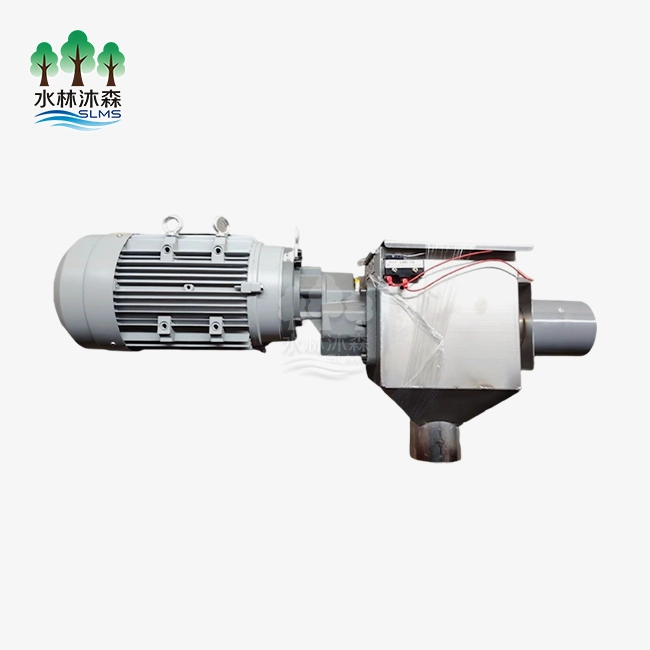
Getting rid of the smell of ammonia in animal buildings requires careful planning of ventilation. A Livestock Ventilation System Negative Pressure Fan solves this problem well by making a difference in pressure that pushes out dirty air and brings in fresh oxygen. This motor exhaust method gets rid of dangerous levels of ammonia, moisture, and heat all at the same time. When placed correctly and of the right size, Livestock Ventilation System Negative Pressure Fans can change the air quality in chicken coops, pig farms, and dairy barns. This protects animal health, boosts production, and makes sure that environmental rules are followed.


Understanding Ammonia Build-Up and Its Impact in Livestock Houses
Sources of Ammonia in Animal Housing
Increasing amounts of ammonia are caused by the breakdown of waste, urine, and sleeping materials. High stocking numbers and droppings that are high in nitrogen make things very hard for poultry farms. When there isn't enough air flow in sealed barns, ammonia levels can quickly rise above the safe level of 25 parts per million, which is bad for both animals and workers. Changes in temperature and humidity speed up this chemical process, making smell problems worse in the summer when biological activity is highest.
Health and Productivity Consequences
Broilers, layers, turkeys, and pigs can't breathe well when there is a lot of ammonia in the air. Birds that are exposed to high amounts of ammonia over a long period of time get blindness, have lower feed conversion rates, and have weaker immune systems. Poultry science departments have found that exposure to ammonia levels above 50 ppm is linked to less weight gain and higher death rates. When air quality control fails, production loses go beyond the direct health effects. Egg quality goes down, meat yields go down, and veterinary costs go up.
Recognizing Ventilation Deficiencies
Animals show signs of not getting enough breath before they show clinical symptoms. Poor air flow is shown by condensation on walls and ceilings, continuous moisture on floors, and obvious dust buildup. Animals that gather near openings or show signs of breathing problems are behavioural warning signs. If barn managers see that workers are having trouble breathing or their eyes are getting irritated, they should quickly check the airflow. Long-term exposure that hurts lung tissue and lowers lifetime output in livestock businesses can be avoided with proactive monitoring.
The Role of Negative Pressure Ventilation Fans in Reducing Ammonia
Operating Principles and Air Exchange Mechanics
Livestock Ventilation System Negative Pressure Fans work by letting fresh air from outside in through controlled inlets while fans push out air inside. In most cases, this makes a hoover inside the barn that is about 0.05 to 0.12 inches of water column pressure. Exhaust fans get rid of all contaminants, while movement fans just move the air around. The fresh air that comes in lowers the amount of ammonia that is still there, and the mechanical extraction gets rid of most of the smelly gases. This directed airflow design stops dead spots where ammonia can build up without being stopped.
Advantages Over Alternative Ventilation Approaches
Positive pressure systems bring air into buildings, but they don't give you precise control over where dirty air goes out. When it's quiet and humid, when ammonia problems get worse, natural airflow depends on wind patterns and differences in temperature, which don't always work. Livestock Ventilation System Negative Pressure Fans work the same way no matter what the weather is like outside. The managed placement of their intakes makes sure that air flows evenly through the whole barn. Fans use less energy because they only run when they need to in order to keep conditions at a certain level.
Calculating Required Airflow Capacity
A building's bulk, the amount of heat animals produce, and the number of air changes you want to happen each hour must all be taken into account when designing ventilation. During the height of summer, a 150-square-meter chicken section with room for 5,000 broilers needs to be able to exhaust 28,000 to 38,000 cubic meters per hour. This need is easily met by our 50-inch Livestock Ventilation System Negative Pressure Fan, which can ventilate 150 to 200 square meters per unit. If you do the maths right, you can avoid not enough ventilation, which lets ammonia build up, or too much ventilation, which wastes energy and chills young animals.
Selecting the Best Negative Pressure Ventilation Fan System for Your Farm
Evaluating Airflow Capacity and Energy Efficiency
When making purchases, people weigh the initial investment against the long-term costs of running the business. Our cattle ventilation system has a 1.1 kW fan that runs on 380V power and moves 28,000 to 38,000 cubic meters of air per hour while using less than 20 CFM per watt of energy. Compared to older belt-driven models, this efficiency ratio cuts power costs by a large amount. The direct-drive design gets rid of the need to replace belts and adjust tension, which further reduces the amount of upkeep that needs to be done over the fan's more than 40,000-hour operating life.
Material Durability and Corrosion Resistance
Because ammonia is acidic, it quickly breaks down things that aren't up to par. The structure of our fans is made of high-strength galvanised steel and 304 stainless steel, which are designed to last in harsh agricultural settings. Corrosion resistance that is higher than industry norms has been proven by salt spray tests. The 80-kilogram unit weight shows that the building is strong, so it doesn't break down from vibrations like lighter options often do. This means that businesses that plan for five to ten-year equipment lifecycles will have to repair less equipment, have less downtime, and get a better return on their investment.
Noise Considerations and Animal Welfare
Animals are constantly stressed out when there is too much noise from operations. Our Livestock Ventilation System Negative Pressure Fans have blades that are optimised for aerodynamics and motors that are precisely tuned so that they make as little noise as possible while they're running. In laying hen facilities, where stress lowers egg production, and in farrowing barns, where sows need calm surroundings, quiet behaviour is especially important. Testing has shown that our units work below the noise levels that cause chickens and pigs to change how they behave. This meets standards for animal care while still providing strong ventilation.
Manufacturer Support and Service Infrastructure
When choosing suppliers, you need to look at things like expert support, the availability of spare parts, and the length of the guarantee. Weifang Shuilin Musen Aquaculture Equipment Co., Ltd. offers full help for all stages of an item's life. Our group of five professional engineers comes up with custom airflow solutions that work with different barn layouts and animal numbers. Installation films show how to set up the system, and on-site installation services make sure it fits in properly with other buildings. The free guarantee for one year shows that the company trusts the product and saves buyers from problems with the way it was made.
Installation, Maintenance, and Troubleshooting of Negative Pressure Fans
Professional Installation Requirements
The best ammonia decrease relies on where the fans are placed and how well they are sealed off. Fans should be put on the building side that faces away from the wind, and air intakes should be placed so that air flows across the barn. Sealing the holes around the fan frames stops air from leaking out, which lowers the efficiency of the system. Professional installation services make sure that the electrical connections are correct, that the shutters work, and that they can link to environmental controls. Our expert team helps with placement estimates based on the size of the building to make sure that each 50-inch unit covers its 150 to 200 square metre area well.
Preventive Maintenance Protocols
Cleaning tools on a regular basis keeps it working at its best and extends its life. Inspections of the blades once a month get rid of the dust and feathers that build up and make the motor work harder and cut down on airflow. Motor bearings don't break down before they should if they are oiled according to the manufacturer's instructions.
Cleaning the shutter parts is necessary to make sure they close all the way when the fans turn off, which stops backdrafts in cold weather. The easy-to-reach design of our fans makes these maintenance jobs easier, so farm staff can do regular maintenance without needing special tools. Maintenance logs help you see how things are working and figure out when parts need to be replaced.
Common Issues and Rapid Solutions
Reduced airflow usually means that the shutter isn't working right or that blades are building up, not that the motor is broken. Sticky screens can stop up to 30 percent of airflow, which makes it harder to control ammonia. Most electrical problems are caused by voltage changes that cause contactors to fail or heat overload trips.
Our technical support team helps with troubleshooting through online advice, which keeps output as smooth as possible. Our Shandong factory makes replacement parts quickly, so fixes can be done quickly. Each unit comes with a detailed diagnostic guide that lets workers fix small problems on their own while also knowing when they need to call for professional help.
Case Studies: Successful Ammonia Reduction Using Negative Pressure Systems
Broiler Operation Achieves Improved Air Quality
During the summer, an Arkansas facility that raised 100,000 birds had trouble with ammonia levels above 60 ppm, which made it hard for the birds to breathe and made the group less regular. Adding Livestock Ventilation System Negative Pressure Fans to old buildings lowered the levels of pollution to 15 parts per million (ppm) and cut death rates by 1.8%.
The business estimated that it would get its money back in 18 months by increasing feed conversion and lowering medical costs. Real-time ammonia monitors told automated controls how to change the fan stages. This made the best use of energy while keeping the air quality constant during production cycles.
Layer Farm Reduces Odor Complaints
A facility that raised 50,000 hens to lay eggs was put under pressure by the government after complaints from the public about the smell. By installing a complete Livestock Ventilation System Negative Pressure Fan system with carefully placed exhaust fans, ammonia smells that could be detected outside of the property were removed. As a result of better weather conditions, the quality of the shell got better and eggs broke less often. Monitoring energy use showed that ventilation costs were 22% lower than with the old natural ventilation system. This shows that environmental responsibility and business economy can both improve at the same time.
Swine Facility Extends Equipment Service Life
Our corrosion-resistant Livestock Ventilation System Negative Pressure Fans were put in place of belt-driven fans that were worn out in a 2,000-head finishing barn. Over the course of five years of operation, the building had no fan replacements, whereas under the old method, fans were replaced every year. The cost of maintenance went down by 73%, and ammonia levels stayed below the desired amounts. The farm's experience proves that it is more cost-effective to use materials that don't rust in agricultural ventilation uses, especially in settings with a lot of moisture and ammonia, like those found in intense animal production.
Conclusion
Using Livestock Ventilation System Negative Pressure Fan ventilation to effectively control ammonia protects animal health, boosts output, and makes sure that regulations are followed. When you choose the right-sized, corrosion-resistant fans from a company with a lot of experience, the air quality and operating efficiency both get better. Because we've been developing agricultural tools for eight years, we can make answers that are suited to the problems that current livestock businesses face. When you combine our ventilation systems' strong construction, effective airflow delivery, and full expert support, you get a reliable partner in making the best barn environments for animal health and farm profits.
FAQ
How often should negative pressure fans be serviced?
The frequency of maintenance depends on the surroundings, but every six months is usually enough for most animal uses. In places with a lot of dust, like chicken coops, the blades may need to be cleaned every three months to keep the airflow working well. Inspections done on a regular basis find small problems before they get worse and cost a lot to fix. This extends the life of the equipment.
Can these fans integrate with automated climate control systems?
Variable frequency drives and building management controls can be used with modern Livestock Ventilation System Negative Pressure Fans. Integration lets you precisely change the airflow based on data from temperature, humidity, and ammonia sensors. This automation makes the best use of energy while keeping the environment in the right state. It also cuts down on the need for human work and makes stability better across production cycles.
What lifespan can operators expect from quality negative pressure fans?
Owners can expect good Livestock Ventilation System Negative Pressure Fans made of materials that don't rust to work reliably for 8 to 12 years in normal animal settings if they are well taken care of. Our units have service life rates of 40,000 hours or more, which is longer than the average in the business and gives you more value. When you put something correctly, keep it in good shape, and repair parts when they break, you get the most out of your investment and its operating longevity.
Partner with a Trusted Livestock Ventilation System Negative Pressure Fan Supplier
Problems with ammonia need tried-and-true ventilation methods backed by manufacturing know-how and quick technical help. Weifang Shuilin Musen Aquaculture Equipment Co., Ltd. has been specialising in farming equipment for eight years and is dedicated to quality and client satisfaction. Our 50-inch Livestock Ventilation System Negative Pressure Fans move 28,000 to 38,000 cubic meters of air per hour, which is enough to cover 150 to 200 square meters per unit. They are made to last ≥40,000 hours and won't rust.
We help your business by providing installation guides, on-site setup services, and a guarantee that covers you for a year. Email our team at wangshuaislms@gmail.com to talk about unique ventilation options that will work with your barn's layout, number of animals, and performance goals. Visit slms-equipment.com to see our full line of products and learn how working with an expert maker can improve the air quality and profits of your business.
References
1. Beker, A., Vanhooser, S. L., Swartzlander, J. H., & Teeter, R. G. (2004). Atmospheric ammonia concentration effects on broiler growth and performance. Journal of Applied Poultry Research, 13(1), 5-9.
2. Gates, R. S., Casey, K. D., Xin, H., Wheeler, E. F., & Simmons, J. D. (2008). Fan assessment numeration system (FANS) design and calibration specifications. Transactions of the ASABE, 51(5), 1709-1715.
3. Miles, D. M., Branton, S. L., & Lott, B. D. (2004). Atmospheric ammonia is detrimental to the performance of modern commercial broilers. Poultry Science, 83(10), 1650-1654.
4. Purswell, J. L., Dozier, W. A., Olanrewaju, H. A., Davis, J. D., Xin, H., & Gates, R. S. (2012). Effect of temperature-humidity index on live performance in broiler chickens grown from 49 to 63 days of age. Applied Engineering in Agriculture, 28(1), 119-124.
5. Ritz, C. W., Fairchild, B. D., & Lacy, M. P. (2004). Implications of ammonia production and emissions from commercial poultry facilities: A review. Journal of Applied Poultry Research, 13(4), 684-692.
6. Wheeler, E. F., Casey, K. D., Gates, R. S., Xin, H., Zajaczkowski, J. L., Topper, P. A., Liang, Y., & Pescatore, A. J. (2006). Ammonia emissions from twelve U.S. broiler chicken houses. Transactions of the ASABE, 49(5), 1495-1512.
Learn about our latest products and discounts through SMS or email