What are benefits of automatic manure handling in chicken farms
Modern chicken farms are under more and more pressure to deal with waste in an effective way while also staying profitable and following environmental rules. Adopting a Chicken Farm Automatic Manure Handling System solves these problems by collecting and removing waste automatically. This cuts down on labour costs by over 60%, improves cleanliness, and lowers dangerous emissions. These systems use scraper devices and conveyor belts to continuously remove waste, making the area healthier for birds and workers and supporting environmentally friendly farming methods that meet government standards.


Introduction
Taking care of manure is one of the biggest problems that comes up when you raise a lot of chickens. Concerns about controlling smells, pathogens spreading, and the environment, along with the huge amount of waste that thousands of birds produce, call for quick answers. Traditional methods of removing things by hand put a strain on workers, raise prices, and don't always meet cleanliness standards.
Farms that want to improve processes, follow stricter environmental rules, and protect flock health need to make sure they have effective trash handling systems. In this piece, the real benefits of using automated manure management systems are looked at. This helps procurement managers and farm owners make investment choices that are in line with their promises to both efficiency and sustainability.
Understanding Automatic Manure Handling Systems in Chicken Farms
Core Technologies and System Components
The way chicken farms clean up every day has changed a lot since automated waste management systems came along. These solutions combine motorised parts with control systems so that waste can be collected, moved, and thrown away without constant human help.
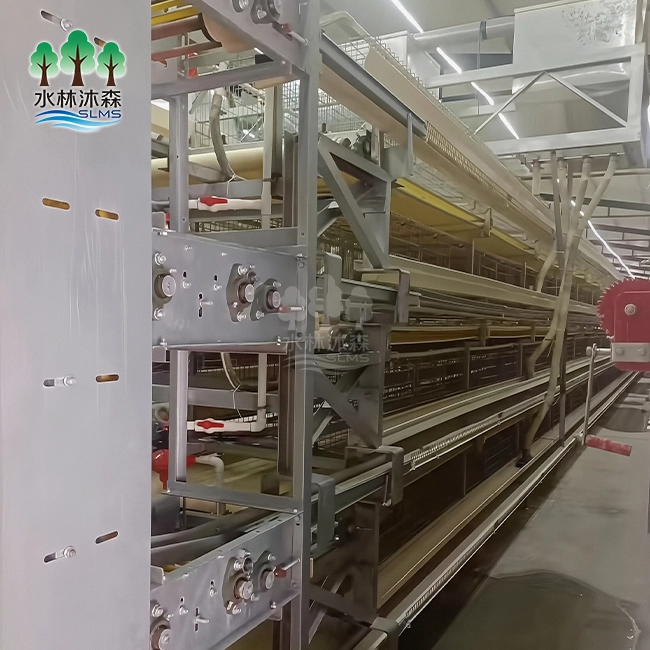
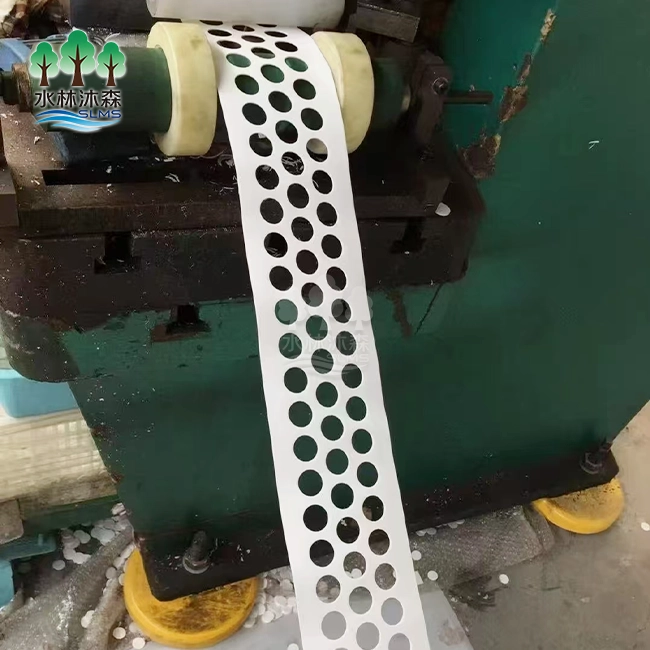
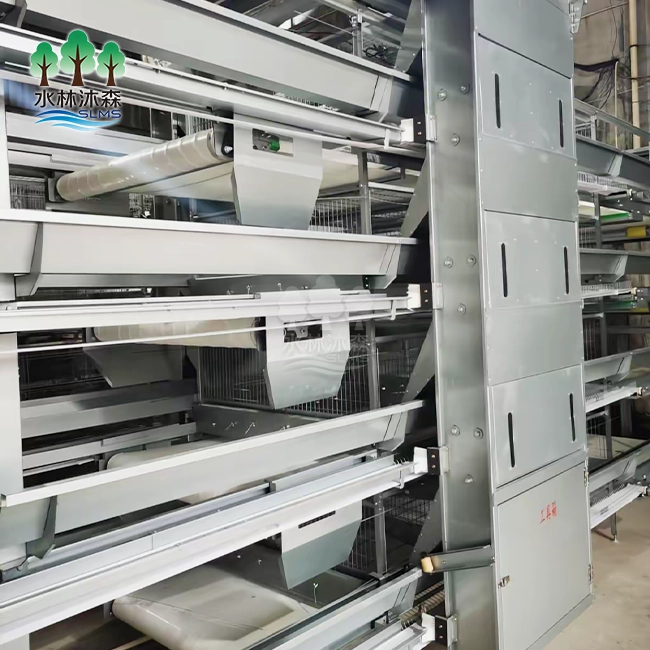
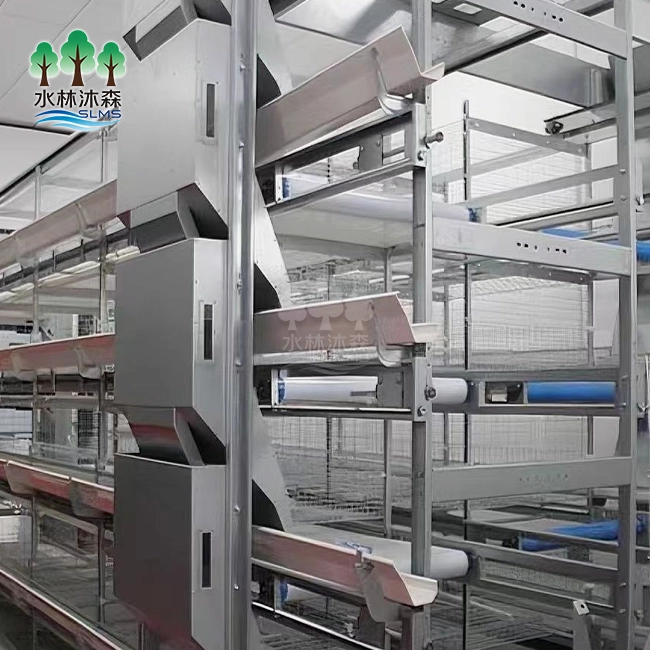
There are two main types of mechanisms used in this technology: conveyor belt systems made of high-quality polypropylene or PVC move trash along predetermined paths, and scraper-based systems with steel or reinforced plastic blades push accumulated material toward collection points. Modern systems use copper motors that last a long time, high-zinc coated steel frames that don't rust, and available stainless steel parts that last even longer, up to 8 to 12 years in normal conditions.
Operational Workflows in Modern Poultry Facilities
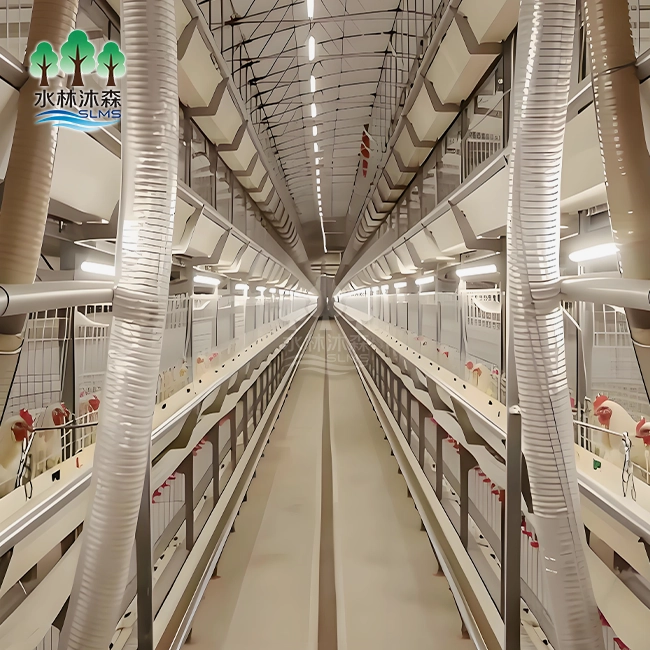
The systems work all the time in chicken coops, duck houses, and other poultry sites, picking up waste as the birds make it. At set times, conveyor belts run under the cage arrays, moving the trash to marked outdoor collection places or composting facilities. IoT sensors are built into more advanced systems to keep an eye on things like belt tension, motor performance, and the amount of waste that is building up.
This lets changes be made in real time and preventative maintenance messages be sent. This combination lets workers keep things running at their best without having to keep an eye on them by hand. This frees up staff to do more useful work and makes sure that sanitation standards are always met during production cycles.
Customization for Diverse Farm Infrastructures
For execution to go smoothly, system requirements and building features must match up. The sizes of the equipment, belt lengths, and motor capacities must meet the sizes of the chicken houses, whether you are in charge of activities with thousands of birds or ones that can hold over 100,000 birds.
Different coop lengths, tier configurations in H-frame or A-frame cage systems, and production models for layers, broilers or speciality poultry can all be accommodated by designs that are flexible, and Chicken Farm Automatic Manure Handling System can be integrated seamlessly into these flexible setups. This flexibility makes sure that farms buy options that work well with their current equipment instead of having to make expensive changes to their buildings.
Key Benefits of Automatic Manure Handling for Chicken Farms
Dramatic Labor Efficiency and Cost Reduction
Getting rid of trash by hand takes a lot of time and physical effort, especially in big businesses that need to clean every day. When compared to old ways of doing things, automated systems cut the amount of work needed by more than 60%. The effect on the economy goes beyond just saving wages.
Less physical stress means fewer injuries and lower costs for workers' compensation. Staff can also focus on more important tasks, like keeping an eye on the group, maintaining equipment, and following hygiene rules. Over the course of a yearly production cycle, these savings add up to big gains in operational margins, which can then be put back into projects to improve or expand the plant.
Environmental Compliance and Emission Control
Ammonia and hydrogen sulphide fumes are very bad for the health of both people who work with chickens and people who work with people. They also pollute the environment. When these chemicals build up in sites that aren't well managed, they create dangerous levels that hurt the air quality and lead to regulatory violations. Having trash picked up by a machine at the right time cuts gas emissions by a huge amount because trash doesn't have to stay in contact with birds and break down there.
Studies show that constant waste extraction systems can cut ammonia levels by as much as 40% compared to cleaning by hand once a week. This change helps farms meet EPA standards, stay out of trouble, and show that they care about the environment to people who care about the effects of farming and the towns that live nearby.
Here are the main ways that automatic systems improve health and productivity:
- Disease Prevention and Biosecurity: Regularly getting rid of trash slows down the growth of germs, which lowers the risk of getting an E. coli, Salmonella, and other germs that grow well in manure that has built up. Cleaner places mean fewer deaths and more people who need to take medicine.
- Improved Feed Conversion Ratios: Birds grown in clean environments with better air quality are more efficient with their feed, turning food into body weight more efficiently and making production more cost-effective.
- Extended Equipment Lifespan: Less exposure to toxic gases slows down the breakdown of cage systems, ventilation equipment, and structural parts, which lowers the long-term costs of capital repair.
Over time, these benefits add up, leading to measurable gains in flock performance measures, veterinary costs, and the general state of the facility. Operations report more consistent output and less variation in the weights of birds and the number of eggs they lay. This is because of better environmental management as a whole.
Long-Term Financial Returns and Investment Value
The initial investment in tools needs money, but most medium to big businesses see a good return on their investment within a reasonable amount of time. Aside from saving time, automated systems also save energy because they don't need as much ventilation as methods that use it to deal with bad air quality. They also lower the number of deaths because the health of the group is better, and processed dung could be sold as organic fertiliser, which could bring in money.
Costs are spread out over longer amounts of time with equipment that is made to last 8 to 12 years with little upkeep, and one-year warranties protect against early failures. When purchasing managers look at the total cost of ownership, they always find that technology pays for itself within 18 to 36 months, based on the size of the farm and the cost of labour in the area.
Choosing the Right Automatic Manure Handling System for Your Chicken Farm
Assessing Your Operation's Specific Requirements
The first step in selection is an honest look at what needs to be done now and in the future. Think about how many birds are housed, how the facility is set up (including the sizes and shapes of the cages), how much manure is made every day, and any existing infrastructure that might help or make installation harder.
Farms with more than one house should decide whether standard systems for all buildings or unique solutions for each building are best for efficiency and ease of upkeep. Understanding production cycles can help you set up working plans, like whether you want to clean at regular intervals or all the time. This planning keeps expensive mistakes from happening when equipment doesn't match what the farm needs.
Comparing Available Technologies and Supplier Capabilities
Belt-driven systems work best in multi-level operations that need to make the best use of vertical space because they cleanly move things with little spillage and are generally quiet. Scraper mechanisms work best in places that already have pits or where adding belt infrastructure would not be realistic. However, they may need to be built stronger to handle wet or compacted trash. Chicken Farm Automatic Manure Handling System complements both approaches by offering modular adaptability, ensuring that either belt or scraper designs can be optimized for farm-specific waste conditions without compromising reliability.
Check the quality of the motor; in harsh agricultural settings, copper-wound motors last a lot longer than cheaper options. Frame materials are equally important. High-zinc galvanised steel is very resistant to rust and doesn't cost too much, while 304 stainless steel is the most durable option for businesses that want to last, even though it costs more at first.
Technical specs should be given the same amount of weight as a supplier's image and service infrastructure. Manufacturers who offer full technical help through installation films and instructions make implementation go more smoothly. For complicated installs involving more than one building, on-site installation services take away the need to guess and make sure everything is set up correctly.
After-sales service networks that are responsive and offer quick access to parts and help with fixing keep operations from having to be shut down for long periods of time when problems happen. A one-year guarantee is the usual level of safety in the business, but some providers offer longer warranties or maintenance contracts for extra peace of mind.
Integration Considerations and Future Scalability
The best systems can adapt to changes in operations and growth. When groups grow, modular designs let capacity grow without having to update all the equipment. When automation systems like feeding systems, environmental controls, and data management tools work with each other, they build combined management ecosystems that make the most of efficiency gains. Think about how much electricity you need and where you can get it, how easy it is to clean up with water, and how much room you have for trash trucks or composting equipment. Taking these things into account when making the original choice keeps your business from getting stuck and makes upgrades easier as it grows.
Best Practices and Maintenance Tips for Automatic Manure Handling Systems
Establishing Preventive Maintenance Schedules
Failures that are expensive, stop output, and need emergency fixes can be avoided with routine care. Once a month, the belt should be checked to make sure it is tight, look for strange wear patterns, and make sure it is tracking correctly and not moving away from the center. Limit switches and anti-deviation rollers need to be checked to make sure they work right if the belts move.
Maintenance that is done every three months includes cleaning the drive wheels thoroughly, lubricating the gear reducers according to the manufacturer's instructions, and checking the motor bearings for noise or heat that doesn't seem normal. When you do a deep service once a year, you should check all the electrical connections, change the belt if it looks worn, and look at the frame to see if there is any rust or stress damage, even if there are protective coatings on it.
Operator Training and Troubleshooting Protocols
Users get the most out of their equipment when they know how to use it correctly and can spot problems early on. Start-up and shutdown processes, tension adjustment techniques, and how to spot sounds or moves that aren't normal and could mean a mechanical problem should all be covered in training. Operators need clear instructions on how to deal with common problems like small belt tracking issues, brief blockages caused by manure that is too wet, and restarting systems after the power goes out. Simple fixing skills cut down on the number of service calls and keep small problems from turning into big ones during busy production times.
Seasonal Considerations and Environmental Factors
Extreme temperatures can make a machine not work as well. In cold weather, manure can freeze to belts or rollers, so machines need to be warmed up before they can go to work or extra warmth is needed in buildings that aren't protected. Standard PVC materials don't stay flexible as well when they freeze as polypropylene materials do. This is an important feature for businesses in northern regions. When it's hot and humid, the manure may contain more water, which can make the belt less stable and mean that cleaning times need to be changed or retention sides need to be added to stop liquid spills. By understanding these effects on the world, changes can be made before problems happen, instead of after the fact.
Case Studies and Success Stories in Implementing Automatic Systems
Mid-Scale Layer Operation Achieves Labor Transformation
A 50,000-bird layer farm in the Midwest used to have two full-time workers whose only job was to clean up the manure. They did this every day for about four hours. After putting in a belt-based Chicken Farm Automatic Manure Handling System, the business cut the amount of direct waste management work to less than 30 minutes a day, which was used for upkeep and oversight. Because of this change, staff could be redirected to improve egg collection and facility tracking, which led to higher total output. Within the first year, the farm saw a 65% drop in labour costs related to manure, which was more than what the maker said would happen. Also, the amount of ammonia tested at bird height dropped by 38%, which was linked to a 4% increase in feed conversion efficiency that saved thousands of dollars a year in feed costs.
Large-Scale Broiler Complex Meets Regulatory Requirements
An operation with multiple grill houses that was being looked at by the EPA because of air pollution put in place automatic waste removal in all six production buildings, which house 240,000 birds per cycle. Peak ammonia levels were greatly lowered by the continuous removal capability, which brought the facility into compliance and kept it from getting fined. Environmental monitoring data sent to regulators showed steady gains, which helped the business build relationships with the community and get operating permits for planned growth. The site manager said that automatic systems were necessary to meet today's environmental standards while keeping production costs low.
Equipment Distributor Perspective on Reliability and Support
Distributors of agricultural equipment stress that customer happiness is more than just the quality of the equipment itself. It also depends on how reliable the seller is. Distributors say that they can better serve farming customers when makers provide detailed installation instructions, quick technical support, and new parts that are easy to find. When businesses choose systems backed by well-known companies with tested service networks, installation goes more smoothly and problems are fixed faster when they happen. This support system is especially helpful for farms that are far away and where getting service would take a long time and cost a lot of money.
Conclusion
Automating trash management is a smart investment that solves a number of practical problems at the same time. The big time savings on labour, better environmental compliance, better health results for flocks, and long-term cost savings make modern poultry businesses a strong financial case. Chicken Farm Automatic Manure Handling System exemplifies this value by integrating reliable waste removal with minimal daily oversight, allowing farms to redirect resources toward production priorities.
To be successful, you need to carefully choose a system that fits the needs of your farm, be committed to good repair habits, and work with sellers who offer reliable products and quick support. As government rules get stricter and the cost of labour keeps going up, automation goes from being a competitive benefit to a practical necessity for farms that want to keep making money.
FAQ
What is the typical investment cost for automated manure handling systems?
The amount of money needed depends a lot on the size of the farm, how the buildings are set up, and the technology that is chosen. Small to medium-sized businesses with one or two houses might spend between $15,000 and $40,000 on full belt systems that include installation. Costs will be higher for larger complexes with more than one building, but economies of scale will help them. The end price is affected by the need for customisation, the use of stainless steel construction, and the ability to connect to current infrastructure. Most providers give thorough quotes after visiting the site to take into account factors that affect how hard the work will be and what kind of equipment is needed.
Can these systems be customized for unique facility layouts?
Quality makers make sure that their products are flexible from the start. Systems can work with coops of different lengths, widths, and tier arrangements because the belt sizes, motor capacities, and frame structures can all be changed to fit the specifics of the facility. For businesses with odd building layouts, mixed cage types, or retrofit needs, it's better when providers offer engineering advice to come up with custom solutions instead of pushing standard equipment into places that don't work with it.
How long do these systems typically last, and what warranty protection is provided?
If you keep your tools in good shape, it should last between 8 and 12 years under normal conditions. Copper motors and high-zinc galvanised frames are high-quality parts that help machines last longer in settings where chickens are present. Standard guarantees in the industry cover one year from the date of installation and protect against flaws in the manufacturing process and early component failure. Some makers offer extended warranties or maintenance service contracts to give customers even more peace of mind. This is especially helpful for businesses that put a high value on uptime consistency.
Partner with Shuilin Musen for Your Poultry Waste Management Solution
Weifang Shuilin Musen Aquaculture Equipment Co., Ltd. has eight years of experience in manufacturing tools for farming and raising animals. They combine new research and development with excellent customer service. Our engineering team creates Chicken Farm Automatic Manure Handling System options that are exactly what your facility needs, whether you're in charge of a small cooperative or a big intensive farm.
We give full professional support through installation videos and manuals, and we also offer on-site installation services to make sure the system is set up correctly. Our warranty covers your purchase for a year, and we offer ongoing expert help for any questions you may have about how it works. As a well-known company that makes tools for chickens, we offer methods that have been shown to cut labour costs by over 60% while also improving environmental compliance and the health of flocks. Email us at wangshuaislms@gmail.com to talk about your unique needs and get a full evaluation. Visit slms-equipment.com to learn how our unique solutions can make your manure handling more efficient.
References
1. National Chicken Council, "Best Practices for Environmental Management in Poultry Production," Poultry Industry Standards Publication, 2022.
2. Journal of Applied Poultry Research, "Impact of Automated Waste Removal on Ammonia Emissions and Bird Performance in Layer Houses," Volume 31, Issue 2, 2023.
3. American Society of Agricultural and Biological Engineers, "Design Standards for Poultry Facility Waste Management Systems," ASABE Standards S467.2, 2021.
4. United States Environmental Protection Agency, "Animal Feeding Operations Compliance Guide for Poultry Producers," EPA Agricultural Compliance Publication, 2022.
5. International Journal of Agricultural Engineering, "Comparative Analysis of Belt Versus Scraper Manure Removal Systems in Intensive Poultry Operations," Volume 15, Pages 203-218, 2023.
6. Poultry Science Association, "Economic Impact Assessment of Labor-Saving Technologies in Commercial Egg Production," Research Symposium Proceedings, 2022.
Learn about our latest products and discounts through SMS or email