Installation guide for chicken coop vent deflectors
Getting the right air deflectors installed in your chicken coop is essential for keeping your flock healthy and productive. A Chicken Coop Air Deflector is a special kind of aerodynamic part that exactly controls the path of entering air. This stops the harmful "cold air drop" effect that leads to heat stress and breathing problems. These devices direct incoming air toward the ceiling, which mixes the air properly before it reaches bird level. This keeps the temperature even throughout your operation and also stops ammonia buildup and litter problems caused by moisture in areas with a lot of birds.


Understanding Chicken Coop Vent Deflectors and Their Benefits
Ventilation deflectors are a major improvement in modern chicken management because they help control the environment in ways that directly affect production results. These devices use basic aerodynamic principles to make sure that air flows best inside sealed building systems.
How Ventilation Deflectors Control Airflow Patterns?
The idea behind deflector systems that work is to send entering fresh air up along the roof structure instead of letting it flow directly down onto birds. When there isn't much air flow, like in the winter, cold air from outside that comes in through sidewall openings naturally wants to fall because it is denser.
By putting in deflector panels at the right angle at the openings for air intake, operators create a path for airflow that uses the Coanda Effect, which is when moving air sticks to nearby objects, to move cold air horizontally along the roof, where warm air has built up. This process warms up entering air and lowers its relative humidity before it slowly falls to bird level. This keeps the group from being affected by drafts and sudden changes in temperature, which can hurt their performance.
Key Advantages for Commercial Poultry Operations
Modern deflecting devices make operations better in a number of ways that can be measured. It becomes much more consistent throughout the building's temperature; studies show that temperature changes go from 8 to 10°F to 2 to 3°F when deflectors are used correctly. This consistency directly leads to higher feed conversion rates and lower mortality, especially in the early stages of growth when it's most important. The amount of ammonia at bird level goes down because good air mixing makes gases less concentrated and improves the removal of wetness from litter.
When it's cold outside, the system makes the best use of the biological heat that the birds produce, which cuts energy use for warmth by 15 to 25 percent. Birds are less likely to get respiratory diseases when they stay out of cold drafts, and controlled air flow patterns help dust settle better.
Common Ventilation Problems Solved by Deflectors
Without the right deflector devices, businesses often have to deal with the same pollution problems over and over again. When cold, muggy air falls directly on sleeping material, it creates wet litter conditions. This is a great place for pathogens to grow and ammonia to be made. Birds tend to gather in warmer areas when temperatures aren't spread out evenly. This can cause stress from being close together, scratch injuries, and differences in how well they do in the same place.
Drafts at bird level make birds use more energy because they have to use their internal resources to keep their bodies warm instead of growing. When new air doesn't mix with dirty air at lower levels, high amounts of ammonia build up near the floor. These problems get worse over time because they are all linked. They hurt both welfare standards and economic performance in ways that can be avoided by installing deflectors correctly.
Choosing the Right Chicken Coop Air Deflector for Your Needs
To choose the right shielding equipment, you need to carefully consider the types of materials used, the way the equipment is built, and how it can be customized to fit your needs and the weather where you live. Selecting a high-quality Chicken Coop Air Deflector requires evaluating durability against initial costs.
Material Options: Durability vs. Cost Considerations
The types of materials used to make deflector screens have a big effect on both their original cost and their long-term performance. Fiberglass and nanofiberglass choices are very resistant to the harsh ammonia-filled environment that is common in chicken farms. They also stay the same size even when the temperature changes. Even years of being exposed to water and chemical cleaners used during cleanouts have not caused these materials to bend, crack, or break down. Fiberglass is very light, which makes it easier to place and lowers the load that building frames need to support.
Frame building usually uses either aluminum alloy or stainless steel parts, and each has its own benefits. Aluminum metal frames are very resistant to corrosion and don't cost too much. Anodized or powder-coated finishing can make them last longer than 10 to 15 years in normal use. And even though they cost more at first, stainless steel frames last longer in the harshest settings, especially in facilities that follow strict hygiene rules. High-zinc coated steel tubing is a good balance between price and quality. It protects well against corrosion as long as it is properly kept by being inspected regularly and having the coating touched up as needed.
Size and Customization Requirements
The standard width of a deflector panel is 5 cm, which is thick enough to keep heat in and avoid condensation while still being manageable in terms of weight. Length and width measurements need to be changed depending on how your entrance is set up and how your house is shaped. Modern providers offer totally customized sizes, making sure that the dimensions of each deflector panel match the dimensions of the outlet hole perfectly. This stops air from leaking around the edges, which would lower the performance of the system.
When you run a business with sites that have different inlet sizes, working with makers that can make multiple unique specifications in a single order makes inventory management easier and makes sure that your whole operation is consistent. If you can choose which frame material you want—aluminum alloy for normal uses or stainless steel for places where rust is a problem—you can save money by only using high-end materials when the conditions call for them.
Evaluating Supplier Capabilities and Support
Working with makers that offer full expert help cuts down on implementation problems and long-term operational problems by a large amount. Suppliers of good quality offer installation films that show the right way to place, adjust, and connect to automated control systems. On-site installation services take away the need to guess during the initial setup, making sure that deflectors meet performance standards from the start. A longer guarantee, usually at least one year, protects your investment and shows that the company behind the product is confident in its reliability. Having access to quick technical support makes it easier to fix speed problems and find the best settings as production needs or weather change throughout the year.
Step-by-Step Installation Guide for Chicken Coop Vent Deflectors
The right way to place deflector systems will make sure they work as planned and avoid common mistakes that hurt their usefulness or cause new problems in the environment. Proper installation of a Chicken Coop Air Deflector begins with comprehensive planning and assessment.
Pre-Installation Assessment and Planning
Before starting the actual installation, you should carefully look at how your airflow is set up now. Write down where the current inlets are, how big they are, and how far apart they are along the walls or roof. Check the static pressure in several places around the house to get a sense of how well the airflow is working overall. Find areas that have temperature stratification or chronic trash moisture problems. When placing deflectors, extra care needs to be taken in these areas. If you are using automatic systems, check your air control system to make sure it can work with deflectors that can be moved around.
Required Tools and Materials Checklist
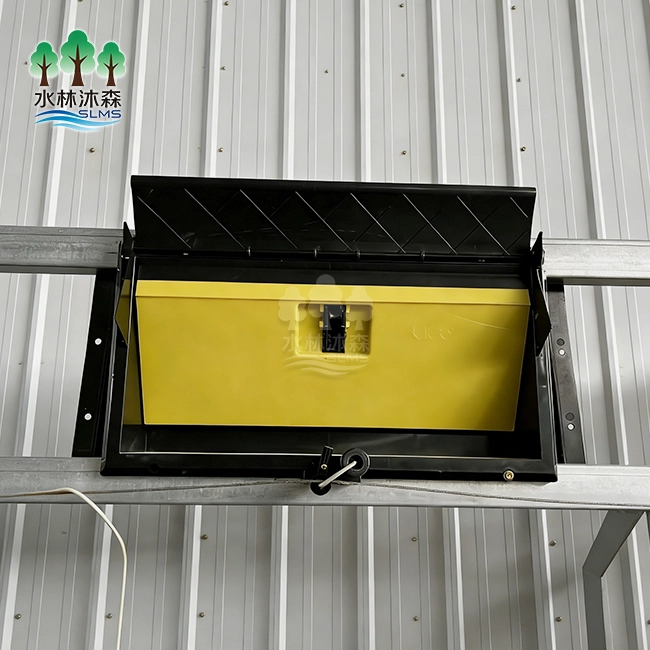
Getting all the tools you need before you start keeps your job from getting interrupted and ensures a good fitting. Essential tools include a cordless drill with the right bit size for pilot holes, a socket set or wrenches that match the mounting hardware's specifications, a measuring tape and level for accurate positioning, safety glasses and work gloves to protect yourself, and a ladder or lift to safely get to mounting locations. Deflector panels usually come with mounting gear, but make sure that all of the following parts are included: bracket kits, fasteners rated for structural loads, sealing materials to keep air out, and cable or winch systems for electrically driven models.
Mounting Procedures for Optimal Performance
Start installing at the inlet holes that are farthest from the exhaust fans and work your way toward the fan locations in a planned way to keep the airflow patterns constant. Place mounting clips at certain intervals, as directed by the maker, to make sure that the structure is attached to the framing members and not just the surface covering. Check the orientation of the brackets with a level to avoid setups that are twisted and cause uneven air flow. Attach shield panels to frames that have already been attached. Make sure that all of the connection points are securely engaged before moving on.
When there isn't much air flow, change the original deflector angle so that entering air flows straight to the ceiling, about 80 to 90 degrees from horizontal. This high slope is necessary for operation in the winter, but it will need to be changed when the weather gets warmer and air flow speeds up. Follow the wiring plans to install the pulley systems and control cables. Make sure the cables are not run through areas where repair workers could damage them. If you are using automated positioning, connect the electrical control systems and try the full range of motion before calling the work complete.
Post-Installation Testing and Adjustment
Once the actual installation is done, it's time to do some systematic performance testing. Turn on the ventilation system to its lowest setting and look at the smoke patterns from smoke tubes or incense sticks to see how the air is moving. The air coming in should move horizontally along the roof for at least 20 to 30 feet before slowly falling. Check that the values for static pressure at the inlets match the design requirements for your airflow rate. Watch how the temperature changes at bird level in different places and try to find areas with only a 2 to 3°F difference in temperature.
Write down the original positions of the deflectors and the performance measures that go with them to set the standard for future seasonal changes. Plan to check the deflector angles again as the weather gets warmer, slowly lowering the opening angles of the deflectors to allow for more air flow during changing and warm weather times.
Troubleshooting Common Installation Challenges
There are times when installations have problems that need to be fixed. If air falls before it reaches the roof, static pressure may not be high enough. Make sure that all of the intakes open evenly and that the vent fan's capacity meets the design needs. When there is too much noise or shaking, it's usually because the mounting hardware is loose or the shield panels are touching other surfaces when the wind blows. Leaking air around the edges of deflectors creates cold spots and lowers their efficiency. To close up the holes, use weather stripping or flexible sealing strips. If you can't change the position of the deflectors, it means that the pulleys are stuck or there are problems with the wire lines that need to be inspected and fixed mechanically.
Maintenance and Optimization for Long-Term Efficiency
Maintaining the performance of deflectors requires regular repair plans and ongoing improvements that are in line with changing production conditions and the age of the facility. Ensuring your Chicken Coop Air Deflector remains clean and mechanically sound is vital for longevity.
Routine Inspection and Cleaning Schedules
Set regular inspection times that work with flock turnover plans and make sure they are followed when buildings are being cleaned out completely. Check the deflector screens for dust or organic matter that might be blocking airflow or adding weight to moving parts during each check run. Look for signs of rust in the frame's structure, especially where the coatings on the welds or fasteners may have worn off. Check that the pulleys can still turn freely and smoothly, and look for fraying or tension loss in the wire systems that could affect how accurately they place things.
For cleaning purposes, you should use pressure washing tools and detergents that are made to work with shield materials. When used at the amounts suggested by the maker, normal farm detergents won't damage the surface of fiberglass and nano-fiberglass panels. Avoid using rough scrubbing tools that scratch surfaces, leaving tiny holes where germs can grow that make later cleaning efforts less effective. Before turning on air systems again, make sure all of the parts are thoroughly rinsed to get rid of any chemical leftovers.
Integration with Complementary Ventilation Systems
When carefully combined with other environmental control tools, deflector devices work at their best. Adjust the deflectors in conjunction with variable speed exhaust fans to keep the static pressure at the best level even as the airflow rate changes during the day and the seasons. Pair sidewall outlet systems with deflectors with circulation fans placed to deal with any leftover dead air spaces in the middle or corners of the house where sidewall ventilation can't reach properly. Put in place humidity sensing controls that change the rate of airflow based on actual moisture levels instead of set plans. This will let deflectors work better by adjusting to conditions in real time.
Temperature tracking systems with many sensors spread out in the building give information on whether the places of the deflectors need to be changed to get rid of hot or cold spots that form when the weather outside changes. These combined methods turn separate pieces of equipment into well-coordinated systems that control the environment better than separate component operation.
Energy Savings Through Passive Ventilation Enhancement
By making passive ventilation more efficient, deflector devices help cut down on running costs by a large amount. Deflectors cut the amount of heating fuel used by 15 to 25 percent during winter low ventilation times. They do this by mixing incoming cold air with warm air that has built up near ceilings as much as possible. This increase in thermal efficiency saves a lot of money during heating seasons, and in cold climates, the investment in the diverter system is usually returned within one to two production cycles.
Deflector systems that are properly built are inactive, which means they don't need electricity to work. However, positioning mechanisms that are powered by electricity use much less power than fans that run all the time. Energy research shows that over the course of a year, facilities with optimized deflector systems use less energy per pound of production than facilities that only use mechanical ventilation and don't control the air coming in.
Conclusion
Putting in ventilation deflectors that work well is one of the most important things that can be done to control the environment in a poultry plant, and using a Chicken Coop Air Deflector specifically will improve the health of the flock, the speed of production, and the management of running costs. Understanding how deflectors work, choosing the right materials and setups for your needs, following the right fitting steps, and keeping equipment in good shape by following set processes will ensure long-lasting performance benefits across multiple production cycles. Strategic partnerships with skilled manufacturers that offer full technical support and quality-assured products will set your business up for long-term success in production environments that are becoming more competitive and need to be more cost-effective while also meeting higher standards for animal welfare.
FAQ
How do air deflectors make the health of chickens better?
Deflector systems improve the quality of the air by keeping birds from coming into direct touch with cold drafts. This lowers the stress on birds' lungs, which can weaken their immune systems. Better mixing of the air lowers the amount of ammonia that is at bird level, which makes it less irritating to their eyes and lungs. Temperature regularity gets rid of cold spots where birds gather, which lowers the risk of harm and stress-related death, especially in the early stages of growth.
Should we hire a professional to fix it or try to do it ourselves?
Operations with maintenance staff that is knowledgeable about building methods and airflow can successfully install deflectors by following the manufacturer's instructions. Professional installation services are helpful for first-time installations, complicated retrofits in existing buildings, or cases where it's important to be sure of the performance. On-site professional help makes sure that control systems work well together and stops mistakes that cost a lot and need to be fixed.
What kinds of materials work best in different types of weather?
Fiberglass panels with frames made of aluminum alloy work well in most mild temperature situations and are very durable for a reasonable price. Stainless steel frame improvements are better at resisting corrosion, so they are useful in seaside areas or places that use harsh cleaning chemicals. The better shielding that nanofiberglass panels provide is especially useful in very cold places where keeping mist from forming is hard.
Partner with Shuilin Musen Aquaculture Equipment Co., Ltd. for Premium Ventilation Solutions
Shuilin Musen Aquaculture Equipment Co., Ltd. is a reliable company that makes Chicken Coop Air Deflector products. They have eight years of experience making tools for farms and farms with animals. Our custom-designed shield systems are made with 5 cm thick fiberglass or nanofiberglass panels and frames made of aluminum alloy or stainless steel that are exactly sized to fit your building. We offer full installation video help, on-site installation services, and a guarantee that protects your investment for one year. Get in touch with our technical team at wangshuaislms@gmail.com to talk about how to improve ventilation and get quotes for long-lasting, energy-efficient deflector options made just for places with a lot of chickens.
References
1. MAnderson, D.P., & Beard, C.W. (2018). Environmental Management in Commercial Poultry Production. Poultry Science Publishing.
2. Curtis, S.E. (2019). Principles of Ventilation Design for Livestock Housing. Agricultural Engineering Press.
3. Midwest Plan Service. (2020). Structures and Environment Handbook for Poultry Production. Iowa State University Extension.
4. National Poultry Technology Center. (2021). Ventilation System Design Guidelines for Modern Broiler Houses. Auburn University Publication.
5. Purswell, J.L., & Olanrewaju, H.A. (2020). Air Quality and Thermal Environment Effects on Broiler Performance. Journal of Applied Poultry Research, 29(3), 704-714.
6. Xin, H., & Harmon, J.D. (2017). Livestock Industry Facilities and Environment: Heat Stress Indices for Livestock. Agriculture and Environment Extension Publications, Iowa State University.
Learn about our latest products and discounts through SMS or email