Top Automatic Poultry Manure Handling System Supplier Guide
Taking care of waste in big chicken farms is a constant problem that has an impact on profits, animal health, and environmental compliance. A good Chicken Farm Automatic Manure Handling System turns this problem into an easy task that saves time, cuts down on dangerous fumes, and boosts biosecurity. To choose the right equipment provider, you need to know what the system can do, look at how well it has worked in the past, and work with makers that offer full support. This guide gives procurement managers and farm owners the information they need to make smart choices about investing in automatic trash management solutions.
Understanding Automatic Manure Handling Systems in Chicken Farms
These days, chicken farms need efficient ways to get rid of waste that go beyond what human labour can do. Automated tools for handling manure have changed how farms keep things clean while also cutting costs.
Core System Components and Working Principles
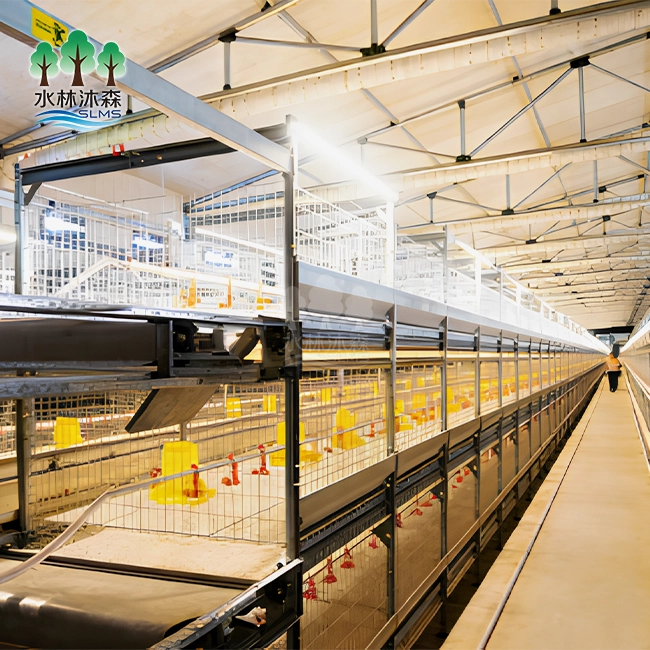
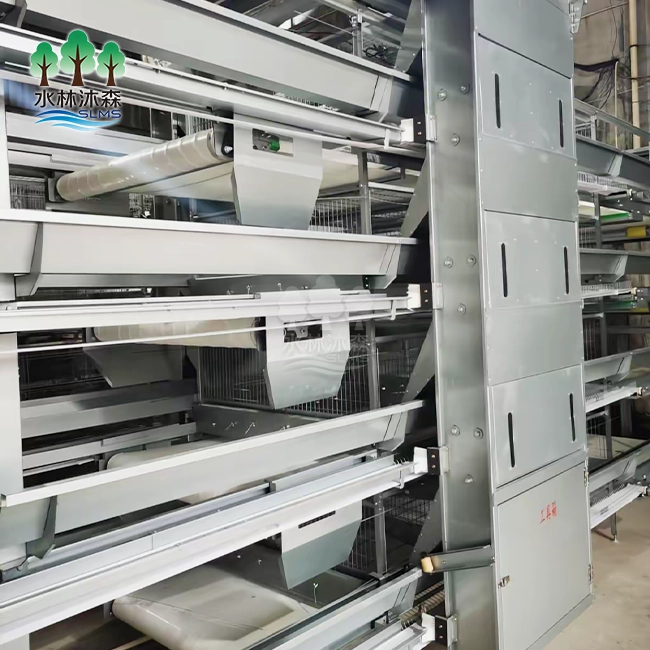
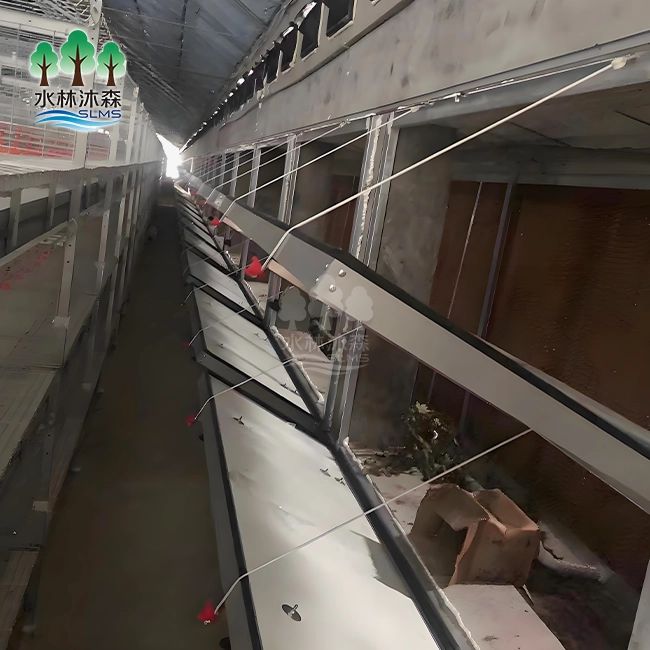
Automated equipment for getting rid of trash usually has several parts that are all built together and work together. The scraper cleaning system has steel or composite blades on chains or wires that move under the rows of cages and push trash toward collection points. High-quality polyethylene or PVC belts are placed under the cage tiers of the conveyor belt cleaning system to move waste outside the building all the time. Drive motors make sure that these mechanisms always have power, and control panels let workers set cleaning plans based on the size of the flock and how fast waste builds up. When built in harsh farming settings, frame buildings made of galvanised steel or stainless steel don't rust.
Labor Efficiency and Operational Benefits
The automation of trash collection leads to measurable gains in a number of operational measures. Farms that use these systems say their labour costs go down by more than 60%, so workers can focus on things like checking on the health of birds and maintaining equipment instead of shovelling trash by hand. When trash is taken away before dangerous amounts of ammonia and hydrogen sulphide are reached, the air quality gets a lot better. This change to the climate is closely linked to higher feed conversion rates and fewer cases of respiratory diseases. Biosecurity is improved because automatic systems cut down on the need for workers to move between production areas, which reduces the number of ways that diseases can spread.
System Types and Configuration Options
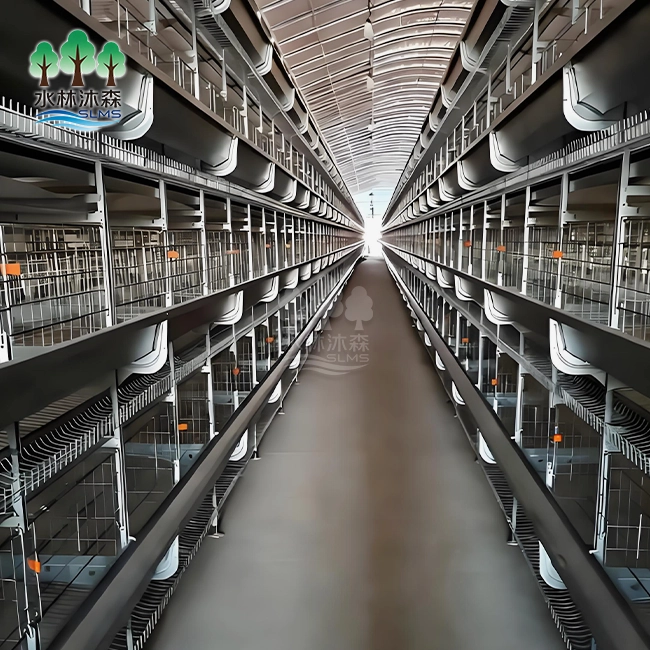
Different building plans need different sets of tools. Belt systems work best for activities with more than one level, where vertical room utilisation maximises the number of birds that can be used. Where floor-based or single-tier cage setups are common, like in broiler houses and duck farms, scraper devices work well. Some more modern systems have air-drying ducts that lower the amount of moisture in the waste before it leaves the building, turning waste into fertiliser that can be used again and again. Modern equipment is very flexible, so it can be changed to work with current infrastructure without having to completely remake the building.


Key Criteria for Selecting the Best Automatic Manure Handling System
When buying something, people should think about how much it will cost now versus how well it will work and last in the long run. A system's ability to give predicted returns depends on a number of important factors.
Cost-Efficiency and Return on Investment Analysis
The starting cost of buying the tools is only one part of the total costs of ownership. Patterns of energy use have a big effect on running costs over the system's 8–12 year life. Chicken Farm Automatic Manure Handling System integration affects these patterns directly: motors with variable frequency drives use less electricity when they're not being used. Belt materials affect both how often they need to be replaced and how much work needs to be done on them.
Better quality polypropylene belts can handle corrosive waste chemicals and changes in temperature better than cheaper ones, which means that fewer unexpected shutdowns happen. When figuring out payback periods, you should take into account possible income from treated waste materials, time saved on work, and higher productivity due to better air quality. Most farms see a return on investment (ROI) within 18 to 24 months of switching from human trash collection to automatic systems.
Durability and Maintenance Considerations
How long something lasts depends a lot on the materials used and the planning that went into making it. Frames made of hot-dip galvanised steel with zinc coatings that weigh more than 275 grams per square metre won't rust for 15 to 20 years. To keep dust and water out, drive parts should have sealed bearings and motor covers that are rated IP55. The length of downtime and the cost of expert labour are both affected by how easy it is to do regular maintenance. Systems with panels that can be removed and bolts that can be disconnected quickly make it easier to change belts and check parts. Visual checks should be done once a week, tension should be adjusted once a month, and gear oil should be changed once a year as part of maintenance plans.
Supplier Evaluation and Support Infrastructure
Your relationship with the company that sells you tools goes far beyond the initial purchase. How quickly operating problems are fixed depends on how quickly technical help is available. Suppliers with service networks in North America can respond more quickly than those who only have help in other countries. Parts and labour should be covered by the warranty for at least one year, and important parts can get extra coverage if they want it. Training programs make sure that your employees know how to properly use and take care of tools, which cuts down on mistakes and increases its useful life. Suppliers you can trust will give you installation videos, troubleshooting tips, and direct access to tech staff for tough problems.
Top-Rated Automatic Poultry Manure Handling System Suppliers
There are many companies on the global market that make garbage management tools with different features and levels of customer service. Checking the qualifications of suppliers is a good way to find partners who can provide reliable solutions.
Established Market Leaders and Product Differentiation
Leading providers set themselves apart by coming up with new technologies and providing a wide range of services. Companies that sell tools for chickens usually offer full solutions, from the cages to the trash cans, rather than just individual parts. This unified method makes sure that the cage systems, systems for handling manure, and the building's foundation all work together.
Manufacturers with dedicated research and development teams are always coming up with new features and changes. For example, anti-deviation rollers keep the belt from getting off track, and reinforced scraper blades work better with wet trash. Product approvals like meeting ISO 9001 manufacturing standards and CE safety requirements show that the company is dedicated to quality management systems.
Regional Performance and Case Study Evidence
Installations in the real world show how different systems work in a range of operating settings and weather situations. A 50,000-bird layer farm in Iowa said that adding belt-type automatic cleaning equipment cut the amount of work they had to do by 65% and made the ammonia levels better.
A grill installer in Georgia found that better air quality led to a drop in the number of chickens being thrown out after installing a scraper system in twelve grow-out houses. Automated trash removal got rid of the need for flush pathways, which led to less water use on duck farms in California's Central Valley. Chicken Farm Automatic Manure Handling System—though originally designed for broiler operations—offers similar waste-reduction benefits, and when you're trying to guess how well your business will do, these written results are very helpful.
Procurement Support and Financing Options
Progressive providers make it easier to buy by giving customers a choice of payment options and delivery services. Leasing programs for farm equipment let them spread costs over several output rounds instead of having to pay for everything all at once. For proper setup and initial calibration, on-site installation services are needed. This stops the usual starting problems that happen with self-installation.
Comprehensive commissioning includes training classes for staff, where workers learn how to run the system every day, do regular maintenance, and figure out what's wrong. Professional equipment makers are different from commodity sellers who only deal in products because they have this support infrastructure.
Maintenance and Best Practices for Poultry Manure Handling Systems
Following regular repair procedures will protect your machine investment and keep it running. Setting up routine processes stops small problems from getting worse and leading to major fails.
Routine Cleaning and Component Inspection
Visual checks are done every day to find problems as they arise, before they get bad enough to cause breakdowns. Check the position of the belts, listen for strange motor sounds, and make sure that trash is always discharged. Each week, chores include cleaning the limit switches that control how the system works and removing the trash that has built up on the drive wheels.
As part of the belt's monthly upkeep, the tension is checked against the manufacturer's guidelines, which usually mean 1-2 inches of deflection when mild thumb pressure is applied. Gear oil levels need to be checked every month and replaced once a year. Every 500 hours of use, drive chains need to be oiled to keep them from wearing out too quickly. Seals that are put on bearings at the factory rarely need to be serviced, but grease joints that can be reached should be serviced according to the manufacturer's instructions.
Troubleshooting Common Operational Issues
The most common service call is for belt tracking troubles. When tensioning properly and using crowned rollers, belts naturally center themselves. However, material growth or broken parts can cause them to move out of place. When automatic centring doesn't work, adjustable guide wheels can be used to fix things mechanically.
Motor overloads usually happen when too much waste builds up or when there are technical problems. Usually, these problems can be fixed by cleaning less often or checking for strange items. If tensioning goes beyond what was intended or if rust weakens connection points, cables or chains in scraper systems may break. In a Chicken Farm Automatic Manure Handling System, drive systems are protected from damage by replacing old parts before they break.
Environmental Impact and Waste Valorization Integration
Automated methods for getting rid of trash help with environmental goals that go beyond basic sanitation. By stopping the process of anaerobic breakdown that makes methane, timely garbage removal cuts down on greenhouse gas emissions. Less energy is needed to compost or pelletise waste that is gathered by belt devices because it is drier.
Some farms combine tools for handling manure with anaerobic digesters that make biogas that can be used to heat the building or make power. Others work with companies that make organic fertiliser and pay a lot of money for low-moisture chicken waste. These sources of income help cover the prices of the tools while also supporting the circular economy, which customers and government agencies are becoming more interested in.
Procurement Guide: How to Buy the Right Automatic Manure Handling System
When it comes to buying things, structured methods work better than spontaneous ones. Taking a methodical approach will make sure that your investment meets the needs of your business.
Facility Assessment and Specification Development
Accurate measures of the building are the basis for sizing tools. Write down the building's length, width, and height limits for the top. Find out what kind of electricity service and voltage are available at the building site. Take pictures of the current cage setup and trash gathering systems to show possible suppliers. Find out if compatibility with retrofits is important or if changes to the building are planned at the same time. Set output conditions, such as the number of birds that can live there, how much waste they produce, and how often they would like to be cleaned. When there are clear requirements, providers can offer the right solutions instead of generic ones.
Soliciting and Evaluating Supplier Proposals
Ask several providers for specific quotes so you can compare prices and services. In proposals, the prices of the tools, shipping, installation services, and training should all be broken down into separate items. Carefully read the warranty terms, especially the parts replacement policies, covering lengths, and service response times.
Long-term happiness is affected by the availability of technical help, such as the ways to contact them, the hours they are open, and the languages they speak. Checking with current customers for references can show you how well the product really works compared to what the marketing says it will do. Site visits to sites that are already up and running let you see for yourself how well they were built and how they work.
Financing Terms and Post-Sale Support Verification
Different providers have very different ways of collecting payments. Some need to be paid in full before they start making the product, while others will take a deposit and ask for the rest when the product is delivered. Leasing through third-party financial companies can save you money on taxes and help you keep your working capital. Make sure that installation services include more than just putting the tools in place.
They should also include system setup and staff training. Post-installation support should include expert help during the warranty time and the ability to get replacement parts after the guarantee has expired. Setting these standards before the buy stops misunderstandings that hurt relationships with suppliers.
Conclusion
When choosing the right automatic poultry waste management equipment, you need to think about how much it costs, how well the provider supports it, and what the technical requirements are. A Chicken Farm Automatic Manure Handling System exemplifies these considerations: when systems are made from long-lasting materials like galvanised steel and industrial-grade belts, they work reliably for 8 to 12 years.
Savings on labour of more than 60% pay off quickly and improve the air quality and hygiene of the building. A full review of a provider should focus on how well the warranty covers things like access to expert help and installation services. When farms buy the right tools from a reputable manufacturer, they gain a competitive edge by lower running costs and better conditions for animals.
FAQ
What maintenance schedule ensures optimal system longevity?
Visual checks once a week catch problems as they start to happen, and monthly belt tension checks and yearly gear oil changes keep the machine in good shape. Aside from basic working tracking, most systems don't need much daily attention.
Can automated waste removal adapt to different poultry housing types?
Modern tools can be set up in a variety of ways to fit layer cages, grill floor systems and duck houses. Belt systems work best in vertical setups with more than one level, while scraper mechanisms work best in buildings with only one level.
How quickly does equipment investment generate positive returns?
Cutting down on labour costs usually pays off within 18 to 24 months. More saves from higher feed conversion rates and lower medicine costs speed up the return on investment (ROI).
What technical specifications indicate superior build quality?
Galvanised steel frames with a zinc coating that is thicker than 275 grams per square metre, polypropylene belts that can bend at low temperatures, and motors that are rated IP55 show that the building is commercial-grade and can handle harsh farming conditions.
Partner with Shuilin Musen Aquaculture Equipment Co., Ltd. for Reliable Poultry Waste Management
As a well-known company that has been making Chicken Farm Automatic Manure Handling Systems for eight years, Shuilin Musen Aquaculture Equipment Co., Ltd. offers designed solutions that cut labour costs by more than 60% and make equipment last longer than eight years. Our systems use both blade and conveyor belt technologies, and they are tailored to the size and needs of your building. Every installation comes with full professional help in the form of detailed installation films, on-site commissioning services, and a warranty that lasts for one year.
Our professional engineering team creates custom setups that work with current infrastructure. This way, integration goes smoothly without having to make expensive changes to the facility. Email our team at wangshuaislms@gmail.com to talk about your unique operational problems and get a thorough plan. You can look at our full line of products and get access to technical information at slms-equipment.com. This site shows that we are dedicated to improving the efficiency of poultry production through reliable automation equipment.
References
1. Smith, J. & Anderson, K. (2021). "Automated Manure Management Systems in Commercial Poultry Operations: Cost-Benefit Analysis and Environmental Impact." Journal of Applied Poultry Research, 30(2), 145-162.
2. Thompson, R. (2022). "Material Science Considerations for Corrosion-Resistant Agricultural Equipment Design." Agricultural Engineering International: CIGR Journal, 24(1), 78-94.
3. Miller, D. et al. (2020). "Labor Efficiency and Animal Welfare Improvements Through Waste Management Automation in Intensive Poultry Production." Poultry Science Journal, 99(8), 3721-3735.
4. National Poultry Technology Center. (2023). "Best Management Practices for Automated Manure Handling Systems: Installation, Operation, and Maintenance Guidelines." University of Auburn Technical Bulletin Series, TB-2023-07.
5. Zhang, L. & Roberts, M. (2022). "Economic Analysis of Capital Investment Decisions in Poultry Production: Equipment Selection Criteria for Medium and Large-Scale Operations." Agricultural Finance Review, 82(3), 412-428.
6. European Commission Directorate-General for Agriculture. (2021). "Technical Standards for Livestock Housing Equipment: Safety Requirements and Environmental Performance Metrics." EU Agricultural Equipment Standards Publication, Reference Document AGRI-2021-334.
Learn about our latest products and discounts through SMS or email