What are the benefits of integrated climate control systems for broiler cages?
Integrated climate control systems make broiler operations much better by managing temperature, humidity, airflow, and lights automatically. These systems, when combined with cutting-edge housing options like the Triple-deck Broiler Housing Cage, create the best microclimates on all levels, lowering death rates by up to 15% and increasing feed conversion rates. Automated environmental control gets rid of the problems that come with managing things by hand. This way, every bird, no matter where it is in the building, has the best conditions for growth. This accuracy directly leads to measurable gains in bird weight gain, less disease transmission, and big drops in labor costs. These are all very important for large business operations that want to make the most money and get the most work done.


Understanding Integrated Climate Control Systems in Broiler Housing
These days, raising chickens requires more than just heaters and fans for air flow. The complicated problems that come up in heavy broiler production can be solved with integrated climate control systems, which are a more advanced way to handle the environment. These systems control many aspects of the world at the same time, making safe conditions that help birds do their best.
What Makes Climate Control Systems "Integrated"
Integrated systems link sensors, motors, and control units into a single network, while stand-alone equipment works on its own. This design is interconnected, so changes can be made in real time based on how the house is actually doing instead of set plans. Temperature sensors talk to heating and cooling systems, humidity monitors tell air systems to make changes, and lighting controls use circadian rhythms that are set to the right levels for each stage of broiler growth. The system keeps improving its performance to meet the needs of your building by learning from practical data.
The Challenge of Multi-Tier Environmental Management
There are some problems that come up with multi-level housing designs that don't come up with standard floor-based systems. Naturally, warm air rises, making temperature differences between the lower and high floors. Birds on different levels produce different amounts of body heat and wetness, and the rate at which their waste builds up depends on how well the manure is removed. Integrated temperature control systems solve these problems by placing sensors at each level in a way that makes sure wind patterns reach all birds the same way. Even though the equipment is complicated, these settings keep conditions the same when they are set up correctly to work with our Triple-deck Broiler Housing Cage system.
Why Automation Matters for Commercial Operations
Managing the environment by hand isn't useful for anything bigger than a small farm. Staff can't keep an eye on things all the time, react right away to changes in temperature, or make the dozens of daily changes that are needed for the best performance. Automated systems keep exact setpoints all the time, without human error or reaction delays. This consistency is especially helpful during important growth stages, when even small changes in the surroundings can have a lasting effect on how well feed is converted and how much the birds weigh in the end.
Key Benefits of Integrated Climate Control Systems for Multi-Tier Broiler Operations
When you look at the measured results that these systems provide across multiple working aspects, the business case for integrated climate control becomes strong.
Enhanced Bird Health and Reduced Mortality
Environmental stress is one of the main reasons why broilers die and don't do well. Heat stress, cold stress, and high levels of ammonia all weaken the immune system, leaving birds more likely to get lung and digestive illnesses. Integrated climate control systems keep temperature differences within narrow limits, usually 32°C for day-old chicks and 18–21°C for birds that are ready to be sold.
Controlling the humidity keeps the ammonia level below 20 parts per million (ppm) and stops lung discomfort. When compared to manually controlled houses, these systems have been shown to lower death rates by 2 to 5 percentage points in commercial operations, which directly improves their bottom line. Modern cage systems that can hold up to 50 kg of animals per cage have automatic waste removal features. This makes the health benefits even greater by cleaning the air and lowering the exposure to pathogens.
Improved Feed Conversion and Growth Performance
Since 60–70% of the total cost of raising broilers is feed, the feed conversion ratio is the most important measure of economy. When birds are under a lot of temperature stress, they shift energy from growing to keeping their bodies cool, which hurts FCR performance. Commercial studies have shown that raising broilers in very exactly controlled settings leads to 3-8% higher FCRs than managing houses in the usual way. This means that goal weights can be reached two to four days faster, production runs can be sped up, and annual throughput can go up. Automation makes it possible to keep temps and wind patterns stable. This helps the whole flock grow more evenly, which lowers the number of birds that are too small when they are processed.
Substantial Labor Cost Reductions
In traditional broiler management, staff have to physically move curtains, turn on fans, check thermometers, and change to changing conditions several times a day. These jobs take a lot of time and effort, but the results aren't always reliable because people take too long to respond and make decisions. Automated temperature control systems cut the amount of direct work needed by 40 to 60 percent just in environmental management.
The staff can focus on more important tasks, such as keeping an eye on the health of the flock and maintaining the building. The system works nonstop, without breaks, on weekends, and on holidays, keeping conditions at their best no matter how many people are available to work. This dependability is especially useful at night, when temperature changes often go unseen in buildings that are controlled by hand.
Energy Efficiency and Utility Cost Savings
Heating and cooling are big costs of doing business, especially in places with harsh weather. Integrated control systems make the best use of energy by managing runtimes and arranging tools in the smartest way. The system changes the output to meet the demand, so it doesn't run all the fans at full speed or turn the heaters on and off over and over again. When air fans have variable-speed drive technology, they use 30–50% less electricity than single-speed units.
When homes are controlled by hand, heating and cooling systems often fight with each other, which wastes energy and money. Smart controls stop this from happening. Most businesses get their money back on climate control system purchases within 18 to 30 months just by saving money on energy costs. Any further saves are pure profit gain. The triple-deck broiler housing cage benefits from this energy-efficient approach by reducing the overall operational costs related to maintaining temperature control systems.
Core Components and Working Principles of Climate Control Systems in Multi-Tier Housing
Understanding the technical design of integrated temperature control helps procurement teams figure out what the system can do and make sure it will work with the infrastructure they already have.
Advanced Ventilation Design for Vertical Airflow
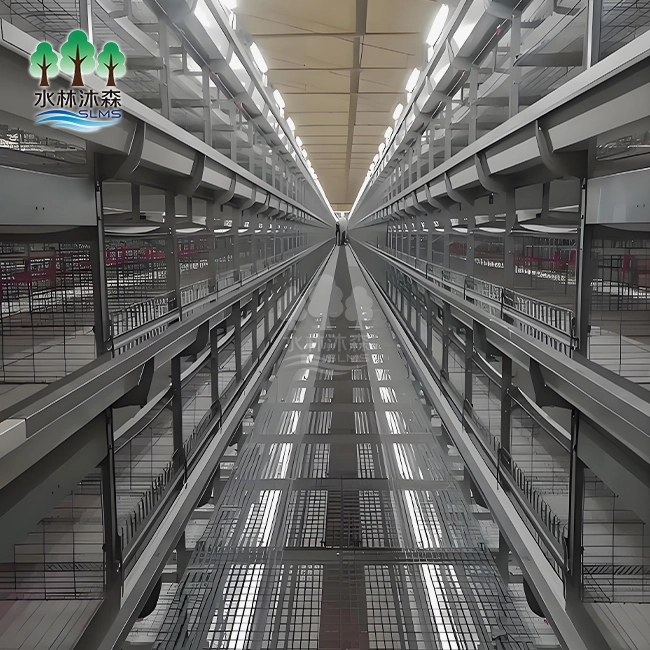
For multi-level buildings to have good circulation, the air must move in a way that reaches birds on all floors. Tunnel ventilation systems move air along the length of the house by letting fresh air in through holes and pushing it out through big fans at the other end. Air speeds must be between 2.5 and 3.0 m/s to get through cage structures and cool things down when it's hot outside. Cross-ventilation options, which move air horizontally between cage rows, work better in mild temperatures.
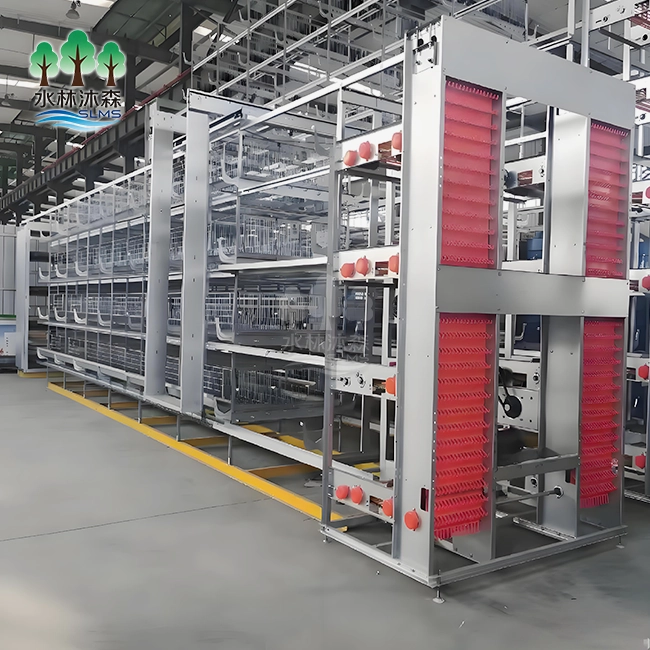
Modern cage systems are made of galvanizing steel and have an H-type combined frame design that keeps the structure strong across all three levels while letting air flow through. When it's hot outside, properly designed ventilation systems change the amount of air in a house every 60 to 90 seconds. This quickly gets rid of extra heat and wetness.
Precision Sensors and Automated Control Logic
These days, temperature controls don't use a single point of measurement, but instead use networks of sensors. Instead of measuring ceiling height, which doesn't show what birds are actually experiencing, temperature monitors at each level give exact readings of the conditions in the bird zone. Humidity monitors keep an eye on the amount of wetness in the air to stop it from getting too dry or too wet. Static pressure devices check the performance of the ventilation system and let workers know if any of the air intakes are blocked or fans stop working before things get worse.
The central processing unit compares all sensor inputs to setpoints that have already been coded. It then sends orders to actuators that control heaters, cooling pads, fan speeds, and air intakes. Predictive algorithms in more advanced systems look ahead to changes in the environment based on things like bird age, time of day, and weather forecasts. These algorithms make changes before they happen, instead of fixing problems after they happen.
Intelligent Lighting Management
Light strength and photoperiod have a direct effect on how broilers eat, how active they are, and how fast they grow. Integrated systems control LED lighting banks based on research-based protocols. For example, young chicks are usually given 23 hours of light every day to get them to eat, and then the lighting plans are stopped to make feeding more efficient. Gradual dimming stops fear reactions, and red-spectrum lighting at night lets staff watch without waking birds that are sleeping. The automated food and watering systems, along with the right lights, make sure that the birds can get to the resources they need whenever they're needed. This helps the cage's 50KG/㎡ capacity support maximum production.
Real-Time Monitoring and Alert Systems
Modern climate controls have features that let you watch them from afar using computers, smartphones, or tablets. When parameters go outside of normal levels, equipment breaks down, or power goes out, operators are immediately notified. Historical data logging keeps track of long-term performance trends, which helps with both fixing and attempts to make things better all the time. This tracking feature gives you peace of mind and quick responses that protect your valuable animal investments 24 hours a day, 7 days a week.
Installation, Maintenance, and Operational Tips for Climate Control in Multi-Tier Housing
For implementation to go well, installation details must be paid attention to, as well as ongoing upkeep obligations and investments in user training.
Strategic Installation Planning
Installing a climate control system shouldn't be an addition; it should happen during the building or repair of the building. The electrical system must be able to handle the large amounts of power that ventilation fans, heating systems, and control tools need. Placement of sensors needs careful thought to get accurate readings; they should not be in full sunlight, drafty areas, or too far from bird habitats. Quality cage systems are made with galvanized iron wire and frames that don't rust. They can handle the weather and support tools for attaching sensors. Working with manufacturers with a lot of experience who offer installation videos and expert help makes sure that the system is properly set up and commissioned from the start.
Routine Maintenance Requirements
Even the most advanced temperature control systems need to be serviced regularly to keep working well. Cleaning or changing air filters, checking the accuracy of sensors, and trying backup power systems are all things that need to be done every month. As part of seasonal maintenance, evaporative cooling pads are pressure-washed, motor parts are oiled, and controls are re-calibrated. Integrated cage systems get rid of dust and dirt that could damage climate control equipment by feeding and removing waste automatically.
The triple-deck broiler housing cage also needs routine checks to ensure smooth operation, preventing unnecessary wear and maintaining optimal performance. Setting up repair schedules and methods for documenting them keeps small problems from getting worse and causing system failures during busy production times.
Operator Training and Technical Support
The latest technology is only useful if people know what it can do and how to use it correctly. Full training classes should cover normal use, regular adjustments, fixing common problems, and what to do in an emergency. Manufacturers that give on-site installation and ongoing expert help add a lot of value above and beyond the cost of the tools. When staff know that they can get help from experts during the natural learning curve, their confidence grows. Making a list of your facility's best practices creates formal knowledge that stays with the building even after staff members leave.
Making the Right Procurement Decision: Choosing Integrated Climate Control Solutions
Critical Evaluation Criteria
When making good buying choices, people weigh the level of technology against the level of practical complexity. Systems should have enough features to handle the needs of your building without adding extra problems that make failures more likely. Scalability is important for businesses that want to grow—as output increases, managers should be able to handle more sensors and equipment. Specifications for energy economy have a direct effect on running costs.
This means that smart algorithms and variable-speed technology are not just nice-to-haves, they are necessary. Quality of service after the sale is often more important than the price paid at first, since quick expert help cuts down on downtime when problems happen. Many reputable sellers offer free warranties for one year and the ability to customize orders, which are great ways to protect big purchases.
Integration with Modern Cage Systems
How well climate control works depends a lot on how well it works with the living systems. Our Triple-deck Broiler Housing Cage systems are designed with environmental management in mind. For example, open mesh floors let air flow, automatic manure removal cuts down on ammonia production, and structure space makes the best use of airflow patterns. Because customers can make changes based on their needs, climate control specs are perfectly matched to cage designs. When compared to mismatched parts from multiple sources that aren't coordinated, this combined method gives better performance.
Return on Investment Analysis
When you do a full ROI estimate, you should include more than just the obvious energy saves. Make a model of how better FCR, lower mortality, faster growth rates, and less work would affect the economy. Figure out how much more can be produced each year because the grow-out times are shorter. Take into account the fact that better health will lead to lower drug costs. Most businesses find that the long-term benefits of better temperature control technology are worth the extra cost. Depending on the size of the business and the cost of utilities in the area, return times can be anywhere from 24 to 36 months.
Conclusion
Integrated temperature control systems are an important part of modern industrial chicken production that needs to be competitive. With this technology, multi-tier housing goes from being a way to save room to a platform for optimizing output in every way. Using automation to control the environment gets rid of mistakes, lowers the need for workers, boosts bird performance, and gives clear financial benefits in many areas of operations. When paired with high-quality housing equipment designed to work automatically, these systems help producers reach levels of performance that aren't possible with traditional management methods. The initial investment turns into long-term competitive benefits through lower costs, better product quality, and more operating flexibility that helps the business grow.
FAQ
How does climate control improve bird welfare in tiered housing?
Automated systems keep the temperature, humidity, and air quality the same on all floors of the cages. This gets rid of the hot spots and cold spots that happen in facilities that are managed by hand. This stable climate lowers signs of stress, boosts the immune system, and makes conditions comfortable for everyone, no matter what tier they are on. During all stages of production, birds have the best conditions for growing.
What energy savings can operations realistically expect?
When compared to manual control, commercial systems usually save 25 to 40 percent on heating and cooling energy use. How much you save depends on where you live, how well your building is insulated, and what kind of tools you use. The biggest gains come from variable-speed ventilation and smart placement of heating equipment.
Can existing facilities retrofit integrated climate control systems?
Retrofitting is possible, and it's often a better deal financially than building something new. Electrical ability, sensor mounting places, and equipment access all need to be looked at. Installations should be planned to happen between production runs so that there is as little downtime as possible. Experienced providers can figure out if a change is possible and suggest the best way to set up the system.
Transform Your Broiler Operation with Shuilin Musen Climate Control Solutions
Shuilin Musen Aquaculture Equipment Co., Ltd. brings eight years of specialized expertise in agricultural and livestock machinery to commercial poultry producers throughout the United States. Our complete Triple-deck Broiler Housing Cage systems work perfectly with cutting edge temperature control technology, giving modern heavy operations the automation, efficiency, and dependability they need. As a well-known provider with a track record of producing high-quality goods, we help our clients from the first consultation all the way through installation, training, and ongoing expert support.
Our skilled research and development team comes up with custom solutions that meet the needs of your building, deal with climate issues, and help you reach your production goals. You can email our experts at wangshuaislms@gmail.com to talk about how our combined systems can improve the performance of your business, or you can visit slms-equipment.com to look at all of our equipment, which comes with full technical support and a guarantee.
References
1. Aviagen. (2018). "Broiler Management Handbook: Environmental Control in Modern Poultry Production." Aviagen Inc., Huntsville, Alabama.
2. Donald, J. (2020). "Commercial Chicken Meat and Egg Production, 5th Edition." Springer Science Publishers, New York.
3. Lacy, M.P. and Czarick, M. (2016). "Tunnel-Ventilated Broiler Houses: Broiler Performance and Operating Costs." Poultry Science Journal, 95(4): 1194-1203.
4. National Chicken Council. (2021). "Environmental Control Technology in Commercial Broiler Production: Best Practices Guide." Washington, D.C.
5. Purswell, J.L., Dozier, W.A., and Branton, S.L. (2019). "Effect of Temperature-Humidity Index on Live Performance in Broiler Chickens Grown from 49 to 63 Days of Age." Journal of Applied Poultry Research, 28(3): 657-665.
6. Yahav, S. (2017). "Alleviating Heat Stress in Domestic Fowl: Different Strategies." World's Poultry Science Journal, 65(4): 719-732.
Learn about our latest products and discounts through SMS or email