What are the ventilation baffles for a poultry farm building?
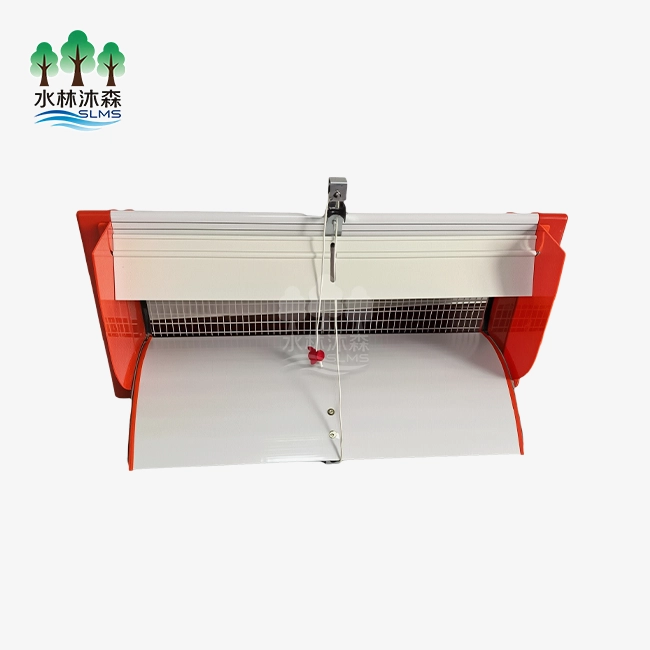
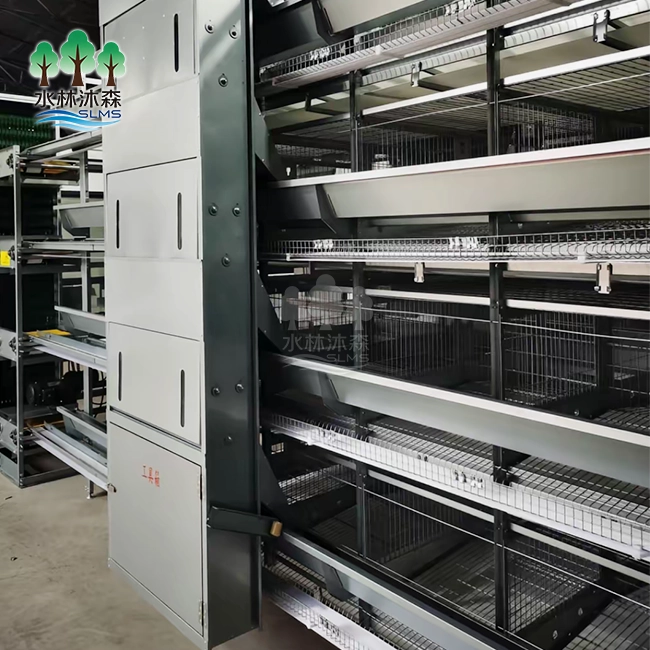
A Poultry House Ventilation Baffle is a precision-engineered air intake part that is put on the sidewalls or ceilings of poultry facilities to control the flow of air into controlled environment systems. These gadgets send fresh air up, where it mixes with warm roof air before falling to bird level. This stops cold drafts and keeps the air quality and temperature levels even throughout the house.


Understanding Poultry House Ventilation Baffles
The Core Function of Air Inlet Baffles
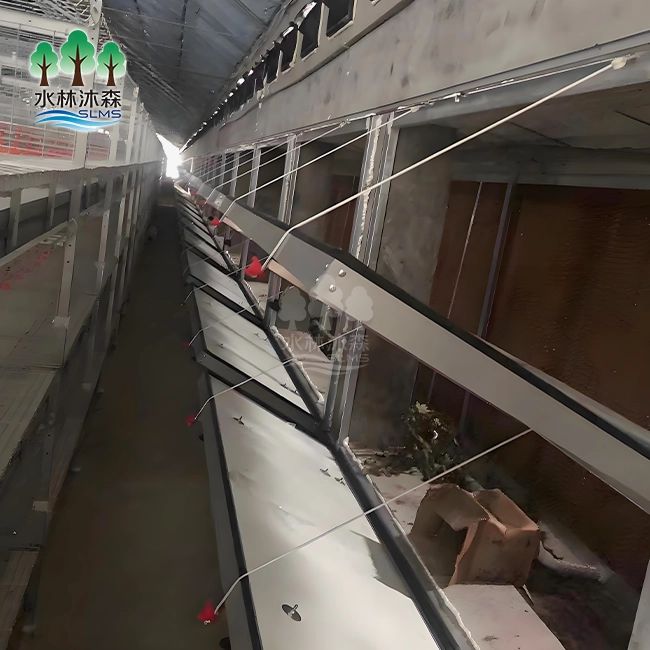
In systems that use negative pressure to move air, Poultry House Ventilation Baffle units control where fresh air comes in. When vent fans make the air inside the chicken coop less pressure, air from outside comes in through these carefully placed shields instead of random cracks or holes. This controlled entry lets farm managers direct airflow exactly where it's needed, making sure that the whole building has the same weather conditions. The baffle design usually has an angled hole that sends air up toward the roof. This works with the way air naturally mixes to keep birds from getting cold air directly on them.
How Baffles Integrate with Ventilation Systems?
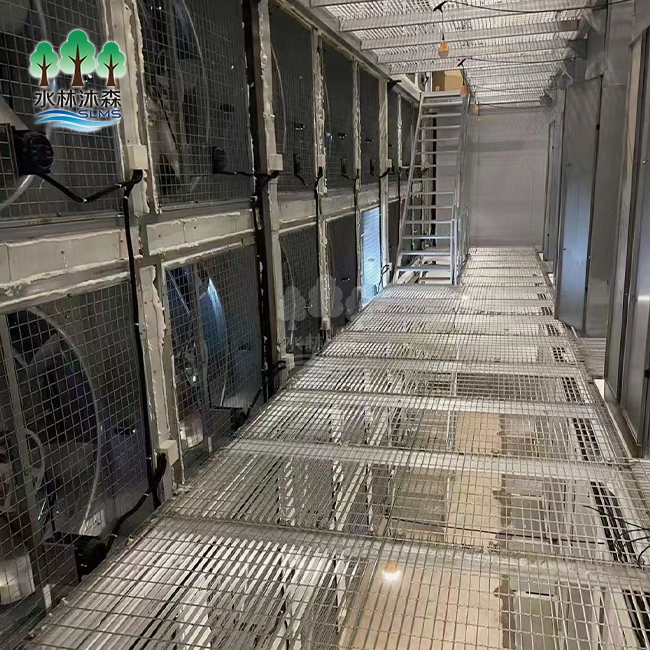
Modern methods for ventilating chicken coops work on the idea of negative pressure. Exhaust fans remove old air while creating suction that pulls in new air through specific openings. Baffles work with weather controls that keep an eye on things like temperature, humidity, and static pressure. The controller changes both the fan speeds and the baffle holes to keep the goal weather conditions. This combination makes sure that the flock's air exchange rates are right at all times, even as they grow and the seasons change.
Types and Material Considerations
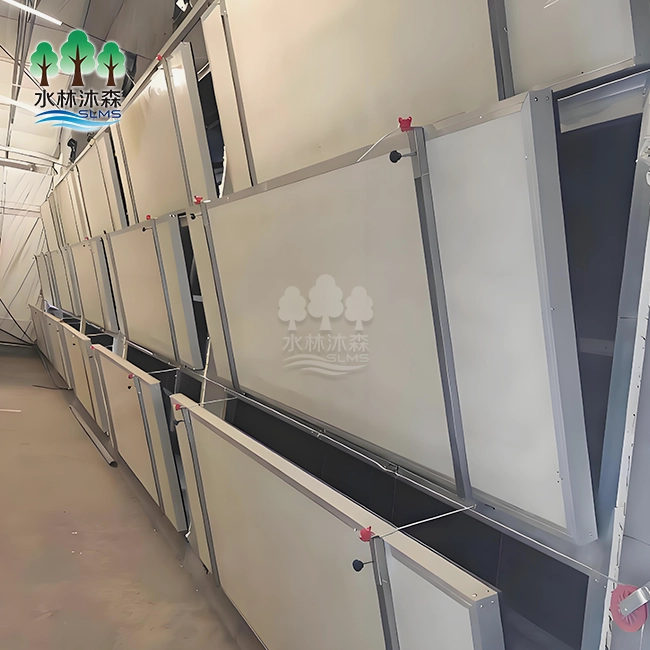
Ventilation baffles can be set up in a number of different ways to fit different building styles and temperature zones. Fixed vents keep the opening size the same, which makes them good for places that need stable airflow. Baffles that can be moved by winch systems or automatic actuators give you the freedom to adapt to changing circumstances. Material choice has a big effect on performance and durability.
Our baffles have a core that is 5 cm thick and sealed, and the walls are made of long-lasting fiberglass or nano-fiberglass. Either an aluminum metal or stainless steel is used to build the frame because they both don't rust in high-ammonia settings. This mix of materials is great for protection and keeps the structure strong even when it's under constant dynamic stress.
Benefits and Impact of Ventilation Baffles on Poultry Health and Farm Efficiency
Direct Health Benefits for Your Flock
Controlling airflow correctly with good filter systems makes breathing problems a lot easier for chickens. When cold air falls directly on birds, it puts them under temperature stress, which lowers their immune systems and makes them more likely to get sick. By directing arriving air upward, our Poultry House Ventilation Baffle design stops this cold air drop effect. This lets temperatures even out before the air hits bird level. According to research from poultry science schools, facilities with properly designed inlet systems have lower rates of lung diseases and better feed conversion ratios than those that don't distribute air properly.
Controlling ammonia is another important health factor. Ammonia can build up to dangerous levels in stagnant air areas, which hurts lung tissue and slows growth. The ventilation baffles precisely direct the flow of air, creating circulation patterns that move ammonia-filled air from the litter level toward the exit fans, keeping amounts below levels that are dangerous. Continuous air movement also stops trash from getting wet, which stops the anaerobic bacteria from working, which is what makes ammonia in the first place.
Measurable Efficiency Gains
Intensive chicken businesses have a big cost that comes from using a lot of energy. Ventilation screens help save energy by keeping the static pressure inside the building at the right level. When the static pressure stays between 0.05 and 0.12 inches of water column, exhaust fans work at their most efficient, moving the most air for each unit of electricity used. When facilities don't handle their air intakes properly, pressure changes can happen, which makes fans work harder and use fifteen to twenty-five percent more electricity.
The effect on the economy goes beyond the cost of energy. Better control of the surroundings directly leads to higher feed conversion rates, lower mortality, and more even growth of the flock. These improvements to production usually bring back enough money to cover the cost of the filter system in the first production cycle. The benefits keep coming in for as long as the equipment is used.
How to Design and Install an Effective Poultry House Ventilation System with Baffles?
Design Considerations for Your Facility
To create a good Poultry House Ventilation Baffle system, you should first figure out how much minimum and transitional air your building needs based on the type of bird, its stage of growth, and the weather where you live. To keep the right standing pressure, the total area of the intakes must be the same size as the exit fans. A general rule of thumb is to give the minimum ventilation mode about one square foot of inlet hole for every 750 to 800 cubic feet per minute of exhaust capability. But specific estimates should take into account the size of your building, the height of the roof, and the speed you want the air to move at the entrances.
Placement of baffles has a big effect on efficiency. When installed on the sidewall, at a height that lets incoming air jets reach the center ridge without making drafts at bird level, they work well for most situations. The distance between each filter should make air patterns that meet and cover the whole area without any dead spots. These choices are based on climate. Placements in cooler areas should be a little higher and have steeper upward angles, while placements in milder climates may be lower and have softer upward angles.
Installation Process and Technical Requirements
The placement process starts with accurately measuring and marking where the baffles will go based on the design of your building. The guide frame, pulleys, steel wire rope, and manual winch parts for adjustable types are all included in our systems along with all the fastening tools you need. Our baffles are designed to be light, which makes them easier to handle during installation and requires less work than larger options.
Each baffle unit is firmly attached to the building frame with fasteners that won't rust. All metal parts are protected from the tough climate of a chicken coop by a high-zinc coating. If you properly seal the frame of the screen, air won't leak out and mess up the static pressure control. We offer detailed installation videos that walk your expert team through each step. The videos cover everything from how to place the equipment to how to make adjustments and how to connect it to environmental control systems. There is on-site installation service for places that need professional help or are working on big projects that need precise installation to make sure the system works well from the start.
Maintenance Protocols for Long-Term Reliability
Regular care keeps baffles working well and increases their useful life. Once a month, you should look inside to see if there is any buildup of dirt, broken seals, or issues with how the opening mechanisms work. The steel wire ropes and pulley systems need to be oiled from time to time with goods that are safe for use in food preparation areas. When cleaning out the house between groups, high-pressure washing can be used on baffles. However, it is important not to aim the spray directly at actuator parts or hinge mechanisms when they are close.
Our filter systems come with a one-year guarantee, which shows that they are built to last. Simple upkeep, on the other hand, will protect your investment long after the warranty time is over. Checking and keeping the quality of the seal stops air leaks that make pressure control less effective. Seasonal changes to the positions of the openings allow for different air flow needs, and resetting the automatic controls makes sure that the system acts correctly to external sensors.
Comparing Poultry House Ventilation Baffles: Making the Right Choice for Your Farm
Performance Comparison with Alternative Systems
The main option to stiff Poultry House Ventilation Baffle setups is traditional curtain systems. Even though curtains are cheaper at first, they are harder to use, which lowers their long-term value. Curtain systems have a hard time keeping the static pressure stable, especially when it's windy and the air pressure outside changes. This change in pressure causes air to be distributed unevenly and uses more energy. Rigid baffle systems keep working well no matter what the wind is doing outside. They provide steady airflow patterns that environmental controls can easily control.
The comparison of longevity makes it clear that hard baffles are better for business use. Curtains break down when they are exposed to UV light all the time and are opened and closed many times. Every three to five years, the material usually needs to be replaced because it has worn down. Our baffle systems are made with UV-stabilized materials and frames that won't rust. They keep their structural integrity and performance for ten to fifteen years under normal working conditions, which greatly lowers lifetime costs even though they cost more at first.
Fixed Versus Adjustable Baffle Systems
Whether you choose a fixed or an adjustable baffle design relies on your operating needs and the way your building is set up. Fixed vents work well for operations that need fairly steady airflow throughout production cycles. They get rid of mechanical parts that need to be fixed and maintained, which makes the system simpler. These work well in mild areas where seasonal weather changes aren't too big.
Adjustable barriers give operations the freedom they need to deal with different kinds of birds or big changes in the weather throughout the year. Being able to change the size of the inlet openings makes it possible to perfectly match the input area to the current airflow needs. When it's cold outside and there isn't much air flow, small holes make fast-moving air jets that reach the required throw distance. For birds that need more air flow as they get bigger, bigger holes let in more air while keeping the static pressure right. Our systems can be adjusted to fit your needs. They use solid winch mechanisms or, if you choose, electric actuators that work with automatic systems that control the environment.
Material and Construction Quality Indicators
When comparing filter systems from different manufacturers, the quality of the materials is the best way to tell how well they will work in the long run. The material used to make the panels should be strong and keep heat in. Our fiberglass and nanofiberglass walls don't warp when the temperature changes a lot, and they also keep their insulating qualities, which keep condensation from forming. At first, inferior materials may look fine, but they start to fail as the temperature changes and causes them to shift or lose their protection.
Frame building needs to be looked at just as closely. The rust resistance of both aluminum alloy and stainless steel is very high. However, stainless steel performs better in the harshest conditions. All of the steel parts in our systems have a high-zinc covering that protects them from rusting even more. Another important quality factor is the integrity of the seal. Premium baffles use commercial-grade binding materials that keep their flexibility and compression properties throughout the equipment's service life. This stops air leaks that lowers system performance.
Partnering with Trusted Poultry Ventilation Baffle Suppliers
Key Supplier Qualifications
When choosing equipment providers, you need to carefully look at their professional skills and support systems. Expertise in manufacturing has a direct effect on the quality and accuracy of the products. Weifang Shuilin Musen Aquaculture Equipment Co., Ltd. has been making equipment for livestock for eight years and has production facilities in Qingzhou City, Shandong Province, that are built to make agriculture equipment. Our business has one organizational framework that includes research and development, manufacturing, and expert support. This makes sure that everything works together smoothly, from designing the Poultry House Ventilation Baffle to delivering it and installing it.
Five hardworking professionals make up our engineering team. They are always improving product designs based on data from real-world use and buyer feedback. Because we are committed to ongoing development, we add more than three new products every year. This keeps our stock up to date with the changing needs of the business. One of our main strengths is that we can customize—our manufacturing systems can make changes to sizes and shapes that are specific to a project without the long lead times that usually come with custom orders. This flexibility is especially helpful for renovation jobs or buildings that don't have normal sizes.
Comprehensive Product Support
In good equipment partnerships, technical help lasts a long time after the sale. We offer installation videos that show building care teams the right way to do installations, so they don't have to hire outside companies for small jobs. There are full instructions for mounting hardware, suggested tools, and step-by-step instructions with pictures of important steps in these materials. When projects need on-site help, our installation service team goes to the customer's location to make sure the system is set up correctly and works with the building's current equipment.
Our air baffle systems come with a one-year guarantee that covers problems with the way they were made and with the materials they are made of. This guarantee shows that we are confident in the quality control measures we use in all of our production processes. Before leaving our building, every part goes through a lot of tests to make sure it works properly and is the right size. Another test checks the quality of the seals. For structural parts, high-strength coated steel and 304 stainless steel are chosen because they have been shown to last in the corrosive environment of a chicken house for long periods of time.
Quality Assurance Standards
Our quality control system checks every step of the production process, from checking the raw materials to testing the finished product. Suppliers of materials must meet strict requirements for their physical and chemical qualities. Incoming checking makes sure that rules are followed before materials are used in production. During production, measurement checks make sure that parts fit together correctly and the seal stays intact. The high-zinc layer that is put on metal parts is checked for thickness to make sure it protects against rust well.
Finished goods go through a strict testing process that includes checking the integrity of the seals under fake working pressures. Before goods get to customers, mechanical parts are put through a series of repeated processes to find places where they might break. Our reputation for making reliable tools that works the same way season after season is built on this careful approach to quality. Our filter systems are built to last longer than regular materials. They don't bend or break down as easily and keep working well for as long as the equipment is used.
Conclusion
Today, Poultry House Ventilation Baffle systems are an important part of modern chicken farms that want to keep their flocks healthy and run efficiently. The precise control of airflow that these systems offer has a direct effect on the comfort, growth rates, and disease protection of birds. At the same time, they save money on energy costs by making fans more efficient. The benefits of baffle systems depend on the quality of the materials used, how well they are designed, and how well the provider backs them up.
Our solutions can be changed to fit the needs of broiler farms, layer farms, and waterfowl production. We offer engineering help to make sure the system design works best for your facility's layout and temperature. Our ventilation baffle systems are a good investment for businesses that want to make measurable changes in their production efficiency. They are built to last, come with full expert support, and have been shown to work in the past.
FAQ
Q1: How often should ventilation baffles be maintained?
A: Visual checks done once a month during production rounds help find problems before they get worse. Check to see if there is buildup of dirt around the holes, make sure the adjustment mechanisms work smoothly, and look for damage or wear on the seals. When you're cleaning the house thoroughly between flocks, check all the fixing hardware for rust and make sure the hinges and pulleys can move easily.
Q2: Can baffles reduce my energy costs?
A: When intake systems are properly built and static pressure is kept at the right level, exhaust fans can work at their most efficient, which means they use less electricity. Facilities say they save between 15% and 25% on energy costs after switching from old, inefficient inlet systems to precision-engineered shields.
Q3: What determines whether I need adjustable or fixed baffles?
A: This choice is affected by changes in climate and the variety of products that can be made. Adjustable systems that can adapt to changing air needs throughout the year are helpful for businesses in places where temperatures change a lot from season to season. Adjustment freedom is also useful for places that raise different kinds of birds that have different natural needs.
Partner with Shuilin Musen for Superior Ventilation Solutions
Shuilin Musen Aquaculture Equipment Co., Ltd. is ready to help your business get the Poultry House Ventilation Baffle it needs to control the environment perfectly. With eight years of focused experience in the poultry house ventilation baffle business, we can make systems that are tailored to your facility's exact measurements and working needs. Our aluminum alloy and stainless steel frame choices can handle the rough conditions of a chicken coop, and the 5cm insulated panels exactly direct airflow to keep your flock from being stressed by changes in temperature.
Email our expert team at wangshuaislms@gmail.com to talk about your building needs and get specific information that fits your business. Our one-year warranty covers all of our support services, such as training guides, on-site installation services, and quick technical help. You can look through our full product catalog at slms-equipment.com and learn how our ventilation options lower running costs and improve flock performance.
References
1. Donald, J. (2018). Poultry House Ventilation System Design and Management. Agricultural Engineering Press.
2. Purswell, J.L., & Dozier, W.A. (2019). "Air Velocity and Temperature Effects on Broiler Performance During Cold Weather." Journal of Applied Poultry Research, 28(2), 523-534.
3. Gates, R.S., & Overhults, D.G. (2017). Ventilation System Engineering for Livestock Housing. American Society of Agricultural and Biological Engineers.
4.Midwest Plan Service. (2020). Mechanical Ventilating Systems for Livestock Housing. Iowa State University Extension.
5. Czarick, M., & Lacy, M.P. (2019). "Static Pressure: Key Factor in Poultry House Ventilation." Poultry Engineering, Economics & Management, University of Georgia Cooperative Extension Bulletin 1287.
6. Reece, F.N., & Lott, B.D. (2018). "The Effect of Environmental Programs on Broiler Performance and Uniformity." Poultry Science, 97(4), 1021-1029.
Learn about our latest products and discounts through SMS or email