What is the best layout for eight tier egg chicken cage farms
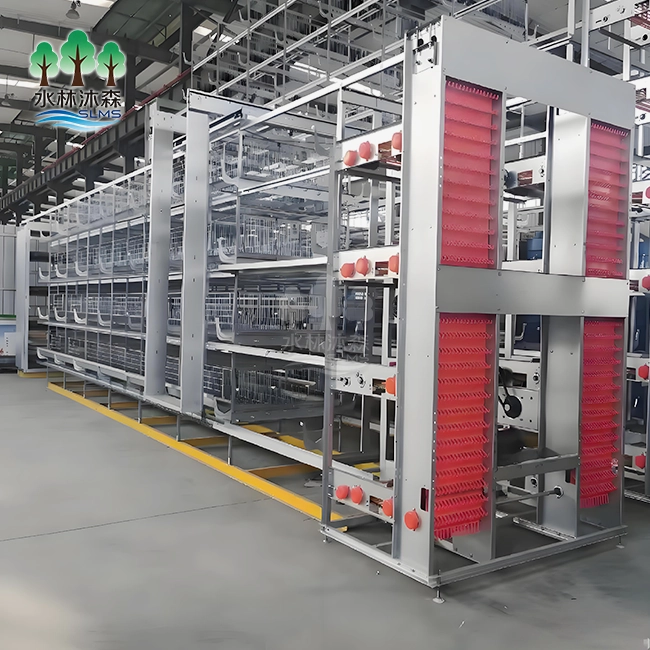
The best plan for an Eight-tier Layer Cage farm maximises vertical room while also making sure there is enough air flow, easy entry, and efficient work flow. The Eight-tier Layer Cage system uses an H-frame structure that increases the maximum stocking density to 40KG/㎡. This means that farms can house a lot more birds in the same space as with traditional systems. The best plan includes automated feeding lines, centralised routes for removing manure, and carefully placed ventilation equipment to keep the environment similar on all levels. This directly improves bird comfort and productivity.


Understanding the Eight-Tier Layer Cage System
The Eight-tier Layer Cage is the pinnacle of this development in vertical integration, which has transformed industrial egg production. This method solves the problem of limited land while also meeting the growing demand for eggs around the world.
Structural Design and Material Specifications
The quality of the building is what makes a multi-tier system effective. With its high strength and ability to prevent deformation, Q235 high-strength steel was chosen for our eight-tier design because it can hold a lot of weight. The hot-dip galvanisation process adds a protective zinc covering that is thicker than 275g/m². This makes the metal resistant to rust and increases its useful life beyond 15 years, even in places where there is a lot of ammonia from chickens.
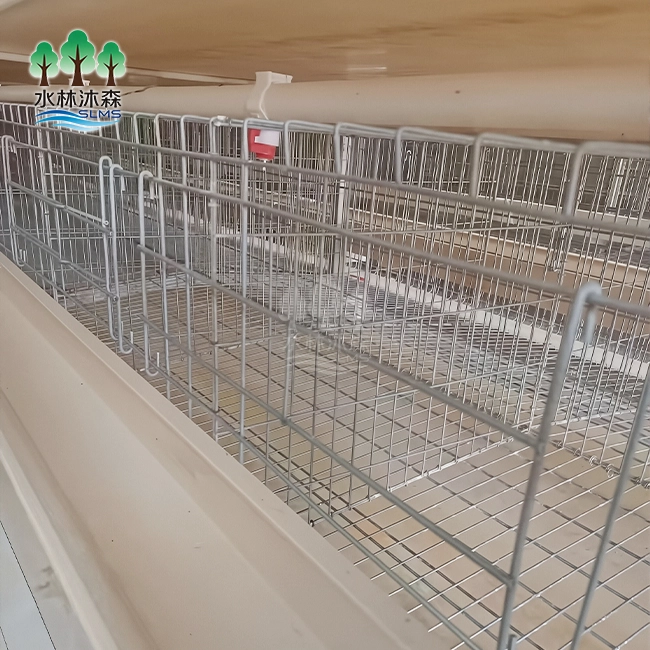
Each cage unit is 45 cm long and 45 cm wide, and when fully stacked, it stands 450 cm tall. Because the H-frame design spreads the weight vertically through strengthened support beams placed every 1.2 meters, the structure doesn't bow like it does in less-than-stellar systems. The bottom mesh has an exact 10-degree slope that lets eggs roll gently into collection holes without breaking them when they hit them.
Space Optimization and Production Capacity
For industrial production volumes, traditional single- or four-tier systems need a lot of floor room. Eight-tier systems can hold 300–400% more birds per square metre of land because they are built vertically. This effectiveness is especially helpful in places where the cost of real estate has a big effect on business budgets.
The tiered management method not only saves room but also allows birds to be grouped by phase. It is better for biosecurity and allows for more tailored nutrition programs when producers separate groups based on age, output cycle, or health state across different tiers. Better egg production rates are helped by this organised method, and well-run businesses can achieve consistency above 95%.
Integrated Automation Features
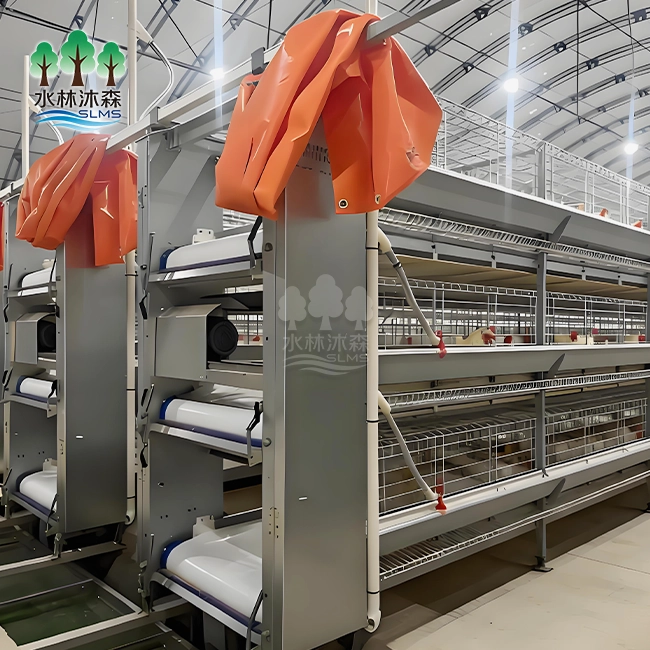
Modern Eight-tier Layer Cage systems use technology to take care of things like feeding, watering, and getting rid of waste. Automated feeding lines send exactly measured feed to each level, which gets rid of the need for human labour and cuts feed waste by up to 25%. Nipple drinker systems make sure that people always have access to clean water with little mess.
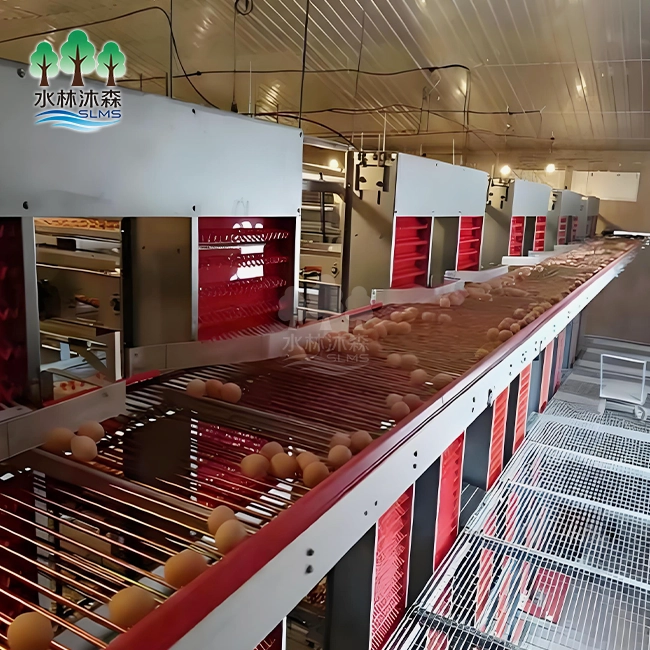
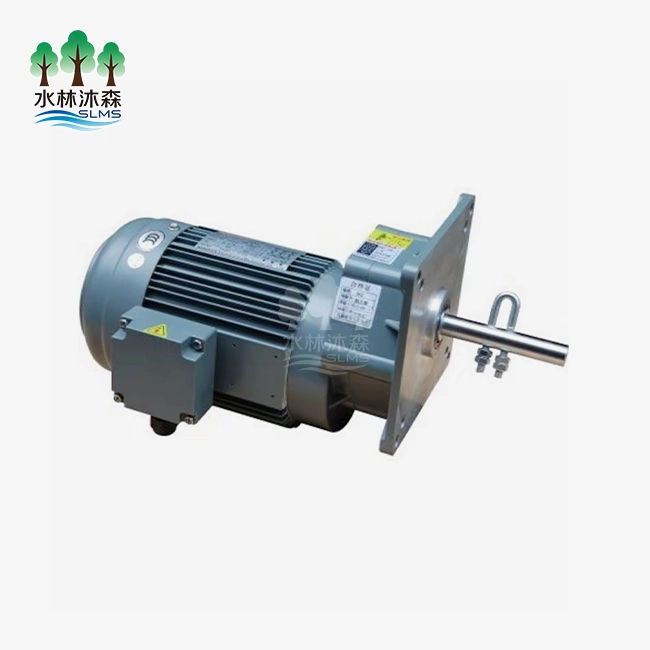
There are moving belts under each level of the automatic manure removal system. These keep birds and trash physically separate. This design greatly lowers the buildup of ammonia, which lowers the risk of lung diseases and improves the health of the group as a whole. Getting rid of trash every day also makes environmental rules easier to follow and lowers smell worries in farming areas near cities.
Core Principles for Designing the Best Layout for Eight-Tier Egg Chicken Cage Farms
Whether your investment gives you the returns you expected or causes you ongoing practical stress depends on how well you plan the layout. A lot of farms don't do as well as they could because the placement of their tools wasn't in line with how they actually worked.
Ventilation Architecture and Airflow Management
The hardest part of Eight-tier Layer Cage systems is making sure that the temperature stays the same at all levels. Since heat naturally climbs, there could be a 5–7°C temperature difference between the bottom and top levels if the airflow isn't designed properly. These changes make upper-tier birds hot, which lowers their egg production and raises their death rate.
For the method to work, there needs to be negative pressure airflow with an estimated air speed of 3.5 to 4 meters per second. At one end, exhaust fans control the flow of air, and along the sides, movable inlet holes let in fresh air. By strategically placing deflector plates, incoming air is directed upward, making sure that cooler air hits the higher levels before it warms up and falls.
Layouts that work well put vent fans in the opposite direction of the main wind flow to reduce backdraft during storms. The rows of cages should be lined up aligned to the long axis of the building so that air can flow smoothly through all levels. Leaving 1.5 to 2 metre gaps between cage banks lets air flow freely and stops dead zones where heat and moisture build up.
Accessibility and Labor Flow Optimization
As part of their daily jobs, staff must check on the birds, pick up loose eggs and do upkeep. Layouts that don't take into account how people work create bottlenecks that waste time and make it take longer to find problems.
At least one side of each cage bank should have a path that anyone can use. To check the top levels of eight-tier systems, you need either high platforms or travelling gantry systems. The placement of these platforms should make it possible for staff to get to any cage unit in 30 seconds.
Feed holding and mixing areas should be directly connected to automatic feeding lines so that less work has to be done by hand. Egg pickup points need gentle hills or conveyor systems that move the eggs to a central area where they can be graded without anyone having to carry them by hand. Systems that get rid of manure should send the waste straight into closed storage or processing areas. This way, waste management is kept separate from production areas.
Foundation and Load Distribution
Eight levels of birds, food, and tools add up to a lot of weight, which can cause the base to settle if it wasn't built correctly. When people settle down, it throws off the balance of automatic systems, which can block manure lines and mess up feeding systems.
As a general rule, engineering standards call for reinforced concrete foundations that are 30 to 50 cm deep. Soil holding capacity tests will determine the exact depth. The foundation plan must perfectly line up with the support legs of the H-frame so that the weight is spread out properly. If a building is in an area with wide clay soils, it may need extra stabilisation measures like pier footings that go below the frost line.
Comparing Eight-Tier Layer Cages with Other Cage Systems for Farm Layouts
Choosing the right equipment affects not only the initial investment, but also the costs of running the business and the chances of growth. Knowing the trade-offs between systems helps make sure that purchases are in line with long-term business goals.
Eight-Tier Versus Four-Tier Systems
Four-tier A-frame boxes were the usual way to raise a lot of eggs in the past. Even though they have been tested and proven to work and have easier ventilation needs, they have a much lower bird population per square metre. By switching from four-tier to Eight-tier Layer Cage methods, factories can double their output without having to build bigger buildings.
The starting cost of capital for eight-tier systems is 40–60% higher because they need to be built with more support and must be automated. But because of the higher output, return times are cut down to 2.5 to 3.5 years in most areas. Four-tier systems may still work for farms that have a lot of cheap land but not a lot of money, or in harsh areas where higher numbers make environmental control too expensive.
Battery Cages and Colony Systems
Traditional battery cages put hens in smaller, more individual spaces, which makes it harder for them to move around. In developed markets, these cages are also facing more and more limits from regulators. Colony systems offer more space for groups to live together, which meets safety standards, but they also make it less efficient to produce goods.
Depending on the rules of the target market, eight-tier systems can be set up with either standard-sized cages or bigger colony-style sections. No matter how big or small a cage is, the vertical stacking principle still works. However, colony designs lower the general bird density by 20 to 30 percent. Farms that sell premium or approved humane eggs may find that eight-tier systems with colonies are the best way to meet animal care standards and make money at the same time.
Energy and Maintenance Cost Analysis
Feed costs are only one part of operating costs. Eight-tier systems need stronger air equipment, which means they use 15-20% more electricity than four-tier systems. But automated feeding and manure removal cut labour costs by more than 40%, which leads to net operating saves in markets where labour costs are modest to high.
The difficulty of maintenance goes up as the system gets more complicated. For eight-tier systems, the structure, motor bearings, and belt tracks must be inspected on a regular basis. It becomes necessary to work with makers who offer full technical help. Our technology team provides training guides, helps with troubleshooting remotely, and can send experts to your location for more complicated problems.
Best Practices for Assembly, Installation, and Maintenance Integrated into Farm Layout
When put incorrectly, even the best tools doesn't work right. Most of the practical problems that happen with multi-tier systems can be avoided by paying close attention to the details of building.
Pre-Installation Site Preparation
Preparing the site is what makes the difference between a smooth installation and one that runs into costly delays. Before installing the cage, the inside of the building must be finished, including the electricity systems, ventilation systems, and lights. To keep cage parts from getting dirty, any building dust should be cleaned up very well.
Pay close attention to how level the foundation is. When differences between support points are more than 5 mm, the frame warps. This warping gets worse over eight levels, which leads to door misalignment and belt tracking problems. Professional laser levelling during the foundation pour makes sure that all the requirements are met.
Systematic Assembly Approach
We suggest putting it together from the bottom up, starting with the main H-frame supports and working your way up. This method creates stable work platforms and lets you check the orientation right away before going up. Before adding the next level, the bars on each level should be locked down, levelled, and checked.
After the cage is finished, an automated system installation is done. To keep the feeding tracks from sticking, they need to stay perfectly aligned at all times, which means that each support bracket needs to be carefully measured. Before they are fully covered, water lines need to be tested for leaks by applying pressure. When using manure belt systems, it's important to make sure the tracks are lined up correctly. Even small errors can cause the belts to move to the side over time, causing them to touch support frames and break.
As part of our installation service, we offer expert support on-site for big jobs. Technicians with a lot of experience walk local workers through important steps, make sure the system works, and teach farm staff how to do things right. This hands-on help cuts setup time by a large amount and stops common startup problems before they happen.
Preventive Maintenance Protocols
Scheduled repair keeps Eight-tier Layer Cage systems reliable and stops them from breaking down at bad times, like when production is high. Visual checks should be done every day to make sure the belt works, look for water leaks, and find any health problems with the hens. Lubricating drive motors and tightening chains once a week keeps mechanical operations running smoothly.
Maintenance that is done once a month includes cleaning the feeding tracks very well, checking the electrical connections, and making sure that all the structure bolts are tight. Check the tracking of the belt and make any necessary changes. Qualified experts check the drive components for wear every three months, test the ventilation system's performance, and change the preventive maintenance plans based on what they see.
The smart design of our systems lowers the number of injuries and diseases that are spread, which indirectly increases the efficiency of egg production. Shorter payback times are caused by lower veterinary costs and lower mortality. When maintenance is done correctly, companies can usually get their money back within the first production cycle.
Procurement Insights: How to Source the Best Eight-Tier Layer Cage Solutions for Your Farm Layout
Strategic decisions about sourcing have just as much of an effect on the results of a project as design decisions. Choosing the right manufacturing partner is important to make sure that you get good tools and good help.
Evaluating Manufacturer Credentials
Manufacturers of good quality show what they can do by having the right certifications, production sites, and engineering tools. Weifang Shuilin Musen Aquaculture Equipment Co., Ltd. has a skilled research and development team of five engineers whose job it is to keep improving product ideas by looking at how they work in the field. Every year, we release more than three new goods to make sure that our technology meets the changing needs of the business.
Material specs make it easy to see how good something is. Check that the structural steel meets the international standards for Q235 and that the thickness of the galvanisation meets the requirements. Ask for material certifications and quality testing records from a third party. When manufacturers provide clear paperwork, it shows that they are sure of their production standards.
Production capacity and supply dependability are important, especially for big projects that need more than one cage bank. Well-known makers keep an inventory of parts and can work with staged shipping schedules that fit with the progress of building. Because we've been in this business for eight years, we've built relationships with logistics partners who can handle foreign shipping, clearing customs, and final transfer to farm sites all over the United States.
Customization and Technical Specifications
Standard goods work well for many uses, but when a building is a certain size or has special operational needs, customisation is often the best option. We can make custom changes, like adjusting the space between tiers for certain types of hens, creating custom food systems for specific diet plans, or changing the width of the cages to fit the dimensions of an existing building.
In-depth technical specs for Eight-tier Layer Cage systems should include estimates for the building's load, power needs, air flow requirements, and water pressure needs. Detailed paperwork helps your construction team and professional engineers get facilities ready correctly and make sure they meet local building codes. When manufacturers give detailed specs, they show that they know how to do research and lower the risk of the project.
Cost Structure and Financial Terms
The cost of the whole project goes beyond the price of buying the tools. Shipping, import taxes, installation labour, and commissioning help are all part of a complete budget. We give clear cost breakdowns that list each part, which lets you make good financial plans.
For foreign business-to-business deals, payment terms usually include a down payment, payments in stages based on manufacturing goals, and the final payment upon delivery or commissioning. Flexible terms protect both parties' interests while taking into account the project's cash flow. We work with well-known farm lending institutions that know how to finance poultry tools. This makes it easier to get money for projects that will help the business grow.
Warranty and After-Sales Support
Equipment guarantees protect your investment against flaws in the way it was made and parts that break before they should. Our normal one-year free warranty includes both the materials and the work, and we offer choices for longer warranties for extra safety. Clear guarantee terms spell out what is covered, how to file a claim, and how long you have to wait for an answer.
Support after the sale is often what sets good makers apart from average ones. In addition to the warranty coverage, ongoing expert support helps improve system performance and solve practical problems. Our support team offers videos on how to setup things, upkeep tips, and remote help for common problems. When complicated issues need immediate attention, we can send skilled techs to your site to keep production running as smoothly as possible.
Conclusion
To make the best layout for Eight-tier Layer Cage farms, you need to combine structural engineering, environmental control systems, and improving processes into a single operating plan. When eight-tier systems are set up correctly, they have big economic benefits because they are vertically efficient. This means that more land is used, fewer workers are needed, and production is more consistent.
The quality of the tools and the accuracy of the installation are both important for a successful implementation, so choosing the right manufacturer is a very important strategic choice. In the egg production business, which is becoming more competitive, farms that plan their layout carefully, work with experienced equipment suppliers, and stick to routine repair schedules are more likely to stay profitable.
FAQ
What building dimensions are required for eight-tier cage installations?
The main limitation is the height of the building; the roof must be at least 5.5 to 6 meters above the ground to allow for the cage structure, upper walkways and overhead services. The number of birds that can fit in a building determines its length and width. Most business buildings are 80 to 120 meters long and 12 to 15 meters wide. Enough hallway room between cage banks allows air to flow and workers to get to the work area.
How does climate affect eight-tier system performance?
Extreme climates need better methods to keep the world safe. To keep upper-tier heat stress from happening, hot places need evaporative cooling pads and more air flow. To keep low temperatures steady, places that are cold need extra warmth and insulation. Even though galvanisation slows rust, humid places make it even more important to check and maintain systems on a regular basis to make them last longer.
Can existing buildings be retrofitted with eight-tier systems?
Retrofitting depends on how tall the roof is and how much space is available in the structure. Many older chicken coops don't have enough load-bearing support for eight-tier systems, so the base needs to be strengthened. Some ceiling height restrictions may limit your choices to lower-level arrangements. Before buying tools, any retrofit plan should be looked at by a structure expert.
Partner with a Trusted Eight-Tier Layer Cage Manufacturer
It has been eight years since Shuilin Musen Aquaculture Equipment Co., Ltd. has been working with big chicken farms in foreign markets. The engineers on our team create unique Eight-tier Layer Cage solutions that fit your facility's needs, your output goals, and your budget. We help our clients with everything from planning the structure to installation, commissioning, and ongoing operating optimisation.
Our full service includes clear technical specs, expert fitting advice, and quick, helpful support after the sale, all backed by a one-year guarantee. Get in touch with our team at wangshuaislms@gmail.com to talk about your project needs with knowledgeable experts in farming tools. We offer detailed quotes, facility evaluations, and personalised design ideas with no commitment. Learn how working with a dependable source can change the amount of work you can do and how efficiently you run your business.
References
1. Anderson, K.E., et al. (2019). Commercial Layer Housing Systems: Comparative Performance and Economic Analysis. Poultry Science Association Annual Conference Proceedings.
2. Henderson, S.N. (2021). Structural Engineering Requirements for Multi-Tier Poultry Housing Systems. Agricultural Engineering Journal, Volume 48, Issue 3.
3. Morrison, R.D. & Williams, T.A. (2020). Ventilation Design Principles for High-Density Layer Operations. International Poultry Welfare Symposium Technical Papers.
4. Rodriguez, M.L. (2022). Comparative Economic Analysis of Layer Cage Systems in North American Markets. Agricultural Economics Review, Volume 55, Issue 2.
5. Thompson, J.R., et al. (2021). Automation Technologies in Modern Egg Production: Implementation and ROI Analysis. Journal of Applied Poultry Research, Volume 30, Issue 4.
6. Zhang, W. & Peterson, C.B. (2020). Material Science Applications in Corrosion-Resistant Poultry Equipment Design. Agricultural Materials and Equipment Engineering Quarterly, Volume 12, Issue 1.
Learn about our latest products and discounts through SMS or email