What to Consider When Choosing a Feed Silo for Poultry Operations
For any commercial poultry company, picking the right bulk feed storage device is very important. A Feed Silo for Poultry is an important part of managing feed efficiently because it directly affects how well workers do their jobs, the quality of the feed, and, in the end, the health of the birds. When picking a silo, you should think about how much space you need compared to the size of your group, how long the materials will last, and how well the automation features will work with the food systems you already have.
In addition to the structure itself, you should also think about how well it seals to keep out wetness and pests, which are the main reasons why feed goes bad and diseases spread. This guide walks you through important selection factors that are specific to broiler units, layer farms, and duck breeding sites in the United States.

Understanding Poultry Feed Silo Basics and Types
The way we store chicken feed has changed a lot over the years, from simple bag systems to complex bulk systems. The right bin will protect your feed investment, cut down on work costs, and make sure you follow biosecurity rules. Knowing the main differences between the different types of silos can help you choose equipment that works with your working scale.
Core Functions of Feed Storage Systems
Feed Silos for Poultry are very important for three main reasons in industrial chicken operations. They offer central bulk storage that gets rid of the need to handle bags every day, which saves up to 40% of the work that would be needed for human feeding. The holding container protects the feed from things in the surroundings that make it less nutritious, like rain, humidity, and changes in temperature. The most important thing about silos is that they let you manage transport to your chicken houses using auger or chain systems. This makes sure that the chickens are fed at the same time every day without any help from people in biosecure areas.
Vertical Design Advantages
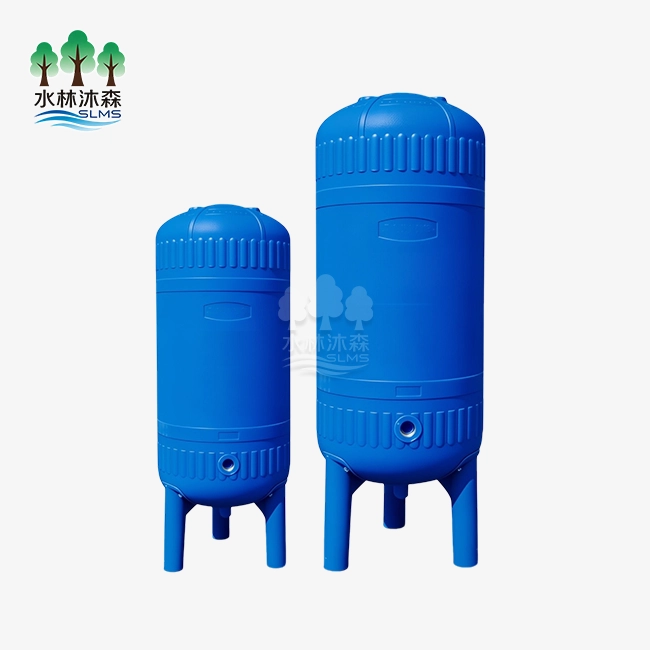
The poultry business mostly uses vertical silo configurations because they make good use of room and allow flow to be sped up by gravity. These buildings take up as little space as possible on your farm and use natural feed movement to move down through cone-shaped hoppers. The steep angle design (usually 60 degrees) stops bridge problems that happen with high-fat broiler feed. Vertical systems work well with automatic feeding lines because feed can go straight from the bin to pan feeders or trough systems in your homes through delivery augers.
Material Selection Impacts
The building materials used directly affect how long a silo lasts and how often it needs to be maintained. High-zinc-coated steel plates that have been galvanized with Z275 or Z600 offer corrosion protection that is good for country areas and will last for 10 to 15 years. 304 stainless steel construction is better for operations near the coast or in places with a lot of humidity because it prevents rust and increases service life beyond 20 years. The choice of material also affects how stable the temperature inside is. For example, reflective coats or sealed walls stop condensation from forming, which causes mold and feed to grow.
Capacity Planning Essentials
To choose the right storage space, you need to carefully consider the size of your group and how much feed they eat. Small to medium-sized businesses that house 5,000 to 20,000 birds usually need 5 to 10 ton units, while large commercial facilities that house 50,000 to 100,000 birds usually use multiple 15 to 30 ton silos. With the right size, you can keep a 7–14-day stock of feed on hand, combining the cost savings of bulk delivery with worries about feed quality. When storage is too small, it means more deliveries, which raises the cost of operations. When storage is too big, it means longer periods of time, which lowers the quality of the feed by oxidation and nutrient loss.

Key Factors to Consider When Choosing a Poultry Feed Silo
When making a purchase choice for a Feed Silo for Poultry, you should focus on things that have a clear effect on feed quality, operational efficiency, and managing long-term costs. The following factors are the ones that procurement managers in the commercial chicken business most often say make them make decisions.
Moisture and Pest Prevention
The best way to keep feed from going bad and getting contaminated is to seal it well. All entry points to a good silo are sealed against the weather, such as inspection ports, filling hatches, and release holes. When it rains, rain caps with enough overhang keep water out, and smooth construction doesn't leave any holes where water can get in. Paying attention to the little things is important for pest-proof design—gaps as small as 6 mm let rodents in, bringing in Salmonella and other germs and causing direct feed loss. Look for systems that have vibrators built into the hopper cone. These stop the feed from getting compacted and stop static bridging, which leaves empty areas where pests can live.
Automation Integration Capabilities
It takes a lot of time and effort to check on manual silo systems every day and start feeding animals, which takes important work hours. In automated setups, electronic load cells are placed under the legs of the silo and send real-time weight information to your farm management system. This technology makes it possible to accurately track how much feed is used, to reorder when stock goes below certain amounts, and to calculate the Feed Conversion Ratio for optimal production. Level monitors in more advanced systems keep the containers from overfilling while the delivery truck is unloading. This protects the structure and gets rid of waste from spills.
Installation and Technical Support
If you place the silo correctly, it will work safely and efficiently for its whole life. It's important not to forget about the base. Reinforced concrete pads with C30 strength ratings and 30–50 cm width provide the stability needed, especially in places with soft soil or a lot of wind. Reliable providers offer installation videos and detailed technical paperwork, but for more complicated jobs, it's best to have an expert do the work on-site. We've seen operations save a lot of time fixing by hiring professionals to install the system. This makes sure that the anchor bolts are in the right place, the parts are lined up correctly, and the system works with the current feeding infrastructure.
Weifang Shuilin Musen Aquaculture Equipment has eight years of experience with agricultural equipment and can help with placement on-site. Our group of five committed engineers has streamlined the construction process to make sure that it meets all safety standards and cuts down on the time it takes to set up. As extra tools, we offer detailed installation videos that can be used as guides by your repair team when they need to make changes to the equipment or replace parts in the future.
Durability and Maintenance Planning
Expected service lives change a lot depending on the material used and the conditions of the surroundings. Standard galvanizing steel silos work reliably for 10 to 15 years with little upkeep, while high-quality stainless steel units can last more than 20 to 25 years. Regular maintenance routines greatly increase the life of equipment. For example, every three months, inspections should be done to make sure the seals are still intact, look for rust spots that need to be coated, and make sure that moving parts like vibrators and release mechanisms are working properly. Long-term operating continuity depends on how easy it is to get new parts. Make sure that your provider keeps wear items like level sensors, gaskets, and access door seals in stock.

Evaluating Poultry Feed Silos Based on Performance and Cost
To find the right balance between the initial investment and the total running costs for your Feed Silo for Poultry, you need to carefully look at a number of performance factors. When you add up the total cost of ownership, which includes upkeep costs, downtime risks, and feed loss, the lowest price isn't always the best deal.
Cost Structure Analysis
Pricing for silos is based on more than just measuring their volume. Material choice makes a big difference in prices. Standard galvanized steel units in the 10-15 ton range usually cost 30–40% less than stainless steel models of the same size, but stainless steel models don't need to be repainted and are better at resisting rust. automatic features cost more, but they pay for themselves quickly by saving time and money on labor. For example, electronic weighing systems and automatic supply control can cut the amount of work needed to feed animals every day by two-thirds. The image of a brand affects its price. Well-known makers charge more, but their reliability and large support networks make up for it.
Common Performance Issues and Prevention
Feed bridging is the most common problem that needs to be fixed, especially with pelleted broiler feeds that have a lot of fat in them. This happens when the feed particles stick together inside the hopper cone, making a solid arch that stops the flow. Some ways to stop this from happening are to order hoppers with 60-degree slopes instead of 45-degree slopes, put in automatic vibrators that turn on at set times, and make sure the inside walls are smooth to reduce friction. Moisture getting in through broken seals causes clumps and mold to grow. Regular seal checks and quick fixes stop small problems from getting worse and causing whole batches to be lost.
Warranty and After-Sales Considerations
Full warranty coverage and quick expert help are what set high-quality suppliers apart from cheap ones. Standard guarantees should cover the structural stability for at least a year and be clear about when parts will be replaced and when service will be sent. After-sales support is especially helpful in the first year of use, when users are still getting used to the system and figuring out the best settings for their individual feed formulas. When parts need to be replaced, having access to extra parts inventory, both locally and directly from the maker, cuts down on downtime.
All of our silo setups come with a free one-year guarantee that covers structural parts and problems that happened at the factory. After the warranty time is over, we keep a large stock of spare parts and offer ongoing expert support to answer practical questions as your production needs change.
Matching Poultry Feed Silos to Your Procurement Needs
For different operating scales and production methods, you need different kinds of equipment. Knowing these details about each Feed Silo for Poultry will help you stay away from getting too many features that you don't need or choosing systems that are too weak and limit your growth.
Scale-appropriate Selection
Single 5- to 8-ton silos with human or semi-automated delivery systems work well for small family farms and specialty poultry businesses with 2,000 to 10,000 birds. Medium-sized business facilities that house 20,000 to 50,000 birds usually use 10 to 20-ton units with basic automation that includes level monitors and load cells for tracking. Large complexes that handle multiple houses that can hold more than 100,000 birds need complex multi-silo arrays with centralized management software, automated stocking tracking, and direct interaction with systems that schedule feed mill deliveries.
Customization Advantages
In most cases, standard silo designs work well, but sometimes, unique situations call for custom solutions. Low-profile horizontal designs are helpful for situations where there is limited vertical space because of power lines or flight path limits. Facilities in harsh regions may ask for double-wall insulated building to keep the temperature inside stable. Farms that take care of a lot of different types of chickens or chickens of different ages often need two-compartment bins that physically separate the different types of feed. This keeps them from getting contaminated and makes handling easier.
Shuilin Musen Aquaculture Equipment focuses on custom solutions that are made with the help of our research and development team. We've made custom setups for sites that were hard to get to, like places with limited access, operations that needed electrical systems that wouldn't explode in dusty areas, and facilities that needed special discharge mechanisms for their specific feed characteristics. Our ability to customize comes from eight years of working in the field and fixing problems in a variety of poultry businesses.
Supplier Evaluation Criteria
Choosing a dependable seller of Feed Silo for Poultry will protect your investment and keep your business running smoothly for a long time. Give more weight to companies that have a history of making quality chicken equipment. Companies that make farm machinery know how to meet the specific needs of livestock storage, which are different from general industrial storage. Make sure that any possible suppliers have the right quality certifications for your market and can show that they follow the local safety and building rules. Stable finances are important. Suppliers who have been in business for 5–10 years are more likely to respect guarantees and keep parts available for as long as your silo is in use.
Ask for detailed recommendations from current customers who run sites of a similar size. Talking directly with present users can give you information about how well the equipment works in real-life working situations and how well the installation was done. Response times to problems depend on how close you are to service centers, but national providers with regional support networks can offer the same level of coverage.
Maintenance, Cleaning, and Longevity Tips for Poultry Feed Silos
Proactive maintenance plans keep equipment working well and stop expensive fixes from having to be done in an emergency. Setting up routines for your Feed Silo for Poultry saves the quality of your feed and gets the most out of your silo investment.
Regular Inspection Schedule
Visual checks every three months find possible problems before they get so bad that they stop working. Check all entry doors and hatches to make sure they are properly sealed. Look for gaskets that are missing or broken that let water or pests in. Check the paint job on the outside for scratches or spots of rusting. Fix any small damage with touch-up paint before rust forms. Make sure the rain cap stays in place and is firmly attached. The wind can move these parts, leaving holes where water can get in. Internal checks should happen when all the feed is gone between groups. This way, the conditions of the walls can be checked and any feed buildup on the inside surfaces can be found.
Cleaning Protocols
Biosecurity is maintained by cleaning the silos completely between production cycles. This stops cross-contamination between feed batches that contain different medicines or chemicals. First, make sure that all of the leftover feed is discharged. If necessary, remove the feed by hand to clear the areas where it builds up. Using approved sanitizing agents in high-pressure washing gets rid of any leftover bits and kills any possible germs. Paying close attention to the area around the hopper cone keeps old feed from getting on new arrivals. Allow enough time for the silo to dry out before refilling it. Adding new feed to a silo that is still wet will cause moisture problems right away and pose a mold risk. From what we've seen, thorough cleaning doesn't add much time to shift plans and gets rid of quality problems that keep happening and hurt bird performance.
Technology-Enhanced Monitoring
Modern moisture sensors put inside silos let people know about condensation problems early on, before mold starts to grow. These gadgets link to your farm's management system and send you alerts when the humidity level goes above what's considered safe. Monitoring temperature serves the same protective purpose, spotting heat buildup that speeds up the breakdown of nutrients and feed. When these tracking technologies are combined, reactive maintenance is turned into predictive management. This way, problems are found early on, when they are easier to fix and big losses can be avoided.

Conclusion
When you buy a Feed Silo for Poultry, you're making a long-term investment that will affect your business's efficiency, feed quality, and profits for years to come. To make the choice, you have to weigh the capacity against the size of your flock, look at the environmental impact of the building materials, and pick the automation features that work best for your business.
Controlling moisture and pests with good sealing systems should be your top priority. Also, make sure that your provider offers full fitting help and reliable service after the sale. By carefully comparing these factors to your own needs, you can make sure that the feed storage system you choose protects your feed investment, lowers the amount of work that needs to be done, and supports stable bird performance across production cycles.
FAQ
How Do I Calculate the Right Silo Capacity for My Farm?
To find out how much feed you need each day, multiply the number of birds by the average amount each bird eats each day, taking into account their age and stage of production. Multiply this number by the number of days you want to store it for. Usually, 10 to 14 days is the best mix between delivery frequency and freshness worries. Add 15 to 20 percent extra space for your Feed Silo for Poultry to allow for flexible shipping times and future group growth.
What Advantages Do Automated Systems Provide?
Automated feed delivery systems get rid of the daily work of hand-feeding birds and make sure that they always eat at the same time, which is best for their performance. Electronic tracking gives accurate information about what is being eaten, which is needed to figure out Feed Conversion Ratios and see if there are health problems by looking at changes in desire. Automation cuts down on the number of people who enter biosecure zones, which lowers the risk of spreading disease.
What Maintenance Frequency Should I Plan?
Plan full inspections every three months, and do quick eye checks when you're making your regular farm runs. Professional service once a year should check the structure's strength, re-calibrate any electrical systems, and repair any worn-out parts. Professional checks every six months are helpful for operations that are in corrosive settings. Keep track of trends and improve long-term plans for managing tools by writing down all maintenance tasks.
Partner With Shuilin Musen for Reliable Feed Storage Solutions
We know what problems modern chicken farms face because we've spent eight years making useful solutions for farms all over the agriculture sector. Shuilin Musen Aquaculture Equipment is a seller of Feed Silo for Poultry. They make storage systems that really work in tough production settings by combining cutting-edge engineering with real-world field experience. Our 5–30-ton range is used by everything from small farms to big industrial buildings. Each unit is made from high-zinc coated steel or premium stainless steel to last as long as possible.
Our full help environment is what makes us stand out. In addition to making high-quality tools, our team of five expert engineers also offers ongoing technical support to help you get the most out of your system as your business changes. We offer full solutions that include on-site installation, clear video instructions, and helpful support after the sale, all backed by a one-year guarantee. When you buy from Shuilin Musen, you get a partner who cares about your success, not just a piece of tools. Get in touch with us right away at wangshuaislms@gmail.com to talk about your unique needs. You can look at our full range of chicken feeding options at slms-equipment.com and learn how the right feed storage facilities can make your business more efficient.
References
1. Anderson, K.R. & Morrison, W.D. (2019). Feed Storage and Handling Systems for Commercial Poultry Operations. American Society of Agricultural and Biological Engineers Technical Manual.
2. Brake, J. & Peebles, E.D. (2021). Poultry Production Systems: Environmental Management and Feed Efficiency. Cambridge University Press.
3. National Chicken Council (2022). Guidelines for Feed Storage Infrastructure in Intensive Poultry Production. NCC Industry Standards Publication.
4. Ravindran, V. (2020). Feed Quality and Safety in Modern Poultry Production. Journal of Applied Poultry Research, 29(3), 745-762.
5. Summers, J.D. & Leeson, S. (2018). Commercial Poultry Nutrition and Feed Management. Nottingham University Press.
6. USDA Agricultural Marketing Service (2023). Best Practices for Bulk Feed Storage and Biosecurity in Poultry Operations. Technical Guidance Document AMS-PY-23-001.
Learn about our latest products and discounts through SMS or email