Where to buy energy-efficient air inlets for poultry barns?
Finding trusted sources for energy-efficient air inlets is a very important choice for chicken farm owners who want to improve the ventilation systems in their barns. As you look for places to buy these important parts, you'll find that specialized farming equipment makers and distributors are the most reliable options. A good Poultry House Air Inlet system, especially one that is made with precise aerodynamics and long-lasting materials, can be bought directly from companies like Shuilin Musen Aquaculture Equipment Co., Ltd., which has a wide range of products made especially for modern poultry farms. You can buy farm machinery from local sellers and online business-to-business (B2B) sites. However, dealing directly with the maker usually gives you better technical help and more customization options.


Comprehending Energy-Efficient Poultry House Air Inlets
Ventilation controls the health, growth rates, and total productivity of flocks in modern chicken farms that use controlled environment systems. As the first part of these systems, Poultry House Air Inlet units control how much fresh air comes into your barn while meeting energy saving standards that have a direct effect on your costs.
The Role of Air Inlets in Barn Climate Control
Ventilation inlets are like precise tools in negative pressure systems. They control not only the amount of air going in, but also how fast it moves and where it goes in your building. The design uses aerodynamics to move cold air from outside up along the roof, where it can mix with warmer air inside before falling to bird level. This keeps your group from being stressed out by the cold, which can happen when cold air blows straight onto them. This can cause breathing problems and raise the death rate for young birds.
Energy-efficient models lower heating and cooling costs by keeping the best seal when they're closed and letting managed air flow through them when they're open. For businesses that take care of 50,000 birds or more, the difference between basic and advanced inlet systems can be thousands of dollars a year in energy costs. A good inlet function not only saves money, but also stops ammonia from building up, manages humidity levels that can cause wet litter syndrome, and keeps oxygen levels at the right level for peak feed conversion ratios.
Key Specifications That Define Quality
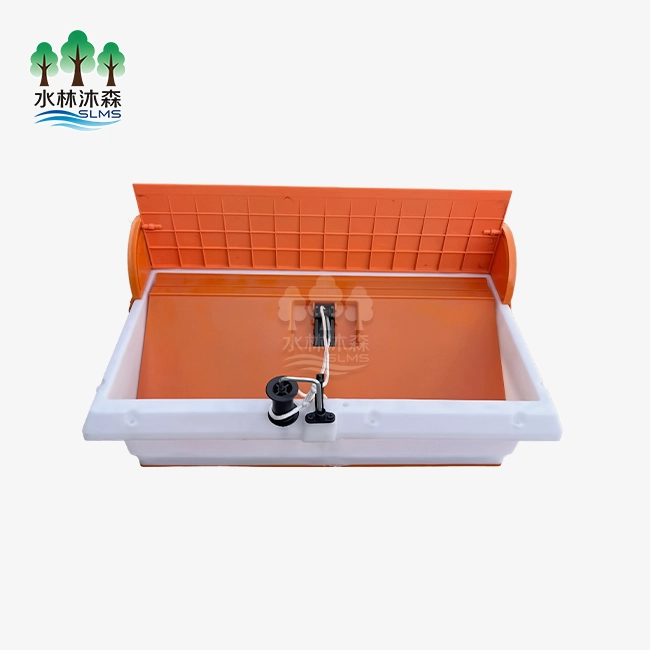
When choosing ventilation components for your building, sizes are very important. Standard business inlets are usually 560mm x 270mm, which gives each unit a useful circulation area of 0.11 to 0.13 square meters. This size lets you precisely figure out how many inlets your barn needs based on the total capacity of the exhaust fan and the static pressure levels you want.
The makeup of the material decides how long it will last in the harsh environment of a chicken barn. High-quality ABS construction is very resistant to the harsh ammonia fumes, moisture, and temperature changes that are common in large chicken farms. Quality units keep their structure and seals working well in temperatures ranging from -30℃ to 60℃, so they can be used for both winter heating situations and summer heat control. The material needs to be able to withstand the impact damage that comes from normal barn tasks and cleaning. It also needs to be dimensionally stable so that it doesn't bend or have holes that waste energy.
Advanced Features That Enhance Performance
Many new technologies have been added to modern inlet designs that set high-end goods apart from cheaper ones. One of the best features is that it has built-in wind deflectors that send incoming air jets upward instead of letting cold drafts fall straight downward. This internal baffle system makes sure that fresh air moves along the roof line. This increases the mixing distance and keeps your birds from getting too hot.
The method for opening is another important part. Stainless steel springs give steady operation the tension it needs without rusting or losing their elasticity after thousands of rounds. In barns with a lot of ammonia, inferior spring materials rust within months, causing inlets that don't close properly or that respond slowly to controller signals. The inlet reaction can be fine-tuned to fit your barn's width, roof height, and fan layout thanks to precision-engineered pulley systems and adjustment rods.
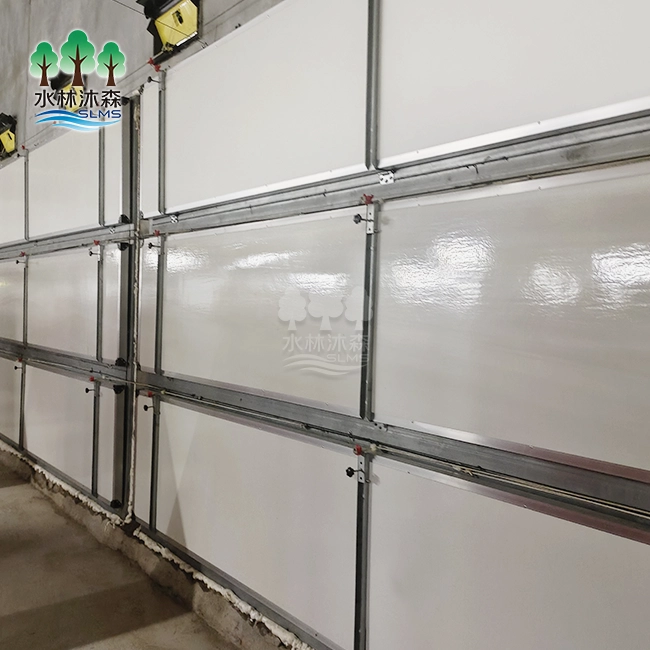
Insulation layers built into the inlet frame create thermal breaks that stop condensation from forming when the machine is used in cold weather. When warm, wet barn air hits a cold surface at the entrance, water condenses and drips down onto the birds and litter below. This problem is solved by well-insulated designs that also keep heat from escaping through the opening, which helps save energy overall.
Criteria to Consider When Buying Poultry House Air Inlets
To choose the best Poultry House Air Inlet system, you need to carefully look at a lot of different technical and practical factors. Your choice of what to buy affects not only the original costs of the tools, but also the long-term costs of maintenance, the way energy is used, and, in the end, how well your flock does.
Evaluating Airflow Performance and Capacity
To figure out how many inlets you need, you must first know how big your barn is and how fast you want the air to flow through it. In cold weather, each bird needs at least 0.5 to 1 cubic foot per minute of air flow. In warm weather, each bird may need at least 7 to 10 CFM of air flow. How many units your building needs is based on the CFM number of each inlet at different static pressures.
Static pressure is the amount of vacuum that your exhaust fans make inside the barn. It is usually kept between 0.08 and 0.12 inches of water column. The wind from the inlets must be enough to reach your goal pressure, and the speed must be high enough to throw air across the width of the barn. When there isn't enough inlet area, the holes that are there have to work harder, which speeds up the air too much and causes cold stress. On the other hand, increasing the inlet capacity too much slows down the air flow below the level needed for proper mixing, which creates layered air and uneven temperatures.
Material Durability and Corrosion Resistance
Equipment has a hard time working in poultry barns for some reason. High levels of ammonia from decomposing manure make environments that are acidic and break down metals, plastics, and locks. Your intake materials must be able to handle these gases for a long time without breaking, discoloring, or losing their strength.
The quality of ABS plastic formulas varies a lot. Even after years of use, premium grades stay resistant to impacts and UV rays, while cheaper grades become weak and crack within seasons. To keep metal parts from rusting, especially springs, bolts, and pulleys, they must be made of stainless steel. At first glance, galvanized steel parts may seem fine, but in high-ammonia settings, they usually rust within two to three years, meaning they need to be replaced too soon.
Both gasket and seal materials need to be looked at carefully. Weatherstripping needs to be able to bend even in very cold or very hot temperatures and not break down chemically. If the seals aren't good, air can get in without being stopped. This makes your ventilation system less accurate and means you can't keep static pressures at target levels or meet minimum ventilation goals when it's cold outside.
Compatibility With Existing Ventilation Systems
Modern chicken coops are like big weather systems that work together. They have computers that watch temperature, humidity, and pressure sensors and change fan speeds and openings automatically. When you choose an inlet, you need to make sure it works with the software tool you already have.
Simple mechanical inlets that are adjusted by hand or simple cable systems are easy to use, but they don't have the responsiveness needed for best performance in changing circumstances. Environmental computers control motorized inlets that make precise changes based on real-time conditions. This keeps the static pressure constant as fan stages turn on and off. Make sure that the inlet type you choose works with the brand of controller you have and with the voltage and data standards your system uses.
When improving older buildings, retrofitting needs to be thought about. How hard it is to install depends on the size of the inlet mounting holes, the frame requirements, and the wall thickness fit. While standard sizes make replacement projects easier, custom solutions may be better for dealing with the unique structure issues in your current buildings.
Top Sources for Energy-Efficient Poultry House Air Inlets
Ventilation equipment can be bought through a number of different outlets, each of which has its own benefits based on the size of your business, your technical knowledge, and your support needs. Working directly with a Poultry House Air Inlet maker gives you access to professional help that you can't get from distributors.
Direct Manufacturer Purchasing Benefits
Businesses like Shuilin Musen Aquaculture Equipment Co., Ltd. have engineering teams that can look at your barn's size, temperature, and output goals and suggest the best ways to set it up. During this meeting, the exact amount of inlets, best placement sites, and right size for your facility's specific needs are determined.
Most of the time, buying directly from the manufacturer is cheaper than buying through a dealer, especially for big jobs that need dozens or hundreds of units. Manufacturers can handle large orders by offering big discounts that greatly lower the cost per unit. Customization is another big benefit—direct links make it possible to change specifications for non-standard uses, like changing the sizes for upgrade projects or picking out specific colors to match the infrastructure that is already there.
Warranty terms and help after the sale are often better than what middleman sellers offer. Manufacturers stand behind their products with full warranties that last at least a year, and they keep parts on hand so that their goods can be used for a long time. Technical support teams help with questions about installation, fixing operating problems, and making sure the system works at its best after it has been put into service.
Regional Distributor and Dealer Networks
Agricultural equipment wholesalers serve areas where makers don't have direct stores. They do this by keeping stock locally and getting new parts to people who need them faster. These stores usually carry more than one brand, so you can compare features and prices side by side. Established sellers keep service teams that know how to install ventilation systems in the area and are familiar with the building codes that apply there.
Distribution networks are great for helping smaller businesses that don't have enough expert staff to work directly with manufacturers. Salespeople can help you choose products without needing to know a lot about them technically because they can give you advice based on their experience with similar farms in the area. A lot of wholesalers give full ventilation kits that include inlets, fans, controllers, and sensors as a single system with specs that work well together.
Many times, payment terms are more open with wholesalers because they offer credit to customers who have bought from them before. Manufacturers, on the other hand, may need deposits or full payment before they start making the product. This aspect of funding is very important to think about when making a budget for big projects like building new facilities or remodeling old ones.
Online B2B Platforms and Specialty Suppliers
Digital markets connect buyers with sellers all over the world, giving buyers more choices than are available in their own area. Platforms that focus on farming and fishing tools bring together products from many different makers, making it easier to compare specs between brands. These channels work well for businesses that are used to evaluating technical specs on their own and managing the logistics of foreign shipping.
Specialty providers that only sell tools for poultry get very good at what they do in this area. Their carefully chosen choices focus on tried-and-true answers for common problems in the business, leaving out options that haven't been tested in commercial chicken settings. With the help of specialized sellers, you can sort through the huge number of generic ventilation goods and find the ones that are really made for livestock barn needs.
Procurement and Installation Services
Implementation is more than just buying parts; whether your Poultry House Air Inlet system works as well as it could depends on how well it is installed and commissioned. Successful setup requires accurate project planning as the first step to efficient procurement.
Streamlining the Purchasing Process
Gather comprehensive information about the facility, such as the barn's size, the current fan inventory and its CFM rates, the number and types of inlets, and any structural limitations that affect where the fans can be mounted. This documentation lets sellers give accurate quotes and good product suggestions without having to go through multiple revision processes.
Before placing a big order, ask for samples. This is especially important when trying out new sources or product lines. Specifications alone can't tell you everything you need to know about the quality of a building project. Check how easy the opening process is, how well the seal works, and that the materials will last as long as you expect them to. By checking samples, problems can be found before the whole package arrives.
Planning for lead times keeps projects from being late. Stock items from domestic sellers are usually sent out within days, but custom configurations or sales from other countries may take 6 to 12 weeks. Plan the arrival of tools around the schedules for building or retrofitting, and take into account that shipping delays could happen because of problems in the supply chain or the processing of imported goods at customs.
Professional Installation Considerations
Installing an inlet may look easy, but it needs to be done carefully for it to work properly. The height of the mounting affects the throw distance and the way air flows, with inlets usually placed 6 to 8 feet above the floor on the sidewalls. How far apart the inlets are should depend on how wide the barn is and how much air needs to be mixed. For better center coverage in bigger buildings, the inlets need to be closer together.
One of the most important parts of fitting is sealing around the inlet frame. Leaking air through cracks in the inlet and wall structure makes static pressure control less effective, leading to unpredictable airflow patterns. To get rid of these gaps fully, good installs use expanding foam insulation or gasket materials. For standard 560mm × 270mm inlets, the fitting hole must be cut precisely to 570mm × 280mm. This lets the frame fit properly without leaving too many gaps.
Professional repair services are worth more than the time they save you. Technicians with a lot of experience know how to avoid common installation mistakes, connect inlets and controller systems correctly, and test the whole ventilation system to make sure it meets the goal static pressures and air speeds. Shuilin Musen Aquaculture Equipment Co., Ltd. offers on-site installation services along with video lessons and detailed documentation to make sure your system works as planned from the start.
Maximizing Long-Term Value Through Support Services
Support after the sale is what sets top sellers apart from commodity vendors. A full guarantee, usually one year for good items, protects your investment against problems with the way it was made and failures before they should. Check the insurance to see what it covers. Some don't cover damage caused by bad fitting or normal wear and tear on things like seals and springs.
Modern inlets still don't need much maintenance, but it's still not nothing. Cleaning the mesh guards and moving parts every six months gets rid of dust and feathers that have built up, keeping the machine running smoothly. Regular checks of the spring tension and pulley balance are needed to find wear before they completely break. These routine jobs are made easier by suppliers who offer upkeep advice and replacement parts that are easy to find.
When fixing working problems, having access to technical help is important. When you email the maker directly at wangshuaislms@gmail.com, for example, you can get in touch with research teams that know about the specifics of the product and can figure out problems that regular customer service can't. Downtime that hurts group health and production measures is kept to a minimum by responsive support.
Conclusion
Choosing the right sources for energy-efficient ventilation components has a big impact on how well commercial chicken production runs. Directly working with the maker gives you access to technical knowledge, the ability to make changes, and full support, all of which make the buying process and long-term running easier. Quality products with long-lasting ABS construction, stainless steel mechanisms, good insulation, and aerodynamic shield designs make energy use, temperature control accuracy, and flock performance all better in measured ways. If you carefully look at the credentials of the seller, the product specs, and the services they offer, you can be sure that your investment in a Poultry House Air Inlet system will help you reach your production goals and stay cost-effective for many years to come.
FAQ
Q1: How do I calculate the number of inlets my barn requires?
A: To find out how many inlets you need, divide your maximum transitional ventilation CFM capacity by the inlet model's CFM value at 0.10 inches of water column static pressure. For a barn to use 10,000 CFM of air during transitional mode with 140 CFM inlets each, it would need about 72 inlets (10,000 ÷ 140 = 71.4). This calculation makes sure that the opening area is big enough to keep the goal static pressure without moving the air too fast.
Q2: What maintenance does a Poultry House Air Inlet system need?
A: As part of regular upkeep, mesh guards need to be cleaned and parts need to be moved twice a year to get rid of dust and other things that get in the way of airflow or cause blocking. Check the tightness of the stainless steel springs and the covers for cracks or holes that let air leak out. Use the right grease that can handle barn conditions to grease the pulleys and hinge points. These easy jobs, which only need basic tools and very little time, keep things running smoothly and greatly increase the service life.
Q3: Can I retrofit energy-efficient inlets into existing barns?
A: Most of the time, retrofitting is possible, but structural issues depend on the type of building. Check the new unit's measurements against the current inlet openings. Standard sizes often allow straight replacement without making any changes to the wall. In some cases, non-standard settings may need unique inlet measurements. Manufacturers like Shuilin Musen offer customization services to meet these needs. Upgrading to models with insulation and deflectors usually makes a huge difference in performance, even when replacing fairly new equipment that doesn't have these advanced features.
Partner With a Proven Poultry House Air Inlet Manufacturer
Shuilin Musen Aquaculture Equipment Co., Ltd. has eight years of experience designing air systems for large livestock farms. Our 560mm × 270mm Poultry House Air Inlet systems are made of corrosion-resistant ABS, have precision wind deflectors, and have stainless steel working parts that were designed to work in chicken barns where the temperature ranges from -30°C to 60°C. We help buying teams by offering custom sizes, full installation instructions with video tips, on-site installation services, and a guarantee that protects your investment for one year.
Our expert team figures out the best number and placement of inlets for your building based on its specific needs. This makes sure that airflow is evenly distributed and energy efficiency is maintained after the system is fully operational. You can email us at wangshuaislms@gmail or visit slms-equipment.com to talk about your project needs with experienced suppliers who want to make your business more productive and profitable by using the best ventilation technology.
References
1. Donald, J. (2018). Poultry Production Systems: Environmental Management and Welfare. CABI Publishing.
2. Midwest Plan Service. (2016). Mechanical Ventilating Systems for Livestock Housing. Iowa State University Extension.
3. Gates, R.S., Casey, K.D., Xin, H., & Burns, R.T. (2009). "Building Emissions Uncertainty Estimates," Transactions of the ASABE, 52(4), 1345-1351.
4. Yahav, S., Straschnow, A., Luger, D., Shinder, D., Tanny, J., & Cohen, S. (2004). "Ventilation, Sensible Heat Loss, Water Loss and Broiler Performance Under Harsh Environmental Conditions," Poultry Science, 83(2), 253-258.
5. National Chicken Council. (2020). Animal Welfare Guidelines and Audit Checklist for Broiler Chickens. Washington, DC.
6. Czarick, M. & Lacy, M. (2019). "Tunnel Ventilation Basics," Poultry Housing Tips, University of Georgia Cooperative Extension, Volume 31, Number 5.
Learn about our latest products and discounts through SMS or email