Affordable four-tier layer cages for indoor use
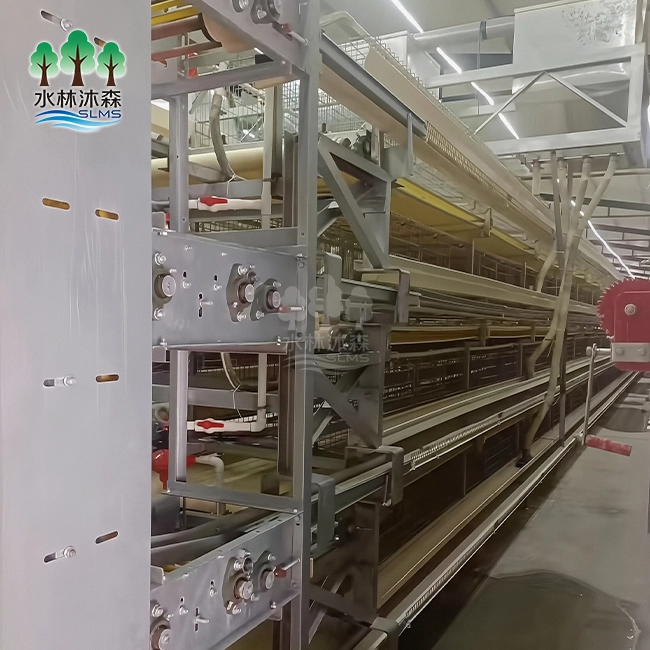
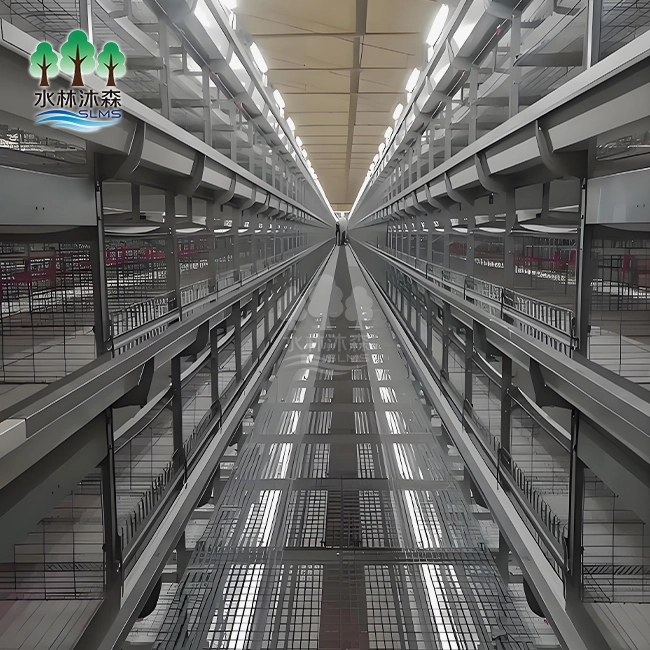
When looking for cheap ways to get more eggs from indoor farms, Four-tier Layer Cage systems are the best way to get the most eggs for your money. With phased and tiered management, these vertical housing units make it possible to raise a lot of laying hens on a large scale. These cage systems are made to last with corrosion-resistant galvanized materials. They take traditional chicken farms and turn them into modern, highly productive facilities that give investors a better return on their money while still meeting animal care standards.


Understanding Four-Tier Layer Cages: Features and Benefits
Indoor egg production has changed a lot because of multi-level chicken housing systems that make the most of vertical room without sacrificing working efficiency. These creative buildings use cutting-edge engineering ideas to make settings that are good for both bird health and production.
Core Design Elements and Construction
The engineering specs and building elements of any dependable Four-tier Layer Cage serve as its cornerstone. The base material for quality systems is Q235 International Bridge Steel, which was chosen because it is very flexible and doesn't bend easily when it's loaded with heavy things. This steel is hot-dip galvanized and gets a zinc covering that is thicker than 275g/m². This protects against rust chemically and increases the service life to 15 to 20 years.
Specifications for wire thickness are very important for the structure's strength and usefulness. The main frame wires have sizes between 3.0mm and 3.8mm to support structural loads. The wire widths for the partition and bottom meshes are between 2.2mm and 2.5mm to allow for the most freedom without sagging. The slopes on the bottom mesh are carefully designed to be 7-9 degrees, which maximizes egg roll-out speed while keeping breakage rates below 0.5%.
Advanced Automation Integration
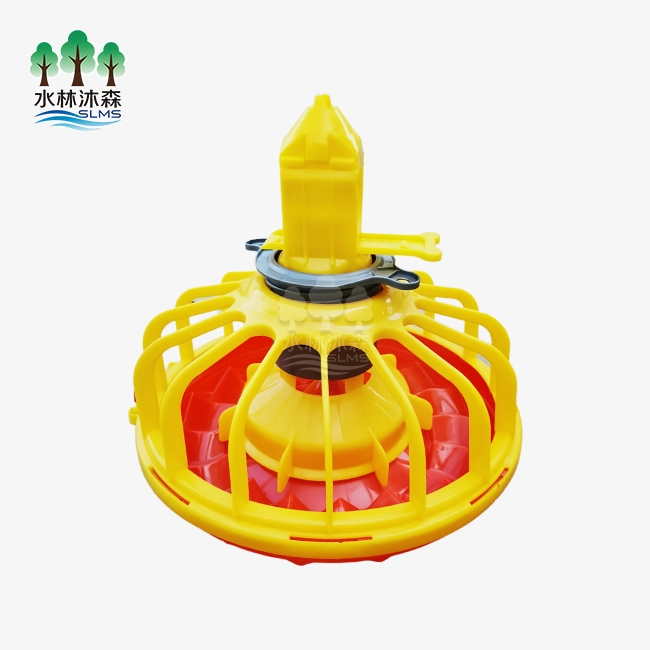
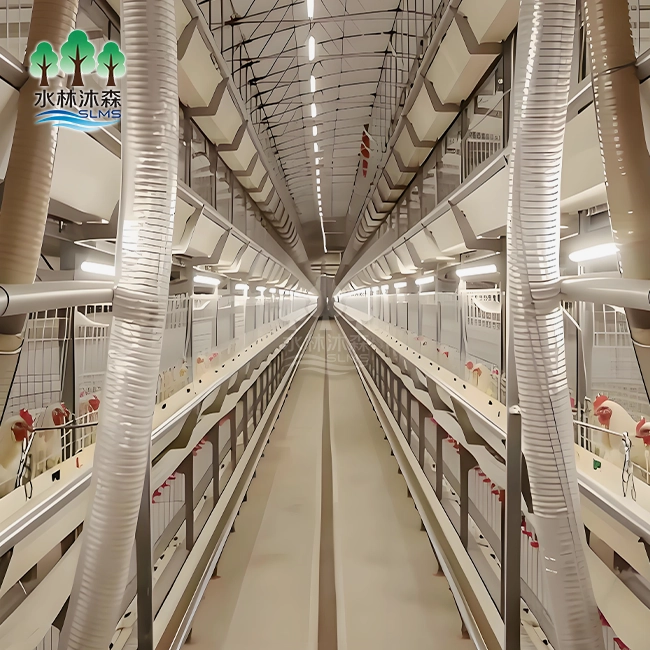
Modern indoor layer cage systems have food, watering, and manure removal systems that work with each other without any problems. These methods allow for stocking levels of 40 kg/◡ while still keeping the health and happiness of the birds at their best. Automatic feeding systems make sure that all levels get the same amount of food, and nipple drinking systems make sure that all levels get clean water. The height of these systems can be adjusted so that they work for birds during all of their laying cycles.
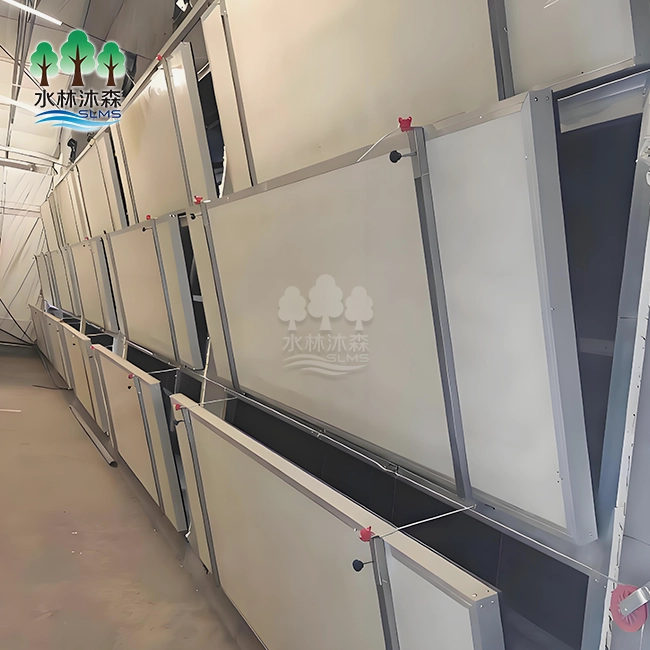
Implementing automated manure removal is a big step forward in keeping things clean. Under each level, belt systems clear waste constantly, keeping birds away from feces and greatly lowering the spread of diseases like coccidiosis and parasitic infections while also preventing ammonia buildup.
Production Efficiency Benefits
Because cages don't let birds move around much, the birds' energy goes toward making eggs instead of being active, and they usually get feed conversion rates of 2.0 to 2.2:1. This level of productivity directly leads to lower feed costs and higher profits. The controlled environment also lowers the number of broken eggs and injuries to the flock, which indirectly boosts production efficiency and shortens the time it takes to get the money back for purchases of equipment.
Comparing Four-Tier Layer Cages with Other Cage Systems
Knowing the differences between the different types of cages helps chicken farms make smart decisions when they are going to buy big pieces of equipment. Depending on the size of the business, the limitations of the facility, and the need for automation, each method has its own benefits.
Space Utilization Analysis
Three-tier systems are a bit more dense than single-level systems, but they don't make the best use of the vertical room in modern poultry buildings. There is more space in five- and six-tier arrangements, but the buildings need to be much taller and have more complicated ventilation systems to keep the air quality good on all floors.
Four-tier Layer Cage systems achieve the best balance possible by maximizing the use of vertical room while keeping structural loads and ventilation needs reasonable. When compared to single-tier operations, these systems cut the size of the building area needed by up to 75%. They also avoid the need for higher ceilings that come with higher-tier setups.
Structural Load and Ventilation Considerations
As the number of tiers goes up, weight spread becomes more and more important. Four-tier systems keep floor loads around 350 kg per support leg, which is well within the limits of a typical concrete base. This doable load distribution keeps the structure from settling, which can throw off automatic systems for feeding and collecting eggs.
Ventilation efficiency stays at its best in four-tier systems because air flow patterns can reach all levels well without creating dead spots that happen in larger systems. Natural wind or helped ventilation keeps the temperature and humidity levels the same on all levels, which helps the production run smoothly.
Automation Compatibility and Labor Efficiency
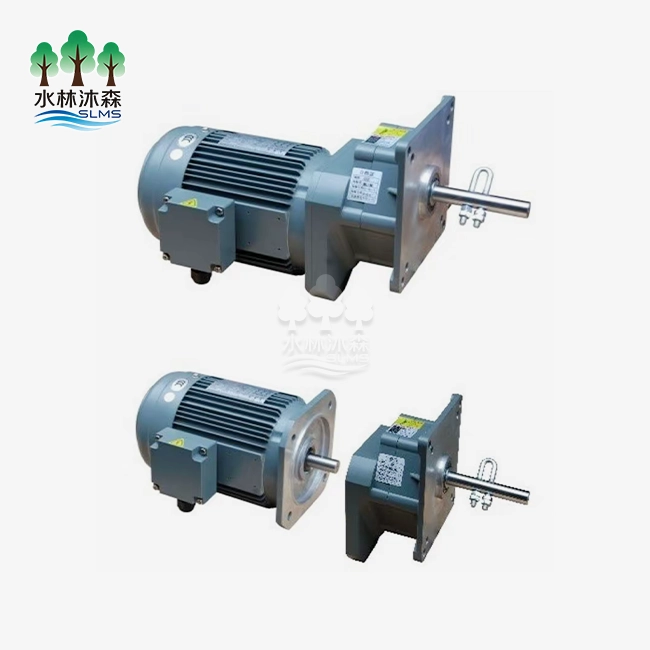
With four-tier systems, you can fully integrate automation without having to deal with the extra complexity that comes with higher setups. When compared to traditional farming methods, automated feeding trolleys, egg collection conveyors, and manure removal systems work efficiently within four-tier frames and cut labor costs by more than 40%.
How to Choose the Right Affordable Four-Tier Layer Cage for Your Business?
To choose the right cage systems, you need to carefully look at things like quality standards, working factors, and long-term business goals. By knowing the important selection factors, you can make sure that the equipment you buy fits your work goals and your budget.
Material Quality and Durability Assessment
The type of galvanized steel you choose has a big effect on the long-term prices of operations and the dependability of the tools. Hot-dip galvanizing forms strong metal bonds with zinc layers that are thicker than 275g/m². This gives the metal a service life of 15 to 20 years or more in humid chicken settings. When you cold galvanize, the protective layers are thinner and usually break after two to four years. This is why hot-dip treatment is so important for business survival.
In settings with a lot of ammonia, stainless steel parts, especially those made of 304-grade steel, are more resistant to rust. Even though it costs more at first than galvanized options, stainless steel doesn't need to be replaced as often and keeps its structural stability over long periods of time.
Design Features for Bird Welfare and Production
The best Four-tier Layer Cage designs feature specifications that support both animal health standards and production efficiency. With cell dimensions of 1950mm x 350mm (or 450mm x 380mm), each bird is allocated 450–500cm² of space. This aligns with international welfare standards for caged systems while maintaining high stocking density.
When thinking about ventilation, you should think about the mesh spacing and tier separation lengths that allow enough airflow without making drafts that stress out birds. The door mechanisms must keep things safe inside while still making it easy to do regular upkeep and checks.
Manufacturer Evaluation and Quality Assurance
Reputable makers show their dedication to quality by putting their products through strict testing procedures, such as salt spray testing that meets ASTM B117 standards, checking that the weld's tensile strength is higher than 300N at key stress points, and making sure that the dimensions stay within ±3mm guidelines. These quality standards make sure that the equipment works well with automatic systems and is reliable.
Professional makers offer a wide range of support options, such as how-to videos, technical manuals, and the ability to make changes to meet specific operating needs. On-site installation services and warranties that cover up to one year of standard parts give investors more peace of mind about their equipment purchases.
Procurement Process: Buying and Implementing Four-Tier Layer Cages
To successfully buy equipment, you need to plan ahead for things like choosing a seller, how to negotiate, and how to put the equipment into use. Knowing the best ways to buy things makes the process easier and makes sure that the most value is realized.
Vendor Selection and Due Diligence
For big purchases in equipment, the most trusted partners are well-known companies with a history of success. With eight years of experience in farming and cattle machinery, companies like Shuilin Musen Aquaculture Equipment Co., Ltd. show that they are stable and knowledgeable enough to form long-term relationships.
Research and development (R&D) skills should be part of the evaluation process, and skilled teams should release several new goods every year to stay on top of technology. Manufacturing quality control methods that include everything from choosing the raw materials to delivering the finished product make sure that all deliveries of equipment meet the same performance standards.
Negotiation Strategies and Financing Options
Negotiations for bulk purchases often lead to big savings on costs for large businesses. When there is a lot of demand, volume agreements can open up special price structures and help with allocating resources more quickly. When negotiating payment terms, it's possible to include staged payment schedules that are in line with shipping and installation goals.
To make sure that equipment comes in perfect shape and installation plans stay on track, international shipping logistics need to be carefully coordinated. Professional makers offer full shipping support, including help with paperwork, clearing customs, and coordinating arrival times.
Installation and Commissioning Support
Professional installation services ensure that a Four-tier Layer Cage system operates at peak efficiency from the very first start-up. Experienced installation teams know how to precisely align automatic feeding systems, egg collection mechanisms, and manure removal tools to maximize overall performance. Commissioning procedures include trying the system, training the staff, and checking the performance to make sure all the parts work right before full production starts. This methodical technique cuts down on starting problems and speeds up the process of reaching design production levels.
Maintaining Optimal Performance of Your Four-Tier Layer Cage
Systematic maintenance plans that include both everyday upkeep and preventive care are needed to keep tools working well. Comprehensive maintenance plans help tools last longer and reduce the cost of repairs and unwanted downtime.
Cleaning Protocols and Hygiene Management
The main goals of daily cleaning are to get rid of gathered trash and keep things clean so that diseases don't spread. Regular checks are needed on automated manure removal systems to make sure the belts are aligned correctly and that the waste is being emptied properly. Regular cleaning and checking of the flow rate are part of maintaining a water system to make sure that people can get enough water.
Deep cleaning routines that are done once a week focus on areas that collect organic matter and could support bacterial growth. As part of the cleaning process, approved chemicals are used to kill germs without harming the birds or the equipment. Keeping records of cleaning tasks helps disease prevention programs and meets regulatory standards.
Preventive Maintenance and Component Inspection
Structures are checked once a month to find possible wear spots before they damage the structure of the system. Wire mesh inspection finds early signs of rust or mechanical damage that could cause birds to get hurt or escape. Door parts need to be oiled and adjusted so that they stay closed securely and are easy to get to for everyday tasks.
Full reviews every three months include checking the electrical system for automatic parts, checking the load on the structure at support points, and making sure that feeding and watering systems are calibrated. Professional maintenance teams can teach building staff how to do basic maintenance chores and provide technical support for complicated system parts.
Troubleshooting Common Operational Issues
Problems with ventilation usually show up as differences in temperature between floors or higher amounts of ammonia in the lower parts. Some solutions are changing the wind pattern, keeping the fans in good shape, or making changes to the ventilation system so that all floors of the cage have the right conditions again.
Feeding system problems are usually caused by misaligned parts or worn-out working parts. Regular tuning makes sure that all parts of the cage get the same amount of food, which cuts down on waste and makes sure that everyone has equal access to nutrition. Problems with the water system need to be fixed right away to prevent dehydration stress, which can lower the number of eggs laid.
Conclusion
For modern indoor chicken businesses looking to increase production while keeping costs down, Four-tier Layer Cage systems are the best option. If you choose and take care of these systems correctly, they will last for a long time, work well with automation technologies, and make better use of room. These investments will pay off big time because they use high-tech materials, are well-thought-out, and come with a full range of support services. They also help to keep chicken farming environmentally friendly. Professional methods to purchasing that focus on quality, support, and maker knowledge lay the groundwork for long-term operations that run smoothly.
FAQ
Q1: What is the expected lifespan of indoor four-tier layer cages?
A: Quality Four-tier Layer Cage systems constructed with hot-dip galvanizing materials typically provide 15 to 20 years of reliable service in indoor environments. Cold-galvanized options may need to be replaced every three to five years because they rust, so choosing the right material is important for long-term cost-effectiveness.
Q2: Are customization options available for specific indoor layouts?
A: Professional makers can make a lot of changes to fit the size and configuration of your building and your specific operating needs. Changes can be made to the cage's measurements, the way the doors are set up, and the places where they can connect to current automation systems.
Q3: How do four-tier systems compare to traditional cages in energy efficiency?
A: Modern four-tier systems use less energy generally because they make better use of room and integrate technology. When compared to old ways of doing things, labor costs drop by more than 40%, and operational costs and environmental effect go down when feed conversion rates are optimized.
Ready to Transform Your Poultry Operation with Shuilin Musen Aquaculture Equipment Co., Ltd.
Shuilin Musen Aquaculture Equipment Co., Ltd. stands ready to revolutionize your indoor poultry operations with our premium Four-tier Layer Cage manufacturer solutions. Our eight years of specialized experience, combined with our professional R&D team of five engineers, ensures you receive cutting-edge equipment backed by comprehensive technical support. Contact our team at wangshuaislms@gmail.com to explore our customized cage systems featuring hot-dip galvanized construction, automated integration capabilities, and complete installation services.
References
1. Smith, J.R. "Modern Poultry Housing Systems: Design and Performance Analysis." Journal of Agricultural Engineering, 2023.
2. Thompson, M.K. "Economic Efficiency of Multi-Tier Layer Cage Systems in Commercial Egg Production." Poultry Science International, 2022.
3. Chen, L.W. "Corrosion Resistance and Durability Testing of Galvanized Poultry Equipment." Materials Science in Agriculture, 2023.
4. Rodriguez, A.P. "Automation Integration in Intensive Poultry Farming Operations." Agricultural Technology Review, 2022.
5. Johnson, D.M. "Animal Welfare Standards and Multi-Tier Housing System Design." Poultry Welfare Quarterly, 2023.
6. Williams, K.T. "Cost-Benefit Analysis of Four-Tier Layer Cage Implementations in Commercial Operations." Farm Management Economics, 2022.
Learn about our latest products and discounts through SMS or email