Best chicken house ventilation guide vane systems for small farms
When looking for the best chicken house ventilation guide vane systems for small farms, chicken farmers need reliable airflow management solutions that keep the birds healthy and make the farm run more smoothly. These special ventilation parts make sure that fresh air flows evenly throughout chicken coops, getting rid of cold spots and still areas that hurt production. Small-scale farmers can use modern guide vane systems instead of complicated ventilation systems because they are cheaper and still provide professional-grade climate control, which is important for keeping chicken businesses going


Understanding Chicken House Ventilation Guide Vanes
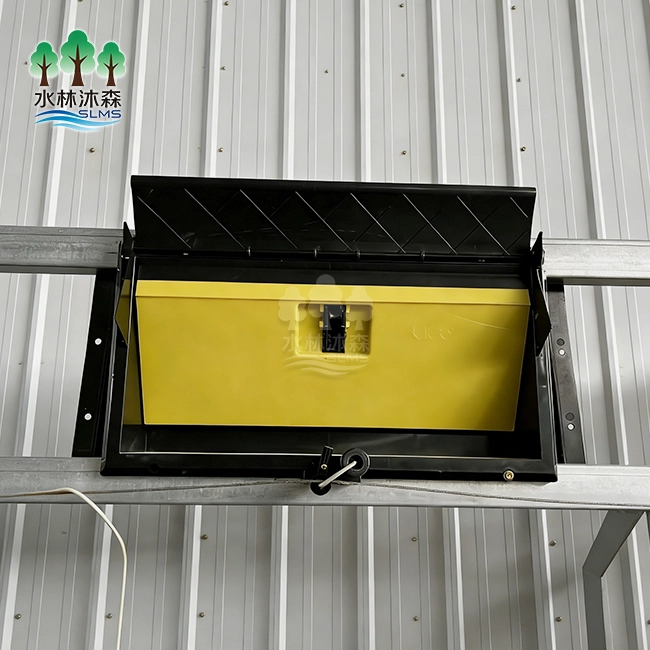
Guide vanes are an important step forward in poultry ventilation technology. They were made to solve problems with wind in modern chicken houses. These engineered parts work by sending incoming air along set tracks. This makes sure that the air is spread evenly throughout the building and stops drafts that are bad for birds.
How Guide Vanes Optimize Poultry Environment Control?
Guide vane function is based on the idea of strategically redirecting air flow. When fresh air comes into the chicken coop, guide vanes move it along the roof so it can mix with the warm air inside before falling to the birds. This process stops the quick drops in temperature that happen when cold air hits the group directly. This makes it easier for the birds to breathe and increases the rate at which they convert feed into energy.
Modern chicken house ventilation guide vane systems have parts that can be adjusted to work with different weather situations. During the winter, vanes direct air that doesn't need to be ventilated high into the building, which keeps the heat inside longer. During the summer, the vane holes are bigger so that more air can flow through and cool the machine.
Material Engineering and Durability Features
Professional-grade guide vanes are made of high-impact materials that are made to last in the harsh conditions of chicken farms. Good systems use UV-stabilized plastics or metals that don't rust, so they can keep their shape even when they're exposed to ammonia, humidity, and cleaning chemicals. The normal thickness of 5 cm gives the best aerodynamic performance and long-term resistance to bending and degradation.
More advanced models have insulating layers that stop condensation from forming when the temperature changes. This feature is especially helpful for small farms that work in places where the weather changes a lot from season to season. This is because controlling wetness has a direct effect on the quality of the trash and the health of the birds.
Key Considerations When Choosing Guide Vane Systems for Small Farms
When choosing the right guide vane systems, you need to carefully consider a number of factors that affect both the short-term performance and the long-term success of the operation. Small farms do best with systems that are both effective and easy to use. This way, they can avoid setups that are too complicated and hard to maintain.
Climate-Specific Performance Requirements
Regional weather trends have a big effect on the factors used to choose a Chicken House Ventilation Guide Vane. Farms located in colder areas need systems that are better at insulating and controlling minimum airflow. These places require guide vanes that can maintain slight air movement to reduce humidity while keeping warm air inside the building.
On the other hand, activities in warmer areas focus on getting the most wind during the hottest parts of summer. In these situations, the guide vanes need to allow for fast air flow while still keeping the direction control that keeps ventilation air from short-circuiting.
Building Layout and Integration Considerations
The best place to put the guide vanes and their size are determined by how the buildings are currently set up. Sidewall-mounted systems that work with vent fans to make controlled negative pressure conditions are often helpful for traditional curtain-sided buildings. Modern tunnel-ventilated buildings need guide vanes at the air intakes to control fast airflow during times when cooling is most needed.
Small farms that don't have a lot of electricity equipment like systems that don't need extra power to work. Simple winch systems or devices for manual adjustments give you enough control while keeping installation and running costs as low as possible.
Return on Investment Analysis
When chicken house ventilation guide vane systems are built correctly, they save money in more ways than one. Compared to traditional methods, better ventilation efficiency usually saves between 15 and 25 percent of energy, which means big cost savings over time. Better measurements of bird performance, like higher feed conversion rates and lower death rates, add extra value that usually pays for system investments within two production cycles. These changes are especially helpful for small farms, where narrow profit margins don't leave much room for waste.
Best Practices for Installing and Maintaining Guide Vane Ventilation Systems
Implementing guide vanes successfully depends on using the right installation methods and following regular repair schedules. Simple processes that can be handled with common tools and basic technical knowledge are needed for small farms.
Optimal Placement and Configuration Strategies
Strategic placement makes the Chicken House Ventilation Guide Vane work better while making installation easier. Systems installed at air inlets should align with the natural airflow patterns created by the exhaust fan locations. The recommended installation height positions the guide vanes about 8 to 10 feet above the floor, giving the air enough room to mix before reaching the bird zones.
Being able to change the angle is important for seasonal efficiency. In the winter, vanes are usually placed to direct wind upward, which helps mix the air at the roof level. In the summer, designs that open the vanes wider let more air flow through the building and make it cooler overall. Professional installation services make sure that the new system works well with the air system that is already in place. On-site technical support helps get the original settings just right and teaches people how to make changes all the time based on the weather and output needs.
Maintenance Protocols and Troubleshooting
Regular repair keeps systems running smoothly and increases their useful life. Once a month, the seals should be checked to make sure they are still in good shape and that the shaft is moving freely. Modern systems are designed to be light, which makes them easy to take apart and clean thoroughly when the facility is closed.
Some common problems that need to be fixed are devices that get stuck when dust builds up and seals that break down when chemicals are exposed. Replacement parts that are made to be installed in the field keep the system's functionality and reduce downtime. The flexible design lets you fix specific problems without having to update the whole system.
Schedules for seasonal repair work with production cycles to cause as little trouble as possible. Preparations for winter include checking the seals and lubricating the mechanisms. Preparations for summer include making sure the doors can open all the way and checking the airflow.
Leading Guide Vane Products and Suppliers for Small Farms
The market for chicken airflow has a number of guide vane options that are perfect for small farms. Good providers offer full support, including technical advice, help with installation, and advice on ongoing upkeep.
Certification Standards and Quality Assurance
Manufacturers with a good reputation follow the rules for safety, efficiency, and ingredients. As part of quality assurance programs, aerodynamic tests, durability checks, and chemical protection checks are done. These standards make sure that the performance is the same in all kinds of operating situations and give B2B buyers trust in their purchases.
Certification paperwork backs up guarantee claims and gives technical details needed for planning the integration. Professional sellers give specific information about performance, such as airflow coefficients, pressure drop features, and thermal qualities that are important for designing systems.
Customization Capabilities and Service Support
Modern chicken house ventilation guide vane suppliers know that small farms have a lot of different needs. Customization services take into account things like the size of the building, the climate, and the budget while still meeting performance standards. As part of technical help, you can get installation films, troubleshooting tips, and direct access to a consultant. These tools are especially helpful for small farms that don't have a lot of technical staff because they let them adopt and improve things without a lot of outside help.
With eight years of experience in farming ventilation solutions, Weifang Shuilin Musen Aquaculture Equipment Co., Ltd. is a great example of a seller with a wide range of skills. Every year, their engineering team comes up with custom goods that solve real problems that small farms face and offer full support from the initial meeting to the final installation and beyond.
Future Trends and Innovations in Chicken House Ventilation Guide Vane Systems
As technology keeps getting better, machinery keeps getting better, materials keep getting better, and control systems keep getting combined. These changes have made it possible for small farms to use technologies that were once too expensive for them while keeping operations simple.
Smart Control Integration
New control systems combine environmental monitors with guide vane operation. These systems change the positions of the vanes automatically based on readings of temperature, humidity, and air quality. These systems improve airflow while lowering the need for human action. This is especially helpful for small businesses with few employees.
Wireless connection lets workers watch and make changes from afar, so they can react quickly to changing conditions even when they're not at the plant. Mobile apps give managers real-time information on the situation and performance data that helps them make smart choices.
Sustainable Materials and Energy Efficiency
Advanced material development works on making parts that can be recycled and making manufacturing less harmful to the earth. New polymer formulations make things last longer and help with green goals that are becoming more and more important to modern farming. Aerodynamic changes that lower pressure drop across guide vane systems are one way to make energy economy better. These improvements make the fans use less energy while keeping or improving the wind performance, which directly lowers the costs of running a small farm.
Conclusion
Chicken house ventilation guide vane systems are must-haves for small farms that want to raise chickens more efficiently and with better care for the birds. Modern systems offer scalable options that strike a good balance between performance and ease of use. This means that even small businesses can get professional-level control over their environments without having to deal with a lot of complicated settings. Saving energy, getting better results from output, and making animals happier all add up to a strong return on investment that makes the method worth putting in place on a wide range of small farms. Choosing the right tools for the job, installing them correctly, and following regular operating procedures that keep the long-term performance benefits are all important for success.
FAQ
Q1: What factors determine guide vane sizing for small chicken houses?
A: Guide vane sizing depends on building dimensions, expected airflow volumes, and bird capacity. A typical calculation uses 4-6 cubic feet per minute per bird for minimum ventilation, requiring inlet area approximately one-quarter of exhaust fan capacity. Professional consultation ensures optimal sizing for specific applications.
Q2: How do aluminum alloy frames compare to stainless steel options?
A: The frames made of aluminum alloy don't rust and are lighter, which makes them easy to install and fix. Stainless steel is stronger and lasts longer in tough conditions, but it makes the system heavier and costs more. Both materials are good at resisting chemicals used in chicken houses when they are properly described.
Q3: What maintenance schedule works best for small farm operations?
A: Visual checks once a month and deep cleaning every three months are enough for most uses to keep them in good shape. Seasonal changes should happen before big changes in the weather to make sure the best performance during important times. Professional checks once a year help find problems before they affect production.
Partner with Shuilin Musen for Superior Ventilation Solutions
Shuilin Musen Aquaculture Equipment Co., Ltd. delivers proven chicken house ventilation guide vane solutions backed by eight years of agricultural equipment expertise. Our specialized engineering team creates customized ventilation systems specifically designed for small farm requirements, ensuring optimal performance while maintaining cost-effectiveness. With comprehensive technical support, on-site installation services, and one-year warranty coverage, we provide complete peace of mind for your ventilation investment. Contact our team at wangshuaislms@gmail.com to discuss your specific requirements and discover why leading poultry producers choose our chicken house ventilation guide vane manufacturer services.
References
1. American Society of Agricultural and Biological Engineers. "Ventilation Systems for Poultry Production Facilities: Design and Management Guidelines." ASABE Standards, 2019.
2. Donald, J.P. "Energy Efficiency in Poultry House Environmental Control Systems." Journal of Applied Poultry Research, vol. 28, no. 3, 2019, pp. 456-471.
3. National Poultry Technology Center. "Small Farm Ventilation Solutions: A Comprehensive Guide to Modern Airflow Management." Publication from the University Extension, 2020.
4. Roberts, K.M., and Thompson, L.R. "Economic Analysis of Ventilation System Upgrades in Commercial Poultry Operations." Agricultural Engineering International, vol. 21, no. 4, 2019, pp. 234–248.
5. Smith, R.A. "Airflow Distribution Patterns in Modern Poultry Housing: Impact of Guide Vane Technology." Poultry Science Journal, vol. 99, no. 8, 2020, pp. 3891–3902.
6. Wilson, C.T. "Material Performance in Agricultural Ventilation Applications: Durability and Maintenance Considerations." Agricultural Systems Engineering, vol. 45, no. 2, 2019, pp. 178–192.
Learn about our latest products and discounts through SMS or email