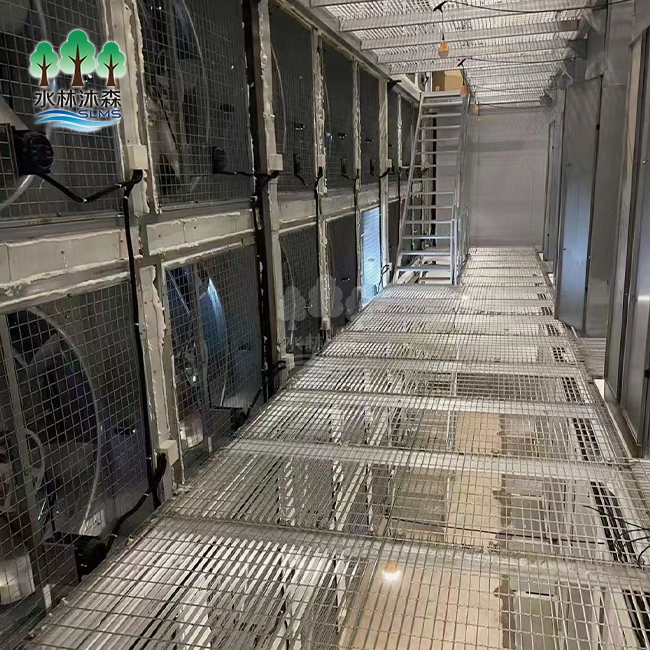
Benefits of using guide vanes for poultry house airflow
Controlling the flow of air in big poultry farms requires accuracy, regularity, and dependability. A Chicken House Ventilation Guide Vane is a specially made aerodynamic part that moves entering fresh air around the building so that cold air doesn't drop and there are no areas where air doesn't move. The Coanda effect is used by these gadgets to move cold air along ceilings, where it can mix with warmer air before falling to bird level. This managed movement keeps the humidity levels even throughout the house, stops thermal shock, and lowers the amount of ammonia in the air. When properly installed, guide vanes change unstable air currents into stable, measured conditions that directly improve the health of flocks and the efficiency of production.


Introducing the Importance of Guide Vanes in Poultry House Ventilation
How well you handle ventilation will decide whether your poultry farm does well or has problems with breathing, uneven growth, and high mortality. The quality of the air has a direct effect on how well feed is converted, how consistently eggs are laid, and how happy the group is generally. Even the most advanced vent fan systems can go wrong if they don't have exact airflow control. This can lead to drafts along the walls, differences in temperature between the floor and roof, and pockets of stale air that are home to dangerous pathogens.
Why Traditional Ventilation Falls Short?
Most traditional ventilation systems only use exhaust fans to move air through small holes in the walls. This method brings up a number of issues. When cold winter air comes in straight at bird level, it stresses and chills them, especially when chicks are nursing and need to stay warm. Inconsistent temperatures are made worse by the heat of summer, when air rushes through some areas but not others at all. These mismatches cause trash to stay wet, more ammonia to be produced, and worsened respiratory health.
How Guide Vanes Address Core Ventilation Challenges?
Through careful designing of wind, guide vanes solve these issues. When placed at sidewall inlets or tube openings, a Chicken House Ventilation Guide Vane tilts incoming air upward and horizontally. This stops systems from going down quickly, which happens when they aren't built well. The vanes make a controlled air jet that moves along the roof and slowly mixes with the hot air that is stuck at the top of the building. When this mixed air gets to bird level, temperature differences are much smaller, the air's ability to hold moisture has increased, and the whole house has the same conditions no matter how far away it is from the intake.
Key Benefits of Using Guide Vanes in Poultry Houses
Adding guide vanes to your ventilation plan will make a difference in a number of operating measures that can be measured. These benefits go beyond just moving air; they affect every part of how well crops are grown and how well birds are cared for.
Uniform Air Distribution Throughout the Facility
One of the hardest things about controlling the environment is making sure that the temperature stays the same in every part of a chicken house. Businesses that house 50,000 to 100,000 birds can't have cold spots or hot spots that make growth patterns uneven. Guide vanes get rid of these differences by making sure that every cubic meter of area gets the same amount of wind. Birds near the sides and birds in the middle aisles are exposed to the same environmental conditions. This means that all birds gain the same amount of weight, grow at the same rate, and can be harvested at the same time every time.
Significant Energy Efficiency and Cost Reduction
Running large vent fans uses a lot of electricity, especially when systems don't work well because the inlets aren't designed well. Guide vanes improve static pressure control by lowering resistance and turbulence. This lets fans move the needed amounts of air at lower power levels. Because of this efficiency, energy costs have gone down straight. Guide vane systems that are properly built help businesses save 15 to 25 percent on energy costs compared to unguided outlet configurations. Over the course of a production cycle, these saves add up, increasing profits while lowering damage to the environment.
Enhanced Bird Comfort and Health
Commercial chicken farming loses a lot of birds to respiratory diseases and heat stress. These risks are lessened by guide vanes, which keep birds from being hit by direct drafts while also making sure there is enough fresh air flow. When wind patterns keep gases from building up near the floor, ammonia levels go down. Less ammonia in the air lowers the risk of eye pain, lung inflammation, and secondary illnesses. When it's hot outside, air that is directed correctly improves evaporative cooling without causing uncomfortable wind speeds that wake up birds that are resting or spread out litter.
Durability and Minimal Maintenance Requirements
Modern guide vanes with bases made of aluminum alloy or stainless steel and blades made of UV-stabilized polymer can handle the rough conditions in a chicken coop. When makers use the right corrosion-resistant materials for a Chicken House Ventilation Guide Vane, exposure to ammonia, hydrogen sulfide, water, and cleaning agents does not weaken the structure. Our 5 cm thick guide vanes don't bend when they're in constant use, so they can keep their accurate angle adjustments for long periods of time. The design's light weight makes installation and rare adjustments easier, and the lack of moving mechanical parts makes upkeep easier. If you choose the right guide vane system, it should work successfully for 10 to 15 years with only regular checks and cleaning.
Types of Guide Vanes and Their Specific Applications
To choose the right guide vanes, you need to know the differences between the designs that are offered and match the specifications to your working situation.
Fixed Versus Adjustable Vane Systems
Fixed guide vanes keep their curves at the best possible levels for the flow of air. These systems work well in climate-controlled areas where the need for air flow stays mostly the same during production processes. Adjustable vanes give workers more options because they can change the entrance angles based on the weather, the age of the birds, or the number of birds in the cage. Electrically-actuated adjustment mechanisms let you fine-tune airflow from a distance, so you don't have to go inside and move each vanes by hand.
Material Selection for Longevity
The frame elements have a big effect on how well the house works and how much it costs to own in the long run. Frames made of aluminum metal are strong for their weight and don't rust naturally, so they can be used in most industrial settings. Stainless steel is more durable than other materials, especially in harsh settings where ammonia levels stay high or cleaning procedures use strong chemicals. The material of the blade is also important. High-quality plastics are better at resisting UV damage than cheaper ones, which break down and become weak after years of being in the sun.
Matching Vanes to Climate and Facility Scale
In cold climates, operations focus on vanes that send air high and far into the house, giving it the most time to mix before it reaches birds. For cooling reasons, buildings in hot climates should be made in a way that lets air move quickly across bird surfaces. The length, width, and height of the roof all affect the angle of the vane and the size of the hole. Tunnel-ventilated barns that are longer than 500 feet need different rules than cross-ventilated barns that are shorter. Customization is important when regular goods can't fit the size of your building or meet your specific ventilation needs.
Best Practices for Installation and Maintenance of Guide Vanes
If you place guide vanes correctly, they will either work as expected or become another piece of useless equipment that sits around collecting dust.
Site Assessment and Strategic Positioning
Before starting the work, you should carefully look at the current ventilation systems. Check the static pressure in different parts of the house at different times when the fan is running. Find places where wind isn't enough or where speed is too high. Instead of using general placement methods, position guide vanes should be used to fix these particular problems. To get the best performance, you have to carefully calculate the distance between the inlets, the height above the floor, and the placement of the vent fans.
Installation Procedures and Professional Support
When you mount guide vanes tightly, you stop shaking and misalignment that hurt performance over time. Using a Chicken House Ventilation Guide Vane ensures precise airflow direction from the start. Frame anchors need to go through strong structural parts instead of weaker materials on the outside. Fill in any holes around the frames to stop air from leaking around the vanes and defeating their purpose. We offer detailed installation movies that show the right way to place, adjust, and calibrate the device for the first time. With our on-site installation service, we make sure that your system works properly with any current airflow parts. This takes away the need to guess and saves you money on mistakes.
Routine Inspection and Maintenance Protocols
Inspections every three months find problems early, before they get so bad that the system stops working. Check the fan surfaces for dust that might be blocking airflow or changing the way the air moves. Make sure that the systems for adjusting work easily and don't get stuck or have too much play. Check the covering materials for damage like wear or tension that lets air in. Use non-abrasive cleaning products that don't damage surface finishes to clean the vanes during normal house washout routines.
Write down the results of the review and performance measures to get a starting point for finding trends of gradual degradation. Our one-year guarantee covers problems with the way the product was made and materials that don't work right. This gives you peace of mind during the first few months of use.
Comparing Guide Vanes to Alternative Poultry Ventilation Solutions
Knowing how guide vanes compare to other technologies can help you make smart business choices and set reasonable goals for performance.
Energy Consumption Analysis
For traditional fan-only systems to mix properly, they need more airflow, which means they use more electricity during each production cycle. Evaporative cooling pads make things more complicated, need more upkeep, and use more water. They may also make humidity problems worse. Guide vanes improve the way air moves naturally without using more energy. They do this by passively directing the flow of air, making the most of the work your exhaust fans already do. This method lowers operating costs without lowering the level of environmental control.
Noise Production and Mechanical Complexity
High-speed fans make noise that might bother neighbors who live in places where residential growth is happening near farming areas. Guide vanes guide air without motors, gears, or moving parts that need power. They do this quietly. Because it is simpler, there are fewer places where it could go wrong, which means less upkeep needs to be done. Equipment dealers like how easy it is to set up compared to more complex climate control systems that need ongoing service contracts and specialized technical knowledge.
Economic Considerations and Return on Investment
The initial cost of good guide vanes seems higher than the cost of just cutting holes in the sides, but a total cost study shows that the long-term value is very high. Stable weather conditions lead to better feed conversion efficiency, which pays off in every production cycle. When your lung health is better, your drug costs go down. Every month, lower energy prices add up. Through these saves, our clients usually get back the cost of the guide vane system within 18 to 24 months. When operations plan to expand or renovate a building, they should budget for proper outlet design from the start, rather than having to pay more to fix systems that don't work right later.
When we make our guide vanes, we can change their sizes to fit the exact needs of your building. The 5 cm width gives the structure rigidity while keeping the handling qualities of being light. Frames made of aluminum alloy or stainless steel will work with the building materials and upkeep methods you already use. Each system comes with detailed technical support instructions and help with installation to make sure it works well.
Conclusion
To raise chickens successfully, you need to make sure they have stable, healthy settings where they can grow without using too many resources. Chicken House Ventilation Guide Vane is a tried-and-true method for fixing basic airflow problems that businesses of all kinds face. By sending air exactly where it's needed, these devices get rid of hot spots, cold drafts, and still areas that hurt the health and productivity of flocks. Guide vanes are a smart investment for operators who want to improve their operations over the long term rather than just cut costs temporarily because they use less energy, last longer, and require little upkeep. If you choose the right air system, have it professionally installed, and keep it in good shape, it will work the same way through many production cycles.
FAQ
How do guide vanes enhance airflow efficiency compared to simple inlet openings?
Basic wall holes let air in without being managed, which causes drafts and changes in temperature. Using the Coanda effect, guide vanes tilt arriving air upward. This moves the air along ceilings, where it mixes with warm air before slowly falling to bird level. This managed method gets rid of cold air shock and makes sure that all the air in the building flows freely. Compared to unguided systems, this method greatly enhances the safety of the environment.
What materials work best for guide vanes in corrosive poultry environments?
For normal uses, aluminum metal frames are very resistant to corrosion and have good strength-to-weight ratios. Stainless steel lasts longer in places where the quantity of ammonia stays very high or where cleaning agents are very harsh. Blade materials should be made of UV-stabilized plastics that stay flexible and strong even when they are exposed to tough conditions and changes in temperature over and over again.
Can existing poultry houses be retrofitted with guide vane systems?
Retrofitting is completely possible and one of the most cost-effective ways to make older buildings better at controlling the environment. By looking at how airflow works now, we can figure out where the fan should go. Custom size lets you work with spaces that aren't standard or buildings that are set up in a certain way. Installation is usually done within a few days without stopping current activities, and once the system is turned on, speed gains are immediately noticeable.
Partner With Shuilin Musen Aquaculture Equipment Co., Ltd. for Superior Ventilation Solutions
Shuilin Musen Aquaculture Equipment Co., Ltd. has eight years of knowledge in farming and cattle ventilation engineering, which they use on all of their projects. Instead of looking for theoretical ideas, our five-person research and development team comes up with real-world answers to problems that come up in the workplace. When you choose us as your Chicken House Ventilation Guide Vane provider, you can get systems that are made just for your building and the way you make things.
We offer technical support, installation guides, on-site services, and a one-year guarantee that covers problems with the way the product was made. Our equipment lowers the cost of gardening and improves bird comfort by precisely controlling airflow. You can talk to us about how our ventilation solutions can improve the environmental control system for your chicken business by emailing wangshuaislms@gmail.com or visiting slms-equipment.com.
References
1. Donald, J. (2015). Poultry House Ventilation Systems: Design Principles and Operational Guidelines. Agricultural Engineering Press.
2. Mitchell, M.A. & Kettlewell, P.J. (2009). "Engineering and Design of Vehicular Livestock Transport Systems for Improved Animal Welfare," Annual Review of Biomedical Sciences, 11:89-112.
3. Lacy, M.P. & Czarick, M. (2018). Tunnel Ventilation of Broiler Houses: Engineering Recommendations for Optimal Performance. University of Georgia Cooperative Extension Publication.
4. Yahav, S., Straschnow, A., Luger, D., Shinder, D., Tanny, J., & Cohen, S. (2004). "Ventilation, Sensible Heat Loss, Water Intake, and Energy Requirements in Heat-Stressed Broiler Chickens," British Poultry Science, 45(3):369-373.
5. Xin, H., Berry, I.L., & Tabler, G.T. (2001). "Minimum Ventilation Requirement and Associated Energy Cost for Aerial Ammonia Control in Broiler Houses," Transactions of the ASAE, 44(6):1749-1757.
6. Chastain, J.P. (2000). Air Quality and Environmental Control for Confined Poultry Housing Systems. Clemson University Extension Service Technical Report.
Learn about our latest products and discounts through SMS or email