How to select the right guide vane for your chicken coop ventilation
Before you can choose the right Chicken House Ventilation Guide Vane, you need to know what your facility needs. These specialized airflow control parts control how air moves around in chicken coops. This keeps cold air from dropping and gets rid of areas where air doesn't move, which is bad for bird health. The right guide vane will fit your building's size, the number of birds that live there, and the weather, and it will also last a long time and be easy to maintain. Long-term performance and return on investment for medium to large-scale activities depend on the quality of the materials, how easily they can be adjusted, and how well they work with current ventilation systems


Introducing Chicken House Ventilation and Guide Vanes
Controlling the surroundings very carefully is needed for modern chicken farming. Chicken House Ventilation Guide Vane components are the most important link between the outside weather and the carefully controlled environment your birds need inside.
The Functional Role of Guide Vanes in Airflow Management
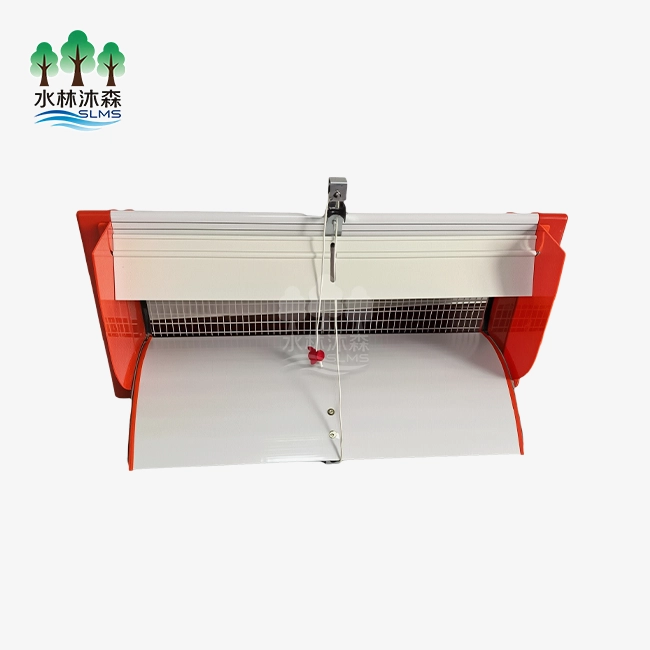
Guide vanes in your chicken house direct the fresh air that comes in along certain paths. Instead of letting cold air fall directly on your group, these parts use aerodynamics to make sure that the air is mixed properly. As cold air comes in, it moves along the roof and warms up as it mixes with hot air. It then slowly falls to bird level. This managed spread keeps the temperature level the same throughout the building and gets rid of the thermal stratification that leads to wet litter syndrome and breathing problems.
Engineers call the effect the "Coanda effect." It happens when air comes in and sticks to the roof, going the whole length of your house before settling down. This longer trip distance evens out the temperature and makes sure that every bird gets enough air while getting rid of harmful gases like carbon dioxide and ammonia. In the tunnel ventilation mode, properly designed systems keep the air moving at a steady speed of 400 to 600 feet per minute. This is very important for keeping people from getting heat stress in the summer.
Design Configurations and Installation Angles
Installation design has a direct effect on how well it works. Depending on the width of your home and the distance you want the air to go, guide vanes are usually mounted at an angle of 20 to 45 degrees from vertical. For wider sites, the curves need to be steeper so that the air can be pushed farther before it starts to bend downward.
Our systems have devices that can be adjusted to change the angle in real time. During cold weather, vanes open only two to three inches to let in small amounts of fresh air moving quickly, making sure that the ceiling is well-contact for heating. As the temperature outside rises and the need for ventilation grows, electric motors slowly open the vanes to 12 to 15 inches, allowing more air to flow while keeping the same distribution patterns.
The actual structure is just as important. The smooth insides of premium guide vanes keep the air moving smoothly and reduce the amount of friction that is lost. Rough or sharp edges make noise, which shortens the throw distance and raises the static pressure that your exhaust fans have to fight. This has a direct effect on your energy costs.
How to Select the Right Guide Vane for Your Chicken Coop Ventilation?
To pick the right Chicken House Ventilation Guide Vane, you have to look at a lot of technical and practical factors. Your choice will have an effect on how well the birds do, how much energy is used, and how long the equipment lasts over many production rounds.
Assessing Farm-Specific Parameters
Start by writing down what your building is like. Base standards are set by the size of the house. For example, vanes for a 40-foot-wide building need to be designed differently than vanes for a 60-foot-wide building. When figuring out airflow volume, the number of birds has an effect. For example, 30,000 broilers produce a lot more heat and wetness than 10,000 layers, so they need higher air exchange rates.
The weather trends in your area affect the materials you choose and how often you change them. Extreme temperature changes in the northern United States mean that protected vanes are needed to keep mist from forming when the vanes are closed. In humid, ammonia-filled southern settings, facilities focus on getting the most airflow and resistance to rusting.
Existing infrastructure connectivity keeps changes from being too expensive. Find the current holes for your inlets and make note of the walls thickness and mounting surfaces that are available. Our 5cm thick guide vane panels can be used with most standard chicken coop designs, but if you have a wall assembly that isn't standard, we may have to make them just for you. We offer frames made of aluminum alloy or stainless steel, which can be used in a variety of construction situations and are guaranteed to last for a long time.
Material Robustness and Corrosion Resistance
The conditions in poultry houses are always hard on tools and materials. The levels of ammonia regularly go above 25 ppm, hydrogen sulfide builds up near where the manure is stored, and the humidity changes every day from 40 to 80%. Your guide vanes must be able to stand up to these harsh conditions for years without breaking down.
When we make our panels, we use high-quality products that were designed to work in rural settings. The core building doesn't change shape when there is a constant difference in pressure—houses that are working at 0.08 to 0.12 inches of water column static pressure put a lot of force on closed vanes. When inferior goods bend or bow, they let light through, which can mess up the photoperiod control in breeder houses and let unwanted air in, which can damage negative pressure systems.
Chemical protection makes operations last a lot longer. Guide vanes are directly exposed to alkaline cleansers, quaternary ammonium compounds, and oxidizing agents when they are cleaned and sanitized between groups. Unlike foam-core options, which break down after just a few production rounds, our materials keep their structure even after being exposed to chemicals over and over again.
Technical Performance Metrics
Specifications that can be measured help people compare products in a useful way. If a fan system can meet your ventilation needs, you can tell by how much air it can move (in cubic feet per minute). When it's hot outside, a house that needs eight air swaps per hour needs an intake capacity that can handle that amount while still maintaining a safe static pressure level.
The power to control temperature has a direct effect on the distance of the air throw. Vanes that push entering air at least two-thirds of the width of your home before they bend downward stop cold spots from forming near the walls. We give precise throw distance specs for all of our goods at different opening points and static pressures, so you don't have to guess when making your choice.
Controlling humidity depends on mixing the air well. Birds breathe out about 0.5 pounds of moisture every day, which needs to be removed quickly to keep litter from sticking together and ammonia from escaping. Guide vanes that move air thoroughly through your facility's total cubic space keep things dryer and the air quality better than systems that let air sit in some areas.
Maintenance Accessibility and User-Friendly Features
As important as technical success is how well it works in real life. Your staff will change these vanes several times a day based on the flock's needs and changes in the weather. Systems that need complicated steps or special tools make it take longer to respond and cost more to run.
Our construction is very light—each panel weighs a lot less than similar solid metal designs—which makes it easier to handle when installing and taking them off every so often for deep cleaning. Quick-release mounting bolts make it easy for one person to remove panels quickly and without any special tools. This makes it possible to clean the panels thoroughly between groups.
The opening mechanism is powered by electricity and links to standard environmental controls. This lets temperature sensors all over your building make automatic adjustments. The manual override feature gives you backup control in case the power goes out or the remote stops working, so you can always keep control of the surroundings.
Comparison of Guide Vanes with Other Ventilation Solutions
Learning about how Chicken House Ventilation Guide Vane performance compares to other methods can help you make smart business choices. Each type of air has its own benefits that make it better for certain situations.
Guide Vanes Versus Exhaust Fans
The negative pressure that pulls in fresh air is created by exhaust fans, but they use a lot of electricity—a single 52-inch fan continuously draws 1.1 kilowatts. Guide vanes don't need any energy to work because they are simply designed to be efficient. Over time, this basic difference saves a lot of money.
When it's hot outside, a 40,000-bird broiler house usually runs 8–12 exhaust fans, which use 9–13 kilowatts of electricity every hour. During a 42-day growout cycle, the cost of electricity for running the fan alone can be more than $800 at standard business rates. Guide vanes make your current fan more efficient without costing you more money in energy costs.
When inlet systems and exit fans work together properly, they lower the total number of fans that are needed. When guide vanes move air around well, you can reach the desired temperature and humidity with fewer fans, which directly lowers your power bill. Operations say that adding quality guide vanes to inlet systems cut air energy costs by 15 to 25 percent.
Comparison with Ridge Vents and Curtain Sidewalls
Ridge vents are a type of passive exhaust that works well in mild temperatures and smaller buildings. But they don't have the exact control that current intensive output needs. No matter what the weather is like outside, air always leaves through the ridge. This makes it hard to control the temperature when the weather is bad.
Curtain sides were the most common way for chickens to breath for decades because they were cheap to install. They still work well for smaller businesses, but they make things very hard for big makers. Curtains don't guide airflow very well, so incoming air falls straight on birds near sidewalls, making temperature differences of 10 to 15 degrees between the sides and the center of the house. This variation hurts feed conversion rates and leads to uneven group growth.
Different things need different amounts of maintenance. UV light breaks down curtains, so they usually need to be replaced every three to five years. Mice and birds of prey damage screen material, making holes in it where air can get in. Our guide vane systems are made from strong aluminum alloy or stainless steel frames with rigid panels that don't break down easily. With regular upkeep, they will keep working well for 10 to 15 years.
Integration with Mechanical Systems
Guide vanes and current control systems work best together in ventilation methods that work. Environmental controls keep an eye on several temperature points and change the positions of the vanes and the speed of the fans to keep the whole building at the right temperature.
When it's cool outside, managers open only a few vanes and run small fans every so often, maybe once every hour, to bring in just the right amount of fresh air to replace oxygen and remove wetness. As the temperature rises, vanes slowly open wider and bigger fans turn on in a series of steps. This increases the rate of air flow without making rapid changes that can stress birds.
With this integrated method, you can make changes that you couldn't make with simpler tools. For example, day-old chicks need warmer temperatures and slower air flow than market-age broilers, so you set different ventilation rates for each stage of production. The processor changes the positions of the vanes automatically based on the age of the bird. This keeps the conditions ideal throughout the growout cycle without the need for constant human work.
Procurement Guide: Where and How to Buy Chicken House Ventilation Guide Vanes
Product quality, seller dependability, and the total cost of ownership must all be balanced for Chicken House Ventilation Guide Vane procurement to go well. Your ventilation system is an investment that will pay off over many years and affect the success of every group after it.
Evaluating Manufacturers and Suppliers
Before choosing a supplier, you should check their production skills and quality systems. Well-known companies have engineering teams that work on specific projects. For example, our five-person research and development team creates more than three new products every year, making sure that our goods use the newest air science. This ability to come up with new ideas is important when you need custom solutions for oddly shaped buildings.
Strict quality control procedures are needed to make sure that production is always the same. Before putting them together, we check each part's dimensions and test its materials. Tests that use salt spray to simulate years of ammonia exposure are used to check how resistant frames are to rusting. Panel materials are put through stress tests when the difference in pressure is higher than what is normally found in use. These steps of proof make sure that the equipment you receive works as promised for as long as it is supposed to.
Certification standards set concrete rules for quality. Look for companies that make farming tools that follow well-known standards and keep up with quality management systems. Our facility follows strict quality rules for everything from choosing materials to delivering produced goods. These rules are written down in specific process controls.
Standard Products Versus Custom Solutions
A lot of sites can fit standard guide vane configurations, which are fixed sizes and specs that work for building a normal chicken house. Since these items are made in large quantities, they can be delivered faster and cost less. Our standard panels come in common sizes that match the 16-inch and 24-inch stud spacing that is used in most chicken coops. This makes fitting easier.
Custom manufacturing is a way to solve specific problems. Customized solutions are often needed for older buildings with walls that aren't built the way they're supposed to be, houses that have been converted from other uses, and operations that happen in harsh climates. We offer special sizes for both panel sizes and frame materials, so no matter what your building needs, we can make sure that the panels and frames fit perfectly and work well. This adaptability is especially helpful for big makers who are in charge of many sites with different layouts.
The tailoring goes beyond the size and shape. We design vane angles and panel curves that fit the width of your home and the amount of air flow you need. This precise optimization increases the air throw distance and mixing effectiveness, making the surroundings more uniform than with general goods.
Negotiating Pricing and Service Agreements
The total cost analysis looks at more than just the buy price. The cost of shipping big air equipment has a big effect on the price of delivery, especially for exports to other countries. We keep up-to-date efficient packing methods that make the best use of containers and lower freight costs.
Volume deals are given to people who buy more. Operations that are remodeling several homes at the same time or equipment sellers who are buying large amounts of goods usually arrange price cuts of 10 to 20 percent off of the list price. Payment terms like "net 30" or "net 60" make it easier to handle cash flow, which is especially helpful when installing things in between production cycles.
Service agreements make it clear what kind of help is expected. Our one-year guarantee covers problems with the way the product was made and with the materials used. This gives you peace of mind during the first few important production cycles. Options for longer warranties protect investments that will last a long time. Technical help, like the installation films and direct expert consultations we offer, keeps mistakes from happening during setup and commissioning that cost a lot of money.
Support after the sale is often what defines long-term happiness. Our team helps you figure out what's wrong with breathing problems, suggests ways to make adjustments for changing seasons, and sends you new parts when you need them. This long-term relationship makes sure that your air system keeps working well year after year.
Installation and Maintenance Best Practices for Guide Vanes
Installing your Chicken House Ventilation Guide Vane correctly and keeping up with regular care will protect your investment and keep the surroundings under control. These steps take very little time but have big effects on results.
Installation Procedures for Optimal Performance
Make sure your home has the right static pressure before you place the guide vanes. When the fans are running, you should aim for a water level of 0.08 to 0.12 inches. Higher pressure wastes energy, and lower pressure means air leaks that make the system less effective. Before putting in new outlet equipment, make sure there are no gaps around doors, structural openings, or broken building parts.
Carefully place the pieces so that they fit the size of your home. In buildings that are 40 feet wide, place the vanes 18 to 24 inches from the ceiling to give them enough room to mix. Structures that are wider need relatively more space around them. We give you clear fitting instructions for a range of building widths, so you don't have to guess.
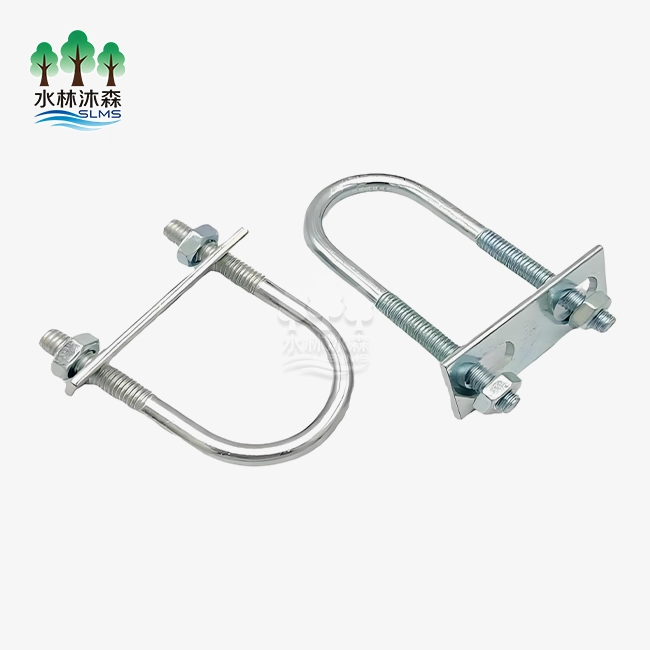
Our quick-mounting method lets you place it without any special tools. Use the right screws for your type of building to attach the aluminum alloy or stainless steel frame to the wall studs. Because of how the video channel is designed, adding a panel only takes seconds. Connect the actuator links according to the diagram, making sure that both sides have the same amount of cable strain for a smooth opening.
Once it is mounted, make sure it works across the whole range of adjustments. Vanes should be able to move smoothly from fully closed to fully open, with no locking or other strange resistance. When the lid is fully closed, check the seal. If there is little light leaking, the fit is good. If you need to, make any last changes to the lengths of the cables, and then connect them to your environmental controls.
Seasonal Adjustment Recommendations
Ventilation plans change based on the weather. During the winter, your main goals should be to keep the flow of fresh air to a minimum and keep the heat in. Set the controls so that the vanes stay almost closed and only open enough to let in 1-2 cubic feet of fresh air per bird per minute. This small hole makes the inlet speed 400 to 600 feet per minute, which makes sure that cold air rises to the roof and warms up before falling.
During the spring and fall vacation seasons, you need to be able to make changes quickly. The temperature outside changes 30 to 40 degrees during the day and night, so your system has to be able to shift quickly. Set up your controls so that it has more than one ventilation stage, each with a different set of fans and vane settings. This step-by-step method makes the changes smooth and keeps the temperatures fixed even when the outside factors change.
Maximum movement for cooling is the most important thing during the summer. As tunnel fans move large amounts of air through your facility, vanes open wide, and sometimes all the way, to keep things from getting squished. At bird level, air speeds should hit 500 to 650 feet per minute. This allows for evaporative cooling, which keeps birds from getting too hot. Use a small anemometer in several places around the house to make sure the air flow is right.
Routine Maintenance and Troubleshooting
Preventive repair greatly increases the life of tools. During the cleanout time between groups, take off the guide vane panels and give the whole thing a good power wash. Our lightweight design makes it easy to take down and put back up. In just three to four hours, two people can take down, clean, and replace all of your panels. This is very different from permanently installed systems that need to be cleaned in place and never get rid of all the ammonia and dust.
Every time you clean out, check the fastening tools. Make sure the frames don't rust and that the screws are still tight. Chemicals used in farming don't damage our materials, but very harsh cleaners can wear away protected layers over time. Fix any damage to the finish right away with the right touch-up treatments to keep the base material from being seen.
Actuator parts need to be oiled from time to time. Every three to four flocks, put dry graphite grease on the wire pulleys and connection pivot points. This easy upkeep keeps the rotor from binding, which makes the movement uneven. Check the tightness of the cables. Over time, stretching can cause slack that lets the vanes sag when they're only partly open.
An uneven opening, in which one end of a vane moves more than the other, is a common problem. This usually means that the wire tightness is off or that the linkage is binding. Change the lengths of the cables until both sides move the same way. If the vanes don't shut all the way when they're closed, look for debris in the frame lines or damage from impacts that has caused the vanes to warp. Our rigid construction doesn't bend easily, but changing any broken parts right away stops air from leaking.
Conclusion
To choose the right Chicken House Ventilation Guide Vane, you need to carefully look at the features of your building, your working goals, and your long-term performance standards. The right system strikes a mix between technical requirements and practical factors like how easy it is to set and how easy it is to do upkeep. The use of high-quality materials and smart engineering results in better airflow spread, which protects bird health and lowers energy costs over many production cycles. Working with skilled makers who offer full technical support is the best way to make sure that your chicken production business is set up and running smoothly.
FAQ
Q1: How do guide vanes improve air quality compared to basic inlet openings?
A: Incoming air is directed along set paths by guide vanes. This makes sure that the air is mixed properly with hot air before it reaches the birds. This controlled spread keeps oxygen levels steady throughout your building while getting rid of ammonia, carbon dioxide, and extra moisture. Simple holes let air fall straight down, making cold spots and still areas where dangerous gases can build up.
Q2: Can guide vanes integrate with my existing mechanical ventilation system?
A: Guide vanes work with almost all types of vent fans. They use electric actuators to connect to normal environmental controls, which lets them be adjusted while the fans are running. The systems work together to make the environment more even. When the inlets are properly built, the static pressure that fans have to fight is lowered. During buying, our technical team helps with plans for integration.
Q3: What factors influence guide vane pricing?
A: Choosing the right materials has a big effect on cost. Aluminum metal frames are very resistant to rust and don't cost too much, while stainless steel frames are very durable but cost a lot. The cost and difficulty of making something depend on how thick the panels are and how well they insulate. Customization level is important; options with standard sizes cost less than those that are made to order. Multi-house projects can get savings for buying in bulk. Adding services like help with installation and longer guarantees can change the total cost.
Partner with Shuilin Musen Aquaculture Equipment Co., Ltd. for Superior Ventilation Solutions
Optimizing your poultry house environment starts with equipment engineered for performance and built to last. Shuilin Musen Aquaculture Equipment Co., Ltd. delivers ventilation guide vane systems combining eight years of manufacturing expertise with ongoing innovation from our dedicated engineering team. Our customizable solutions—featuring 5cm thick panels with aluminum alloy or stainless steel frames—adapt precisely to your facility dimensions and operational requirements.
We support your success through comprehensive technical guidance, installation videos, on-site service options, and a one-year warranty protecting your investment. As a reliable maker of Chicken House Ventilation Guide Vane systems, we help businesses all over the US save money on energy costs and get better bird performance. Contact our team at wangshuaislms@gmail or visit slms-equipment.com to discuss your ventilation needs and receive a customized solution proposal.
References
1. Donald, J. (2018). Poultry House Ventilation Design and Management. Agricultural Engineering Press.
2. Midwest Plan Service. (2016). Structures and Environment Handbook: Poultry Housing and Equipment. Iowa State University Extension.
3. Czarick, M., & Lacy, M. (2019). "Inlet Management for Optimum Poultry House Ventilation." Journal of Applied Poultry Research, 28(3), 567-582.
4. American Society of Agricultural and Biological Engineers. (2020). Design of Ventilation Systems for Poultry and Livestock Housing. ASABE Standards.
5. Gates, R. S., & Overhults, D. G. (2017). "Static Pressure and Airflow Relationships in Tunnel Ventilated Broiler Houses." Transactions of the ASABE, 60(4), 1245-1256.
6. National Chicken Council. (2021). Environmental Management Guidelines for Commercial Poultry Production. NCC Animal Welfare Committee.
Learn about our latest products and discounts through SMS or email