How to Choose the Right Cooling Pad to Maximize Farm Profitability?
If you choose the right Poultry House Cooling Pad, it will save you money on energy costs, keep birds from dying, and make sure that your animals always do their best. Thermodynamics says that temperatures should stay in the thermoneutral zone. This way, heat stress doesn't happen in the summer, and feed conversion ratios are at their highest. All of these things directly cause businesses to make more money. With the right knowledge of what to look for, how to set it up, and how to keep it in good shape, you can buy tools that will last for many work cycles.
Understanding the Role of Cooling Pads in Poultry Farming
Modern chicken farms need Poultry House Cooling Pad more than anything else. This is especially true for places with tens of thousands to one hundred thousand birds. Hot air from outside is pulled through media that is full of water to make these devices work. This makes the water evaporate quickly, which greatly lowers the temperature of the air that comes in. In this case, heat is used to change water from a liquid to a mist, which is called adiabatic cooling. This makes a warm microclimate around your group and drops the temperature by 5 to 8°C when it's dry.
How Evaporative Cooling Enhances Bird Health?
Heat stress is one of the worst things that can happen to a chicken's health and production. They only breathe out extra heat because chickens, turkeys, and ducks don't have sweat glands. Birds' bodies are in trouble when temperatures rise above 26°C (78.8°F). They eat less, their defenses get weaker, and they die more often. By using Poultry House Cooling Pad that keep the temperature steady, these risks can be cut down. So, instead of keeping their body temperature fixed, birds can use their biological energy to do things like grow and lay eggs.
Operational Efficiency and Energy Savings
Mechanical air conditioners from the past need to be repaired often and use a lot of power. A small amount of power is all that Poultry House Cooling Pad need to work. Flow pumps for water and air fans that make negative pressure are used to do this. This design saves more than 40% of the cost of standard cooling ways. This makes it very appealing to medium- to large-sized farms that want to save money without giving up power over the environment.
Improving Air Quality Through Filtration
Wet Poultry House Cooling Pad media doesn't just keep the temperature stable; it also does a good job of removing particles. Dust, pollen, and germs in the air get stuck in the wet fibers when air moves through the wet pads. Aerosols that bother the chickens' lungs are cut down by this filter feature. This makes the birds healthier, the coop cheaper, and overall better.


Core Criteria to Consider When Choosing a Poultry Cooling Pad
When looking for the right Poultry House Cooling Pad, there are a lot of technical and cost issues to think about. These will directly affect how well the system works and how long it lasts.
Material Quality and Durability Standards
To make good Poultry House Cooling Pad, cellulose kraft paper that has been cross-linked with melamine or phenolic resins in space is used. When you wet them, these things are strong because they were made this way. They don't separate, grow mold, or get minerals from hard water sources. If you want to know how good the material is, look for 100–105gsm of fresh fiber content instead of recycled materials. This will keep the Poultry House Cooling Pad absorption rates the same and its structure sound over time. There are a lot of areas where the Model 7090 standard has worked really well. It has a 7mm wave height and a 90-degree wood direction.
Critical Performance Parameters
How well the Poultry House Cooling Pad cools and how much air resistance it has depend on how wide it is. Standard options come in two thicknesses: 15 cm and 20 cm. In very hot conditions, the 20 cm form cools down more effectively. With flute angles of 45°/45° or 45°/15°, the corrugated shape makes the most of the surface area that can touch air and water while keep the static pressure drop low. The exit fans don't have to work too hard because of this balance, and air flows evenly through the chicken house.
How well the Poultry House Cooling Pad stays wet during use depends on how porous it is and how well it can soak up water. It is normal for high-performance cooling media to soak up 60 to 70 mm of water in five minutes and 200 mm of water in one and a half hours. When you measure these things, you can see how well the Poultry House Cooling Pad can keep cooling without getting dry spots that hurt the system.
Frame Construction and Corrosion Resistance
The frame that holds up the Poultry House Cooling Pad media has to be able to handle being wet all the time and being cleaned regularly with acids from gardening. The frames are made of 304 stainless steel and an aluminum blend that doesn't rust, so the system will stay stable for years. Frame measurements that can be changed let you fit the installation to any wall shape, whether you're planning a new building or adding on to an old one.
Energy Efficiency and Return on Investment
To find the total cost of ownership, add up the price you paid for it, the cost of setting it up, the cost of running the business each year, and how long you think it will last. If you take care of the water quality and only use a small amount of power for the circulation fans, a good Poultry House Cooling Pad should last three to five years. Poultry House Cooling Pad give you a good return on investment (ROI) within the first two production cycles. This is better than mist systems that need new nozzles and high-pressure fans all the time or mechanical cooling units that use a lot of power.
Installation and Maintenance Best Practices for Optimal Performance
Whether your Poultry House Cooling Pad purchase works as well as it could or gives you trouble at work depends on how well you set it up and keep it in good shape.
Professional Installation Guidelines
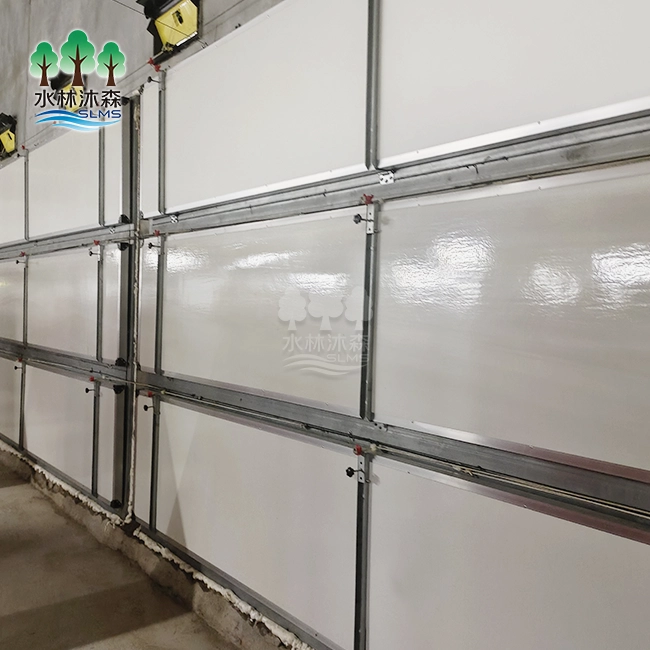
To make negative pressure, put Poultry House Cooling Pad at one end of the air openings in the chicken house and large vent fans on the other wall. For this tunnel ventilation system to work, hot air is pushed through the wet media at speeds of 1.5 to 2.5 meters per second. This cools the whole building. When you put down Poultry House Cooling Pad, you should think about how to spread the water so that the soil stays wet without soaking or draining too much.
We help you set up everything right from the start with step-by-step video guides and expert help right there on the spot. Our modular Poultry House Cooling Pad design lets you freely join and connect them, so you can cover any wall size and still keep the structure strong. When you properly seal around pad frames, air doesn't leak out, which lowers the efficiency of cooling and causes changes in the temperature inside the house.
Common Installation Pitfalls to Avoid
A lot of people don't understand how important good water is for Poultry House Cooling Pad to work. CaCO3 builds up in the pathways when you drink water that is hard and full of minerals. This makes it harder for the body to absorb. Put in water softeners or pre-filters to protect your home. In the same way, bad planning for sewage leads to water that stays still, smells bad, and helps plants grow. So that water moves easily, make sure that your system has the right slope and drainage ways.
Routine Maintenance Protocols
As part of your care plan, have your eyes checked once a week when it's cooler outside. Check for dry spots, plant growth, water that isn't spread out evenly, and mineral scales. Because of its shape, it's easy to take apart, so Poultry House Cooling Pad pieces can be quickly taken off for chemical or high-pressure cleaning. Biosecurity only lets you use cleaning products that kill germs without hurting the protective resin coats or the structure of the cellulose.
Check the water lines and pumps for clogs or signs of wear and tear. Change out old parts quickly to keep the system from breaking down when it's really hot. Note how well the cooling is working by seeing how much cooler the air after the Poultry House Cooling Pad is than the air outside. When there is a big difference, the Poultry House Cooling Pad need to be changed.
Recognizing Replacement Indicators
The cellulose fibers in even the best Poultry House Cooling Pad wear out over time because they are wet and dry many times. In time, they need to be changed. Watch out for structures that seem to be sinking, dry spots that won't go away even though water is moving well, poor temperature drop performance, and high static pressure readings that put stress on exhaust fans. We let you return items for free for a year if they are made wrong. Because of this, you can be sure that the product will work and know how long it should last.
Comparing Different Cooling Solutions: Why Choose Cooling Pads?
If you know how evaporative Poultry House Cooling Pad stack up against other technologies, you can better decide what to buy and know when this method will work best.
Fogging Systems: Rapid Cooling with Higher Complexity
Fogging machines that use high pressure break water into tiny drops that evaporate quickly and cool the air right away. When there are no walls around the chicken coop, these methods don't work as well. Too much dampness from not draining all the water can soak up trash, which helps bacteria grow and ammonia to be made. It is important to service fogging nozzles often so that they don't get stuck and spray in an uneven way. Most of the time, Poultry House Cooling Pad use 20–30% less water than they do, which makes it more expensive to run in places where water is scarce.
Fan-Only Cooling: Limited Effectiveness in High Temperatures
Fans that move air around cool things down by transferring heat indirectly, so they work well when it's hot outside. On the other hand, fan-only systems have trouble keeping the inside cool when it's over 32°C (90°F) outside. Some birds feel a little better when they are close to exhaust fans. Birds that are farther away are stressed out by the heat. Fans and Poultry House Cooling Pad work better together because the fans move air around the house and through the cooling surface.
Why Evaporative Pads Deliver Superior Value?
It is best to use Poultry House Cooling Pad because they cool well, use little energy, are easy to maintain, and were cheap to buy in the first place. The technology works great on both small family farms and large commercial farms with tens of thousands of birds. Evaporative cooling is also better for the earth because it doesn't use refrigerants, which give off greenhouse gases. Instead, it uses natural temperature principles.
Even when it's very hot outside, our Model 7090 Poultry House Cooling Pad system can always bring down the temperature. The curved shape gets the most out of the way water and moving air touch. The frames are made to last for years in tough farming conditions. Because dust gets stuck in the wet media, the birds can breathe better air. The chance of having lung troubles and the cost of medical care go down. All of these benefits work together to make farms more successful by increasing egg production, decreasing death rates, and raising feed conversion ratios.
Procurement Guide: How to Source the Best Cooling Pads for Your Farm?
This method makes sure that the suppliers you work with for Poultry House Cooling Pad give you good items, good customer service, and fair business terms that look out for your long-term interests.
Evaluating Supplier Credentials and Quality Standards
You should pick a company that has a past of making good Poultry House Cooling Pad, doing research and development, and keeping an eye on quality. There should be a lot of testing done on the products from the time the raw materials are chosen to the time they are sent. Shuilin Musen Aquaculture Equipment Co., Ltd. has been in business for eight years and has strict processes in place to make sure quality. There are five very skilled engineers on our professional research and development team. They are always thinking of new ways to meet the needs of modern chicken farms.
Understanding Pricing Structures and Commercial Terms
Ask for full rates that break down the costs of the frames, the Poultry House Cooling Pad media, the parts that distribute the water, and the fitting services. For big jobs, it's common to get discounts for ordering in bulk, so it's smart to spread out your purchases across several locations. Check the guarantee to make sure you know what it covers. We guarantee all of our Poultry House Cooling Pad systems for free for a year. This covers any problems with the way they were made and regular wear and tear. You might be able to get a longer promise for an extra fee.
Custom Fabrication and Value-Added Services
Most of the time, standard Poultry House Cooling Pad shapes work, but if your building is set up in a certain way, you might need to have one made especially for you. We give you full control over the length and width, so they can be made to fit your building perfectly. For projects that need to be cheap, you can choose an aluminum metal frame. For the best rust protection in coastal areas or places that use harsh cleaning chemicals, you can choose 304 stainless steel.
Technical help is more than just getting the things to the right place. We have videos that show you how to install Poultry House Cooling Pad things step by step. The videos also show you how to fix problems and keep your system in good shape. On-site installation service is offered for buyers who want turnkey solutions or jobs that are hard to do. Our expert team trains the people who work in your building by showing them how to do things the right way, do regular Poultry House Cooling Pad repair, and spot problems early.
Building Long-Term Partnership Success
Sellers you can trust are more like strategic partners than just business suppliers. Questions should be answered quickly, answers should be adaptable, and help after the sale should be given as much as possible. We keep the lines of communication open throughout the whole project, from the first meeting to the ongoing help with running the business. As part of our full range of services, we help people buy Poultry House Cooling Pad, give them expert advice, and fix any issues that arise while they're using the tools right away.
Conclusion
To choose the best Poultry House Cooling Pad system for a farm, you need to think about how well it works technically, how much it costs, and how skilled the seller is. You can then figure out a way to make the farm as profitable as possible over a number of output rounds. It has been shown that evaporative Poultry House Cooling Pad keep temps at the right level, make the air better, and cost less to run than other technologies. Focusing on long-lasting materials, proper fitting, and regular maintenance will help you protect your investment and make sure that the chickens can always do their best. A business can offer more value and be more successful in the long run by building strategic relationships with providers that offer full technical support, customizable options, and reliable service after the sale.
FAQ
Q1: What is the optimal replacement interval for cooling pads to maintain peak efficiency?
A: Good Poultry House Cooling Pad should last between three and five years if you take care of the water quality and keep them in good shape. To figure out when to change it, pay attention to how well the static pressure numbers drop and how the temperature drops. For example, places with hard water or a lot of dust may need to change their Poultry House Cooling Pad more often. But places that do a lot of preventative maintenance usually get more use out of their pads than others.
Q2: Can evaporative cooling pads function effectively across various climate zones?
A: For evaporative Poultry House Cooling Pad to work best, the area needs to be hot, dry, and have a humidity level below 60%. This is where the water can evaporate the fastest. Things that are wet cool down less well, but they can still do so by 3 to 5°C, which is still noticeable. When you combine Poultry House Cooling Pad with other ways to let air flow, you can get good results in humid places. Businesses in cold places stop using pads in the winter and find other ways to heat and cool their buildings.
Q3: What symptoms indicate cooling system underperformance requiring immediate attention?
A: There should be bigger differences in temperature between indoor and outdoor air, dry spots on Poultry House Cooling Pad surfaces even though there is enough water flow, strange smells that could mean algae or bacterial growth, higher static pressure readings, and birds that are panting or eating less because they are stressed out from the heat. If you pay attention to these warning signs right away, you can keep your production going and avoid having to pay a lot for quick Poultry House Cooling Pad fixes when it's really hot.
Partner with a Trusted Poultry House Cooling Pad Manufacturer for Superior Results
The water cooling systems made by Shuilin Musen Aquaculture Equipment Co., Ltd. are of high quality and are best used in large chicken farms. Our Model 7090 Poultry House Cooling Pad come in a range of sizes because they are made of high-molecular-weight cross-linked materials and have frame options that won't rust. If you want to get the best air conditioning for your building, we can help.
We've been making agricultural equipment for eight years, have a dedicated research and development team, and offer full support with installation videos, on-site service, and a one-year warranty. Our tech experts can be reached at wangshuaislms@gmail to set up a meeting, talk about custom setups, or get bulk prices for more than one site. Go to slms-equipment.com to find out more about our full range of Poultry House Cooling Pad seller services and how we can help you save money and get better flock performance.
References
1. Donald, J. (2010). Environmental Management in the Broiler House. Aviagen Technical Publications.
2. Lacy, M.P. & Czarick, M. (1992). Tunnel-Ventilated Broiler Houses: Broiler Performance and Operating Costs. Journal of Applied Poultry Research, 1(1), 104-109.
3. Yahav, S. (2009). Alleviating Heat Stress in Domestic Fowl: Different Strategies. World's Poultry Science Journal, 65(4), 719-732.
4. Xin, H., Berry, I.L., Tabler, G.T., & Barton, T.L. (1994). Temperature and Humidity Profiles of Broiler Houses with Experimental Evaporative Cooling Pads. Applied Engineering in Agriculture, 10(4), 535-542.
5. Bucklin, R.A., Jacob, J.P., & Mather, F.B. (2008). Fan and Pad Evaporative Cooling for Poultry Houses in Florida. Institute of Food and Agricultural Sciences, University of Florida Extension.
6. Worley, J.W., & Vorhies, M.W. (1985). Evaporative Cooling Pad Test Facility and Preliminary Results. Transactions of the ASAE, 28(2), 623-628.
Learn about our latest products and discounts through SMS or email