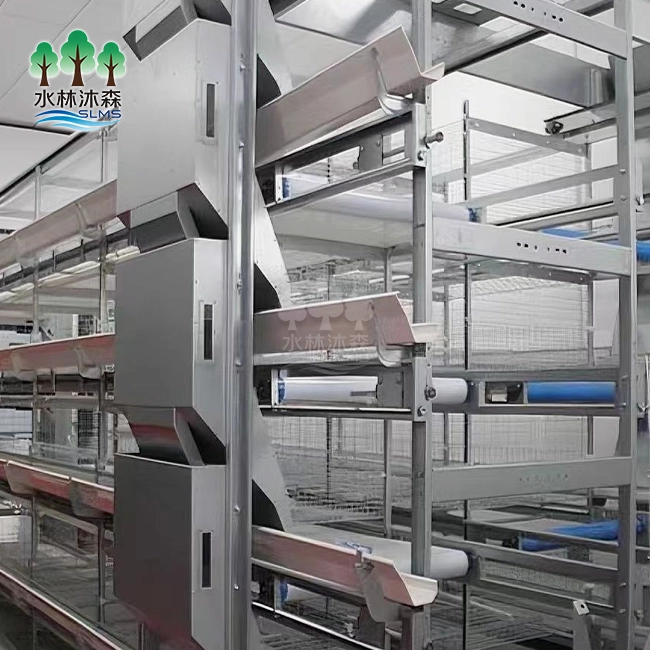
Best actuator motors for chicken farm breeding equipment
Choosing the right Chicken Farm Breeding Actuator Motor is important for handling big poultry operations in the United States. It determines whether your automation system works consistently or breaks down a lot. These special motors are used as precise controls in automated chicken homes. They take electrical signals and turn them into mechanical movements that control the chickens' surroundings, feeding systems, and ventilation. Unlike regular industrial motors, actuator systems made for chicken settings have to deal with high humidity, temperature changes, ammonia exposure, and regular washing, all of which quickly break down regular equipment.
Choosing the right Chicken Farm Breeding Actuator Motors has a big effect on how well they work, how much energy they use, how well the birds are cared for, and how much they cost to maintain over time. This complete guide helps purchasing managers, farm engineers, equipment distributors, and agricultural contractors compare Chicken Farm Breeding Actuator Motor specs, understand technological differences, and make smart buying choices that meet the needs of modern poultry production.
Understanding Chicken Farm Breeding Actuator Motors
What Makes Poultry Actuator Motors Different
Chicken Farm Breeding Actuator Motors designed for raising chickens are very different from general-purpose industrial motors. These special machines take electrical energy and turn it into controlled linear or circular motion. This lets you make exact changes to equipment for ventilation, curtain systems, feeding lines, and removing manure. Because of the corrosive ammonia gases, floating dust particles, high humidity, and chemical cleaners that are used in chicken houses, motors need to have sealed housings, materials that don't rust, and strong safety ratings. Standard motors that don't meet these requirements usually break down within months of being used in chicken coops, which costs a lot of money and hurts the health of the birds.
Core Operating Principles and Applications
These days, Chicken Farm Breeding Actuator Motors work with systems that include power units, control circuits, and safety features. The power range is usually between 0.75KW and 3KW, which is strong enough to handle big ventilation doors, winch systems, and automatic feeding equipment. Environmental controllers send signals to these motors that keep an eye on factors like temperature, humidity, and air quality. The motors then make exact movements to keep conditions at their best. In real life, Chicken Farm Breeding Actuator Motors control airflow through sidewalls to keep static pressure in check, move ventilation screens in tunnels during heat waves, raise and lower nipple drinker lines as birds grow, and run automatic feeding systems that give birds food at set times.
Essential Features for Poultry Environments
When looking at Chicken Farm Breeding Actuator Motors for use on chicken farms, there are a number of technical factors that affect how well they work and how long they last. Protection grades of IP65 or IP66 make sure that there is no dust leakage and that high-pressure water jets won't damage the seal during cleaning. Self-locking gearbox mechanisms stop back-driving and keep the input places when the power goes out, so heavy doors or feed lines don't fall off by accident.
Integrated feedback systems that use potentiometers or Hall sensors send real-time position information to computers. This lets multiple actuators work together and keeps mounting structures from being overloaded with mechanical stress. When equipment gets stuck because of ice or debris, thermal overload safety cuts power to the motor before it burns out, stopping any damage that might happen inside.


Top Types and Technologies of Actuator Motors for Poultry Breeding Equipment
Electric Versus Pneumatic Actuator Systems
These days, electric Chicken Farm Breeding Actuator Motors are used in most poultry setups because they are easier to set up, require less upkeep, and are more accurate when controlling. Electric systems don't need equipment for compressed air, so they require less starting capital and use less energy over time. These motors can move without steps, which lets you make small changes to the ventilation holes that make the best air flow patterns and keep birds from getting cold drafts.
Even though pneumatic valves can produce a lot of force, they need to have their air engines, moisture traps, and distribution lines maintained on a regular basis. This makes them too complicated to use on most farms. Electric motors also make diagnostics easier because they can track current and give feedback on position. This lets maintenance plans be more proactive, which lowers the chance of problems that come up out of the blue.
AC Versus DC Motor Technologies
Alternating current motors that work on standard farm electrical systems (110V/220V) give strong power that is good for heavy-duty tasks like curtain systems and manure scraper mechanisms. When properly stated, these motors work very well and don't cause any problems with the electrical system that's already in place. Direct current motors that run at lower levels (24V or 48V) make places that are wet safer and lower the risk of electrical hazards.
DC systems work best in situations where the speed needs to be changeable and the position needs to be changed often, like when managing air intakes precisely. New technologies have made brushless DC motor designs possible. These motors don't wear carbon brushes, so they don't need to be serviced as often and don't require as much upkeep work. They also stay very efficient even when the load changes.
Advanced Control Integration
Modern Chicken Farm Breeding Actuator Motors have clever linkage features that let them work together with software tools for farm management. The environmental controllers can send these motors either analog signals (0-10V, 4-20mA) or digital protocols (Modbus, CANbus). This lets the controllers use complex control schemes based on inputs from many sensors. Mechanical overtravel that could damage mounting hardware or related equipment is stopped by programmable travel limits. The emergency stop feature responds right away to danger conditions, keeping birds safe when the system fails. Some more modern models have microprocessors built in that run local control algorithms. This cuts down on the time needed to communicate with central computers and keeps important ventilation functions running when the network goes down.
How to Choose the Best Actuator Motor for Your Chicken Farm Breeding Equipment
Evaluating Load Capacity and Force Requirements
To correctly size a Chicken Farm Breeding Actuator Motor, you must first accurately measure the mechanical force that each motor needs to carry. Depending on the size and shape of the door and hinges, sidewall air inlets usually need 100N to 500N of push force. Tunnel ventilation screens that are 400 feet or more long need motors that can handle high wire strain, which is often more than 2000N. Feed line winch systems have to support the whole line weight plus friction loads.
This means that the mass of the equipment in suspension and the pulley efficiency losses have to be carefully calculated. Manufacturers provide thorough load charts that show the greatest force at different stroke points, taking into account the motor's internal mechanical efficiency and its thermal limits. By choosing motors with the right load rates, you can avoid premature wear and avoid expensive over-specification that raises the cost of the equipment without need.
Environmental Resilience and Material Selection
When used in chicken houses, Chicken Farm Breeding Actuator Motors have to work in situations that would normally break down regular equipment. Chemical protection against ammonia and disinfectants is provided by building houses out of powder-coated aluminum alloy or strengthened thermoplastic resins. Stainless steel push rod systems don't rust, which can cause blocking and inaccurate positioning.
Multiple lip seals and shaft fans are used in internal sealing systems to keep out wetness and dust that would damage electrical and mechanical parts. Temperature rates should take into account yearly extremes, with working temperatures ranging from -20°C to +70°C to make sure they work reliably in all of the United States' different climates. Commercial motors with these safety features are made for working with animals, while industrial-grade motors that don't have agricultural-specific engineering fail quickly in chicken houses.
Supplier Reliability and Technical Support
By building ties with reliable Chicken Farm Breeding Actuator Motor makers, you can get the technical help, replacement parts, and warranty support you need to keep your business running. Weifang Shuilin Musen Aquaculture Equipment Co., Ltd. is a good example of a complete seller because it has been working with farming and livestock tools for eight years. Their engineering team creates custom solutions to meet the specific needs of each farm.
These solutions range from standard product settings to fully customizable systems that combine many automation components. Quality assurance routines cover everything from choosing the materials to testing them before they are delivered. These make sure that the performance is always up to par with the high standards for chicken production. Technical support materials, such as installation videos and documents, make setting up tools easier. For more complicated system integration projects, on-site installation services offer hands-on help.
Installation, Maintenance, and Troubleshooting Best Practices
Proper Installation Procedures
For Chicken Farm Breeding Actuator Motor release to go well, the mounting must be lined up correctly, electrical connections must be made correctly, and the mechanical coupling geometry must be correct. Mounting brackets must be attached to building parts that are physically sound and can handle the full force of the motor without bowing. Misalignment between the centerlines of the actuator and the connection points for the equipment creates side-loading forces that speed up bearing wear and cause the failure of the system before it's supposed to.
Overcurrent safety should be built into electrical connections to make sure that motor circuits can safely separate when there is a fault. Installations of conduit must keep water from building up at connection boxes, and proper draining must keep the areas around termination blocks dry. To set the stroke adjustment, you have to make sure that the settings match the real travel distances of the tools and program upper and lower limits that keep mechanical interference to a minimum while still maximizing the effective opening ranges.
Routine Maintenance Strategies
Modern Chicken Farm Breeding Actuator Motors are sealed and don't need much upkeep, but following regular inspection procedures can make them last longer and avoid unplanned downtime. Every six months, the push rod should be checked to make sure it is clean. This will get rid of any dust or dirt that has built up and could damage the seal. Loose screws are found during a mounting hardware check before vibrations cause connections to break. Verifying an electrical link makes sure that the terminals are tight, which stops problems like resistive heating and irregular contact.
Operators should keep an eye on the noise that the motor makes and look into any strange sounds that could mean that the internal gears or bearings are wearing out. Position feedback precision testing makes sure that sensor tuning stays within the limits. This stops control system mistakes that lead to wrong ventilation settings. These simple upkeep tasks require very little work but greatly lower the risk of catastrophic failure during key production times.
Diagnostic Approaches for Common Issues
When Chicken Farm Breeding Actuator Motors don't work right, thorough troubleshooting finds the root reasons and tells you how to fix the problem. If a motor doesn't react to control signals, the electrical source needs to be checked to make sure there is enough power at the motor terminals. It's common for position input mistakes to be caused by potentiometer drift or wiring damage that needs to be fixed or the sensor needs to be replaced. If movement is slow and there are current jumps, it means that there is mechanical binding due to dirt buildup or structural misalignment that needs to be cleaned and fixed.
If something gets too hot during regular operation, it could mean that there is too much load on it. This should lead to a mechanical review of the connected equipment to check for more friction or binding. Often, intermittent operation is caused by electrical connections that are too loose or control switches in environmental control panels that aren't working right. Keeping detailed service records that list failure modes and steps taken to fix them helps find problems that keep happening and need to be fixed by upgrading equipment or redesigning the system.
Procurement Insights: Where and How to Buy Chicken Farm Breeding Actuator Motors
Supplier Selection Criteria
When purchasing managers are looking for Chicken Farm Breeding Actuator Motors for tools used for raising chickens, they need to rate suppliers on more than just the price of the motor itself. A manufacturing capability review looks at how much can be made, how quality is controlled, and how parts are sourced so that the final result is always the same. The technical support infrastructure, which includes engineering help, good documentation, and training tools, affects how well equipment is set up and how well it works in the long run.
Total cost of ownership is directly affected by warranty terms and how quickly after-sales service is provided, especially for sites in remote farming areas where parts need to be found quickly. Customization options let you make tools work better with certain farm layouts and practical needs, giving you performance gains that you can't get with normal catalog goods.
Negotiating Bulk Purchase Agreements
Structured procurement strategies that take advantage of buying quantities are very helpful for large poultry companies that install Chicken Farm Breeding Actuator Motor systems across multiple barns. Setting up relationships with chosen suppliers lets you negotiate prices that show your commitment to buying equipment on a regular basis and follow standard specs. By making a volume promise, you can often unlock tiered pricing structures that lower unit costs and make sure that products are always available at the right time for building schedules.
When you bundle Chicken Farm Breeding Actuator Motors with other related items like air fans, feeding systems, and environmental controls, you might get better package prices and find it easier to coordinate between different types of equipment. Negotiating payment terms can make it easier to handle cash flow for seasonal businesses or farms that are expanding in stages and need tools to be delivered at different times.
Quality Verification and Compliance
Checking that the tools provided meets quality standards and legal requirements is part of responsible procurement. Chicken Farm Breeding Actuator Motors used in the US should meet electrical safety standards for farm systems, such as having the right protection ratings for places that get wet. Material certificates that show corrosion-resistant coatings and different types of stainless steel parts back up promises of long-term durability in harsh environments. The manufacturer's specs are backed up by performance testing paperwork that verifies the load capacity, duty cycle ratings, and usefulness of the protection system. Reputable providers have strict testing methods that look at every part of the production process, from inspecting the raw materials to making sure the final delivery is correct. This makes sure that the products always work well in tough farm settings.
Conclusion
To find the best Chicken Farm Breeding Actuator Motors for chicken farm breeding tools, you have to weigh technical specs, how well they work in harsh environments, and the supplier's abilities. This way, you can get reliable automation that supports productive chicken operations. Electric Chicken Farm Breeding Actuator Motors with the right power ratings, building that doesn't rust, and smart control integration work better than manual systems or options that aren't properly defined.
Following the manufacturer's instructions for proper installation, systematic maintenance, and good troubleshooting techniques will extend the life of your equipment and keep your operations running smoothly. Building partnerships with seasoned providers who offer full technical support, customization options, and quality guarantee is the best way to make sure that your purchases will meet the changing needs of the US poultry industry's farm automation.
FAQ
How do I figure out what size Chicken Farm Breeding Actuator Motor I need for my ventilation system?
To correctly size Chicken Farm Breeding Actuator Motors, you need to measure the width, height, and weight of ventilation doors or curtains, and then figure out how much power is needed while taking into account wind loading and hinge friction. Sidewall inlets need between 300N and 600N, but this depends on the size and type of the door. Consulting equipment makers or experienced farm engineers makes sure that the right specifications are used so that motors that aren't powerful enough fail early or units that are too big and waste money on investments.
Can regular Chicken Farm Breeding Actuator Motors work reliably in places where there is a lot of ammonia for chickens?
Standard industrial motors that aren't made with farming needs in mind rust quickly when they come into contact with the high levels of ammonia that are common in chicken coops. These tough conditions can only be handled by motors that were specifically designed for use with animals. These motors have stainless steel parts, special sealing systems, and protective coatings. Choosing tools made for animals keeps the environment under control, which is important for bird health and saves money by preventing costly failures early on.
When the power goes out, what happens with automated ventilation systems?
Good Chicken Farm Breeding Actuator Motors have self-locking gearbox designs that keep the last settings even when the power goes out. This keeps heavy doors or feed lines from moving around without being managed. For important ventilation tasks, you might need battery backup systems or manual override methods that let you make emergency ventilation changes that protect birds' well-being during long power blackouts. Talking about backup plans with equipment providers makes sure that the right safety measures are in place for each farm's unique risk profile.
Partner with a Trusted Chicken Farm Breeding Actuator Motor Supplier
Our company, Weifang Shuilin Musen Aquaculture Equipment Co., Ltd., has been creating complete robotic solutions for chicken farms all over the United States for eight years. Our engineering team creates Chicken Farm Breeding Actuator Motors with power ranges from 0.75KW to 3KW. These motors are made of copper, have cast iron cases, and work with smart control systems that are already in place on farms. Each motor has overheat safety, trip limit controls, and an emergency stop feature that make sure it can work safely in harsh agricultural areas.
As part of our full professional support, we offer installation films, on-site commissioning services, a one-year warranty, and quick help after the sale. Please email our team at wangshuaislms@gmail.com to talk about custom actuator motor solutions that are made to fit the needs of your chicken business. You can look at detailed product specs at slms-equipment.com and learn how working with an experienced manufacturer can save you money in the long run by providing reliable equipment performance and full expert support.
References
1. Anderson, K. E., & Adams, A. W. (2021). Automation Technologies in Commercial Poultry Production Systems. Journal of Applied Poultry Research, 30(2), 100-115.
2. Gates, R. S., & Overhults, D. G. (2020). Environmental Control Systems for Modern Poultry Housing. American Society of Agricultural and Biological Engineers Technical Publication.
3. Mitchell, M. A., & Kettlewell, P. J. (2019). Precision Livestock Farming: Actuator Systems and Animal Welfare. Poultry Science Review, 45(3), 234-248.
4. Purswell, J. L., & Dozier, W. A. (2022). Ventilation Equipment Reliability in Commercial Broiler Production. Applied Engineering in Agriculture, 38(1), 67-79.
5. Seo, I. H., & Lee, I. B. (2020). Computational Fluid Dynamics Analysis of Poultry Ventilation Systems with Variable Inlet Control. Biosystems Engineering, 195, 142-158.
6. Van Wagenberg, A. V., & Bjerg, B. (2021). Automated Environmental Management Technologies for Livestock Housing. Agricultural Engineering International: CIGR Journal, 23(4), 78-94.
Learn about our latest products and discounts through SMS or email