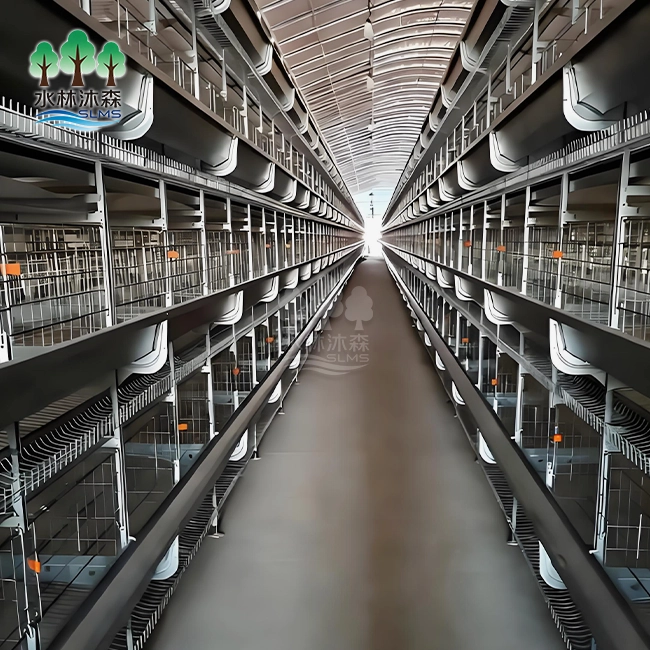
Affordable transport cage frames for breeding chickens with good ventilation
Finding equipment that is both cheap and good at what it does can be like looking for a needle in a haystack if you run a large chicken business. Transport Cage Frame for Breeding Chickens are a specific investment that has a direct effect on your bottom line, the well-being of the birds, and the efficiency of your business. These building systems are very important for moving live chickens from one facility to another safely and securely, while also making sure that the birds stay cool so they don't die from heat stress.
Unlike simple boxes, well-designed frames have multiple levels of stacking space, the ability to be used with a forklift, and airflow channels that keep valuable breeding stock safe while they're being moved. Knowing how these systems work helps procurement managers make choices that balance the prices of the original purchase with the need for long-term durability and animal care standards.
Understanding Transport Cage Frames for Breeding Chickens
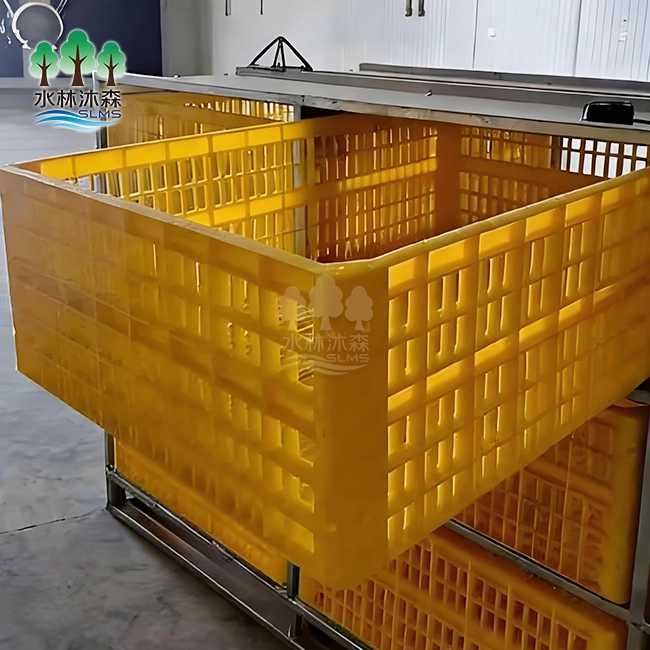
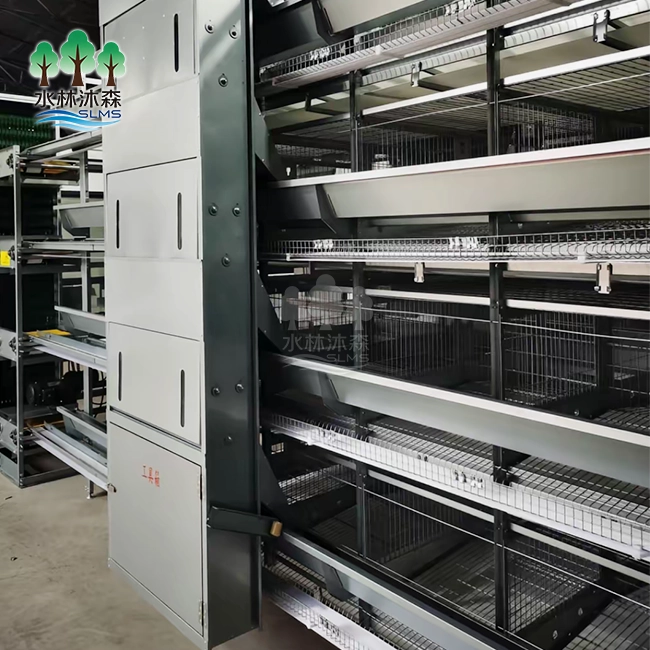
Because transporting breeding stock is so specialized, it needs tools that go beyond simple control. A Transport Cage Frame for Breeding Chickens is the frame that holds, stacks, and moves individual chicken boxes and keeps them safe. This framework meets strict standards for animal care and has the mechanical integrity needed for multi-tier setups.
What Defines Quality Transport Frames
Good transportation systems stand out because they are carefully designed to solve problems that farmers face in the real world. The main job of the frame is to keep valuable genetic stock from getting crushed during packing, transporting, and dumping. Each breeding chicken is worth a lot more than a professional broiler, so keeping them from getting hurt is important for the business.
The Critical Role of Ventilation Design
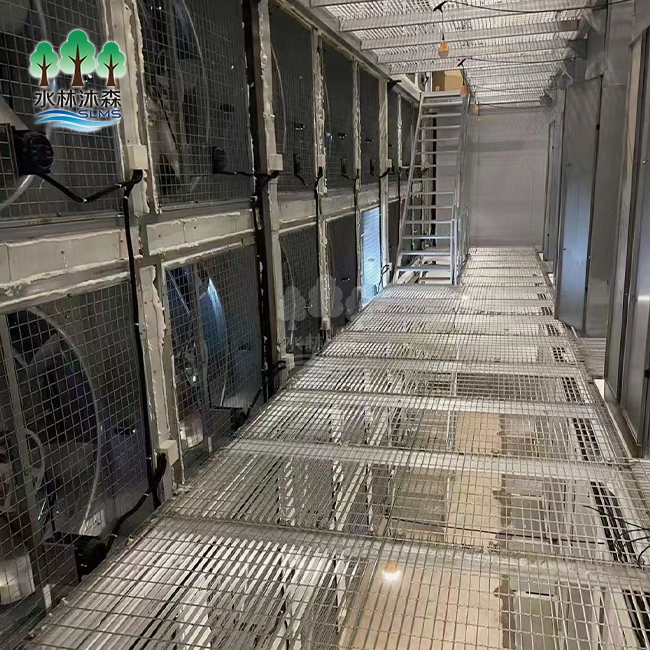
In transport frame engineering, ventilation is the most important part of the planning process. Heat stress during transport can be very bad for breeding stock, leading to higher death rates and worse reproductive success. Strategic air gaps are built into effective frames between stacked boxes so that air can flow across the whole loaded car. This design factor is especially important in the summer or when traveling for more than eight hours. Combining mesh panels and surfaces with holes in them makes ventilation ducts that combine the need for airflow with the need to protect the structure.
Application Scenarios in Modern Operations
These frames are used in three different types of operating settings. When move pullets from hatcheries to layer farms, frames make it possible to handle 16-week-old birds gently by stacking them in a way that forklifts can do, so no lifting is needed. In slaughterhouse handling, frames have to be able to handle chemical sterilization at high pressure and automatic dumper systems. For transporting breeding animals across foreign borders, special frame designs focus on long ventilation passageways to keep Dead-on-Arrival rates low during long trips that last several hours. Each use requires different design factors that affect the choice of frame.


Key Factors to Consider When Choosing Affordable Transport Cage Frames
To choose the right transportation tools, you need to carefully look at a lot of technical factors. Knowing how each standard affects daily operations and long-term return on investment is important for making smart choices.
Dimensional Specifications and Capacity Requirements
The frame's measures must match the size of the bird and the shape of the transport car. Professional-grade units usually have standard dimensions of about 2440cm × 1340cm × 116cm, which is big enough for raising stock and makes the best use of the truck bed. How many birds can be safely moved on each trip is directly related to the weight limit. Frames should be able to handle dynamic loads of more than 1.5 tons per module, which takes into account the stresses that come with moving along a highway. It is important to pay close attention to the dimensional tolerance of the rails that hold boxes. Deviations greater than 1mm can cause crates to get stuck during automatic loading or slide free during transport, which is dangerous.
Material Selection and Durability Considerations
The choice of material has a big impact on how long a frame lasts and how often it needs to be maintained. Square rods made of Q235 or Q345 carbon steel, with a tensile strength of 370 to 510 MPa, are used in high-quality devices. This base for the building holds the heavy loads that come with running a farm every day. Hot-dip galvanization creates zinc layers that are more than 80 microns thick, which is better at protecting against rust than electro-galvanization.
This temporary anodic protection can stand up to the toxic environment made by chicken waste, water, and acidic disinfectants. When frames are properly handled, they can last up to 10 to 15 years, which lowers the cost of repair over time. Stainless steel parts in high-contact places make things last longer, especially hinges and locking systems that get used a lot.
Ventilation Mechanisms and Airflow Engineering
The birds' well-being during travel depends on how the ventilation is set up. Systems that work well keep air gaps of at least 10 to 15 cm between vertically stacked boxes. This lets natural convection currents move the heat away. Transport Cage Frame for Breeding Chickens frame design should keep these important lungs from getting blocked even when the frame is fully loaded. Full-weld seam design keeps airflow paths in the structure and gets rid of cracks where germs could hide.
Features that allow water to drain away stop water from building up during pressure washing, which lowers internal corrosion and keeps hygiene standards high between transport rounds. All of these technology factors work together to make systems that are both affordable at first and last a long time. When buyers know how specs apply to real-world performance, they can find equipment that really meets their needs instead of just looking like a good deal on paper.
Comparison of Affordable Transport Cage Frames vs Traditional Chicken Crates
There are clear benefits to using modern transport frame systems instead of traditional crating methods. Knowing these differences makes it clear why forward-thinking businesses invest in designed transportation options.
Enhanced Ventilation and Modular Advantages
Traditional wooden or solid-sided boxes don't let air flow through, which makes thermal areas that stress birds out when they are being moved in warm weather. Modern frame systems make airflow a central part of their design by using open-mesh construction and smart spacing that lets air flow all the time. Configuration freedom is made possible by modular designs. Frames can be changed to fit different box sizes or stacking heights, depending on the needs of the transport. Pull-out cages make it easier to load and unload, which cuts down on handling time and bird stress. These changes to the way things are done directly lead to lower labor costs and better bird conditions when they arrive.
Cost Analysis and Return on Investment
The initial cost of quality shipping frames is higher than the initial cost of basic boxes, but the total cost of ownership is lower. With long-lasting galvanizing steel frames, you don't have to buy new wooden crates every year because they break down. When compared to human box systems, automated handling compatibility cuts the amount of work that needs to be done by over 40%, saving money right away. Lower death rates during transport protect important breeding stock, keeping it from being lost at rates that quickly outweigh the cost of the tools. With custom-built transportation methods, it's easier to follow the changing rules on animal care, which helps you avoid fines or limits on your ability to get to markets.
Market Feedback and Practical Performance
When business-to-business buyers switch to designed transport frames, they always say certain benefits. Operations that are in charge of flocks with more than 50,000 birds report huge changes in how quickly and efficiently they move and use their vehicles. Equipment sellers put a lot of emphasis on making sure their customers are happy by giving frames that can be customized to fit different building plans or transport distances. Agricultural planning companies include quality frames in the plans for new facilities because they know that transportation infrastructure impacts how well the whole operation runs. Professional buyers agree that you should think of quality as an investment that is worth making because it will pay off in the form of better business measures.
Best Practices in Using and Maintaining Transport Cage Frames
The right way to use and take care of tools will make it last longer and make sure that birds are safe. Using organized methods for handling and caring for your property keeps it safe and upholds operating standards.
Safe Loading and Transit Protocols
Transport Cage Frame for Breeding Chickens must also be considered in the loading process. How the birds are loaded has a direct effect on how stressed they are and how the journey goes. Handling the bird gently while putting it in its box keeps its wings from getting hurt and lowers its nervousness before the trip. When possible, birds should be moved during cooler times of the day to reduce temperature stress before they start traveling. Frame capacity limits must be carefully followed—overloading hurts both the birds and the structure. Securing frames according to the manufacturer's instructions stops them from moving during transport, which could hurt someone or damage equipment. How you drive is very important; smooth acceleration and stopping put less stress on both the birds and the mounting places for the equipment.
Routine Cleaning and Inspection Procedures
To keep biosecurity up, there needs to be regular cleaning between shipping rounds. It is possible to get rid of organic matter from frame surfaces by pressure washing them, but you should be careful not to let water stay in sealed steel tubes. When choosing cleaning products, make sure they are safe for galvanized steel surfaces. Harsh chemicals can damage protection coats. Weld quality, galvanization state, and caster operation should all be checked once a month. Finding wear trends early on lets preventive repair be done before they break.
Wheel bearings need extra care because dirt can build up and cause them to seize up or take longer than expected to work. Changing old polyurethane casters every 12 to 18 months keeps them from breaking down at crucial times during transport operations. These upkeep steps make sure that the frame works the same way for as long as it is used. Equipment that is well taken care of gives consistent service and protects the large investment that breeding stock groups represent.
Procurement Guide: Where and How to Buy Affordable Transport Cage Frames
For strategic sourcing to work, you need to carefully evaluate your suppliers and know what your buying goals are. Making smart decisions about what to buy saves your business from getting bad equipment and makes the best use of your cash.
Identifying Reliable Manufacturers and Suppliers
Reputable manufacturers show their dedication by having quality systems that can be checked and expert help that can be provided. Find providers with well-established research and development (R&D) teams that are always coming up with new ways to meet the changing needs of the business. Companies that offer customization services can change standard designs to fit specific business needs, which makes their goods more useful than general ones.
The length of the warranty shows how confident the maker is in the product's durability; covering that lasts for at least 12 months shows a serious commitment to quality. Professional sellers are different from commodity vendors because they offer technical support, such as fitting help and teaching on how to use the product. Our team of five skilled engineers at Weifang Shuilin Musen Aquaculture Equipment Co., Ltd. creates more than three new products every year. This makes sure that our solutions use the newest developments in chicken transport technology.
Bulk Purchasing and Customization Options
When you buy in bulk, you can get better prices and make sure that all of your operations use the same tools. Suppliers who are ready to work with specific requirements show flexibility, which helps businesses meet their special needs. Our normal frame sizes of 2440cm × 1340cm × 116cm work well for most breeding operations, but we can also make changes to meet specific needs without lowering the quality. Multi-layered pull-out configurations make the best use of room whether you need to put it permanently or move it from one place to another.
The three-part system design with extra support elements keeps the system stable even when operating in harsh circumstances. Transport Cage Frame for Breeding Chickens integrates seamlessly with these configurations, ensuring consistent structural integrity during transport. High-quality plastic cage parts keep birds from getting stressed out when they are being handled, which lowers the number of injuries that hurt flock production.
Cost Comparison and Quality Trade-offs
Prices for transport frames usually show the quality of the materials used and the standards of building. Cheaper choices that use electro-galvanization might be cheaper at first, but they will need to be replaced in 6 to 12 months because they will rust. Quality hot-dip galvanizing frames cost more up front, but they last 10-15 years, which makes them cheaper in the long run. When comparing manufacturers, you need to look at their metallurgical specs. Frames made of Q235 or Q345 steel with 80+ micron zinc coats are more expensive, but they last longer, so the extra cost is worth it.
The quality of the corrosion-resistant finish has a big impact on the total cost of ownership, which is why surface treatment specs are very important when buying something. Our production process includes strict testing of all materials, from the raw materials to the finished product. We use high-quality materials, like 304 stainless steel, in high-stress areas. Because we care about quality, our customers always say that after installing our equipment systems, their wage costs dropped by more than 40%. When procurement is done right, it combines short-term budget limits with long-term running costs and performance needs. Putting money into good transportation infrastructure pays off by lowering the number of times it needs to be replaced and improving bird care.
Conclusion
To choose cheap transport cage frames with enough air flow, you have to weigh a lot of technical factors against practical concerns. Quality frames keep valuable breeding animals safe with well-thought-out air systems, long-lasting construction, and thoughtful design that makes them easy to handle. Transport Cage Frame for Breeding Chickens exemplifies this balance, offering cost-effective solutions without compromising airflow or structural integrity. Material choice, size requirements, and surface treatments all have a direct affect on how much something costs in the long run, even if the prices are different at first. When procurement professionals understand these connections, they can make choices that help their businesses in ways that go beyond the purchase deal. Investing in the right tools cuts down on the need for workers, improves the well-being of birds, and boosts total operating efficiency in breeding, transporting, and processing.
FAQ
What Frame Dimensions Work Best for Breeding Chicken Transport?
A bird's frame size relies on its age, breed, and the size of the car it will be transported in. Standard professional setups that are 2440cm x 1340cm x 116cm can fit most breeding businesses and make the best use of truck space. Customized sizes that make the best use of room without sacrificing bird comfort or ventilation needs may be helpful for smaller businesses or breeds that are very specific.
How Often Should Transport Frames Undergo Thorough Cleaning?
Biosecurity rules say how often to clean between each shipping run. Pressure washing gets rid of organic matter well, and a deep cleaning once a month with the right disinfectants keeps pathogens under control. During cleaning, inspection finds wear patterns that need to be fixed before they happen during important transport activities.
Can Transport Frames Be Customized for Specific Breeding Operations?
Good makers offer customization to meet the specific wants of each business. Changes can be made to the stacking height, the way the crate rails are set up, or the building can be strengthened for heavy-duty uses. By customizing products, you can make sure that they work with your unique process instead of having to make adjustments when using generic products.
What Quality Indicators Should Buyers Examine During Frame Evaluation?
Important signs of quality include a galvanization layer of more than 80 microns, weld consistency on all load-bearing joints, dimensional tolerance within 1 mm, and proof of load tests at 2.5 times the stated capacity. The fact that the salt spray test results showed resistance for 48 hours or more without rust formation suggests that the protection against corrosion is better and can be used in chicken settings.
Partner With Shuilin Musen for Your Transport Equipment Needs
We know what works on real farms because we've been helping farms and animal companies for eight years. Instead of just selling tools, Shuilin Musen Aquaculture Equipment Co., Ltd. offers full solutions backed by real professional know-how. With hot-dip galvanized steel construction, multi-layered pull-out designs, and ventilation engineering, our Transport Cage Frame for Breeding Chickens systems safeguard your valuable stock on every trip.
Each installation comes with clear video instructions and quick technical help, as well as a one-year warranty that covers both the materials and the work. Our engineering team can come up with specifications that are exactly what you need, whether you want standard configurations or solutions that are made to fit your special business needs. Get in touch with us at wangshuaislms@gmail.com to talk about how our services as a Transport Cage Frame for Breeding Chickens provider can help your business reach its growth and efficiency goals.
References
1. National Chicken Council. (2021). Animal Welfare Guidelines and Audit Checklist for Broiler Chickens. Washington, DC: National Chicken Council Publishing.
2. Grandin, T., & Johnson, C. (2019). Livestock Handling and Transport, Fifth Edition. Wallingford, UK: CABI Publishing.
3. American Society of Agricultural and Biological Engineers. (2020). Design of Ventilation Systems for Poultry and Livestock Shelters. ASAE Standards EP270.6. St. Joseph, MI: ASABE.
4. Mitchell, M.A., & Kettlewell, P.J. (2018). Road Transportation of Poultry: Effects on Physiological Responses and Meat Quality. World's Poultry Science Journal, 74(2), 297-314.
5. European Food Safety Authority. (2019). Scientific Opinion on the Welfare of Poultry During Transport. EFSA Journal, 17(3), 5545-5612.
6. Livestock Conservation Institute. (2017). Steel and Aluminum in Agricultural Equipment: Material Selection for Corrosive Environments. Fort Worth, TX: LCI Technical Publications.
Learn about our latest products and discounts through SMS or email