Where to buy a four-tier layer cage online with fast shipping?
It doesn't have to be hard to find the right vertical building tools for your commercial laying business. Reputable makers and recognized providers offer complete solutions through their online platforms for those looking for high-quality Four-tier Layer Cage systems with prompt delivery. These companies that sell specialized tools give everything from standard models to fully customized setups to B2B markets around the world. Accessing reputable online sellers with fast shipping choices is key to making sure your project stays on track and meets all of your needs, whether you're adding on to an existing building or starting from scratch.


Understanding the Four-Tier Layer Cage: Features and Benefits
The vertical stacking arrangement is a big change in how modern chicken farms get the most out of their production space. By using height instead of horizontal expansion, this method solves problems with limited space while still meeting standards for bird care. Allow me to explain the main features of this house option that make it especially good for large-scale egg production.
Structural Composition and Material Quality
Because our systems are made from corrosion-resistant coated steel and 304 stainless steel parts, they will stay strong even in chicken houses with a lot of humidity. The wire mesh design lets air flow properly through all levels, stopping the buildup of ammonia that is bad for the health of the flock. Each level can hold 40 kg of stock, and it was built to last through many production rounds of constant operation. This heavy-duty design directly leads to longer machine life, which lowers your total cost of ownership by a large amount compared to lighter-duty options.
The frame design includes stress-relieving points at key stress points, which stops the product from drooping or bending like cheaper ones do. The thickness of the galvanized layer meets international standards, so it really protects against rust instead of just covering it up for a few months and then falling apart.
Integrated Automation Capabilities
To stay competitive, modern industrial farming needs to be automated. Under each level of our systems, automated feeding chains, nipple watering lines, and manure removal belts work together without any problems. Compared to traditional floor-raising methods, this fully automated system cuts the amount of work that needs to be done by more than 40%. Automated egg collection systems can be added to make daily tasks even easier and reduce the amount of handling by humans that damages the shells.
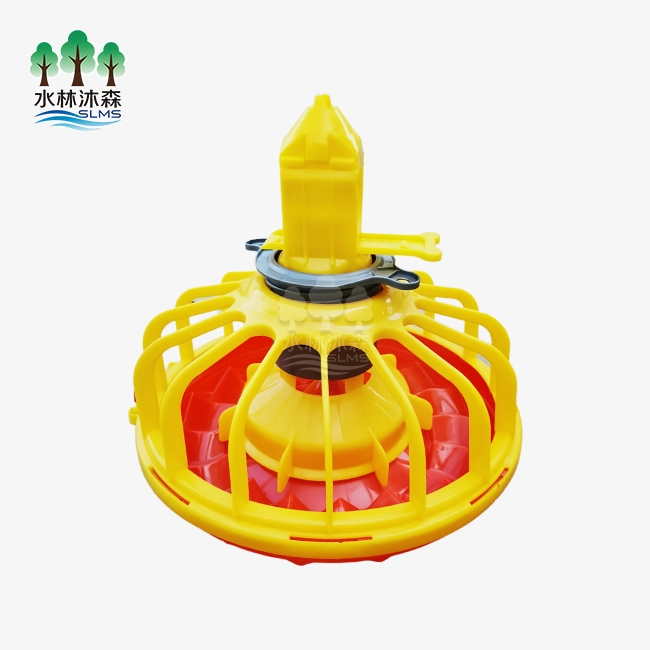
The feeding system makes sure that everyone gets the same amount of food. This stops the power struggles that happen when bigger birds have all the food in floor systems. Watering systems have pressure-controlled nipples that make sure there is always water available, which is very important for keeping egg production up during times of high heat.
Space Optimization Through Vertical Design
When compared to single-tier arrangements, this vertical layout gives you about 300% more work space per square meter of building area. This use of room efficiently is especially useful when land costs make up a big part of your capital investment. The plan lets you house a lot more birds in the space you already have, which saves you money on expensive building growth projects and lets you make more money.
Vertical systems do more than just add capacity; they also make weather control more consistent. It gets easier to predict how air will move, which lets ventilation systems keep the temperature and humidity levels more stable throughout the house.
Welfare-Conscious Engineering
Even though vertical systems are very intensive, bird comfort issues are taken into account in the design. Each cage has enough room for the birds to stand, turn, and stretch their wings naturally. Sloped floors make it easier to roll eggs to collection areas, which keeps the shells clean and lowers the number of eggs that break. Birds on lower levels need to be able to get enough light to keep their circadian rhythms stable so they can have regular laying cycles.
Automated systems that separate birds from their trash greatly lower the number of ways that diseases can spread. When birds don't come into touch with stored manure, coccidiosis, intestinal worms, and bacterial infections that are spread through feces-to-mouth drop by a large amount.
Comparing Four-Tier Layer Cages: Finding the Best Option for Your Business
Not every vertical building method works as well as the others. Knowing the differences between the choices you have helps you match the capabilities of the tools to your unique working needs. Let me break down the most important things that affect long-term success.
Configuration Options: H-Type Versus A-Type Frames
Parallel vertical tiers in H-type designs make for a smaller footprint that is perfect for fully enclosed, climate-controlled buildings. This set-up works really well with devices that automatically collect eggs and move garbage. The parallel design makes it easier to maintain the equipment because all the entry points are lined up in the same way.
A-type frames have a stepped design, with the top tiers slightly offset from the lower ones. This layout works well for semi-open living that benefits from natural air flow. The offset design lets waste fall without infecting lower levels, even without belt systems. This makes it good for businesses that want to save money on the initial cost of automation while still keeping upgrade paths open.
Which setup works best for you depends on the type of building, the weather, and the amount of automation you want. Four-tier Layer Cage is one of the options we can integrate, and we offer in-depth technical consultations to make sure that the system design fits the needs of your building.
Material Grade Considerations
On the surface, all cage systems may look the same, but over time, changes in material quality lead to big differences in how well they work. In a normal chicken coop, standard galvanized wire has a thinner zinc covering that shows rust spots in 18 to 24 months. The rust protection of the premium galvanized materials we only use lasts for 8 to 10 years in the same conditions.
All-galvanized systems have weak spots that can break. Stainless steel parts in high-stress areas like cage doors and feeder posts get rid of those. The extra cost of materials is less than 8% of the total cost of the system, but it stops equipment from breaking down in the middle of a cycle, which would stop production and require expensive emergency repairs.
Automation Integration Levels
Entry-level systems include simple waste management, automatic watering, and feeding that is done by hand. In mid-tier setups, chain feeding systems are added that send feed out at set times. Premium installations have fully integrated controls that can be used from a central computer or a smartphone app to manage food plans, lighting programs, manure removal cycles, and tracking of the environment.
You will make the right investment if you match the level of technology to the number of workers you have and the way you run your business. Over-automating a small business that is run by local owners might not be worth the extra money. If, on the other hand, you underestimate technology in big facilities that hire workers, the costs of that labor quickly eat away at your profits.
Evaluating Supplier Reputation Through Performance Data
While customer reviews can be helpful, independent data on success is a better way to make comparisons. Look for sellers who can show you things like how long their equipment lasts, how many customers die in groups, and how they can improve the efficiency of feed conversion. We keep thorough records from operations that are ready to share their output data with us. This lets potential buyers know what kind of performance to expect.
Manufacturers who have industry qualifications and export references show that they are committed to quality standards. ISO certifications, CE marks for European markets, and following USDA rules for foreign goods are all signs that a company meets strict quality standards that go beyond marketing claims.
Where to Buy Four-Tier Layer Cages Online: Trusted Suppliers with Fast Shipping
There are so many online choices that it takes careful consideration to find reliable providers. There are both possibilities and risks in the business-to-business market, so it's important to check out suppliers before putting a lot of money into them.
Manufacturer Direct Versus Distributor Channels
There are several benefits to buying from makers like Shuilin Musen Aquaculture Equipment Co., Ltd. We don't charge markups to distributors, so the total cost of your tools is 15–25% less than if you bought it through middlemen. When you work directly with the maker, you can get technical help from the engineers who created and built your equipment, not from sales reps who don't know much about technology.
For eight years, we've only sold farming and livestock tools. This has given us knowledge that other distributors can't match. Our research and development team of five professional engineers comes up with more than three new goods every year. They keep improving the designs based on feedback from real farms about how well they work.
Verifying Manufacturing Capabilities and Capacity
Reliable providers are happy to share information about their facilities, how much they can produce, and how they check the quality of their products. We run complete factories that do everything from processing raw materials to checking and putting together the end product. Instead of putting together bought parts of varying quality, this vertical integration makes sure that the quality of all the parts is controlled the same way.
When you need a lot of something within a certain amount of time, production capability is important. We can handle big orders without delaying deliveries, and we've provided full systems for operations with capacities ranging from 10,000 to over 100,000 birds.
Shipping Logistics and International Delivery
Order handling and production scheduling must be done quickly for shipping to happen quickly. We keep standard parts in stock, so as soon as we get proof of an order, we can start special assembly. Optimizing the filling of containers makes sure that you get the most equipment per package, which lowers the cost of freight per unit.
International shipping companies that work together with big freight forwarders can guarantee reliable delivery times and clear tracking. We take care of all the export paperwork, customs reports, and transportation planning, which makes the buying process easier for people from other countries. Depending on where you live and the current shipping conditions, most packages get delivered between 15 and 25 days in North America.
Support Infrastructure Beyond Product Sales
Equipment is only one part of putting together a system that works well. You can get direct technical help by emailing wangshuaislms@gmail.com or watching our detailed installation videos or reading our detailed assembly instructions with exploded-view diagrams. Our support team answers questions within 24 hours because they know that questions about tools need to be answered right away to keep output going.
Customers who want a skilled setting can get on-site installation services. Our installation teams have set up systems in many countries, so they know how to avoid common mistakes that hurt system performance throughout the installation process.
Procurement Process: How to Purchase Four-Tier Layer Cages Online Efficiently?
Streamlining the buying process cuts down on the time it takes from choice to delivery for equipment like the Four-tier Layer Cage, which means your building can start up faster. Knowing how the buying process works will help you gather the information you need and make quick choices.
Initial Consultation and Requirement Assessment
Making sure that your business needs are clearly understood is the first step to effective buying. Important details include the number of birds you want to house, the size and features of the building, the climate, any existing facilities like water and electricity, and the amount of automation you'd like to use. With this knowledge, we can suggest the best system setups instead of general answers.
We offer free consultation services to help you figure out what your needs are if you're not sure. Our team asks specific questions about the goals, budget, and schedule of your operation. Based on this information, they then come up with basic suggestions and conceptual plans that show how the equipment will fit into your building.
Customization Options and Engineering Support
Standard setups work well for many tasks, but change is needed for certain tasks. We can make changes, such as non-standard building sizes, custom food arrangements, and cage cell sizes that match the number of birds you want to house. Our research and development (R&D) skills allow for a lot of customization without the delays that happen when providers have to hire outside engineers.
Requests for customization are carefully looked over by engineers to make sure that any changes to the structure will not affect how well it works or break. We give you detailed drawings to look over and approve before we start making the product. This way, we can be sure that the end product is exactly what you wanted.
Transparent Pricing and Bulk Order Benefits
Our prices are based on how much it actually costs to make our products plus fair profit margins. We don't use high list prices to make fake discounts look like they're big. When you buy in bulk, you really save money because the costs of setting up the order are spread out over a bigger quantity. You can see exactly what you're buying because our quotes are very thorough and list all the parts.
Payment terms can be changed to fit different business situations, from normal business deals to letter of credit plans for big buys from other countries. You can control your cash flow and get the tools you need for planned projects with the help of flexible payment structures.
Quality Assurance and Pre-Shipment Inspection
Before being sent out, every machine goes through a strict checking process. As part of our quality control process, we check the dimensions, make sure the welding is solid, measure the thickness of the coating, and make sure that all moving parts work properly. We keep track of the results of our inspections and send certifications with every order, so you can be sure that the equipment you receive meets the requirements.
Customers can plan for a check by a third party if they want to. Our confidence in the quality of our products is shown by the fact that we make it easy for inspectors to visit our facilities and give them all the paperwork they need.
Making the Right Choice: A Practical Buying Guide for B2B Clients
When making strategic buying choices, you have to weigh the short-term costs against the long-term benefits. I'd like to talk about the way we suggest you look at different choices and sources.
Defining Your Operational Requirements
Start by writing down your production goals, such as the number of birds you want to raise and the number of rounds you expect each year. Figure out how big of a building you have and how high the ceilings can go. This is important for vertical systems because they need enough room above the tiers to be set up correctly and for air flow. Look at your current workforce to figure out how much automation is needed to get the most out of your resources without spending too much on technology that you don't need.
Knowing how much power your building has can help you decide which automatic parts it can support. Some automation choices need three-phase electricity, which isn't always available. Checking this is important before choosing tools.
Evaluating Total Cost of Ownership
The purchase price is only one part of the real cost of the tools. Think about the costs of installation, which depend on how complicated the system is and whether you'll do it yourself or hire someone to do it for you. Figure out how much you think it will cost to maintain the equipment over its lifetime, taking into account things like replacing parts and doing regular upkeep.
The cost of running automatic systems like the Four-tier Layer Cage over time goes up because they use more energy. Motors and drives that are more efficient cost a little more up front, but they save a lot of money over time. Our high-efficiency designs for the Four-tier Layer Cage use less energy while keeping performance the same. This makes your business more profitable and less harmful to the environment.
Matching Equipment Capabilities to Production Goals
For different types of output, different cage designs work best. If your business wants to make the best use of room and have full automation for management, H-type setups with built-in automation will work best. A-type systems with hand feeding and basic automation are good for operations that want to keep things simple and low-cost at first while still having the option to automate in the future.
Through in-depth consultation, our team helps you match the system's powers to your unique needs. We've provided equipment to a wide range of businesses, from small family farms that are growing to big corporate facilities that house hundreds of thousands of birds. This has helped us learn what works best for different business plans.
Supplier Service Capabilities Assessment
The quality of the tools is very important, but how well you use that equipment depends on how well the seller supports you. Check out providers based on how easy it is to get expert help, how readily available spare parts are, how long their warranties are, and how willing they are to offer ongoing advice as your business grows.
We stand behind our systems with a full one-year guarantee that covers both the parts and the work. Our spare parts collection makes sure that new parts are available quickly, so that there is as little downtime as possible if fixes need to be made. Technical help is available for as long as your equipment is in use, not just while it's under guarantee.
Conclusion
Choosing the right vertical housing tools like the Four-tier Layer Cage and dependable suppliers is a big choice that will affect the long-term success of your business. Space-saving design, the merging of technology, and long-lasting building all work together to make intensive egg production work, especially with a Four-tier Layer Cage system. When you work with experienced makers that offer full support, you get more than just tools. You also build a long-term relationship that helps your business succeed.
We've provided businesses in several countries with tried-and-true methods for integrating the Four-tier Layer Cage, always working right, backed by tech know-how and quick customer service. If you take the time to carefully consider your choices, check the credentials of the provider, and make sure that the Four-tier Layer Cage meets your specific needs, you can be sure that your investment will pay off.
FAQ
What Are Typical Delivery Times for International Orders?
Delivery times depend on how complicated the system is and how much change is needed. Standard setups that don't need many changes are shipped within 10 to 15 days of proof of the order. It may take 20 to 30 days to finish making custom-engineered systems that need special manufacturing. International shipping to North America usually takes an extra 15 to 20 days to get there. We give you accurate arrival times when we quote, so you can correctly plan how to prepare your facility and when to flock.
Can These Systems Be Customized to Fit Existing Building Dimensions?
Of course. Customization is one of the main services we offer to fit the needs of different facilities. We change the distance between tiers, the general length of the system, and the size of the cage cells to make sure they fit best in your building. Our engineering team looks at the measurements of your building and comes up with layouts that make the most of the space while still allowing for easy upkeep and management tasks. Custom solutions cost a little more because they take more time from engineers, but they make sure you get the most out of your building.
What Maintenance and Technical Support Come with Equipment Purchase?
We give you everything you need to install our products, including step-by-step video guides and in-depth technical instructions. For ongoing technical questions about troubleshooting and improvement, our help team is available by phone and email. Customers who want a skilled setting can get on-site installation services. There is a one-year guarantee on all systems that covers problems with the way they were made and materials that don't work. Spare parts are always available for as long as your equipment is in use, and parts that are needed right away can be shipped faster.
Partner with a Trusted Four-Tier Layer Cage Supplier Today
Shuilin Musen Aquaculture Equipment Co., Ltd. can help your chicken business grow by giving you tried-and-true vertical housing options. Our eight years of experience making tools and the constant innovation of our five-engineer research and development team allow us to create systems that cut labor costs by over 40% while also making production more efficient. We focus on customizing full solutions that include food, watering, and automated waste management to meet your exact needs.
If you need Four-tier Layer Cage systems for a new building or to improve the infrastructure you already have, our team can help you from the first meeting through ongoing technical support. Send us an email at wangshuaislms@gmail.com to talk about your project needs and get a full quote that fits your business. Visit slms-equipment.com to see our full line of products and learn why smart buyers choose our production skills and dedication to customer service. Whether you're seeking Four-tier Layer Cage systems for a new facility or upgrading existing infrastructure, our team provides expert guidance from initial consultation through ongoing technical support.
References
1. Anderson, K.E. and Adams, A.W. (2018). "Cage System Design Impacts on Layer Productivity and Welfare Indicators in Commercial Egg Production." Poultry Science Journal, Vol. 97, No. 4.
2. Chen, S. and Liu, M. (2020). "Comparative Analysis of Housing System Efficiency in Intensive Laying Operations: Space Utilization and Production Metrics." International Journal of Agricultural Engineering, Vol. 13, No. 2.
3. Morrison, R.D. (2019). "Automation Integration in Modern Layer Housing: Economic Impacts and Implementation Strategies." Agricultural Equipment Technology Review, Vol. 22, No. 3.
4. Peterson, C.M. and Williams, D.J. (2021). "Material Durability in Poultry Housing Equipment: Corrosion Resistance and Service Life Analysis." Journal of Agricultural Construction Standards, Vol. 15, No. 1.
5. Thompson, A.L. (2020). "Vertical Housing Systems in Commercial Egg Production: Design Considerations and Operational Outcomes." Commercial Poultry Management Quarterly, Vol. 8, No. 2.
6. Zhou, H. and Zhang, W. (2019). "Disease Prevention Through Housing Design: Manure Management Systems and Flock Health Indicators." Veterinary Science and Livestock Management, Vol. 11, No. 4.
Learn about our latest products and discounts through SMS or email