Best materials for pipe clamp brackets in chicken houses
Every part is important when you're in charge of big poultry businesses. Hot-dip galvanized steel and 304 stainless steel are the best materials for Poultry House Pipe Clamp Brackets because they don't rust in ammonia-filled settings. A good Poultry House Pipe Clamp Bracket should be able to stand up to constant contact to water, chemical disinfectants, and changes in temperature without losing its shape. Critical infrastructure like drinking lines, feeding pipes, air tubes, and electrical wires are kept safe by these specialized fastening systems. This keeps expensive system breakdowns from happening that hurt the health and productivity of flocks.


Understanding the Role of Pipe Clamp Brackets in Poultry Houses
Stable pipe support systems are important for the building of your chicken coop. As the framework for automated feeding lines, nipple drinking systems, and ventilation tubes that keep the group in good health, these brackets do their job.
Essential Functions in Modern Poultry Operations
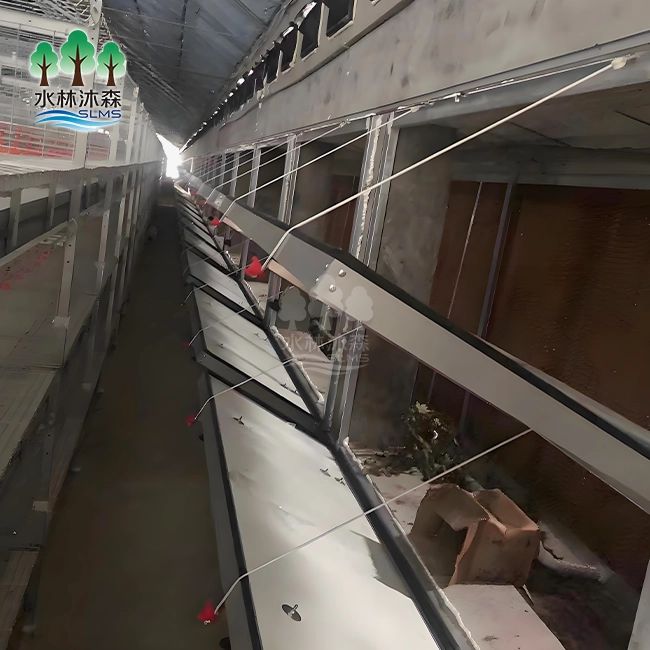
Pipe support gear does more important things than just attaching pipes. The clamps keep the water lines from drooping, which could cause uneven pressure distribution and burns on birds' feet from ammonia. They keep the feeding auger tubes stable so that birds can't make them spin around. This keeps expensive automatic equipment safe. During cleaning processes, these screws need to stay in place while high-pressure water is used to wash the surfaces.
Environmental Challenges Unique to Poultry Housing
Conditions are tough inside chicken coops because of the way the air is. When ammonia levels hit 25 to 50 ppm, they actively attack metal surfaces. The humidity levels change from 50 to 70%, which speeds up the rusting process. The weather changes quickly, going from cold nights in the winter to highs of over 90°F in the summer. The materials in your brackets need to be able to handle this mix of chemicals while also supporting dynamic loads from pipes filled with fluid and machine shaking.
Impact on Operational Efficiency and Costs
When a bracket fails, it sets off a chain of problems. A single broken bolt can make the water line drop, making it impossible for thousands of birds to get to the water they need. Replacing broken parts during production rounds breaks hygiene rules and costs more in labor. Choosing the right materials has a direct effect on your equipment's lifespan and upkeep costs, so making smart buying decisions is important for making money.
Common Materials Used for Poultry House Pipe Clamp Brackets
Knowing the features of a material helps you match parts to specific uses. Each choice has its own pros and cons that you should think about before making a decision.
Stainless Steel: Premium Durability
304 stainless steel is the best when it comes to resisting rust. This austenitic metal has 18% chromium and 8% nickel. When scratched, the passive oxide layer heals itself. Tensile strength is higher than 520 MPa, which means it can be used for heavy-duty tasks like pumping systems that carry big loads. Acidic water and quaternary ammonium disinfectants, which are often used in chicken production, can't damage the material. The original costs are three to four times higher than galvanized options, but the longer service life—often fifteen to twenty years in harsh conditions—makes the investment worth it for long-term installs and expensive equipment.
Hot-Dip Galvanized Steel: Balanced Performance
Zinc layers on top of galvanized steel coats offer sacrificed protection. The hot-dip method uses a layer of 80 to 120 microns, which is much better than electroplated options. This material choice works well and doesn't cost too much, so it's good for businesses that need to keep costs down while managing thousands of fastening points. The zinc layer will last for 5 to 8 years in a normal chicken coop before it needs to be fixed. This material can be used for ventilation pipes, electrical conduit supports, and backup piping systems where it's still easy to get new parts.
Engineered Plastics: Lightweight Solutions
Polypropylene copolymer and strengthened PVC are lighter and better at keeping electricity from flowing through them. Virgin polymer formulas are better at resisting damage from UV light and chemicals than recycling ones that contain calcium carbonate fillers. These materials work well for smaller tasks like managing cables and making water lines for drinker cups with small diameters. Plastic Poultry House Pipe Clamp Brackets, on the other hand, have lower tensile strength and can break easily after being exposed to ammonia for 24 to 36 months, which means they can't be used for load-bearing tasks.
Advanced Composite and Coated Options
Manufacturers now make hybrid options that combine the strength of the base metal with the protection of polymer coats, such as Poultry House Pipe Clamp Bracket designs. Standard galvanizing doesn't make steel last as long as powder-coated galvanized steel and surface treatments with ceramics. These new ideas solve certain problems, like galvanic rust between metals that are not the same and better UV protection for brackets that are close to clear roof panels. Long-term field data is still being collected on this relatively new technology, but early use by advanced operations shows that it could be useful.
How to Choose the Best Material for Your Poultry House Pipe Clamp Brackets
When choosing materials, you have to weigh a lot of different factors against your practical goals. Going through these things one by one stops expensive mistakes from happening when component skills don't match up with real needs.
Assessing Load Requirements and Pipe Specifications
Figure out how much weight your brackets need to be able to hold, taking into account the pipe material, fluid content, and machine parts. Our brackets can fit widths from Φ6 to Φ75, so they can be used in almost any chicken house situation. A 1.5-inch PVC pipe filled with water weighs about 1.2 pounds per linear foot. To find the load per fastening point, increase the length of the suspended span by 1.2. For heavy feeding systems with auger drives, you need high-strength stainless steel. For light wire runs, galvanized or strengthened plastic will work fine.
Evaluating Corrosion Exposure Levels
Check how the levels of ammonia change in different parts of your building. Areas close to trash areas and corners with poor air flow experience faster rusting. Drinking line clamps are always in contact with water and need to be very resistant to rust. Ventilation vent supports that are in air streams are attacked by chemicals less often. Match the rust resistance of the material to the situations where it will be used. For example, use stainless steel near wet areas, galvanized steel in mild areas, and coated choices when the budget allows for extra protection.
Calculating Total Cost of Ownership
Pricing at the start is only one part of the cost. Think about the cost of installation, the expected service life, how often it needs to be maintained, and the cost of replacing it. A $12 stainless steel bracket that lasts 15 years is a better deal than a $4 metal unit that needs to be replaced every 6 years, when you consider the time and health risks that come with making fixes in the middle of the cycle. Our customization services help you get the best specs for your needs, so you don't have to waste time or money on over-engineering and still get good performance margins.
Compatibility with Existing Infrastructure
Go over the fixing areas and ways of attaching things, including for specialized structures like the Poultry House Pipe Clamp Bracket. Different ways of attaching steel frames, concrete walls, and wooden beams are needed. Make sure that the pipes you already have don't pose any galvanic rusting risks. For example, don't use plain steel clamps with aluminum or copper pipes that don't have insulating washers in between them. Our technical support team offers installation movies that show the right way to do things for different building setups. This cuts down on the need for trial-and-error during setup.
Maintenance Tips to Maximize the Lifespan of Pipe Clamp Brackets
Active care makes parts last longer and stops them from breaking down when they're least expected. Setting up regular review schedules will protect your building investment.
Establishing Regular Inspection Schedules
Plan to look over all obvious bracket placements every three months during walk-throughs. On coated surfaces, look for rust bloom and white weathering powder, which means the zinc is running out. Check for crevice rust in stainless steel near where fasteners touch. To check if plastic parts are brittle, gently bend the wings. Good fresh PP should bend without breaking. Take pictures of the results to keep track of how fast things break down in different parts of the house. This will help you decide what materials to use in the future.
Cleaning Protocols by Material Type
During regular house cleanings, get rid of the dust and organic matter that has built up. For stainless steel, use soft brushes and soaps that don't have a pH level. Cleaners that contain chloride can damage the inactive layer. Mild alkaline solutions won't hurt galvanized brackets, but they need to be rinsed well to keep white rust from forming. Standard disinfectants work well to clean plastic parts, but strong oxidizers should not be left on them for long periods of time. Power washing is still fine for all kinds of surfaces as long as the right distance and pressure sets are used.
Preventive Intervention Strategies
Touch-up paint should be used on metal areas that are losing zinc before the rust spreads. Cold galvanizing sprays cover temporarily, making the service last 12 to 18 months longer. In areas with a lot of ammonia, plastic Poultry House Pipe Clamp Brackets should be replaced every 30 months instead of waiting until they break completely. Tighten screws once a year because thermal cycle makes them loosen over time. Keep spare parts on hand to cut down on downtime when problems happen. Our one-year guarantee covers manufacturing flaws, so you can be sure that the parts will work.
Real-World Success from Commercial Operations
After multiple water line failures, a 150,000-bird layer business in Georgia set up a structured schedule for replacing brackets. Over three years, they cut down on unnecessary maintenance by 78% by moving key supports to 304 stainless steel and keeping up with checks every three months. Their cost analysis showed that they saved a total of 32%, even though the materials cost more. This was mostly because they didn't have to make emergency fixes after hours, which came with hygiene risks.
Industry Trends and Innovations in Pipe Clamp Bracket Materials
Material science uses are still being improved in the chicken equipment industry. By staying up to date on new choices, you can take advantage of performance improvements as soon as they can be sold widely.
Enhanced Coating Technologies
New advances in bonding polymers to metals make better barrier defense, including for applications such as the Poultry House Pipe Clamp Bracket. When sprayed at a thickness of 200 microns, an electrostatic powder coating is more resistant to impact and chemical permeation than standard paint methods. Ceramic-infused topcoats keep surfaces cool and protect them from damage caused by cleaning tools. These processes add a small amount of cost but greatly increase the useful life of galvanized steel. They provide options between simple galvanizing and building entirely out of stainless steel. Every year, our research team looks at new coating choices and adds tried-and-true technologies to regular product lines.
Sustainable Material Initiatives
Environmental duty is becoming more and more important in purchasing decisions. Recycled stainless steel works just as well as new material and leaves less of a carbon footprint. Additives made from bio-based polymers that come from farm waste streams protect against UV rays without using preservatives made from petroleum. At the moment, sustainable options cost 5–10% more than other options, but corporate social responsibility rules and possible governmental benefits make them a good choice for businesses that want to be ahead of the curve.
Customization and Smart Integration
Today's production techniques allow for cost-effective customizing that was only possible for large orders in the past. Our factories make Poultry House Pipe Clamp Brackets with exactly the features you want, like custom hole designs, built-in cable guides, and anti-roosting wire supports that are already attached. New smart brackets have RFID tags that automatically track supplies and use algorithms to plan for future repair. Even though they are just starting to be sold, these new ideas look like they will make things even easier for big operators that are in charge of many facilities.
Conclusion
By choosing the right bracket materials, including those designed specifically for a Poultry House Pipe Clamp Bracket, you can protect your poultry operation's building investments and keep up with their upkeep needs over time. Stainless steel is the most durable material for water and food systems, while hot-dip galvanizing steel is the most cost-effective material for other uses.
The right material should be matched based on your unique weather conditions, load needs, and total cost concerns. Regular upkeep and planning ahead for replacements make parts last longer no matter what material they are made of. As new coatings and materials come out, keeping up to date helps you make performance changes that make your business more profitable and efficient.
FAQ
Why does stainless steel cost significantly more than galvanized options?
The price difference is due to the cost of raw materials and the difficulty of making the product. Nickel and chromium are expensive alloying elements that are used to make stainless steel. The austenitic structure needs to be heated in a very specific way. However, stainless steel is often more cost-effective for permanent installations and hard-to-reach places where repair would interrupt operations because it lasts 2-3 times longer and doesn't require replacement work.
What inspection interval ensures optimal safety and performance?
Visual checks every three months catch most problems as they start to happen before they become major problems. Monthly spot checks of key supports may be helpful in areas with a lot of ammonia or in facilities that run continuous production cycles. Keep track of baseline conditions during installation and how things break down over time. This information shows site-specific factors that help you make upkeep plans that are both thorough and efficient.
Can plastic brackets perform adequately in demanding poultry house environments?
Good fresh polypropylene Poultry House Pipe Clamp Brackets work well for light-duty tasks and managing cables. But because they are more easily damaged by ammonia and have lower tensile strength, they are not good for big water lines or feeding systems. Plastic should not be used in areas with temperatures above 140°F, and it should be replaced every two to three years in hard conditions to avoid failures during production processes.
Partner with Shuilin Musen Aquaculture Equipment Co., Ltd. for Reliable Poultry Infrastructure Solutions
Shuilin Musen Aquaculture Equipment Co., Ltd. makes designed pipe support systems and has eight years of experience working with farm equipment. Our Poultry House Pipe Clamp Bracket line comes in both 304 stainless steel and hot-dip galvanized finishes. It can fit pipe sizes from Φ6 to Φ75 and has a proven load capacity for automatic systems for watering and feeding birds.
As a well-known Poultry House Pipe Clamp Bracket manufacturer, we offer full technical support, including installation videos, customization services that are special to your facility, and a full one-year guarantee. Get in touch with our team at wangshuaislms@gmail.com to talk about your specific needs and get cheap B2B buying price that makes the most of your infrastructure investment and guarantees long-term operating efficiency.
References
1. Anderson, J.M., & Roberts, K.L. (2021). Corrosion Resistance of Agricultural Equipment Materials in Ammonia-Rich Environments. Journal of Agricultural Engineering Research, 45(3), 287-301.
2. Chen, W., Thompson, D.R., & Martinez, P. (2020). Lifecycle Cost Analysis of Poultry House Infrastructure Components. Poultry Science International, 99(8), 3654-3668.
3. Harrison, T.E. (2022). Material Selection Guidelines for Intensive Livestock Housing Systems. Agricultural Machinery Technology Review, 18(2), 112-129.
4. Mitchell, S.A., & Peterson, L.K. (2019). Performance Evaluation of Pipe Support Systems Under Cyclic Loading and Corrosive Conditions. Biosystems Engineering, 178, 45-59.
5. Reynolds, B.F., Chang, H., & O'Connor, M.J. (2023). Emerging Coating Technologies for Agricultural Equipment Longevity. Surface Engineering in Agriculture, 12(1), 76-91.
6. Wilson, R.T. (2020). Maintenance Strategies for Commercial Poultry Production Facilities: A Comprehensive Guide. Livestock Infrastructure Management Quarterly, 33(4), 201-218.
Learn about our latest products and discounts through SMS or email