What features are essential for breeding chicken transport cages?
It's about safeguarding your investment and having things work more smoothly, not obtaining the cheapest Transport Cage Frame for Breeding Chickens. Quality Transport Cage Frames for Breeding Chickens are the most critical link between your breeding facilities and the bird-sending sites. They directly impact bird welfare, fatalities, and revenues. The ideal system balances durability and safety characteristics to prevent injuries and stress when packing, hauling, and unloading.
Understanding the Core Features of Breeding Chicken Transport Cages
Material Selection and Structural Integrity
Building a reliable Transport Cage Frame for Breeding Chickens starts with material selection. Due to its resistance to water, ammonia, and biological waste, hot-dip galvanized steel is still the industry standard. Cleaning creates a zinc coating that extends tool life by 10–15 years when performed properly. The heavy-duty carbon steel frames support stacked designs. This is crucial when relocating premium breeding animals since even minor damage can impair genetic value. Because of its galvanized steel construction, your equipment may be cleaned and disinfected daily without losing strength.
Mechanical properties matter. Quality Transport Cage Frames for Breeding Chickens are built of Q235 or Q345 steel, which has 370 to 510 MPa tensile strength. This implies they can bear loads beyond 1.5 tons per module. This engineering standard will improve transportation safety and decrease equipment replacement costs. Our systems employ 304 stainless steel and high-strength galvanized steel parts developed to achieve these high performance criteria at Shuilin Musen.
Ventilation Engineering and Animal Welfare Compliance
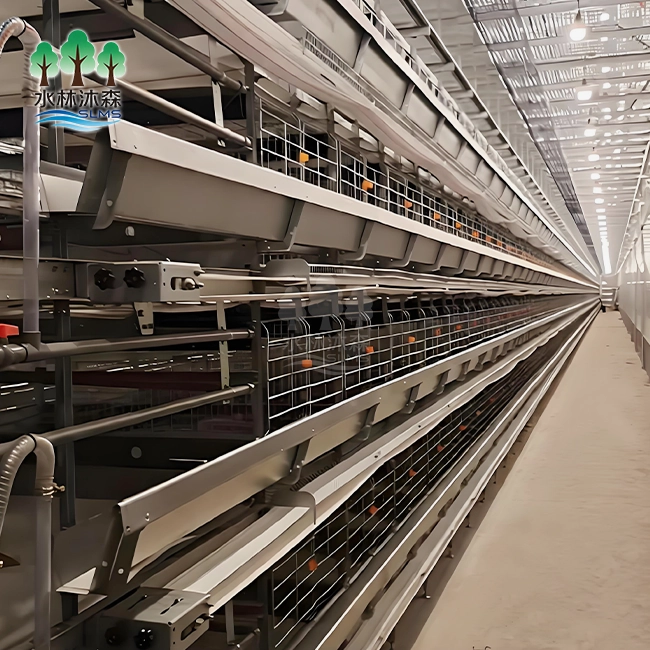
Well-designed airflow distinguishes helpful tools from remarkable systems. Moving breeding hens, especially stacked ones, generates a lot of body heat. Effective Transport Cage Frames for Breeding Chickens provide airflow between levels to prevent temperature buildup over lengthy travel durations. This design feature is crucial in summer or warm climates since heat stress may significantly increase fatality rates.
Air should flow freely between cage levels while maintaining stability. Chicken logistics study shows that well-ventilated systems reduce pre-arrival bird deaths by 30%. The dimensions of our multi-layered pull-out arrangement are 2440 × 1340 × 116 cm. It maximizes space and ventilation to keep birds happy during transit. This thorough preparation considers regulatory obligations and animal welfare to protect your breeding stock.
Modular Design and Operational Flexibility
Modern poultry farms need adaptable tools. Modular transport systems may be scaled to suit flock size, frequency of transit, and facility constraints. The three-part system design enables assembly and rearrangement quick and uncomplicated without specific equipment or downtime. This versatility helps when activities increase or transportation scenarios need alternative arrangements.
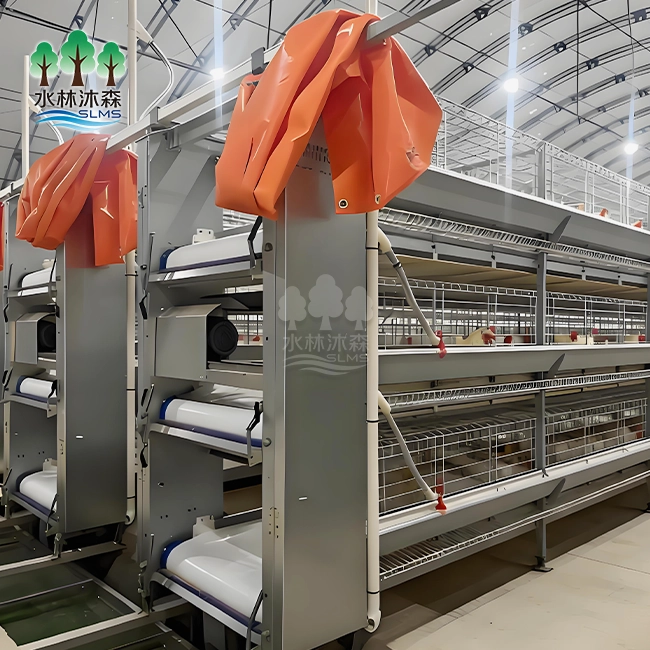
Another practical consideration is stackability. Good Transport Cage Frames for Breeding Chickens contain locking systems and orientation lines to protect crates from shifting during loading, transporting, and unloading. By preventing sudden movement, these features protect your birds and people. We incorporated a pull-out cage to our systems to simplify loading and unloading. This reduces worker stress and time spent handling birds while improving safety and productivity.


How to Choose the Right Transport Cage Frame for Breeding Chickens?
Assessing Your Operational Requirements
Smart purchases depend on knowing what sort of Transport Cage Frame for Breeding Chickens you require. Consider how many birds you transfer, how often, and how far you fly. Pullets from breeding farms to layer homes are handled differently than genetic project stock. Frequency of transit impacts durability. Daily use necessitates stronger buildings than infrequent transit.
Compatibility with operating tools is crucial. If your company uses forklifts to load and unload goods, make sure Transport Cage Frames for Breeding Chickens have standard fork holes for safety and balance. Frames must be the right size for mechanical handling equipment when using automatic capturing systems. Our technical staff collaborates with clients to ensure precise readings within ±1mm. This prevents equipment failing to function with components from disrupting operations.
Evaluating Durability and Total Cost of Ownership
Initial purchase price is only fraction of the instruments' total cost. Total cost of ownership is calculated by considering lifespan, replacement frequency, and maintenance costs. High-quality galvanized Transport Cage Frames for Breeding Chickens with rust-resistant coatings cost 25–35% more than painted steel frames but last three to four times longer. This prolonged dependability reduces annual expenditures and operational issues caused by damaged equipment.
It's crucial to examine corrosion prevention. Cleaners, disinfectants, and organic waste are utilized on transportation equipment. These highly corrosive chemicals swiftly degrade less robust materials. High-quality Transport Cage Frames for Breeding Chickens that pass the ASTM B117 salt spray test (48 to 72 hours without red rust) will last. We rigorously test every frame before delivering it to you to ensure quality. This ensures long-term performance.
Customization Versus Standard Solutions
For many businesses, standard-sized Transport Cage Frames for Breeding Chickens work well, especially those with standard building plans and standard flock sizes. But adaptability offers strategic benefits for specialized breeding operations or locales with distinct space constraints. Custom measurements maximize space in existing structures while fulfilling animal welfare density regulations. Customized features may include locking mechanisms, stacking heights, or built-in identifying systems to track breeding lines throughout transport.
Large-scale operations benefit from OEM customization that fits equipment and procedures. Waste from using standard tools for non-standard activities is eliminated by this strategy. Our five-person engineering team solves your particular operational challenges while maintaining the structure's integrity and safety as part of our comprehensive customized services. By making over three new products each year, we demonstrate our commitment to industry-driven innovation.
Maintenance and Safety Considerations for Transport Cage Frames
Establishing Effective Cleaning Protocols
Cleaning Transport Cage Frames for Breeding Chickens between usage is crucial to biosecurity. If not adequately cleaned, transport crates might spread illness across facilities. Regular cleaning preserves flock health and extends tool life. First remove any dried debris, then high-pressure wash with certified disinfectants, rinse well, and allow dry before storing or using.
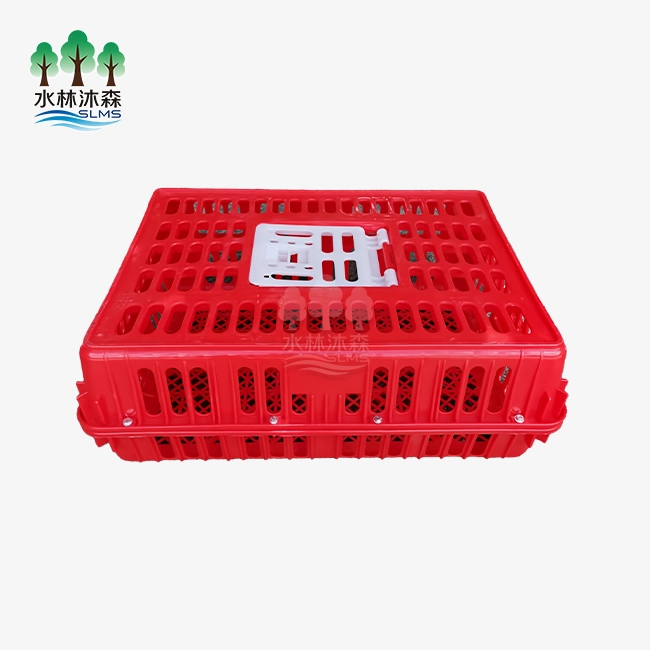
Frame shape influences cleaning. Full-weld seams eliminate crevices where Salmonella or Avian Influenza might lurk between cleanings. Simple, smooth surfaces make cleaning faster and easier. Our cage has high-quality plastic elements with smooth surfaces for easier cleaning and reduced bird discomfort. The added support system strengthens the structure without creating gaps that are hard to clean and hinder cleanliness.
Safety Features That Protect Your Investment
While fulfilling structural norms, new safety measures also improve operations. Secure locking mechanisms prevent accidental door openings during transit, which might kill birds. Road sounds and rapid stops can stress and harm breeding animals, although shock-absorbing elements reduce this. These traits are much more vital when relocating valuable genetic lines, and each bird's worth requires extra safety precautions.
We use smooth plastic cages to prevent injuries. Rough and sharp surfaces cause scratches, bruising, and feather damage, harming birds and lowering their value. Our engineers round and smooth all design edges and contact points on the Transport Cage Frame for Breeding Chickens. This reduces injuries and maintains breeding stock. Customers often comment the birds are better after using our shipping techniques. This directly impacts downstream output and income.
Addressing Common Operational Challenges
Equipment failures sometimes include Transport Cage Frame for Breeding Chickens deformation. It frequently results from overweight or poor constructing procedures. This issue can be prevented with good construction and user training. Set unambiguous loading criteria that follow capacity limitations and equally distribute weight throughout the frame. Regular visual checkups detect tension or damage before it breaks.
Rust development, especially at weld joints and worn areas, indicates coating deterioration or insufficient rust prevention. Fixing minor rust areas immediately prevents faster wear and tear that compromises building stability. Galvanized steel touch-up treatments should be used immediately after damage. Our corrosion-resistant paint treatment provides initial protection, and the one-year free warranty gives you piece of mind that it won't fail early due to manufacturing or material issues.
Latest Innovations and Market Trends in Chicken Transport Cage Frames
Lightweight Materials Without Compromising Strength
Material science advances change the Transport Cage Frame for Breeding Chickens manufacturing. Recent high-strength steels are lighter yet have the same load capability. This reduces transport fuel and maintains structural performance. These new materials enable 15-20% lighter frame designs. This uses less fuel and allows more birds to be transported per trip without exceeding legal weight limitations.
The appropriate balance between durability and weight reduction requires technical competence. Thinner materials are less durable and safe. Advanced Transport Cage Frames for Breeding Chickens arrange materials optimally, adding strength where tension is highest and less where stress is lowest. This approach reduces weight while maintaining structural performance. This reduces equipment operating expenses.
Sustainable Design and Environmental Responsibility
Environmental awareness is becoming increasingly significant in all agricultural purchase decisions. Transport Cage Frame for Breeding Chickens manufacturers have developed reusable, easy-to-disassemble devices as a solution. Galvanized steel frames are ecologically benign since steel can be recycled without losing performance, and if constructed properly, they can be easily separated into steel and plastic pieces.
Some cage builders use recycled steel frames and are investigating biodegradable plastic cage sections. These innovative ideas may work, but they must be thoroughly examined to see how they influence the world over the product's lifespan. Our objective remains to develop durable, long-lasting equipment that can be used for 10–15 years. By prolonging product lifespans instead of designing for early obsolescence, we may decrease resource usage and waste.
Digital Integration and Smart Transport Systems
Technology integration is the next important transportation tool development. Sensor-equipped Transport Cage Frames for Breeding Chickens can report temperature, humidity, and bird activity to shipping management in real time. This understanding allows you respond before losses when situations aren't optimum. Smart cages and automated handling systems are increasingly working together to improve loading and track equipment in complicated transport networks.
Large-scale operations can profit from these new concepts, but they must be implemented after a cost-benefit evaluation. Sensor systems demand additional initial tools and ongoing data management. These investments may not be worthwhile for organizations that carry birds short distances or value them less. Breeding stock firms who transfer important genetic lines great distances typically find that even slight death rate improvements soon offset the expenses of new technologies through increased bird values and improved landing circumstances.
Where and How to Procure Quality Transport Cage Frames for Breeding Chickens?
Identifying Reliable Suppliers and Manufacturers
Long-term Transport Cage Frame for Breeding Chickens performance and customer satisfaction depend on supplier choice. Successful makers may advise on specs and customized initiatives. Check for sellers with engineering teams that can help with more than simply product sales. Comprehensive factory quality control systems maintain product standards for large orders and recurring purchases.
Quality claims are objectively proven by testing and certification. Reliable manufacturers provide material certifications, load testing results, and corrosion resistance data to support performance promises. This transparency helps individuals assess options wisely and reduces the hazards of trusting untested sources. Shuilin Musen has developed its reputation on offering high-quality equipment and competent assistance for eight years, from specification to installation and operation.
Understanding Procurement Logistics and Support Services
Large companies or regional equipment sellers might save money by buying Transport Cage Frames for Breeding Chickens in bulk. Volume discounts range from 10 to 25%, depending on order size. However, manufacturer minimum order amounts and wait periods vary. Knowing these aspects helps you determine the optimal time to acquire products to match your goals to expand your facility or replace obsolete equipment while saving money.
Great suppliers stand out with after-sales service. Full support covers installation, staff training, and timely professional assistance with inquiries or issues. You get training videos and technical support to set up and utilize our transport systems. Our free one-year warranty shows our confidence in our products and protects your investment. Beyond the sale, this focus to client satisfaction builds partnerships that support your company goals throughout the equipment's lifespan.
Evaluating Customization Capabilities and Lead Times
Customization is best for some activities, but standard Transport Cage Frames for Breeding Chickens perform well for others. Tech teams at companies that allow customers personalize their items can adjust sizes, materials, and features. This flexibility helps organizations with building constraints or those seek to improve efficiency to compete.
Knowing how long customization takes helps you budget for tools. Delivery timeframes for custom fabrication are normally 3 to 6 weeks longer than for regular items, depending on how difficult the alterations are and how busy manufacturing schedules are. If you specify your timeline demands at the initial meeting, providers may guarantee delivery schedules that work for your firm. Our engineering team works directly with customers to swiftly find innovative solutions that satisfy your objectives while considering how the goods will be created to stay on schedule and on budget.
Conclusion
Choosing the most significant features for breeding chicken transport cages involves considering performance variables including how long the structure will survive, how effectively it will operate, how much it will cost in the long run, and how well it will protect the animals. Hot-dip galvanized steel Transport Cage Frame for Breeding Chickens systems with good air engineering, flexible design, and many safety measures enhance bird health, mortality, and system costs. Working with experienced manufacturers that offer customization, strict quality control, and full after-sales support will ensure that your transport equipment investment supports your operational goals and animal welfare commitments for years to come.
FAQ
What dimensions should I look for in breeding chicken transport cages?
Your bird's size and mobility space determine the appropriate size. Transport Cage Frames for Breeding Chickens are typically 2440 cm long, 1340 cm broad, and 116 cm high, providing volume and handling. This size fits most forklifts and maximizes trailer space. Businesses that need specialized building sizes or breed animals may benefit from custom sizes.
How often should transport cage frames be replaced?
A decent galvanized steel frame should last 10–15 years with proper care. Frequency, maintenance, and operation determine when to replace anything. Regular examinations can detect internal wear or corrosion before it breaks down, extending the usable life of the Transport Cage Frame for Breeding Chickens.
Can transport cage frames accommodate automated handling systems?
Modern Transport Cage Frames for Breeding Chickens can use automatic loading and unloading equipment. The fork pockets' precise size and consistent positioning make them suitable with robotic systems and mechanical users. Discuss automation compatibility while procurement to ensure the proper design features are employed.
Partner with Shuilin Musen for Superior Transport Solutions
The poultry farm equipment manufacturer Shuilin Musen Aquaculture Equipment Co., Ltd. has eight years of expertise. They can locate shipping methods that protect your breeding stock and streamline your operation. Our five skilled engineers are continually coming up with new solutions to satisfy the business's changing demands, and our Transport Cage Frame for Breeding Chickens manufacturer enables full customization.
To ensure our tools can withstand severe working circumstances and last as long as you need them, we employ high-strength galvanized steel and 304 stainless steel. Customers usually report our approaches cut labor expenses by over 40%. Contact our team at wangshuaislms@gmail.com to discuss your transport needs and learn how our proven solutions may enhance your breeding business's logistics and bird health.
References
1. Bell, D.D. & Weaver, W.D. (2002). Commercial Chicken Meat and Egg Production. Springer Science & Business Media, Chapter 18: Live Bird Handling and Transport.
2. Nijdam, E., Arens, P., Lambooij, E., Decuypere, E. & Stegeman, J.A. (2004). Factors influencing bruises and mortality of broilers during catching, transport, and laitrage. Poultry Science, 83(9), 1610-1615.
3. Kettlewell, P.J. & Mitchell, M.A. (1993). The thermal environment on poultry transport vehicles. Animal Welfare Symposium Proceedings, Universities Federation for Animal Welfare.
4. Grandin, T. (2014). Livestock Handling and Transport, 4th Edition. CAB International, Chapter 12: Poultry Handling and Transportation.
5. European Food Safety Authority (2011). Scientific Opinion concerning the welfare of animals during transport. EFSA Journal 9(1):1966, Section 3.4: Poultry Transport Containers.
6. Jacobs, L., Delezie, E., Duchateau, L., Goethals, K. & Tuyttens, F.A.M. (2017). Impact of transportation duration on stress and welfare of day-old chicks. Poultry Science, 96(6), 1929-1939.
Learn about our latest products and discounts through SMS or email