Best practices for managing chicks in a quadruple-deck rearing environment
To take care of young chicks in a multi-tier system, you need to pay close attention to biosecurity rules, environmental controls, and automatic system integration. In a Quadruple-deck Layer Rearing Cage, workers have to find a balance between bird comfort and density efficiency by making sure that each level gets enough airflow, regular food, and stable temperature. For these vertical systems to work well, managers must use technology, like nipple drinkers and belt-based manure removal, while keeping a close eye on health to stop disease outbreaks at all four levels.


Introduction
In the last twenty years, the chicken business has changed a lot. Instead of using old floor-based systems, they now use more advanced vertical rearing systems. Multi-tier cage systems are one of these new ideas that came about as a strategic reaction to rising land prices, strict biosecurity requirements, and the need to make operations more efficient. Taking care of chicks in a Quadruple-deck Layer Rearing Cage is very different from taking care of them in a single- or double-tier structure. This means that procurement managers and farm engineers have to rethink everything from the ventilation design to the calibration of automatic feeding systems.
More and more B2B players, such as equipment wholesalers, agricultural engineering companies, and large-scale farm owners, understand that investment choices involve more than just the initial cash spending. A chicken operation's long-term success relies on choosing cage systems that are built to last, work well with automated processes, and are backed by helpful technical service networks. This guide talks about the complicated operations of chick management in four-tier settings and gives procurement workers useful information to check the skills of suppliers, the specs of their tools, and the dependability of their services.
Understanding the Quadruple-Deck Layer Rearing Cage System
Structural Design and Core Components
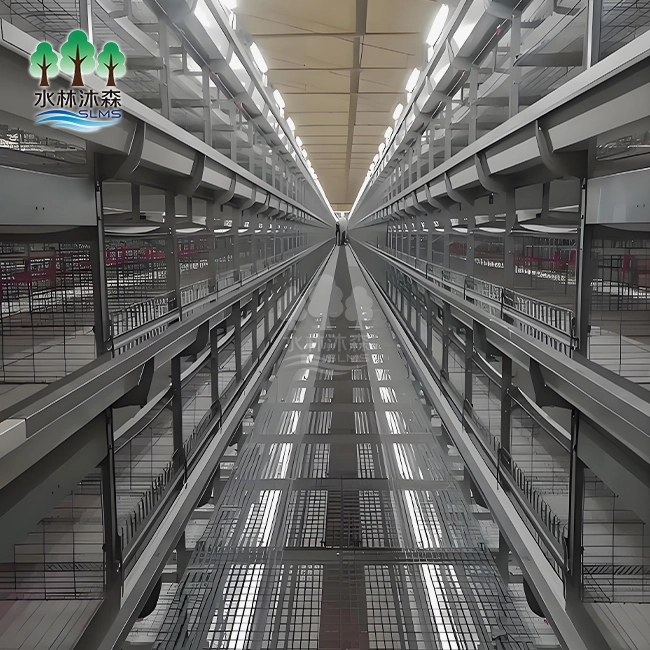
Multi-tier cage systems are built using an H-frame design, which stacks four separate cage units vertically inside a single structural beam. This setup makes the best use of floor space, allowing stocking levels of up to 40 kg per square meter without limiting bird movement. The framework is usually made of Q235 bridge-grade steel wire that has been hot-dip galvanized to get a zinc covering thicker than 275g/m². This makes it resistant to corrosion in ammonia-rich chicken settings for more than 15 years.
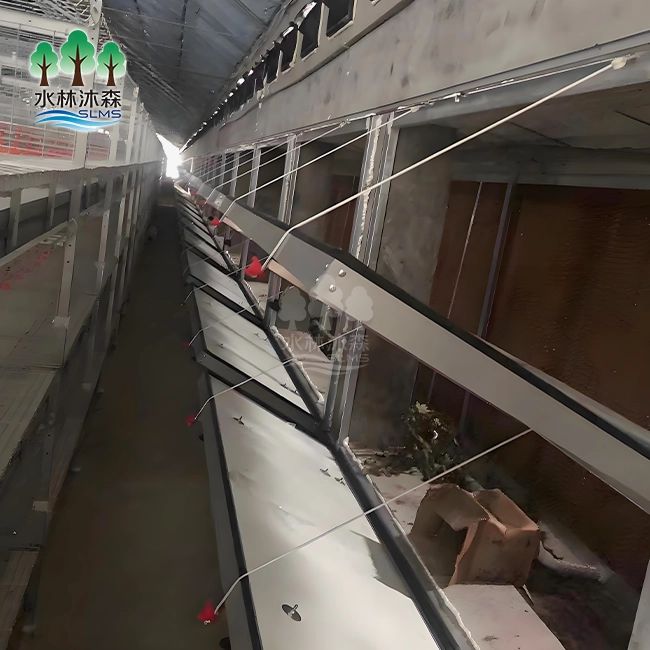
Each level has carefully planned parts, like mesh assemblies with calculated wire spacing, automatic food troughs placed so that all levels can get to them, and nipple drinker systems that make sure all levels stay hydrated. The floor of the cage has a 10-degree slope, which is a carefully measured angle that makes it easier for eggs to roll onto collection belts while minimizing damage to the shells caused by contact. This technical element has a direct effect on breakage rates, which are kept below 0.5% in premium systems by choosing the right materials and making the best use of geometry.
Automation Integration Capabilities
Modern Quadruple-deck Layer Rearing Cage systems work as platforms that are all connected, not as separate pieces of equipment. Automatic feeding systems use chain-driven or cable-pulley systems to get exactly measured feed amounts to every level without any help from a person. In the same way, automated watering lines keep pressure-regulated nipple drinkers that turn on when a bird touches them. This makes sure that birds can drink and stops spills that could hurt the litter.
Managing manure is an important part of technology that sets high-performance systems apart from basic ones. At the bottom of each level, polypropylene conveyor belts move trash to central collection spots, where it is picked up on a set plan. This constant removal keeps air quality at levels that are important for lung health in areas with a lot of people. It also stops ammonia from building up and protects people from pathogens.
When you add up all of these automated tools, you get measurable practical benefits. When compared to manual management, farms that use fully integrated multi-tier systems report labor costs that are cut by more than 40%. At the same time, flock growth rates are more regular because resources are delivered consistently.
Best Practices for Managing Chicks in a Quadruple-Deck Environment
Environmental Control and Ventilation Management
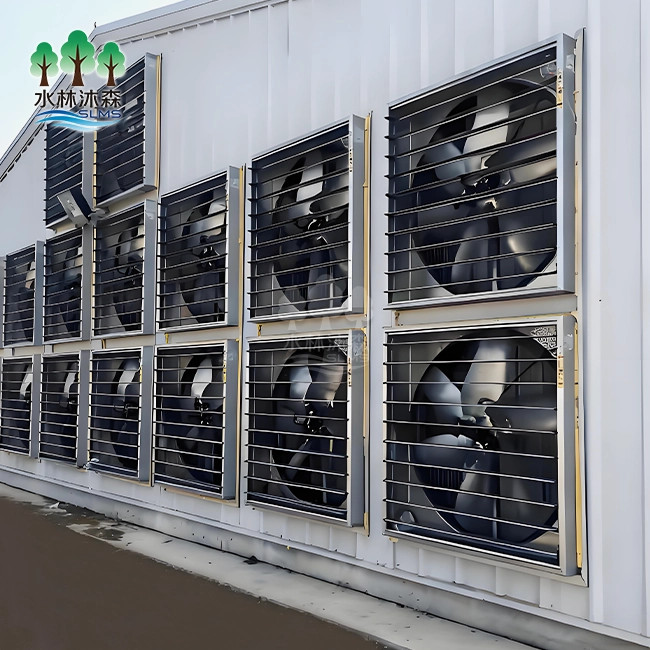
Controlling the temperature in four-story buildings requires a lot of complex HVAC planning. During the first few weeks of their lives, young chicks need temps between 90°F and 95°F. As they start to feather, these temperatures slowly drop. Thermal stratification is a problem in multi-deck systems because heat naturally builds up on the top levels while the lower levels stay cooler. To fix this problem, air intakes and negative pressure ventilation systems must be placed in a way that keeps air moving at about 2.5 meters per second in all vertical zones.
Controlling humidity is just as important, especially in the first three weeks when breathing systems are still weak. A target relative humidity level of 50–60% will keep things from drying out and stop mold from growing on surfaces. Installing measured humidity monitors at different level heights allows for real-time tracking and automatic changes to the ventilation rates, which keeps the conditions the same all the way up the column.
Nutrition Delivery and Feed Management
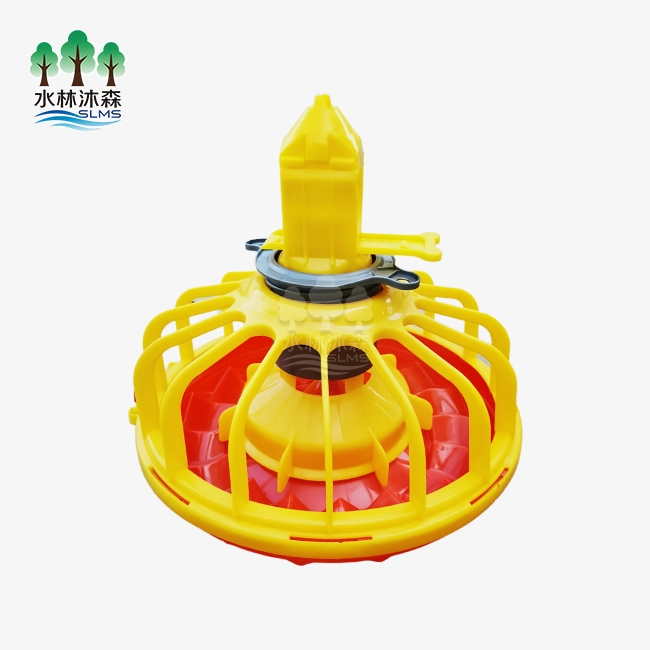
Automated Quadruple-deck Layer Rearing Cage feeding systems must find a balance between speed of supply and accuracy of amount. Chain feeders that move along each level spread specially prepared foods on predetermined times, usually every three to four hours during the early stages of growth. When calibration is done correctly, there is very little waste of feed, which is very important for the economy since feeding costs make up 60–70% of all output costs in businesses.
Several things need to be taken into account to keep the standard of the feed high throughout the delivery route. Every week, auger systems should be checked for buildup of waste that could allow bacteria to grow or spread pollution. In the same way, making sure the feed trough is designed correctly stops spills that waste resources and make places where mice and insects want to live. Feed conversion rates are affected by trough depth, lip angles, and access spacing. This is why these specs are important to look at when buying equipment.
Disease Prevention and Biosecurity Protocols
Multi-tier systems force a lot of birds to live in small vertical areas, which means that disease protection rules have to be followed at all times. Every day, the health of all four groups of birds should be checked, and early warning signs like breathing problems, less activity, or strange droppings should be looked for. The structure is set up in a vertical way, which means that regular inspections are needed. To make sure that each level gets the right amount of attention, many operators set up observation plans that are unique to that level.
Vaccination programs designed for areas with a lot of people usually include both water-based and spray-based means of treatment. The way the medicine is delivered has to take into account the problem of vertical distribution so that birds higher up get the same amount of medicine as birds lower down. Automated dosing systems that are built into water lines can help with accuracy, but random sampling is still the best way to make sure everything is correct.
Another important control point is sanitation between flock rounds. Pressure washing systems should be able to successfully reach all four levels and get rid of organic waste that could be home to germs. Many modern facilities have cage parts that can be taken off and cleaned thoroughly. However, this feature varies a lot between makers and should be looked at when buying something.
Equipment Maintenance and Longevity Optimization
Schedules for preventative maintenance have a direct effect on how long multi-tier systems work and how reliably they perform. Every week, the nipple drinker should be checked to see if it's working properly and for any blocks or leaks that might make it harder to get water. Feed supply chains need to be oiled once a month with food-grade products, and the tension on the belts needs to be adjusted to keep them from getting out of line, which could lead to premature wear or system failure.
Under normal circumstances, the galvanized covering that protects structural elements doesn't rust in the environment. However, damage from strikes or abrasion can make certain areas weak. By finding coating breaches through quarterly checks, focused repairs can be made, stopping rust from spreading and needing to replace parts too soon. Operators who keep thorough maintenance logs that record test results and corrective actions usually get service lives that are close to or longer than the 15-20 years that manufacturers recommend.
Comparison and Decision-Making Guide for Quadruple-Deck Layer Rearing Cages
Performance Metrics Across Tier Configurations
Procurement teams should look at a number of measurable success factors when comparing multi-tier systems to lower-deck options. One of the most clear benefits is that Quadruple-deck Layer Rearing Cage configurations improve capacity by 300% compared to single-tier floor systems that take up the same amount of space. This dense benefit directly turns into amortization of land costs, which is especially helpful in places where high real estate prices make it hard for farms to grow.
Patterns of energy use make the comparison more complex. While four-tier systems need more ventilation to keep the air quality high across all vertical zones, the smaller size means they need less warmth overall when it's cold outside. Total energy costs per bird housed usually show that vertical systems are 15–25% more efficient, though exact numbers depend on temperature conditions and the design of the building.
Measures of labor efficiency clearly show that automatic multi-tier installs are better. Time-motion studies that compare human three-tier operations to automated four-tier systems show that the latter are about 50% more productive. This means that a single person can take care of more birds while still meeting quality standards.
Application Suitability for Production Goals
When choosing between different cage designs, specific output goals should be taken into account. Layer cages that are specifically designed to collect eggs automatically and accommodate nesting behavior are best for businesses that only produce eggs. Usually, these systems have strengthened floor wires that support birds during long production processes that last 80 weeks or more.
On the other hand, different factors are more important in broiler meat production settings, such as allowing for faster growth and making it easier to harvest. Some companies make cage designs that can be used for both purposes by exchanging flexible parts. However, systems that are designed specifically for one reason usually work better in that area.
Procurement Considerations for Quadruple-Deck Layer Rearing Cages
Evaluating Manufacturer Capabilities and Reliability
The evaluation of a supplier goes beyond just looking at the equipment specs. It also looks at the security of the organization and the service infrastructure. Manufacturers with a strong market presence—ideally more than eight years of experience in the field—usually have better product designs that are based on feedback from customers and technical improvement. Companies with dedicated research and development (R&D) teams that release multiple product changes a year show that they are committed to improving all the time to meet the changing needs of the industry.
When choosing a provider, you should carefully look at how well they can provide technical help. When manufacturers include video lessons and step-by-step assembly guides in their installation paperwork, it cuts down on the time it takes to set up and the number of mistakes that could affect the system's performance. The fact that on-site installation services are available adds to the value, especially for businesses that are setting up tools for the first time or growing into new configurations.
Customization Options and Configuration Flexibility
When it comes to large-scale processes, normal equipment rarely meets all of the needs of the building. Manufacturers who can change the size of the cage, the distance between the tiers, or the integration of special parts can provide solutions that work best for each facility's limitations or operating tastes. This ability to be customized is especially useful for brownfield upgrade projects, in which new equipment needs to work with current infrastructure.
The effects of tailoring on the economy need to be carefully thought through. Customized setups usually cost more than normal catalog items, but the increased operating efficiency and lower costs of adaptation usually make the extra cost worth it. A thorough cost-benefit analysis that takes into account long-term upkeep needs and performance predictions helps people make smart choices.
Warranty Terms and After-Sales Support Structure
Service agreements protect capital investments in complicated automatic systems by lowering the risk of those investments going bad. Standard guarantee coverage usually lasts for one year from the date of installation, but the terms vary about how parts are replaced, who pays for work, and how long they promise to respond. To avoid confusion during claims, procurement contracts should clearly spell out the warranty's scope, including what situations are covered and what situations are not.
Access to technical help is a buying factor that is often ignored but has big operational effects. When problems happen with a system, manufacturers who keep responsive contact routes open, such as email support, phone hotlines, and ideally specialized account representatives, can quickly fix the problem. Response time standards should be written down in a contract, and clear service level agreements should be made based on how important the process is.
Conclusion
Taking care of chicks in Quadruple-deck Layer Rearing Cage systems involves combining high-tech tools with strict rules for how to use them. When you combine computerized feeding, trash removal, and environmental controls, you can make work settings that can support large populations while still meeting welfare standards and being cost-effective. When buying this kind of equipment, you need to think about a lot of things, not just the price. You need to think about the manufacturer's experience, their professional support system, and their ability to make changes to the equipment.
When companies put these broad evaluation factors at the top of their list, they set themselves up for long-term operational success. They can meet their productivity goals while reducing downtime for upkeep and increasing the life of their equipment. The move toward vertical farming is in line with larger industry trends that stress using land efficiently, integrating technology, and managing based on data. These trends are likely to speed up as the world's demand for protein keeps growing.
FAQ
What service life should be expected from quadruple-deck cage systems?
If you follow the upkeep instructions, high-end systems made of hot-dip galvanized Q235 steel can last longer than 15 years. The thickness of the zinc coating has a big effect on how long something lasts. Specifications meeting or exceeding 275g/m² offer better corrosion protection in high-ammonia chicken settings. Regular inspections that find damage to the coating allow for focused fixes that stop rust from spreading, which could mean that the coating needs to be replaced too soon.
How do four-tier systems maintain adequate ventilation across all levels?
Engineered ventilation designs include negative pressure systems that keep air moving at a steady 2.5 meters per second all the way to the top levels. By strategically placing the intake and exit fans, you can create airflow patterns that keep thermal stratification from happening and get rid of ammonia and wetness. When tunnel ventilation and liquid cooling pads are used together, they create similar environmental conditions that are needed for flock performance to be consistent across vertical zones.
Can feeding systems accommodate different growth stages?
Modern automatic feeding systems allow controlled changes to rations to meet nutritional needs at different stages of growth. Scheduled recipe changes, changes to amount sizes, and changes to delivery frequencies can be made by control systems without having to change the hardware by hand. This allows for better nutrition plans that speed up early growth while keeping late-stage feed costs low, which leads to higher total feed conversion rates.
Partner with Shuilin Musen Aquaculture Equipment Co., Ltd. for Your Poultry System Solutions
Shuilin Musen Aquaculture Equipment Co., Ltd. offers a wide range of services to help purchasing managers find trusted Quadruple-deck Layer Rearing Cage manufacturers. Our eight years of experience with farming and livestock equipment have given us proven skills in system design, making quality, and service after installation. We have a specialized R&D team of five professional engineers who are always improving product specs to keep up with changing industry needs.
Our four-deck systems are made from corrosion-resistant galvanized materials that make them last 15 years or more and include automatic feeding, watering, and waste removal. Customization options meet the needs of each place while keeping the structural integrity and performance standards needed for large-scale activities. Technical help includes installation videos, on-site setup services, and a guarantee that protects your investment for one year. Visit slms-equipment.com or email our team at wangshuaislms@gmail.com to talk about your building needs and get thorough quotes that are made to fit your needs.
References
1. North, M. O., & Bell, D. D. (2019). Commercial Chicken Production Manual. Springer Netherlands: Agricultural Engineering Press.
2. Appleby, M. C., Mench, J. A., & Hughes, B. O. (2018). Poultry Behaviour and Welfare. CABI Publishing.
3. Bessei, W. (2020). Welfare of Broilers: A Review on Housing Systems and Their Impact on Bird Health. World's Poultry Science Journal, 76(3), 568-590.
4. Xin, H., Gates, R. S., Green, A. R., & Mitloehner, F. M. (2021). Environmental Impacts and Sustainability of Egg Production Systems. Poultry Science Journal, 100(1), 100-115.
5. Dawkins, M. S., Donnelly, C. A., & Jones, T. A. (2017). Chicken Welfare is Influenced More by Housing Conditions than by Stocking Density. Nature Scientific Reports, 7(1), 1-9.
6. van Horne, P. L. M., & Achterbosch, T. J. (2019). Cost-Effectiveness Analysis of Different Housing Systems for Laying Hens. Agricultural Economics Research Institute Publications, 45(2), 234-251.
Learn about our latest products and discounts through SMS or email