Comparing poultry ventilation window types
When looking at airflow control systems for big chicken farms, the Poultry House Ventilation Window stands out as a unique part made to make negative pressure systems work better. Unlike regular holes, these air inlets control the speed and direction of entering fresh air. This keeps birds from getting chilled by cold drafts and makes sure that the air is evenly distributed throughout the building. Modern ventilation windows solve important problems like controlling temperature, humidity, and bird health by using carefully designed deflectors and adjustable mechanisms. Picking the right type of window is an important strategic decision that affects the efficiency of production and the well-being of birds in broiler, layer, and breeder operations.


Key Types of Poultry Ventilation Windows: Features and Differences
There are a number of different window designs on the market for poultry tools, each designed to work best in a certain situation. When you look at these differences, you can see important performance trade-offs that affect how efficient a building is in the long run.
Manual vs. Automatic Operation Systems
The opening angles of manual ventilation windows are controlled by gravity and differences in static pressure. These methods work well for small businesses or retrofit jobs that don't have a lot of money to spend. However, they need to be managed by hand during yearly changes when temperature changes mean that tweaks need to be made often. Automatic windows can be linked to climate control systems using wire winches or electric motors, which lets multiple inlets open at the same time. This cooperation keeps the static pressure the same all over the house, so there aren't any dead spots where stale air builds up.
Our tech team has seen that automatic systems take about 40% less work than manual monitoring. This means that staff can focus on checking on the health of the birds instead of making changes to the surroundings. The extra money spent on the initial investment is usually paid back within two production cycles thanks to better feed economy and lower cutting rates.
Insulated vs. Non-Insulated Designs
When it comes to thermal efficiency, insulated windows are different from basic ones. In warm areas where condensation and heat loss aren't a big problem, non-insulated units work well. Insulated windows have foam cores or hollow-structure materials that stop thermal bridging, which is when cold surfaces on the outside chill parts inside, causing condensation. This condensation drips on birds and beds, making the litter wet, which helps germs grow and causes hock burns.
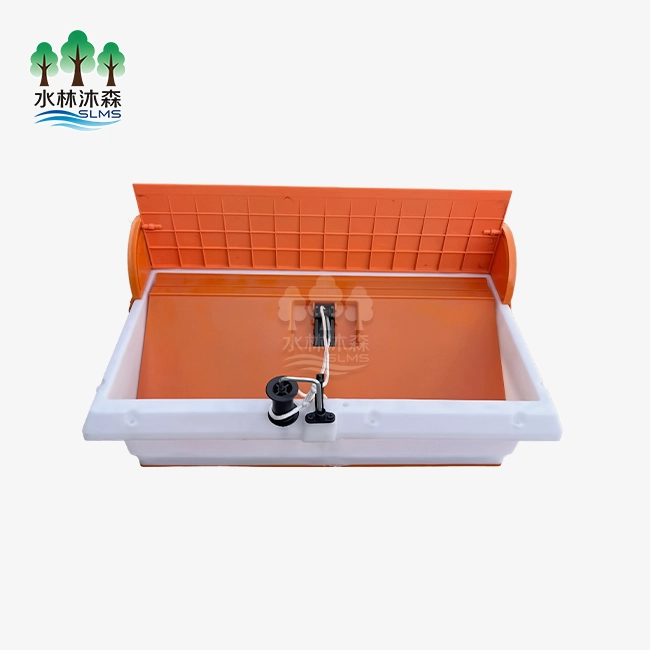
Insulated designs are very helpful for buildings that are used in places where winter temperatures drop below -10°C. There is an insulation layer built into the 560mm × 270mm ABS window that we make that is designed to keep working in temperatures ranging from -30°C to +60°C. This temperature barrier lowers the cost of heating during the nesting phase, and the internal deflector directs cold air toward the roof, where it can mix with warmer air before falling to bird level.
Material Composition Considerations
Material choice has a direct effect on how long something will last in a chicken coop, which is a toxic environment. The market is mostly made up of three main materials:
- ABS Plastic: This engineering-grade material doesn't corrode when exposed to ammonia or hydrogen sulfide, and it keeps its shape even after being put under a lot of pressure and released again and again. The new ABS that we use in our ventilation windows has UV protectors in it that keep it from turning yellow and breaking even after years of being in the sun. Its 1.5 kg unit weight makes it easy to handle during installation without lowering its power.
- Aluminum Frames: Applications that need a light structure can use aluminum frames. But metal that hasn't been handled rusts when it comes into contact with the high levels of ammonia that are common in chicken coops. The protection of anodized or powder-coated versions is better, but they cost 20–30% more than ABS versions.
- Galvanized Steel Components: Instead of normal galvanized steel springs, we use stainless steel springs in our window systems. Standard springs weaken after 18 to 24 months of constant spinning and exposure to corrosives. Stainless steel, on the other hand, keeps its tension and resistance to oxidation for more than five years of continuous use.
These important factors go beyond the initial cost of acquisition. Replacement rounds, upkeep work, and production delays caused by broken equipment all add to the real cost of ownership. For large-scale activities, reducing risk can be measured by choosing materials that have been shown to last 50,000 or more opening rounds under accelerated corrosion tests.
Detailed Comparative Analysis: Ventilation Windows vs. Fans
There is a difference between how ventilation windows and exhaust fans work in negative pressure devices, even though they both move air. Knowing how they work together makes it easier to know when to stress one part over the other.
The negative pressure difference that powers the whole air system is made by exhaust fans. They get rid of old air by creating pressure, which pulls in fresh air through windows. The windows themselves act as precise controllers, controlling both how much air comes in and, more importantly, how it moves around the room. People often think of windows as inactive openings, but designed inlets actively shape airflow patterns by changing the shape of deflectors and opening sizes.
Fans move large amounts of air (measured in cubic meters per hour), while windows control the speed of air coming in (measured in meters per second). When the entrance velocity is too high (above 4-5 m/s), drafts form that cool birds. When there isn't enough speed, cold air falls right on birds close instead of rising to mix with warm air in the roof. When combined with the right amount of exhaust capacity, our 560mm × 270mm Poultry House Ventilation Window's effective air area of 0.11-0.13 m² limits flow just enough to keep the best input velocity.
An study of energy use shows that 70–80% of the electricity used by a ventilation system goes to fans, while automatic window controls use very little. But windows that aren't set up right make fans work harder to deal with too much static electricity, which raises energy costs by 15 to 25 percent. Because of this, choices about procurement can't be made without taking into account the total system design when choosing windows. We offer expert help, which includes calculation tools that figure out the right number of intake windows based on the total capacity of the exhaust fan. This makes sure that the system works well overall.
The maintenance needs of different parts are very different. Fans need to have their belts checked, bearings oiled, and motors serviced on a frequent basis. Windows mostly need to be cleaned once a year to get rid of dust that has built up on the louvers and have their spring tightness checked every so often. The stainless steel springs in our design stop the rusting and warping problems that happen with lower-quality gear. This means that maintenance checks can be done every three months instead of once a month. As part of our on-site installation services, we teach building staff the right way to do inspections, which lowers the cost of service over time.
System life and replacement processes must be taken into account in cost structure analysis. With regular care, good vent fans can last between 7 and 10 years, and well-made windows can work well for 12 to 15 years. The original cost of buying high-quality window parts, like ABS housing with UV protection and bolts that won't rust, is a good investment that pays off over a long time.
The mix between openings and fans is also affected by the weather. Tunnel ventilation systems are best for hot, muggy places because they maximize the amount of air that can escape. During cooler months, windows are mostly used for minimal ventilation. In cold climates, operations need complex entrance control to keep things from getting too cold. This is why advanced window features like movable deflectors and tight seals when closed are so useful. A poultry house ventilation window must balance these seasonal demands effectively. Because we can customize, we can change the size and material of our products to meet the needs of different areas. For example, we can make them warmer for northern states in the winter or less dusty for dry western regions.
Selecting the Right Ventilation Window for Your Poultry Operation
When procurement teams look at ventilation windows, they have to weigh a lot of technical and practical factors to find the best options. Structured factors that match the skills of the equipment with the needs of the facility help with this decision process.
Environmental and Species-Specific Requirements
Different types of chickens produce different amounts of heat and wetness, which affects the need for airflow. At finishing weight, broilers make a lot more metabolic heat than day-old chicks, so ventilation systems need to be able to adjust from minimum to maximum capacity. Layer processes keep environmental loads more stable, but they need reliable tools that can keep working for more than 60 weeks of production cycles. Facilities that take care of turkeys and ducks have special problems because these birds are bigger and behave in different ways.
Extreme weather conditions are the main factor used to choose activities in areas where temperatures change. Our 560mm × 270mm ABS window keeps its structural stability and sealing performance from -30°C to +60°C, so it can be used in both harsh winter weather in the north and high summer heat in the south. When it's cold outside, the interior deflector is especially important because it keeps plumes of cold air from falling directly on birds, which raises heating costs and stresses out groups.
Sizing and Customization Considerations
To get an accurate size, you must first figure out how much total entrance area you need based on the capacity of the exhaust fan. As a general rule, you should give the system 1 m² of intake area for every 10,000 m³/h of exhaust capacity at the desired static pressure levels. But this number changes depending on the shape of the building, the height of the roof, and the speed of air that is wanted. Different outlet designs are needed for buildings with 3-meter ceilings compared to those with 4.5-meter ceilings because the vertical distance changes the way air mixes.
Our engineering team helps buyers with these calculations by making suggestions that are special to the buyer's building. We can change the sizes of our products from the normal 560mm × 270mm to fit existing building spaces or meet special airflow goals. Customizing materials helps with problems that come up in certain environments, like making sure that sites facing south have better UV protection or that very cold places have special seals.
Installation and Technical Support Evaluation
When put incorrectly, even the best equipment doesn't work as well as it should. The height of a window has a big effect on how well air moves through it. Best practices in the industry say that outlet windows should be mounted 30 to 40 cm below the eave line. This gives the roof enough room for air to mix. When placed too low, cold air reaches birds before it has had a chance to warm up, and when placed too high, roof mixing volume is limited.
We offer full installation help, including thorough videos that show the right way to mount your equipment, seal it, and connect it to your control system. For big jobs or complicated retrofits, on-site installation services are available to make sure everything is done right, from setting up the equipment to making sure it works. The normal fitting opening for our window is 570 mm x 280 mm, which is large enough to allow the sealing and adjustment system to work properly.
Supplier Reputation and Service Commitments
When selecting a poultry house ventilation window, this provider reliability becomes even more critical, as any failure directly impacts air quality and flock health. It turns out that evaluating the skills of the provider is just as important as evaluating the product specs. For eight years, we've been making tools for farming and raising animals. Our name is based on consistent quality and quick service. This track record is important when equipment breaks down and whole groups are at risk—quickly available new parts and expert help with fixing lower production risks. A poultry house ventilation window must function flawlessly under this provider’s commitment, because even a small malfunction in such a window can jeopardize the entire ventilation system and bird welfare.
Warranty terms show that the company that made the product is confident in its longevity. We provide a one-year free guarantee that covers material flaws and problems with the way the product was made. This is backed up by our quality control processes, which check parts for resistance to salt spray corrosion, impact toughness, and cyclic fatigue after more than 50,000 operations. This testing method makes sure that goods work in the real world, not just meet the bare requirements.
After-sales support capabilities distinguish suppliers in competitive markets. Beyond warranty coverage, ongoing expert advice helps facilities adjust to new production needs or fix problems with performance. Our team of five professional engineers creates more than three new products every year. They also keep their deep knowledge of existing product lines up to date so they can give customers the most up-to-date information and tried-and-true solutions.
Maintenance, Performance Monitoring, and Troubleshooting
Sustaining ventilation system effectiveness requires systematic maintenance protocols and performance verification procedures. Proactive approaches prevent gradual efficiency decline that often goes unnoticed until production metrics deteriorate.
Routine Maintenance Protocols
Cleaning window louvers and deflectors on a regular basis keeps dust and feathers from building up and blocking airflow. Stainless steel springs should be checked for proper tension every month during production cycles, and sealing surfaces should be checked for damage or wear. Adjustment mechanisms should also be made sure to work smoothly. Because the materials in our windows don't rust, they don't need to be maintained as often as lower-quality options, but regular checks are still necessary.
Performance Verification Methods
By measuring static pressure at several locations in the house, you can see if the entry windows spread air evenly. Depending on the mode of airflow, the target standing pressure is usually between 12.5 and 30 Pascals. Differences of more than 20% between measurement places could mean that the outlet isn't set up correctly or that windows are blocked. Simple magnahelic readings that are permanently placed near the middle of the house allow for quick daily checks that find problems before they affect the birds' performance.
Airflow velocity measurements at inlet windows verify proper system balance. Digital anemometers measure the speed of the air coming in. For air mixing to work well, the speed should stay between 3 and 5 meters per second. When speeds are less than 2 m/s, it means that the opening area is too big for the current fan to work, which drops the cold air. Speeds greater than 6 m/s mean that the opening area isn't big enough, which makes fans work harder and uses more energy.
Common Issues and Solutions
Several problems that keep happening affect how well air windows work in different situations. In breeder and layer sites, photoperiod control is thrown off when light leaks in through closed windows. When put and kept up properly, our double-sealed edge design with TPE seals lets almost no light through. Light-blocking works best when seals are checked once a year and old gaskets are replaced.
If condensation forms on the outside of windows, it means that either the insulation isn't good enough or air is leaking through sealed joints. Our design has an integrated insulation layer that stops thermal bridging, which leads to condensation. Also, regular seal maintenance stops air leaking that cools surfaces below the dew point. If a building has continuous wetness, it should check that the windows are closed properly and the insulation is in good shape.
Uneven window opening across multiple units indicates adjustment mechanism issues or controller problems. Cable-operated systems need to have their tightness adjusted on a regular basis to keep their operation in sync. Our design for the adjustment mechanism reduces the need for this kind of upkeep, but every year we make sure that all the windows in a zone open to the same position when the environmental controller tells them to.
Conclusion
To choose the right poultry house ventilation window, you have to weigh technical specs against how they will work and their long-term costs. Different types of human and automatic systems, insulated and non-insulated designs, and material compositions all have a direct effect on how well equipment works in different temperatures and during different production cycles. Knowing how poultry house ventilation windows work with exhaust fans in negative pressure systems helps you make smart purchasing decisions that save you money and make the system run more efficiently.
Proper sizing, professional installation, and regular maintenance all work together to make tools last longer and keep air moving smoothly. When you combine long-lasting materials, precise engineering, and full support services, poultry house ventilation windows go from being simple holes to strategic assets that protect the health of your flock and increase production efficiency.
FAQ
What window dimensions work best for different facility sizes?
Inlet area needs change based on the ability of the exhaust fan, not just the size of the building. Find the fan's total capacity in cubic meters per hour, and then give it an entrance area of about 1 m² per 10,000 m³/hour at a steady pressure of 25 Pascal. A 120-meter broiler house that can vent 40,000 m³/h needs a total area of about 4 m² for air to come in. This can be done by placing 30 to 35 560 mm x 270 mm windows evenly along the sides.
How much energy do automatic ventilation windows save compared to manual systems?
Automatic windows don't use much electricity—a processor and motors that serve 20 to 30 windows usually use less than 50 watts. The saves come from always having the right static pressure, which cuts down on the wasteful use of fan energy. Automatic systems that are properly controlled can cut ventilation-related energy costs by 12–18% compared to setups that are changed by hand. This is because they stop both too little ventilation, which needs extra heating, and too much ventilation, which wastes heated air.
Can existing facilities retrofit modern ventilation windows into older buildings?
Retrofitting works when the old wall holes can fit the new window sizes or when changes can be made. Customization services let us change the sizes of windows to fit current spaces, so we don't have to make as many changes to the structure. Adding environmental controls and wire is needed to go from manual to automatic operation, but many operations do this change during planned breaks between flocks. As part of our on-site installation services, we check to see if the retrofit is possible and plan the execution so that it causes as little damage to production as possible.
Partner with Shuilin Musen Aquaculture Equipment Co., Ltd. for Superior Poultry Ventilation Solutions
Choosing the right tools provider is the first step to improving the environmental control at your chicken farm. Shuilin Musen Aquaculture Equipment Co., Ltd. has been making specialized equipment for eight years and has developed ventilation systems that work well in challenging business settings. Our 560mm × 270mm ABS ventilation windows are made of materials that won't rust, have insulation built in, and have precise deflectors that make sure air flows evenly and protect the health of your flock.
As an expert in making ventilation windows for chicken coops, we can help you with your purchase by offering customization options, detailed technical support including installation videos, on-site installation services, and a one-year guarantee with helpful customer service after the sale. Email our team at wangshuaislms@gmail.com to talk about your specific needs and get full technical specifications that are made to fit the needs of your building.
References
1. Czarick, M., and Lacy, M. P. (2018). Poultry Housing for Hot Climates: Ventilation System Design and Management. University of Georgia Cooperative Extension, Agricultural Engineering Department.
2. Donald, J. (2019). Environmental Management in the Broiler House. Aviagen Technical Publications, Poultry Performance Division.
3. Gates, R. S., Casey, K. D., and Xin, H. (2020). "Ventilation Rate Determination for Poultry Buildings Using CO2 Mass Balance." Transactions of the ASABE, 63(4), 981-993.
4. Liang, Y., Xin, H., Wheeler, E. F., and Gates, R. S. (2019). "Comparison of Energy Use and Bird Performance in Different Broiler Ventilation Systems." Applied Engineering in Agriculture, 35(5), 713-722.
5. Purswell, J. L., and Dozier, W. A. (2017). Cold Weather Ventilation Challenges in Modern Poultry Production. Mississippi State University Extension Service, Poultry Science Department.
6. Yahav, S., Straschnow, A., and Plavnik, I. (2018). "Air Velocity Alters Broiler Performance Under Harsh Environmental Conditions." Poultry Science Journal, 97(8), 3038-3045.
Learn about our latest products and discounts through SMS or email