Energy-efficient quadruple-deck layer rearing cage designs for poultry farms
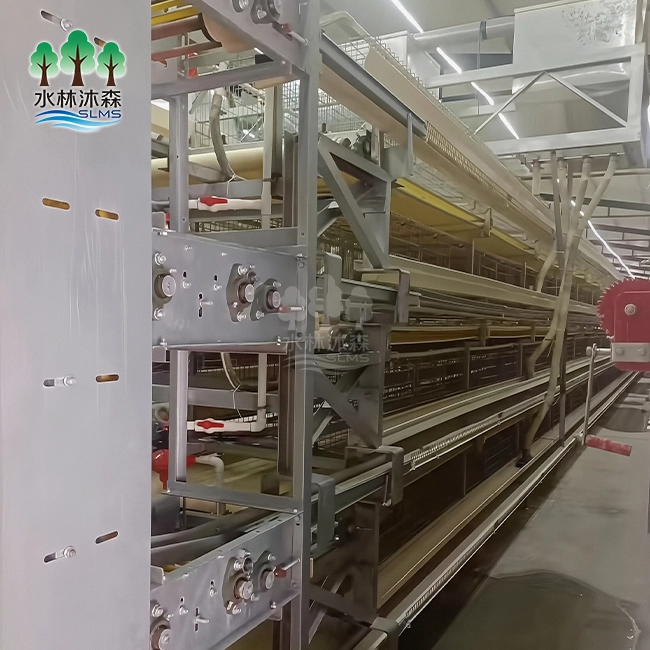
Vertical stacking technology is used to house hens on four integrated levels in energy-efficient quadruple-deck layer rearing cage designs for chicken farms. These designs are a game-changer for business egg production. The Quadruple-deck Layer Rearing Cage makes the best use of room by incorporating automated systems for feeding, watering, and removing manure. These systems greatly lower the amount of energy needed for operations. This high-tech housing option has measured benefits, such as fewer jobs, better control of the environment, and better bird welfare factors. These systems directly lead to lower energy costs and higher production efficiency for large-scale operations that handle thousands to over 100,000 layers.


Understanding Quadruple-Deck Layer Rearing Cages and Their Energy Efficiency Features
Rising land prices, worker shortages, and energy costs are all putting more pressure on modern industrial egg production. Four-tier cage systems solve these problems with smart engineering that makes the most of vertical room while having the least amount of effect on the environment.
Structural Design and Materials Engineering
Choosing the right materials is the first step in building a multi-tier system that works well. Our systems use hot-dip galvanized Q235 bridge-grade steel wire that has a zinc covering that is thicker than 275g/m² to make it very resistant to rust. This cleaning process makes a barrier against the ammonia-filled environments that are common in chicken coops, which makes tools last longer than 15 years. The H-type frame structure is more stable than standard A-frame designs, so there are no structural issues when stacking four levels on top of each other.
The ideal stocking rate is 40 kg/m², which can be accommodated by a cage that is 45 cm long, 45 cm wide, and 450 cm high. This makes good use of space without affecting bird comfort. The carefully designed 10-degree slope at the bottom makes it easier for eggs to roll gently toward collection systems. This lowers the breaking rate to less than 0.5% compared to traditional flat-bottom designs.
Integrated Automation for Energy Optimization
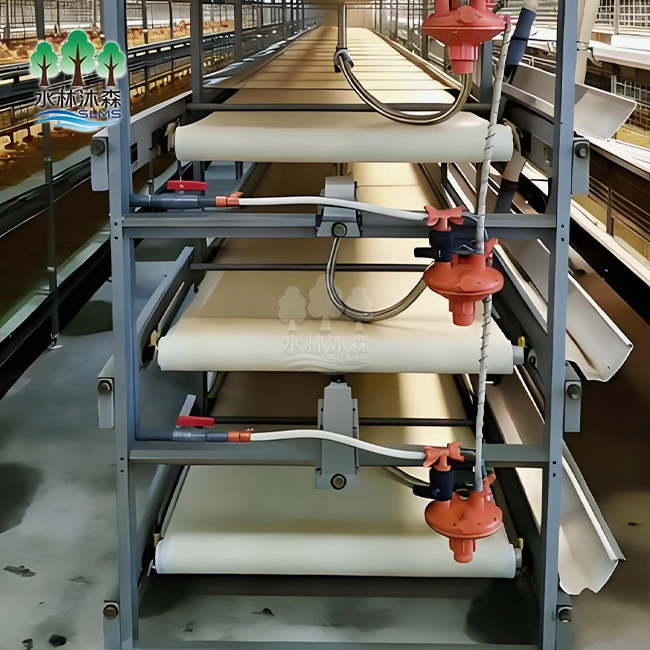
Integration of technology plays a big role in how energy-efficient vertical layer housing is. Automated feeding systems get rid of the need to manually distribute feed across multiple levels. This cuts down on labor costs by over 40% while still delivering nutrients consistently. Nipple drinker systems with 360-degree switching sensitivity make sure that all levels have the same amount of water access without the energy waste that comes with standard trough systems that need to be cleaned and refilled all the time.
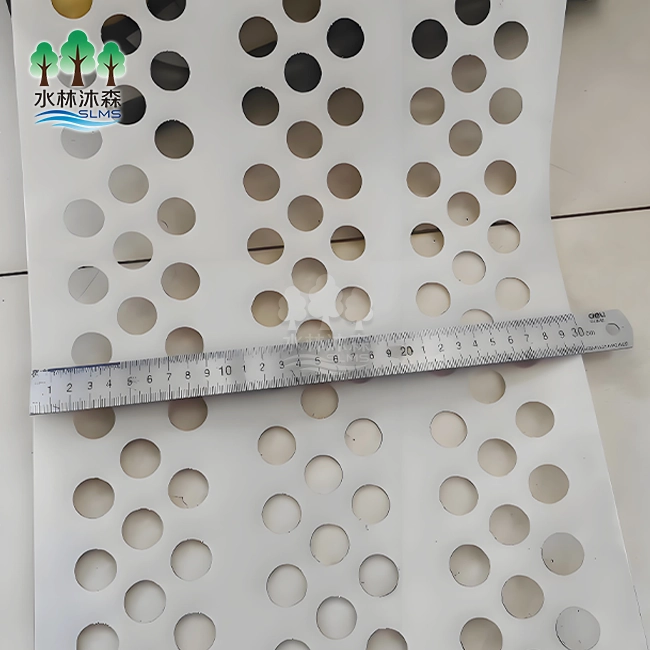
In four-tier designs, the method for getting rid of manure is a key energy factor. Our Quadruple-deck Layer Rearing Cage systems use polypropylene conveyor tracks that are designed to handle all of the trash from all floors at the same time. This constant removal keeps ammonia from building up, which lowers the need for air and the energy used to power it. Research shows that good waste management in high-density homes can cut the amount of energy needed for cooling by 25 to 30 percent compared to systems that don't handle manure well.
Ventilation and Climate Control Systems
To keep conditions the same on all four floors of housing, sophisticated environmental control is needed. Negative pressure ventilation systems keep the air moving at 2.5 m/s throughout the building. This makes sure that the highest level gets enough wind even though it is higher up. This method stops the temperature stratification that often happens in vertical systems that aren't built well.
When you combine tunnel airflow with liquid cooling pads, you get a climate control system that uses little energy and works well in warmer places. The vertical setup lets cold air flow horizontally across all levels at the same time, keeping the temperature even across the group so that all of the hens can lay eggs at the same time.
Comparing Quadruple-Deck and Other Multi-Tier Layer Rearing Cage Systems
To choose the right cage configuration, you need to know how different systems work in terms of key operational measures. Choosing between three-tier, four-tier, and other housing methods has effects on both short-term prices and long-term profits.
Space Utilization and Production Density
When compared to floor-based deep-litter systems that take up the same amount of space, four-tier configurations improve production output by about 300%. Compared to three-tier setups, the extra level adds 25–33% more living space within the same building footprint. This benefit is especially useful for businesses that don't have a lot of space or want to increase production without building new facilities.
The gains in efficiency go beyond just bird capacity. The best bird-to-equipment rates are found in four-tier systems. This means that each automatic feeding line, watering system, and environmental control unit feeds more animals that are useful. This better relationship immediately lowers the amount of energy needed by each bird for basic tasks.
Economic Analysis and Return on Investment
When doing an investment study for a vertical cage system, you need to look at both the original cost of the equipment and the money you will save by running it over its lifetime. Four-tier installations usually need 15-20% more money up front than three-tier setups because they need more support structures and are harder to automate. When operational savings are properly taken into account, the payback time calculation shows strong economics.
The most obvious financial gain comes from lower labor costs. Four levels of automated systems take care of food, watering, and waste removal, so people don't have to do as many things by hand every day. Operations say that switching from fully human three-tier systems to fully automatic four-tier setups cuts labor hours by more than 40%. When trash is properly managed and environmental controls are improved, air needs are reduced, which saves energy and adds to the value of the property. Because hot-dip galvanized parts last longer and don't need much maintenance over their 15-year working time, maintenance costs go down.
Durability and Equipment Longevity
Long-term success in corrosive chicken settings depends on the quality of the materials used. When compared to electro-galvanized options, which usually rust within 3–5 years, hot-dip galvanization offers better safety. The starting cost of the materials used for premium galvanization pays off because they don't need to be replaced as often and upkeep stops are less frequent.
Structural stability is important, especially in four-tier designs where weight loads build up on each level. The H-type frame design evenly spreads forces, which keeps the cage floor from sinking like it does in lower-quality systems. This structural stability keeps the right egg collection angles for the whole life of the equipment, which means that few eggs break, which keeps the business profitable.
Optimal Usage and Maintenance Practices to Maximize Energy Efficiency
To get the most out of a Quadruple-deck Layer Rearing Cage in vertical layer housing, you need to pay attention to how it is installed, how it is used, and how often it is maintained. These steps make sure that systems keep their stated energy efficiency for as long as they are in use.
Installation Protocols and System Configuration
Installation that is done right sets the stage for long-term success. To make sure that egg collection systems work right and automatic feeding chains move easily without getting stuck, the cage alignment has to stay within very tight limits. We offer full installation support, including in-depth video tutorials and on-site expert help, to make sure systems meet all standards from the start.
During fitting, you should pay extra attention to how the ventilation system fits in. To make sure that the temperature and humidity are the same in all four levels of building, the vertical shape must be taken into account when placing air intakes, fans, and cooling pads. Our expert team does site studies to come up with ventilation plans that work best for the size and temperature of each building.
Daily Operations and Energy Conservation
Routine operating practices have a big effect on how much energy is used. Feeding plans that are based on how much the group eats reduce waste while cutting down on the hours that feed distribution systems need to run. Modern controls let you set them to give exact amounts at the best times, which is good for birds and saves energy.
Water system management stops wasting and lowers the amount of energy needed for pumping. When nipple drinkers are checked regularly, leaks or other problems are found before they cause a lot of water to be wasted. Compared to open trough designs, the closed nipple system naturally saves water, but only if it is kept in good shape.
Preventive Maintenance and System Monitoring
Scheduled repair keeps technology from breaking down and wasting energy. Belt tension changes make sure that systems for getting rid of manure work well without putting too much stress on the motors, which uses more electricity. Lubricating the feeder chain cuts down on friction, improves the life of parts, and keeps the load on the drive motor to a minimum.
Maintenance on the ventilation system saves a lot of energy. Maintaining the right airflow rates without using too much energy is possible by adjusting the fan belt tightness, greasing the motor bearings, and cleaning the cooling pads. Clean, well-maintained fans move the right amount of air while using 15–20% less electricity than units that haven't been taken care of and are fighting against dust buildup and mechanical resistance.
Our equipment comes with a one-year guarantee that covers problems with the way it was made and broken parts. This gives you peace of mind during the important first few months of use. In addition to the warranty, we offer expert help for questions about how to use the equipment and fix problems throughout its working life.
Procurement Guide: Selecting and Buying the Best Energy-Efficient Quadruple-Deck Layer Cages
To get big pieces of equipment, you need to know how to go about the buying process and have clear standards for evaluating suppliers. The tips below can help farm businesses and equipment dealers make smart buying choices.
Supplier Evaluation and Selection Criteria
Manufacturer experience is closely linked to how reliable a product is and how good the help is. Weifang Shuilin Musen Aquaculture Equipment Co., Ltd. has been developing tools for farming and raising animals for eight years, combining study, production, and full service support. Our five-person tech team creates more than three new goods every year, making sure that our products include the newest developments in the industry.
When evaluating a seller of a Quadruple-deck Layer Rearing Cage, manufacturing quality standards should be carefully looked at. Our production process includes strict testing steps, from checking the raw materials to checking the end product. The hot-dip galvanization process is given extra care, and the thickness of the zinc coating is checked to make sure that every part meets the 275g/m² baseline level needed for a 15-year service life.
Customization Capabilities and Technical Support
Large-scale businesses often need to make changes to the equipment to work with the building or the tastes of the management. As part of our customization services, we can meet specific needs for size, integration with other automation systems, and temperature control settings. This gives remodeling projects the freedom to make the most of production gains within the limits of current building envelopes.
Technical help lasts for the whole life of the tools. Installation film sources help in-house expert teams that are setting up things by showing them what to do. When on-site help is needed, our installation service teams go to the sites of our customers to make sure the systems are set up correctly and give farm staff hands-on training.
Logistics and Implementation Planning
Multi-tier cage systems hold a lot of stuff, so shipping and delivery need to be carefully planned. Our transportation services take care of the best way to load containers, the paperwork needed for foreign shipments, and making sure that arrival times work with the customer's installation schedules. This planning is especially helpful for big projects whose schedules depend on getting tools to the right place at the right time.
Our payment terms and prices show that we want to build long-term ties with you instead of just doing business with you. Clear price keeps costs from coming as a surprise, and flexible payment plans help with the planning of big capital projects' finances. Volume pricing structures that recognize the value of long-term business ties are good for farming groups and companies that sell equipment.
Future Trends and Innovations in Quadruple-Deck Layer Rearing Cage Energy Efficiency
As new technologies come out and market needs shift toward sustainability and data-driven management, the chicken tools business continues to change. Knowing about these trends helps buyers make choices about what to buy that are in line with what the business will need in the future.
Smart Technology Integration and IoT Applications
Sensors on the Internet of Things are changing layer management from being reacting to being proactive. More and more, modern cage systems have environmental tracking that checks the amounts of ammonia, humidity, and temperature in different vertical zones. This fine-grained data lets precise air changes that use the least amount of energy while keeping the birds as comfortable as possible.
Monitoring the amount of feed and water used at the tier level shows changes in performance that could mean that equipment isn't working right or that the flock isn't healthy before they affect production. Finding small problems early on keeps them from getting worse and causing big problems like wasted energy or bird care issues.
Material Science Advances and Sustainable Manufacturing
New coating technologies offer even better protection to corrosion and longer machine life. More research into polymer coats and improved galvanization methods could make service life longer than the current 15-year standard. This would make the cost-benefit analysis for vertical cage systems better over their entire lifetime.
Customers care more and more about environmental duty all along the supply chain, so sustainable manufacturing methods are becoming more important. Our dedication to high-quality manufacturing includes efforts to cut down on trash and energy-saving production methods that are in line with the long-term goals of modern farming operations.
Regulatory Landscape and Certification Requirements
Animal safety approvals and environmental compliance standards are becoming more and more important in global markets. Four-tier cage designs that give enough room, offer enrichment opportunities, and keep the surroundings consistent are good for operations when it comes to changing regulatory requirements.
Energy efficiency standards and eco-labels help businesses stand out in the market, especially since more and more people want food that is grown in a way that doesn't harm the environment. Investing in equipment that supports these licenses opens up new markets and could lead to higher prices, which speeds up the return on investment.
Conclusion
Commercial egg production businesses can save a lot of money and time by using energy-efficient Quadruple-deck Layer Rearing Cage designs. When you combine long-lasting materials, automatic systems, and advanced environmental controls, you get a housing option that uses less energy and supports high production performance. Carefully choosing a provider, installing these systems correctly, and doing regular preventative maintenance will make sure they work as efficiently as promised for a long time. As technology improves and concerns about the environment grow, vertical cage systems make businesses more competitive for future market needs while saving money right away.
FAQ
What energy savings can operations expect when switching to four-tier layer cages?
When four-tier systems are properly built, they can cut each bird's energy use by 25–35% compared to regular homes. This is because they have better environmental control, more efficient automation, and lower ventilation needs because of better waste management. The actual saves depend on how the building is built, the weather where it is located, and how it is managed.
How does the installation process work for large-scale projects?
Our installation help includes full technical manuals, video guides that show you how to put everything together, and the option of on-site installation services. Depending on the size of the building, most projects take between two and four weeks to finish. If on-site services are chosen, our technical teams will provide hands-on guidance and staff training.
What differentiates hot-dip galvanized cages from standard galvanized options?
Hot-dip galvanization adds a zinc layer that is thicker than 275g/m² and goes deep into steel surfaces to protect them from corrosion. This protection lasts for more than 15 years in settings with a lot of ammonia from chickens. Standard electro-galvanization gives a lighter covering that usually fails within 3 to 5 years, which means that equipment has to be replaced too soon, which stops production.
Partner with Shuilin Musen Aquaculture Equipment for Your Layer Cage Solution
We want buying managers, farm owners, and people who sell farm tools to look into how our four-deck layer rearing cage systems can change the way you raise chickens. Weifang Shuilin Musen Aquaculture Equipment Co., Ltd. is a well-known company that makes Quadruple-deck Layer Rearing Cages. They offer complete solutions backed by eight years of experience in the field, a dedicated five-engineer research and development team, and full service support from the initial consultation to long-term technical assistance.
Our dedication to new technologies and strict quality control makes sure that every system meets the high levels of performance needed for current commercial egg production. Email us at wangshuaislms@gmail.com to talk about your unique needs and get a thorough proposal. Visit slms-equipment.com to see our full line of products and learn how our knowledge can help your business become more efficient and save money.
References
1. Anderson, K.E., and Adams, A.W. (2020). "Comparative Analysis of Multi-Tier Layer Housing Systems: Production Efficiency and Energy Consumption Metrics." Journal of Applied Poultry Research, 29(4), 892-904.
2. Chen, H., Liu, W., and Zhang, Y. (2021). "Material Durability in Intensive Poultry Housing: Galvanization Standards and Long-Term Performance." Agricultural Engineering International: CIGR Journal, 23(2), 156-168.
3. Henderson, J.P., Singh, M., and Roberts, T. (2019). "Energy Optimization Strategies in High-Density Layer Production Systems." Poultry Science, 98(11), 5847-5856.
4. Morrison, D.L., and Patterson, R.E. (2022). "Automation Integration and Labor Efficiency in Commercial Egg Production Facilities." Agricultural Systems, 196, 103341.
5. Singh, R., Kumar, A., and Thompson, S.A. (2021). "Ventilation Design Principles for Vertical Multi-Tier Poultry Housing." Biosystems Engineering, 204, 245-259.
6. Williams, C.M., Brown, T.J., and Davis, K.L. (2020). "Economic Analysis of Layer Housing Systems: Initial Investment versus Lifecycle Operational Costs." Agricultural Finance Review, 80(3), 387-402.
Learn about our latest products and discounts through SMS or email