Best ventilation windows for broiler farms
Finding the Poultry House Ventilation Window that maximizes broiler health while reducing operational costs requires understanding both technical specifications and real-world performance metrics. Modern broiler operations demand ventilation solutions that maintain precise air quality, temperature control, and humidity levels throughout varying seasons and production cycles. The selection of optimal ventilation windows directly impacts mortality rates, feed conversion efficiency, and overall profitability in large-scale poultry operations.


Understanding Ventilation Requirements for Broiler Farms
Effective ventilation in broilers does three main things: it brings in air, gets rid of wetness, and keeps the temperature stable. According to research from the Poultry Science Department at the University of Georgia, the right air exchange rates can cut ammonia levels by up to 70% while keeping the temperature between 65°F and 75°F, which is ideal for grown broilers.
The amount of air needed depends a lot on the number of birds and their growth stage. Minimum airflow rates of 0.35 CFM per bird are enough during the nesting phase. During hot weather, market-weight broilers need 4.0 to 5.0 CFM per bird. When figuring out how many and what size ventilation inlets you need for your business, these figures become very important.
Critical Environmental Parameters
Controlling the temperature is the hardest part of running a broiler house. When temperatures inside an animal reach more than 80°F, it experiences heat stress, which makes it eat less and grow more slowly. On the other hand, cold worry below 60°F makes animals eat more food without making them gain weight. Through exact airflow control and thermal regulation, contemporary Poultry House Ventilation Window Systems handle these issues.
Managing humidity means keeping the relative humidity between 50 and 70% so that breathing problems and wet litter don't happen. Too much moisture makes it easy for dangerous bacteria to grow and encourages the production of ammonia from trash that is breaking down.
Air Quality Standards
Professional broiler operations keep an eye on the air quality using certain measurements. For example, ammonia levels should stay below 25 ppm, carbon dioxide levels should stay below 3,000 ppm, and dust particles should be kept to a minimum by making sure the air flows properly. The right arrangement and use of high-quality ventilation windows made especially for chicken uses are needed to meet these standards.
Types of Ventilation Windows for Poultry Houses
Natural ventilation windows operate through thermal buoyancy and wind pressure differences, making them suitable for milder temperatures and smaller businesses. These systems are very good at saving energy, but they are hard to handle in bad weather or when there are a lot of people living in a small space.
Mechanical air windows work with automated temperature control systems to provide exact control of the environment no matter what the weather is like outside. Motorized controls and sensors in these systems keep things running at their best even as production cycles and seasons change.
Material Considerations and Performance
The corrosion protection of high-strength ABS structure is better than that of standard metal alternatives. ABS windows don't break down when they are exposed to ammonia, high-pressure washing, or changes in temperature. Because the material is insulated, it stops thermal bridging, which stops condensation problems that happen with metal window systems.
Professional windows have multi-layer insulation layers that keep the structure strong and keep heat in while reducing energy use. In the north, where temperature differences between indoor and outdoor areas are greater than 50°F, these traits become even more important.
Automated vs. Manual Operation Systems
Integrated sensors that measure temperature, humidity, and air quality levels in automated ventilation systems let them react to real-time weather data. These systems change the sizes of the windows gradually, keeping things fixed without any help from a person. Usually, the costs of investing in automated systems pay for themselves in 18 to 24 months thanks to higher feed conversion rates and lower mortality.
Manual systems need to be checked and adjusted every day, but they are cheaper to set up and easier to maintain. However, operating something by hand requires more work and is less accurate during important weather events like heat waves or rapid drops in temperature.
How to Choose the Best Ventilation Window for Your Poultry House?
To choose the right ventilation windows, you have to weigh a number of performance factors against unique working needs. First, the size estimates are done by figuring out how much total air exchange is needed based on the highest number of birds that can fit and the natural challenges that are expected. Divide the total CFM needs by the desired air movement (usually 500 to 800 feet per minute) to get the efficient ventilation area. This calculation makes sure that there is enough movement without making the wind too fast, which would stress the birds out or make it hard for them to feed.
Performance Specifications Analysis
Professional-grade windows should let in air that moves through areas that are between 0.1 and 0.13 square meters per unit, which is enough for most chicken house plans. It needs to be able to work in temperatures between -30°C and +60°C so it can handle extreme weather in many places.
When hanging something on the wall, weight becomes important. The best units weigh about 1.5 kg so that they can be installed securely without needing extra structural support. The Poultry House Ventilation Window specs should include springs that don't rust and ways to move the window that keep it in the right place for long periods of time.
Supplier Evaluation Criteria
Reliable providers show their knowledge by offering a wide range of professional help, such as installation guides and service on-site. Professional makers offer thorough engineering specs, data from performance tests, and ways to make the products fit particular needs. The warranty should cover materials and workmanship for at least one year, and replacement parts and expert help should be available for the whole lifetime of the product. The supplier's ability to provide custom sizes and materials ensures optimal integration with existing facility designs and operational requirements.
Installation and Maintenance Best Practices
The first step in a proper installation is to accurately measure the holes in the walls. For normal 560mm × 270mm window units, the openings should be 570mm × 280mm. The mounting height changes how the air moves, and for the best Coanda effect, it should be placed 6 to 8 feet above the floor.
Professional installation services make sure that the system is properly sealed, calibrated, and connected to other air systems. On-site installation reduces the chance of mistakes and allows for instant testing of operations and teaching of staff on how to do proper maintenance and operation.
Routine Maintenance Protocols
Every week, you should check the tightness of the springs, clean any dirt off of the moving parts, and make sure the seals around the window frames are still intact. The stainless steel parts don't rust, but they do need to be cleaned every so often to keep them running smoothly and keep them from sticking. As part of seasonal upkeep, opening devices are re-calibrated and all moving parts are cleaned and oiled. These steps make equipment last longer and keep it working at its best even when the surroundings and operating needs change.
Troubleshooting Common Issues
When air leaks around closed windows, it means that the seals are wearing out or the frames are bending. This needs to be fixed right away to keep the system working well. Spring wear or dirt buildup in the adjustment mechanisms can cause opening patterns that aren't even. Both of these problems can be avoided by keeping up with regular maintenance. When condensation forms on window surfaces, it's usually because of poor insulation or thermal bridging. To fix moisture-related problems, fitting methods and possible component changes need to be looked at.
Comparing Ventilation Windows With Other Ventilation Solutions
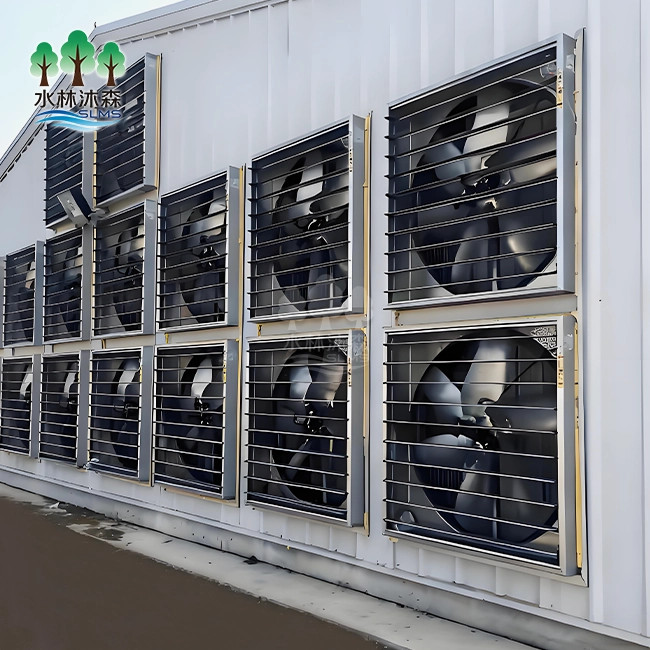
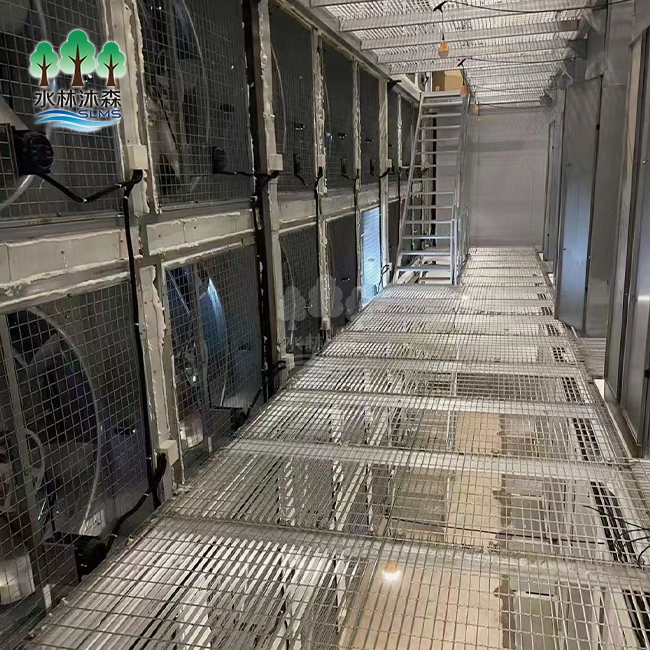
When compared to exhaust fans that are always on, ventilation windows save a lot of energy. This is especially true in mild weather when natural air flow helps mechanical systems work better. When buildings use automatic controls that adjust window settings based on real-time weather conditions, the energy savings are more noticeable.
Directional airflow patterns made by properly built windows with internal deflectors help spread heat more evenly. These systems keep birds from coming into direct touch with cold air and make sure that air flows well throughout the building.
Return on Investment Analysis
Depending on the features and amount of automation, the initial cost of a good Poultry House Ventilation Window device is usually between $150 and $300 per unit. The investment pays off because less energy is used, feed is converted more efficiently, and fewer animals die during harsh weather events. Compared to air systems with only fans, these systems can save up to 30 to 40 percent of energy. Better weather control can also lower the cost of medications and help people gain 5 to 10 percent of their body weight every day in well-run operations.
Integration With Existing Systems
Modern ventilation windows work with tunnel ventilation systems to help control the flow of air during times of the year when the tunnel isn't needed in its full capacity. This adaptability lowers energy costs and keeps the world in good shape during different production rounds. Because it works with current climate control systems, system upgrades can be made over time without having to completely redo the building. This makes adoption possible for businesses with small capital funds.
Conclusion
To choose the best Poultry House Ventilation Window, you have to weigh the needs of your building against the performance requirements, fitting requirements, and long-term operating costs. Quality air systems pay for themselves by improving the health of the birds, cutting down on energy use, and making production more efficient. Modern ABS construction with built-in deflectors and automatic controls makes it reliable and able to handle the rough conditions that are common in industrial poultry businesses.
FAQ
Q1: What size ventilation windows do I need for my broiler house?
A: Figure out how many CFM are needed by multiplying the highest bird capacity by 4-5 CFM per bird in hot weather. Then, divide the result by 500–800 CFM per window to find the amount that is needed. Standard 560mm x 270mm windows with a size of 0.11 to 0.13 m² work well for most business uses.
Q2: How do I prevent condensation on ventilation windows?
A: Make sure that the insulation is installed correctly and that the seals around the window frames are still good. Most condensation happens when thermal bridging or air leaks lets cold air touch warm objects. Most dampness problems can be avoided by having a professional install the system and using good closing materials.
Q3: Can automated ventilation windows replace exhaust fans completely?
A: In most business settings, automated windows can help exhaust fans, but they can't replace them. Fans create the negative pressure needed for tunnel ventilation in hot weather, while windows let you precisely control how much air comes in. The mixture makes the best use of energy in all kinds of situations.
Partner With Shuilin Musen Aquaculture Equipment Co., Ltd. for Superior Poultry Ventilation Solutions
You can trust Shuilin Musen Aquaculture Equipment Co., Ltd. to make high-quality Poultry House Ventilation Window. They have eight years of experience making equipment for farms and animals. Our all-around method blends cutting-edge research and development with strict quality control to make sure that every window system meets the strict needs of modern broiler operations.
Our team of five professional engineers creates solutions that are specifically designed to meet your business needs. The high-strength galvanized steel and 304 stainless steel used in our building ensures that these solutions will last a very long time. Cost and efficiency benefits include worker cost cuts of more than 40% compared to traditional farming methods, and our energy-optimized designs offer higher utilization rates through smart engineering. You can email our technology experts at wangshuaislms@gmail.com to talk about your airflow needs and get specific advice for running your broiler.
References
1. Czarick, M., & Fairchild, B. (2019). Poultry House Ventilation: Minimum Ventilation Guidelines. University of Georgia Cooperative Extension Service.
2. National Chicken Council. (2020). Best Management Practices for Broiler Production Environments. Poultry Science Association Annual Review.
3. American Society of Agricultural and Biological Engineers. (2018). ASABE Standards: Ventilation Systems for Livestock Housing. Technical Publication EP270.5.
4. Simmons, J.D., Lott, B.D., & May, J.D. (2017). Air Quality and Ventilation Measurement in Poultry Houses. Applied Engineering in Agriculture, 33(4), 511-520.
5. Purswell, J.L., & Gates, R.S. (2019). Seasonal Ventilation Management for Commercial Broiler Production. Transactions of the ASABE, 62(3), 645-654.
6. Donald, J.O., & Lacy, M.P. (2021). Commercial Poultry Ventilation: Design Principles and Performance Optimization. Poultry Engineering Systems Quarterly, 15(2), 89-103.
Learn about our latest products and discounts through SMS or email