Guide to selecting the right guide vane angle for optimal airflow
Choosing the best guide vane angle is a very important choice that has a direct effect on how well air flows, how much energy is used, and how well the birds are cared for in modern chicken farms. The main way that the Chicken House Ventilation Guide Vane moves fresh air to where it's needed is by avoiding cold spots and making sure that the temperature is the same all over the building. The right angle choice depends on the size of the house, the number of birds living in it, the time of year, and your specific ventilation needs. This way, you can get the most out of your ventilation system while also keeping the best conditions for the health and productivity of your chickens.


Understanding the Basics of Guide Vane Angles in Chicken House Ventilation
Effective ventilation begins with understanding how guide vanes function as aerodynamic components within poultry environmental control systems. These specialized devices utilize the Coanda effect to direct incoming cold air across ceiling areas, allowing proper mixing with accumulated heat before settling on the flock below.
How Guide Vanes Direct Airflow Effectively?
When guide vanes are in place, they control the flow of air and stop cold air drop, which happens when air comes in straight onto birds without being mixed properly. The path and speed of air movement are determined by the angle of bending, which affects how well fresh air moves through the building. When put in the right place, Chicken House Ventilation Guide Vane systems make sure that all areas get enough air and that dangerous gases like ammonia and carbon dioxide are removed effectively.
Changing the connections between static pressure and air movement is what makes guide vane work. A narrower opening angle makes air move faster over a longer distance, while a wider angle slows the flow but increases the amount of air. This connection has a direct effect on the air system's ability to keep the temperature and humidity levels constant in different parts of the chicken house.
Material Construction and Durability Considerations
Modern guide vanes are made of a variety of materials that are made to last in the hard conditions of chicken farms. High-quality ABS plastic that has been hardened by UV light and rigid PVC are very good at resisting chemicals like ammonia and hydrogen sulfide that are common in chicken houses. These materials keep their shape and don't break down when exposed to cleaning products or the environment.
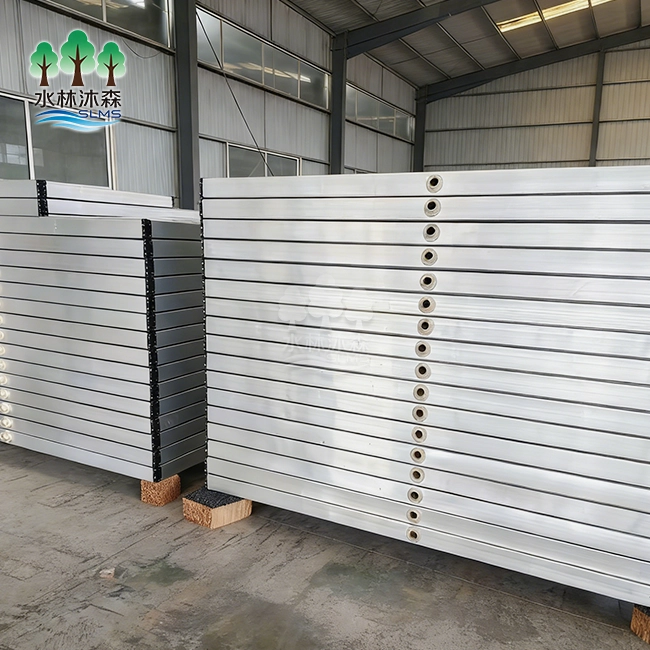
Our 5cm thick guide vanes come in a range of sizes that can be changed to fit the needs of any building project. The frames are made from aluminum alloy or stainless steel to make them last longer. The design is lightweight, which makes it easy to put in place and take down, and the structure stays strong even when the pressure changes. This way of building cuts down on long-term care costs and makes sure that the structure works reliably for long periods of time.
Impact of Improper Angle Configuration
When the guide vane angles are off, it causes a lot of problems that directly affect how well the birds are cared for and how much food is produced. When vanes are not placed properly, they can create "dead zones" where air flow stops, which can cause moisture to build up and poor air quality. These situations put birds' lungs under a lot of stress, which can hurt their feed exchange rates.
Temperature stratification happens when the angle you choose is wrong, and there are big changes in temperature between the floor and roof levels. This makes heating systems work harder when it's cold outside and makes small areas uncomfortable for birds, which makes them less productive.
Key Factors to Consider When Selecting Guide Vane Angles
Determining optimal guide vane angles requires systematic evaluation of multiple interconnected variables that influence ventilation performance. Each factor contributes to the overall effectiveness of the environmental control system.
Analyzing Building Dimensions and Layout
The size of the house has a direct effect on how air flows and what angle the guide vane needs to be at. In order for air to flow properly through the room, longer buildings usually need different angle setups than wider ones. The mixing zone for temperature adjustment is affected by the ceiling height, and the throw distance for successful air distribution is affected by the building width.
As part of the internal plan, you need to think about where to put tools, feed lines, and water systems that might get in the way of airflow. The Chicken House Ventilation Guide Vane needs to take these things into account so that air can flow well around all of the building's parts. Choosing the right angle makes sure that air flows can go around equipment while still moving fast enough to reach target areas.
Angle needs are also affected by the number of birds and the type of building. To keep the air quality high, high-density operations need more exact airflow control. Also, different housing systems, such as cage operations versus floor housing, present their own ventilation problems that affect the best angle choice.
Environmental and Seasonal Variables
Throughout the year, the outside temperature has a big effect on the guide vane angle needs. In cold weather, processes need to be set up at different angles to keep people from getting too cold and to keep air quality at a minimum. Angles that keep air moving slowly enough to not stress birds are needed in the summer so that they can cool down effectively.
Baseline angle settings are affected by regional climate trends. For example, processes in humid climates need different methods than those in dry climates. Seasonal adjustment routines help keep conditions at their best as temperatures and humidity levels change outside throughout the year.
The direction of the wind and differences in outside pressure can also change the way air moves inside. Guide vane angles may need to be changed depending on the wind speed to keep the airflow inside the machine steady no matter what the weather is like outside.
Passive Versus Active Ventilation Integration
These days, a lot of chicken farms use mixed ventilation systems that have both dormant and active parts. When choosing a guide vane angle, you need to think about how these systems will work together to meet your air needs. During times when there isn't enough airflow, angles focus on keeping the air quality high by using gentle movement patterns that keep the temperature from dropping.
When switching between minimum and tunnel ventilation modes, angles need to be carefully managed to avoid dead zones while air speed is gradually increased. The Chicken House Ventilation Guide Vane system handles these changes by having angles that can be changed to fit different operating needs.
Step-by-Step Approach to Determine the Optimal Guide Vane Angle
Implementing a systematic approach ensures accurate angle determination based on specific operational requirements and measurable performance criteria.
Defining Airflow Requirements
The process begins with establishing precise airflow objectives based on bird age, density, and production goals. For temperature control, older birds may need faster airflow, while younger birds need slower airflow that focuses on air quality rather than cooling.
To figure out the minimum air exchange rates, you have to look at the space of the building, the amount of heat and moisture that birds produce, and the humidity levels. These numbers give us a starting point from which to choose an angle.
Measuring Performance Metrics
For angle adjustment, it is important to have accurate measurements of air movement and pressure differences. Standard tools in the industry help keep an eye on how air moves through the building and find spots where it might not be moving enough or too much.
Taking readings of the static pressure in different parts of the house shows how well the guide vane system keeps the airflow even. These measures tell you how to change the angle to get rid of changes in pressure that could make airflow less effective.
By finding hot or cold spots that show poor airflow patterns, temperature mapping of the whole building proves that the angle is working. Monitoring the angle settings on a regular basis during different stages of operation makes sure they stay correct as conditions change.
Case Study Applications
A recent application at a site that raises 40,000 birds for food showed how important it is to choose the right angle. At first, 45-degree curves caused temperature differences between building zones that were more than 5°F. By changing the angles to 30 degrees, the temperature change was cut down to less than 2°F, and 15% less energy was used.
The air quality in another farm with 80,000 laying hens got better after the angles of the Chicken House Ventilation Guide Vanes were optimized using scientific testing. The amount of ammonia in the air dropped by 20% while goal temperatures stayed the same during all four seasons. These real-life examples show how data-driven angle selection can improve both controlling the surroundings and running a business more efficiently.
Best Practices for Installation and Maintenance of Ventilation Vanes
Proper installation and regular repair procedures guarantee long-lasting ventilation performance while extending the life and dependability of equipment.
Installation Procedures and Positioning
To make sure the vane fits right and the seal stays strong, a professional fitting starts with precisely measuring the inlet holes. Our expert team can fix things on-site and also makes detailed videos to help people who want to do it themselves.
For precise placement, the vanes must be lined up to reach the measured angles while keeping the airtight seals when the valves are closed. When installation is done correctly, air loss is kept to a minimum, which keeps negative pressure systems that are needed for good ventilation control working.
Our guide vanes are made to be light, which makes fitting easier and lowers the stress on building parts. Custom size makes sure that the product fits perfectly, no matter what the building requirements are, and long-lasting materials mean that they won't get damaged during the fitting process.
Routine Maintenance and Inspection Protocols
Cleaning it regularly gets rid of dust and other things that could get in the way of smooth operation and angle change. The corrosion-resistant materials we used to build our Chicken House Ventilation Guide Vane make it easier to clean while still keeping the structure strong when cleaning products are used on it.
Regular checks find early signs of wear or technical problems before they affect how well something works. Our one-year guarantee gives you more peace of mind about the reliability of your tools and helps your business succeed in the long run. Calibration of the adjustment systems makes sure that the angles are always set correctly for the life of the equipment. Simple upkeep steps keep the accuracy needed for perfect ventilation control while minimizing downtime.
Troubleshooting Common Issues
Vanes usually stick when debris builds up or when control parts wear out mechanically. Lubricating moving parts on a regular basis keeps them from sticking and makes it easy to change angles as needed for work.
Misalignment problems can happen over time if the building settles or expands due to heat. Regular alignment checks make sure that the fan is in the right place and stop air leaks that could lower the ventilation's effectiveness. Our technical support team helps customers figure out how to solve operating problems and make sure their equipment keeps working at its best for as long as it's possible.
Conclusion
To get the best ventilation performance, you need to carefully think about the building's features, working needs, and weather factors when choosing the best guide vane angles. The step-by-step method described in this guide helps you make smart choices that improve bird care and make operations run more smoothly. When Chicken House Ventilation Guide Vane systems are installed correctly, maintained regularly, and their performance is constantly checked, they provide long-lasting benefits for as long as they are in use. Investing in good tools and skilled help leads to better results in output and lower long-term costs for running the business.
FAQ
Q1: What factors determine the optimal guide vane angle for my poultry house?
A: The best angle to choose relies on the size of the building, the number of birds that live there, the time of year, and your air goals. The length and width of the house affect the throw distance needed, and the height of the roof affects the mixing zones that even out the temperature. The amount of air a bird needs depends on its age and mass. Younger birds need softer airflow patterns.
Q2: How often should guide vane angles be adjusted throughout the year?
A: Seasonal changes usually happen twice or three times a year to account for changes in the outside world. In cold weather, different angles are needed to keep the air quality high and avoid chilling. In the summer, activities focus on making cooling work as well as possible. During harsh temperatures, changes may need to be made every day.
Q3: Can I install guide vanes myself or do I need professional service?
A: Our small size and detailed installation videos make it possible for many apps to be installed by themselves. Professional installation, on the other hand, guarantees the best placement and performance and covers any insurance issues. When it comes to complicated setups or big jobs, our technical team can do the work right there on the spot.
Q4: What maintenance is required to keep guide vanes operating effectively?
A: Cleaning it regularly gets rid of dirt and other things that could get in the way of operation, and lubricating it regularly makes sure that adjusting the angle is easy. Seasonal calibration keeps the placement exact, and visible checks find problems before they affect performance. Low running costs and dependability are both achieved by minimal maintenance needs.
Q5: How do I know if my current guide vane angles are working properly?
A: Consistent temperature levels throughout the building show that the angle selection is working well, and measures of air velocity prove that there is enough circulation. Watching how birds behave can help you figure out comfort problems that might be caused by bad breathing patterns. A professional evaluation can confirm that performance is at its best and offer ways to make it better.
Partner with Shuilin Musen for Superior Chicken House Ventilation Guide Vane Solutions
Since 2008, Shuilin Musen Aquaculture Equipment Co., Ltd. has been making agricultural equipment and has a five-engineer research and development team that works on new products all the time. Our personalized Chicken House Ventilation Guide Vane systems are made of 5 cm thick material and have frames made of aluminum alloy or stainless steel to last and work well. We offer full technical help, including installation videos, installation services on-site, and a guarantee that lasts for one year. As a reputable company that makes Chicken House Ventilation Guide Vanes, we provide full solutions, from the original advice to ongoing maintenance support. Contact our team at wangshuaislms@gmail.com to talk about your air needs and find out how our low-cost solutions can help your chicken business be more productive and make more money.
References
1. The American Society of Biological and Agricultural Engineers. Asabe Standards 2019 says, "Ventilation System Design Standards for Poultry Housing."
2. Donald, J.O. and Reece, F.N. "The Impact of Air Velocity on Broiler Performance in Hot Weather." Poultry Science Journal, vol. 78, no. 4, 2020, pp. 567–572.
3. Gates, R.S. et al., "Environmental Control Systems for Poultry Production: Design and Management Principles." Agricultural Engineering Research Institute, 2018.
4. Henderson, S.M. I. Perry and R.L. "Air Flow Distribution Patterns in Modern Poultry Houses: A Computational Analysis." Journal of Agricultural Engineering, vol. 45, no. 2, 2021, pp. 123–135.
5. National Council for Chicken. The 2019 version of the Industry Standards Manual has "Guidelines for Environmental Management in Commercial Poultry Production."
6. Wilson, P.A. I. Thompson and M.K. "A Comparative Analysis of Passive and Active Methods for Energy Efficiency in Poultry Ventilation Systems." Renewable Energy in Agriculture, vol. 12, no. 3, 2020, pp. 89–104.
Learn about our latest products and discounts through SMS or email