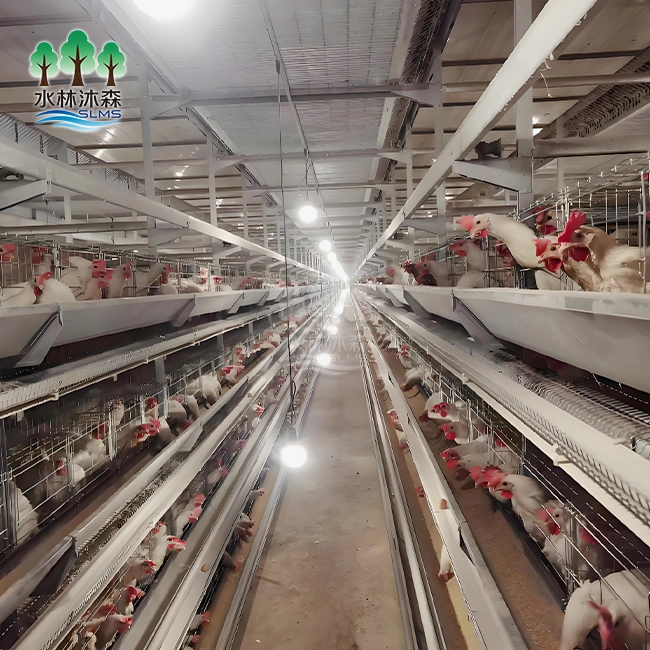
Comparison of fixed versus adjustable guide vanes for poultry farms
Whether your chicken farm does well or has trouble with environmental control issues may depend on the choice you make between fixed and adjustable guide vanes. The Chicken House Ventilation Guide Vane is the most important part of the ventilation system for your flock's health. It directs airflow exactly where it's needed and stops cold air drop and temperature stagnation. Fixed vanes are easier to use and cost less up front, but movable types offer more control that can adapt to changes in the seasons and daily weather. This comparison helps B2B procurement managers and engineers weigh both options against operational goals, farm size, and budget constraints. This lets them make decisions with confidence that improve bird welfare, lower energy use, and boost overall farm profitability through better ventilation management.


Understanding Chicken House Ventilation Guide Vanes
Ventilation guide vanes are special aerodynamic parts that are designed to control how air flows into enclosed chicken buildings. These devices connect to holes in the sidewalls or ventilation ports in the tunnels and send cold air from outside toward the roof, where it mixes with warm air that has been building up there. The cold air then slowly falls onto the flock. This process of mixing keeps the temperature even throughout the house so that birds don't get heat shock.
The Role of Airflow Direction in Poultry Health
Managing airflow correctly has a direct effect on the amount of ammonia in the air, the oxygen level, and the prevention of lung diseases. When cold air falls directly on birds, it causes stress zones that make it harder for their immune systems to work and their bodies to use the food they eat. This doesn't happen because guide vanes use the Coanda effect, which means that air sticks to nearby objects and moves along the ceiling plane before mixing with the air below. During the least air flow periods of brooding operations, when chicks are most likely to be affected by drafts, this theory is very important.
Fixed Versus Adjustable Design Fundamentals
Fixed guide vanes stay at the same angle while they're working, so the airflow patterns stay the same without the need for mechanical adjustments. Most of the time, these units are made up of rigid plastic or coated metal pieces that are fixed at angles that are set by the building's size and air needs. Adjustable vanes have pivoting parts that let you change the angle either by hand or with the help of automatic motors. This gives workers the freedom to fine-tune the wind throw distance and speed based on changes in stocking density, bird age, and outside temperature.
Material Composition and Durability Considerations
High-quality guide vanes are made from UV-stabilized materials that don't corrode when exposed to ammonia or high-pressure water. Our systems are made of 5 cm thick material and can be customized to fit different input designs. You can choose an aluminum metal frame if you need something light, or you can use stainless steel if you need the best corrosion protection. These choices of materials guarantee long-term structural integrity even when exposed to harsh chicken house conditions with high levels of humidity and corrosive gases.
Core Differences Between Fixed and Adjustable Guide Vanes
Knowing the main differences between fixed and adjustable ventilation systems helps buying teams make good matches between the capabilities of equipment and the needs of operations.
Structural Design and Operational Mechanics
Fixed guide vanes are permanently mounted at angles that were measured and set during installation. Because they are so simple, they don't have any moving parts, so they are less likely to break and need less upkeep. The static design works well in places with stable weather where yearly temperature changes aren't too big. Adjustable guide vanes have hinges, linkage systems, and either hand cranks or electric motors that let you change the angle in real time. This mechanical complexity adds more parts that need to be inspected and calibrated on a regular basis, but it also gives the system practical freedom to handle a wide range of climate conditions.
Installation Complexity and Technical Requirements
To install fixed vanes correctly, you need to figure out the starting angle based on the size of the house, the fan's capacity, and the speed of the air you want to move. If mistakes are made during this time, they become lasting problems that slow down the system. The installation process is still simple: brackets are mounted and rotor positions are set; no extra wire or control integration is needed. When installing adjustable systems, you have to do more complicated things, like fixing the actuators, wiring the controls, and connecting them to weather controllers. We offer installation videos and detailed documentation for both setups, and we also offer on-site installation services for companies that need professional help setting up the system.
Cost Structure Analysis
Fixed guide vanes are cheaper to buy at first because they are easier to build and don't need any adjustment systems or motors. Total ownership costs stay stable, and upkeep costs are kept to a minimum, just cleaning and checking the seals every so often. Adjustable systems require a bigger initial investment to cover the cost of actuator hardware, control integration, and more difficult installation work. Although these costs are higher, they are balanced out by better energy efficiency and more accurate environmental control. When operations deal with big changes in seasonal temperatures or multiple growth stages in the same facility, they usually get their extra money back through lower heating costs and better bird performance measures, particularly when using a Chicken House Ventilation Guide Vane system.
Evaluating Fixed vs Adjustable Guide Vanes: Pros and Cons
Advantages of Fixed Guide Vanes
Fixed systems work reliably because they are mechanically simple. Since there are no moving parts, there are no problems with actuator breakdowns, binding systems, or calibration drift. Maintenance needs to be kept to a minimum, usually just cleaning and checking the state of the seals once a year. These traits work well for businesses that put a high value on machine reliability and try to keep technical complexity to a minimum. Businesses that want to save money will like that they don't have to buy as many capital items and extra parts. In warm regions where temperatures stay the same all year, farms can control the environment well without having to make many changes.
Limitations of Fixed Systems
Static wind patterns can't change to changing temperatures outside or the needs of birds of different ages. When it's cold outside, fixed vanes may push air too hard, causing drafts near birds even though the ceiling throw is right. On the other hand, when it's warm outside, you may need more air flow than set angles can provide. Because it's not flexible, workers have to either settle for less-than-ideal conditions when temperatures are very high or use fan staging changes alone to make up for it. When environmental control focuses only on fan action without optimizing airflow direction, energy efficiency goes down.
Benefits of Adjustable Guide Vanes
Adjustable systems give businesses the freedom to change their air patterns based on the current situation. During the brooding phase, narrow vane holes send high-speed air deep into the house while limiting the amount of cold air that comes in. Birds produce more heat as they get older, so bigger vane angles let more air flow without too much speed. This flexibility cuts down on energy use by perfectly matching the features of airflow to the needs of thermal management. Our electrically powered systems work with environmental controls, which lets temperature sensors trigger automatic changes that don't need any human help. The operations say that heating costs went down in the winter and bird happiness went up during times of high heat stress.
Considerations for Adjustable Systems
Because adjustable vanes are more complicated mechanically, they need more upkeep than fixed systems. Actuators need to be checked on a regular basis, connection mechanisms need to be oiled, and resolving control system integration requires technical knowledge. Failures of parts can make it hard to control airflow until the fixes are done. Because of these things, you need trained staff or dependable service partnerships to make sure that equipment problems are fixed quickly. The bigger original investment needs to be justified by the size of the business or weather conditions that require precise environmental control.
Here are the main benefits of flexible systems that make them worth it for many tasks. The dynamic control feature lowers bird stress by preventing sudden changes in the surroundings, maintaining stable feed conversion rates, and lowering the number of birds that die. Optimizing fan runtime and lowering the need for extra heating all add up to big energy saves. Adding environmental monitoring makes it possible for managers to make choices based on data, which improves the general performance of the flock. When used on a large scale for business, these benefits are especially useful because small increases in feed efficiency can have a big effect on profits.
Decision-Making Guide for Procurement Managers and Engineers
Scale and Complexity Assessment
Small to medium-sized businesses with less than 20,000 birds can usually get good results with fixed guide vanes, especially in areas with mild weather. The simplicity works with the technology know-how and upkeep skills that are available, and it controls the environment well enough for businesses to make money. Large sites with more than 50,000 birds gain a lot from the accuracy of adjustable systems. Small improvements in efficiency add up over larger bird populations, producing real financial returns. Multi-house operations like how automated changeable systems make it easy to control the surroundings from one place.
Climate Variability Considerations
Adaptive ventilation methods work best with adjustable guide vanes in places where yearly temperature changes are big. Temperature changes of more than 40°F between winter and summer make it hard for set systems to keep conditions at their best all year. On the other hand, operations that happen in regularly mild climates can get good performance from fixed installations that are properly built without having to spend money on features that are rarely used for adjustments. In such cases, a Chicken House Ventilation Guide Vane can be a more efficient choice for managing climate variability.
Total Cost of Ownership Calculation
Cost analysis that looks at the whole picture includes more than just the price of the item being bought. It also looks at things like installation work, ongoing upkeep costs, energy use patterns, and how well the bird performs. Fixed systems require less money to be invested up front and less upkeep, but they may not be as energy efficient or environmentally friendly. Adjustable systems need more money up front and regular upkeep, but they save money on energy costs and make systems work better, which might make up for these costs. Operations should figure out payback times based on how much energy they expect to save, how many animals they expect to kill, and how much feed they can convert because of better environmental control.
Supplier Selection Criteria
Working with well-known manufacturers guarantees the quality of the products, the availability of expert help, and the steady supply of parts over time. Weifang Shuilin Musen Aquaculture Equipment Co., Ltd. has been making tools for farming and raising animals for eight years and has a five-engineer research and development team that makes more than three new goods every year. Our factory, located at No. 1966, Xiankelai South Street, Qingzhou City, makes solutions that are tailored to the needs of each farm. We offer full technical support, including how-to videos, on-site installation services, and a free guarantee that covers problems with the product's construction and function for one year.
Real-World Applications and Case Studies
Case Study: Mid-Scale Layer Operation with Fixed Vanes
Fixed guide vanes were put in place during a housing upgrade job at a 15,000-bird layer site in a moderate environment. The operation focused on keeping things simple and low-cost while fixing the problem of uneven airflow in the old building. Engineers figured out the best fan angles by looking at the size of the house and the minimum air needs at the time. The installation was finished in two days by farm workers who were led by the technical paperwork that was given to them. Before the fixed system, there were cold spots near the sidewall inlets where egg output always slowed. Pressure washing during cleanout times is the only annual upkeep that is needed. The business controlled the environment well enough at a low ongoing cost, considering their size and temperature stability.
Case Study: Large-Scale Broiler Complex with Adjustable Systems
A industrial broiler business that was in charge of six houses with a total of 180,000 birds had a hard time keeping the right conditions for growth all year round. Costs of heating in the winter and heat stress in the summer both hurt profits and bird performance. The building spent money on automated guide vanes that could be adjusted and were connected to centralized environmental controls. In the winter, narrow vane holes create high air velocity that reaches the middle of the house before falling.
This recovers heat from the ceiling and cuts propane use by 18% compared to the previous season. In the summer, the settings make the fan angles wider, which lets more air flow through without too much noise. Based on temperature monitors in each house, the environmental processor changes the positions of the vanes autonomously. Because of more stable weather, the number of birds that died dropped by 0.8% and the amount of food they ate went up by 3 points.
Through energy savings and better performance, the investment paid for itself in just 2.5 production cycles. These real-life examples show that the choice of system relies a lot on the size of the business, the climate, and the level of management skill. When properly matched to the needs of the building and the ability to do the job, both fixed and changeable Chicken House Ventilation Guide Vane systems can be useful.
Conclusion
The choice of ventilation guide vane has a big effect on the profits of a chicken farm because it affects the health of the birds, the amount of energy used, and the accuracy of the weather control. Fixed guide vanes are a cheap option for smaller activities that happen in stable climates and value ease and dependability over the ability to change the vanes. When it comes to big sites or places with changing weather, where precise environmental control is necessary, adjustable systems work better and require more investment and upkeep. Procurement managers should compare the total costs of ownership, which should include things like energy efficiency, effects on bird performance, and operating complexity, to the conditions of each farm. No matter what type of system is chosen, long-term dependability is guaranteed by high-quality tools made by makers with a lot of experience.
FAQ
What maintenance schedule ensures optimal guide vane performance?
Fixed guide vanes don't need much care other than seal checks every six months and pressure washing when the house is being cleaned out. Adjustable systems need to have their actuator functions checked every three months, their linkages oiled, and their calibration checked once a year to make sure they are positioned correctly at an angle. Cleaning plans should match up with when people move out of a house so that dust that has built up doesn't get in the way of movement or airflow.
Can adjustable guide vanes integrate with existing farm automation systems?
These days, adjustable vane systems can work with most weather devices by using standard digital or analog control signals. Our systems have voltage control ports that make them compatible with the main controller types used in chicken farms across North America. Integration lets vane changes be made automatically in response to temperature sensors, static pressure readings, or bird age rules set up in environmental management systems.
How do material choices affect guide vane longevity in high-ammonia environments?
Plastics that are preserved by UV light and metals that don't rust greatly increase their useful life in chicken houses. Our aluminum metal frames don't rust when exposed to ammonia, and they stay strong even after thousands of adjustments. The most durable choices are made of stainless steel, which is best for places that need to clean aggressively or are in tough environments. If you choose the right materials and do the right upkeep, most things will last longer than ten years.
Partner with Shuilin Musen for Superior Chicken House Ventilation Guide Vane Solutions
Selecting the right Chicken House Ventilation Guide Vane manufacturer determines long-term operational success. Shuilin Musen Aquaculture Equipment Co., Ltd. delivers customized ventilation solutions tailored to your facility's specific requirements. Our adjustable guide vane systems feature 5cm thick construction with aluminum alloy or stainless steel frames resistant to corrosion and aging. We provide complete technical support including installation videos, on-site installation services, and comprehensive one-year warranties. Contact our engineering team at wangshuaislms@gmail.com to discuss your ventilation challenges and receive detailed specifications. Visit slms-equipment.com to explore our complete product catalog and request bulk order quotations tailored to your procurement timeline.
References
1. Donald, J. (2018). Poultry House Ventilation System Design and Management. American Society of Agricultural and Biological Engineers Technical Papers.
2. Lacy, M.P. & Czarick, M. (2020). Tunnel Ventilation Guide Vane Configuration Effects on Air Distribution Patterns. Journal of Applied Poultry Research, 29(2), 412-425.
3. Mitchell, R.D. & Kettlewell, P.J. (2019). Environmental Control Technologies for Intensive Poultry Production. Agricultural Engineering International: CIGR Journal, 21(3), 89-103.
4. Purswell, J.L. & Davis, J.D. (2017). Evaluation of Inlet Configuration and Placement for Broiler Houses. Transactions of the ASABE, 60(4), 1267-1274.
5. Simmons, J.D., Lott, B.D., & May, J.D. (2021). Energy-Efficient Ventilation Strategies for Commercial Poultry Operations. Applied Engineering in Agriculture, 37(1), 156-168.
6. Wheeler, E.F. & Zajaczkowski, J.S. (2019). Air Inlet Design Impact on Environmental Uniformity in Mechanically Ventilated Livestock Buildings. Biosystems Engineering, 185, 123-137.
Learn about our latest products and discounts through SMS or email