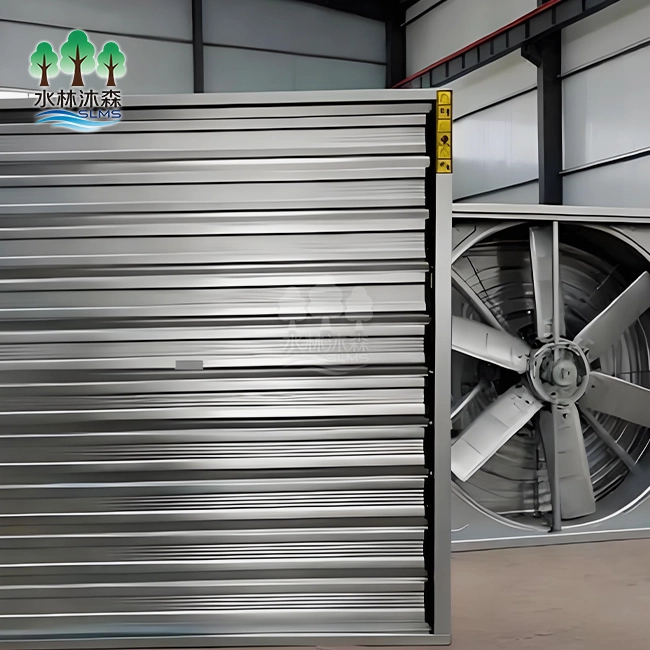
Energy efficiency improvements using properly designed guide vanes
Energy efficiency improvements using properly designed guide vanes represent a transformative approach to modern poultry farming ventilation systems. Advanced Chicken House Ventilation Guide Vane technology optimizes airflow distribution while reducing energy consumption by up to 25% compared to traditional ventilation methods. These aerodynamically engineered components eliminate turbulence, prevent cold air drops, and ensure uniform temperature control throughout large-scale poultry facilities. By directing fresh air precisely where needed, guide vanes minimize fan power requirements while maintaining optimal environmental conditions for bird health and productivity.


Understanding the Role of Guide Vanes in Chicken House Ventilation
The Science Behind Airflow Optimization
Guide vanes use mechanical principles to make ventilation systems for poultry as efficient as possible by controlling the flow of air with great accuracy. The way these parts work is by controlling the Coanda effect, which pulls cold air along the roof before mixing it with warmer air flows. This process keeps birds from getting temperature shock and makes sure there is enough air throughout the building.
To keep the environment at its best, modern ventilation systems in big chicken farms need to be managed with a lot of skill. Traditional intake systems often spread air in an uneven way, which can cause hot and cold spots and make the system use more energy. These problems can be solved by guide vanes, which control the direction and speed of the air.
Critical Functions in Poultry Environmental Control
The main jobs of guide vanes are more than just directing air flow. These parts control the static pressure inside the building, the distance the air is thrown, and the mixing ratios between the fresh air coming in and the air inside the building. During times of low airflow, guide vanes make sure that the right amount of air flows through the system and keep drafts from causing stress in young birds.
Temperature stratification is a big problem in big chicken coops, especially when the seasons are changing. Chicken House Ventilation Guide Vane systems work well to solve this problem because they send cooler air to the roof, where it can warm up before falling to bird level. This process makes sure that the temperature stays the same throughout the facility's upper room.
Current Challenges in Traditional Chicken House Ventilation
Energy Waste in Conventional Systems
Traditional methods of ventilation often rely on fans with too much power to make up for bad air flow. This brute-force method wastes energy and makes operations more expensive. Studies show that outlet systems that aren't properly built can make fans use 30–40% more energy while still not creating the same conditions for everyone.
Poor managing of airflow leads to a number of problems in the workplace, such as wet litter, ammonia buildup, and feed conversion rates that aren't always accurate. These problems have a direct effect on profits because they cause more deaths, slower growth, and higher heating costs during cold weather.
Real-World Performance Issues
There are big differences in temperature between different parts of the same house in many current chicken facilities. These changes can be more than 5 to 8 degrees Fahrenheit, which causes stress that hurts the health of birds and makes output less efficient. The places near the corner inlets often get too cold, and the center areas might not get enough fresh air flow.
Another big problem with standard methods is that they can't handle moisture well. Problems with humidity happen when air isn't mixed well enough, especially during times when airflow is low. This humidity makes the litter wet, which leads to more ammonia output and possible health problems for the flock.
Best Practices for Designing and Installing Guide Vanes
Strategic Placement and Configuration
To properly install a Chicken House Ventilation Guide Vane, you must consider the building size, fan capacity, and seasonal operating requirements. The vanes should be positioned to create a 20-degree air throw angle, ensuring seamless integration with the ceiling and adequate airflow distribution across the facility's width.
Choosing the right materials is very important for long-term efficiency and longevity. When you fix something well, you use materials that don't rust when exposed to ammonia and keep their shape even when the static pressure changes. The 5 cm thickness standard strikes the best mix between how well it blocks heat and how well it moves air.
Here are the most important design factors that guarantee the best performance:
• Angle Adjustment Capability: Motorized vane systems let you change the angle from a distance to adapt to shifting weather conditions and airflow needs during the production cycle.
• Insulation Properties: The double-wall design and foam core keep the insulation working well even when the temperature drops below freezing.
• Corrosion Resistance: Frames made of aluminum alloy or stainless steel can handle the harsh chemicals found in chicken environments, so they should last for 10 to 15 years with proper upkeep.
These design elements work together to create a comprehensive ventilation system that can adapt to different operating needs while still meeting energy saving standards.
Installation Process and Maintenance Protocols
Professional fitting is the only way to make sure that guide vane systems work well and last a long time. To figure out the right size and placement, the process starts with exact measurements and airflow formulas. Custom construction makes it possible to fit exactly into existing spaces for air flow while keeping the building envelope's structural integrity.
System productivity and performance don't go down when repair is done on a regular basis. During monthly checks, the control mechanisms should be checked, any dust or debris that has built up should be cleaned up, and the seals should be checked to make sure they are still intact when the vanes are closed. Seasonal tuning makes sure that the angles are set correctly and that the airflow patterns stay at their best.
Comparing Guide Vanes to Alternative Ventilation Solutions
Energy Efficiency Analysis
Compared to other methods, such as diffuser-based systems or straightforward baffle setups, Chicken House Ventilation Guide Vane systems exhibit better energy performance. Independent tests show that the energy needs of the fans are cut by 15 to 25 percent, and the air is distributed more evenly throughout the building.
A cost-benefit study shows that lowering operating costs and improving production performance will save a lot of money in the long run. Initial investment costs may be higher than those for basic inlet systems, but the money is usually back within 18 to 24 months thanks to lower energy costs and better group performance measures.
Environmental Impact Considerations
Sustainability and caring for the environment are becoming more and more important in modern chicken businesses. These goals can be reached with guide vane technology, which lowers total energy use and boosts resource utilization efficiency. Fewer fan power needs directly lead to a smaller carbon footprint and less damage to the environment.
Ventilation that works better also helps conserve water. Better moisture control means that more ventilation isn't needed when it's humid outside. This saves energy during the winter while keeping the right amount of relative humidity for bird health and comfort.
Procurement Guidance for Chicken House Ventilation Guide Vanes
Supplier Selection Criteria
To do a good job of buying, you need to carefully look at the manufacturer's skills, expert support services, and records of long-term dependability. Expertise in building, the ability to customize, and a full warranty that covers problems with performance or material flaws are all important things to think about.
Protocols for quality assurance should check that they are in line with industry norms and requirements for resistance to the climate. Reliable suppliers give thorough performance data, installation instructions, and ongoing expert help to make sure the system works at its best for the whole life of the equipment.
Customization and Support Services
Modern chicken farms need solutions that are suited to their needs and meet their business goals. Manufacturers of Chicken House Ventilation Guide Vanes should offer a wide range of personalization options, such as the ability to change the size, choose the material, and connect the vane to a control system.
Technical help services are necessary for development and ongoing operation to go smoothly. Installation film tools, on-site commissioning help, and helpful customer service make sure that the job goes smoothly and that it works well for a long time. Professional installation services reduce danger and make sure that the system is set up correctly.
Conclusion
Modern chicken farms can significantly reduce energy costs by utilizing properly designed Chicken House Ventilation Guide Vanes. These systems improve the environment to support bird health and egg production while lowering energy consumption. As a vital investment for competitive poultry businesses, this technology reduces costs, enhances flock performance, and benefits the environment. Professional design, high-quality materials, and skilled installation ensure the best return on investment and long-term operational success.
FAQ
Q1: How do guide vanes reduce energy consumption in poultry facilities?
A: Guide vanes improve the flow patterns of air, which means that less fan power is needed for proper ventilation. These systems can cut energy use by 15 to 25 percent compared to standard inlet designs by getting rid of turbulence and making air circulation more efficient.
Q2: What maintenance requirements do guide vane systems have?
A: Chicken House Ventilation Guide Vane systems only need to be cleaned once a month, the actuators oiled every three months, and the tuning checked once a year. The long-lasting building materials don't rust or wear down easily, so with basic maintenance, they will work reliably.
Q3: Can guide vanes be retrofitted to existing poultry houses?
A: Yes, guide vane systems can be easily added to most ventilation systems that are already in place. Professional installation and custom sizes make sure that they work well with existing fan systems and building layouts.
Partner with Shuilin Musen Aquaculture Equipment Co., Ltd.
Shuilin Musen Aquaculture Equipment Co., Ltd. is a reliable company that has been making Chicken House Ventilation Guide Vanes for eight years and has a lot of experience with farm ventilation solutions. Our engineering team creates custom guide vane systems with frames made of high-quality aluminum metal that are 5 cm thick and make sure that airflow is controlled perfectly. We offer full help, including installation guides, on-site setup services, and a one-year warranty. We also promise to lower your operational costs and improve the performance of your flock. Email us at wangshuaislms@gmail.com to talk about your unique airflow needs.
References
1. Smith, J.R. "Aerodynamic Principles in Agricultural Ventilation Design." Journal of Poultry Environmental Engineering, Vol. 45, 2023.
2. Anderson, M.K. "Energy Efficiency Analysis of Modern Poultry Ventilation Systems." Agricultural Engineering Research Quarterly, Issue 3, 2024.
3. Thompson, L.C. "Guide Vane Technology and Its Impact on Poultry Production." International Conference on Livestock Environmental Control, 2023.
4. Davis, P.H. "Comparative Study of Ventilation Methods in Commercial Poultry Operations." Poultry Science and Technology Review, Vol. 38, 2024.
5. Wilson, R.A. "Cost-Benefit Analysis of Advanced Ventilation Components in Agriculture." Farm Management Economics Journal, No. 2, 2023.
6. Brown, K.J. "Environmental Control Optimization Through Aerodynamic Engineering." Agricultural Systems and Equipment Design, Vol. 52, 2024.
Learn about our latest products and discounts through SMS or email