Top features to look for in a quadruple-deck layer rearing cage
When looking at options for keeping a lot of chickens, picking the right Four-layer Commercial Layer Cage System is very important for getting the most work done and making the most money. These high-tech systems make the best use of space while still protecting bird welfare, which makes them perfect for large-scale egg-laying operations. Modern quadruple-deck layouts have better stocking density (up to 40 kg/m³), built-in automatic features, and strong building elements that make them last for a long time. When procurement teams know what the most important features and specs are, they can make choices that are in line with their business goals and budget.


Understanding the Core Benefits of a Four-Layer Commercial Layer Cage System
Modern methods for housing chickens are changing the way farming is done by making the most of the space available in current facilities. The multiple levels of these setups make great use of room while keeping the conditions perfect for bird health and productivity.
The main benefit is that it optimizes density without hurting bird welfare. When compared to traditional floor systems or lower-tier options, a well-designed Four-layer Commercial Layer Cage System allows workers to house a lot more birds per square meter. This extra ability directly leads to more money coming in and a better return on investment.
Gains in operational efficiency are seen in improved processes and less work that needs to be done. The vertical design makes it easy for staff to get to all levels, and built-in automation systems take care of regular jobs like feeding, watering, and picking up waste. When compared to old ways of farming, these changes can cut the cost of work by over 40%.
The choice of materials is very important for how long a system lasts and how well it works. Premium galvanized steel construction with hot-dip galvanization gives tools great corrosion protection, so it lasts longer than 15 years, even in tough farming settings. This longer lifespan makes the total cost of ownership estimate a lot better.
Structural Integrity and Load Distribution
Modern quadruple-deck systems use advanced engineering concepts to make sure that the structure stays stable when it's fully loaded. The framework has to be strong enough to hold the weight of birds and tools as well as the moving parts of automatic systems and daily tasks. To keep structures from falling apart, high-quality designs use strengthened joints and better load distribution. Specifications for load capacity usually allow for adult laying hens with enough safety gaps. Professional setups take into account the right base needs and weather factors that affect how well the structure works over time.
Integration with Automation Technologies
These days, farming requires housing systems and automatic tools to work together without any problems. The framework of the cage needs to be able to hold food lines, water distribution networks, and systems for getting rid of waste without making it harder to get to or harder to maintain. Automated feeding systems make sure that all levels of the cage get the same amount of food, which improves the performance of the whole group and cuts down on waste. Precision dosing makes the best use of feed conversion ratios while still meeting health standards for birds.
Top Features to Evaluate When Choosing a Quadruple-Deck Layer Rearing Cage
There are a lot of technical and operational factors that affect long-term performance and revenue that need to be carefully thought through when choosing the right tools. Buyers can make better choices that meet their needs when they understand these key features.
Material Quality and Corrosion Resistance
The first step in making a cage system that lasts is choosing the right materials and treating them properly. Premium systems use coated iron wire and frames that are designed to work in farming settings.
When you hot-dip galvanize something, a protective zinc layer is made that is more resistant to rust than other treatments. In this process, steel parts are submerged in liquid zinc, which forms a metallurgical link that greatly increases the life of the equipment. When this happens, the layer is usually thicker than 275g/m², which protects against ammonia and damage caused by water.
Material specifications must detail the tensile strength and wire thickness appropriate for the size and weight of birds housed in a Four-layer Commercial Layer Cage System. Insufficient wire strength can lead to dangerous bending under load, creating safety hazards and maintenance issues. Professional-grade systems utilize precisely calculated wire spacing to ensure structural integrity and prevent bird injury.
How well the frame is built has a direct effect on how stable and long-lasting the system is. To keep working loads from breaking down, welded parts must meet strict quality standards. The right design of joints spreads stress evenly throughout the structure, stopping breakdowns in one area that could threaten the whole system.
Automation Integration Capabilities
Automated systems are essential for modern chicken farms to stay efficient and cut down on labor costs. The design of the cage needs to be able to work with a lot of different robotics technologies without making upkeep or operation harder.
For automated food systems to work, they need to be placed precisely and have safe mounting places all over the cage. To make sure that all birds have the same access to food, feed distribution lines must keep their delivery directions and spacing constant. Good systems come with fixing parts that can be adjusted so that they work just right during installation and operation.
Integrating watering systems means placing nipple drinkers and arranging water lines in a way that keeps animals from getting sick while still allowing them to get to the water they need. The right design of the water system keeps it from spilling and upholds cleanliness standards that are important for the health of the flock.
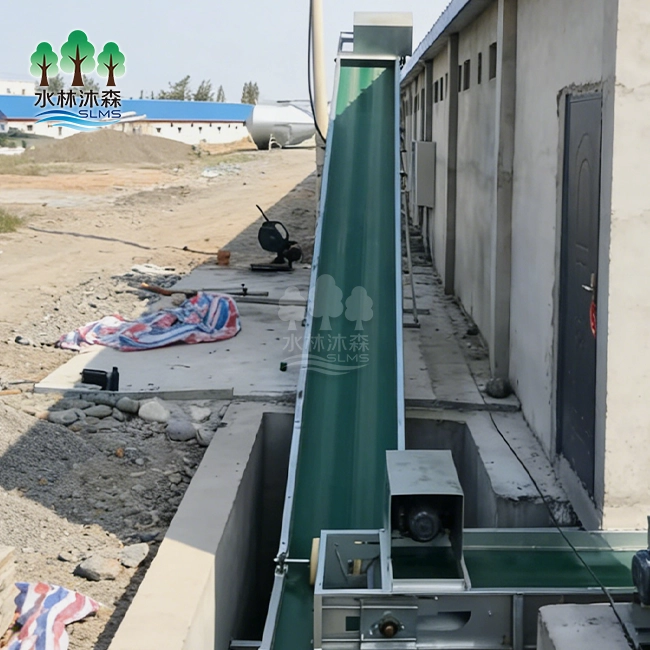
In Four-layer Commercial Layer Cage System designs, automated manure removal offers a major practical benefit. Integrated conveyor belts or scraper systems get rid of the need to move trash by hand and keep the area cleaner. For these systems to work, the basic design of the cage needs to include the right gaps and support structures.
Bird Welfare and Productivity Features
The shape of a bird's cage has a direct effect on its happiness, health, and productivity. The best designs balance how much room is used with the needs of people to make sure that operations run smoothly and regulations are followed.
The size of the cage needs to give each bird enough room while still being structurally sound. Industry standards usually say how much room should be allocated at a minimum, but for maximum output, extra space is often needed. When professional designers set space factors, they take into account differences in bird size and behavior needs.
Ventilation integration makes sure that air flows properly through all floors of the cage. The design of the framework should allow for natural wind patterns and be able to accommodate motorized ventilation systems when they are needed. Poor air flow can cause breathing problems and less work getting done, so this feature is necessary for operations to go smoothly.
Comparing Four-Layer Commercial Layer Cage Systems with Alternatives
What are the pros and cons of the different housing systems? This helps users choose the best option for their needs and circumstances.
Capacity and Space Optimization
Four-layer designs are the best way to maximize volume while still making operations easy. Compared to three-layer options, the extra tier increases the number of homes that can be built by about 33% without increasing the cost of the building in the same way. Higher-level systems with more than four layers often reach "definite diminishing returns" because they get harder to access and cost more to run. The four-layer plan is the best choice for most businesses that want to be as efficient as possible without being too complicated.
Space usage estimates show that systems that aren't based on the floor have big benefits. While properly designed Four-layer Commercial Layer Cage System setups can house 15-20 birds in the same area, traditional floor housing usually fits 7–10 birds per square meter. This huge boost in space efficiency directly leads to more money that can be made from each building.
Operational Efficiency Comparisons
One big difference between living system types is how well they use labor. Four-layer cage systems make it possible to handle food, watering, and checking on the animals' health from one place. When compared to floor systems that take a lot of walking and handling each bird one by one, staff can check on and care for a lot more birds per hour.
With the right box design, collecting eggs is a lot easier and more efficient. Four-layer designs work well with fully or partially automatic collection systems, which cuts down on the time needed to handle and break items. Egg cracking rates below 0.5% are achieved by good systems that use the right slope design and collection methods. Cage systems usually improve feed conversion efficiency because they cut down on waste and make it easier to control portions. So birds can't spread out food or contaminate sources with their waste, feed consumption rates go up in a way that can be measured.
Economic Performance Analysis
An study of investments shows that four-layer systems have strong benefits in most business situations. Even though the starting costs of capital are higher than those of easier options, operational savings and greater production capacity usually pay for themselves in two to three years.
Maintenance costs are still doable with good systems because they are easy to use and built to last. Regular repair needs to focus on automatic system parts rather than structural parts. This makes planning for long-term care easier. When it comes to saving energy, well-designed cage systems that have the right amount of air and are fully automatic are the best bet. If the construction is done right, the general energy use of the building can be lower than if the same work were done on the floor.
How to Procure the Best Quadruple-Deck Layer Cage System for Your Business?
To make sure the best long-term performance and value, it's important to evaluate providers, specs, and support services in a planned way.
Supplier Evaluation and Selection
Reputable makers show uniform quality standards and a wide range of support services that are necessary for setups to go smoothly. Manufacturing knowledge, quality certifications, and customer examples from similar-sized businesses should all be used as evaluation factors.
During the system design and installation stages, technical knowledge is very important. For automated systems, suppliers should offer thorough technical support, the ability to make changes, and help with integrating the systems. Often, the success of an installation depends on how well the installer can change standard plans to fit the needs of the building.
Stable finances and a position in the market are signs that a source can be relied on for ongoing support and warranty fulfillment. For partnerships to last, suppliers must be able to offer replacement parts, expert help, and system updates for as long as the equipment is in use.
Specification Development and Customization
Standard system settings may need to be changed to work with certain facilities or tastes for how they are used. Customization services from professional sellers let you change basic designs to fit your needs without affecting performance or dependability. Stocking density needs change depending on the type of bird, the goal of production, and government rules. Custom designs can find the best cage sizes and space to meet density goals while still meeting welfare standards.
Integration specifications must take into account both the current infrastructure of the building and the planned automation systems. Detailed planning during the procurement phase keeps changes during installation from being too expensive and makes sure the system works smoothly from the start.
Service and Support Considerations
Installation services significantly impact system performance and startup efficiency. Professional construction teams ensure that every component of the Four-layer Commercial Layer Cage System is assembled correctly, aligned, and integrated with automated controls. On-site installation eliminates guesswork, allowing for immediate troubleshooting during the setup process.
Technical support includes videos on how to setup things, instructions, and ongoing help with questions. Throughout the lifecycle of a system, good suppliers give you access to full training tools and direct professional support.
Warranty protection keeps the investment safe and shows that the company behind the product is confident in its quality. Material defects and problems with the work should be covered by standard warranties, and there should be clear terms for how to repair parts and pay for services. Options for longer warranties may be more useful for businesses that don't like taking risks.
Maintaining Your Four-Layer Commercial Layer Cage System for Optimal Performance
Strategies for proactive maintenance extend the life of equipment while reducing downtime and repair costs. Maintenance plans that are well thought out include both regular upkeep and steps to avoid problems.
Routine Inspection and Cleaning Protocols
Routine daily inspections find possible problems before they get worse and cost a lot to fix. The staff should keep an eye on the building's parts, automatic systems, and bird behavior that could mean there are problems with the equipment.
Cleaning procedures protect equipment surfaces and parts while upholding cleanliness standards. When you clean properly, you can protect galvanized surfaces and stop early rust that could weaken structures. Documentation tools keep track of over time what repair tasks were done and how the equipment was doing. These records help find trends, plan maintenance to avoid problems, and back up guarantee claims when they're needed.
Component Replacement and Upgrades
Different parts of a system wear out at different rates, so repair methods need to be tailored to each part. Automated system parts usually need to be checked more often than structure parts, which lets you plan your maintenance more precisely. Real new parts make sure that they work with other parts and don't break. Using non-standard parts can make a system less reliable and could cancel the guarantee.
Upgrades to technology make it possible for older systems to have better management and control. Planning strategically for upgrades increases the useful life of a system while also making it run more efficiently. Professional maintenance help gives you access to the expert knowledge and tools you need to fix complicated problems. Having ongoing ties with qualified service providers makes sure that technology problems are fixed quickly and that production is interrupted as little as possible.
Conclusion
When looking for the right Four-layer Commercial Layer Cage System, you need to carefully consider the quality of the structure, the ability to automate, and the supplier's support services. High-quality systems make great use of room, run smoothly, and last a long time. They pay for themselves over time by increasing output and lowering the need for labor. For successful procurement, it's important to find reliable manufacturers that offer customization options, full installation services, and ongoing expert support. These advanced housing systems work reliably and offer good results for commercial poultry companies that want to be as efficient and profitable as possible, as long as they are properly chosen and maintained.
FAQ
Q1: What are the key specifications of a four-layer commercial layer cage system?
A: Modern four-layer systems can usually handle stocking rates of up to 40 kg/◡ and are made of coated steel that doesn't rust. They also have automation built in for feeding, watering, and removing waste. Standard layouts allow for birds of different sizes while still giving each bird the best amount of room.
Q2: How does automation integration work with quadruple-deck cage systems?
A: Automation systems work together smoothly thanks to mounting points and wiring paths that were carefully planned and built into the cage structure. Feed lines, water distribution systems, and trash collection systems all work on their own, but they make sure that performance is the same at all cage levels.
Q3: What material specifications should buyers prioritize for durability?
A: Premium galvanized steel that has been hot-dip galvanized gives it the best rust protection and structural stability. The wire size should be chosen based on the loads that are expected, and the frame should be built to meet standards for quality welding so that it will be stable in the long run.
Q4: How do four-layer systems compare to alternative housing options?
A: Four-layer setups optimize the balance between capacity maximization and operational practicality, providing 33% more housing capacity than three-layer options while keeping the level of complexity manageable compared to higher-tier systems.
Q5: What maintenance requirements apply to automated cage systems?
A: Routine maintenance focuses on automated system components, structural inspections, and cleaning protocols. Monitoring every day finds problems before they get too bad, and regular repair takes care of worn parts and system tuning needs.
Partner with Shuilin Musen Aquaculture Equipment Co., Ltd. for Your Four-Layer Commercial Layer Cage System Needs
Shuilin Musen Aquaculture Equipment Co., Ltd. has eight years of experience designing and making tools for farming and raising animals. They offer complete Four-layer Commercial Layer Cage System options for large-scale poultry businesses. Our skilled research and development (R&D) team is always coming up with new products that blend high-quality materials with advanced automation integration features.
Our systems are made of high-quality galvanized steel, have built-in technology for watering and feeding, and can be set up in a variety of ways to meet different operating needs. We offer full support services, such as installation videos, on-site installation help, and full expert advice for the entire lifecycle of your system. There is a one-year guarantee on all systems that covers both the parts and the work.
If you're looking for a dependable company that makes Four-layer Commercial Layer Cage System, look at our track record of providing high-quality tools and excellent customer service after the sale. You can email us at wangshuaislms@gmail.com to talk about your unique needs and get product specs that are made to fit your business.
References
1. Bell, D.D. And Weaver, W.D. In 2002, Springer Science & Business Media published "Commercial Chicken Meat and Egg Production, Fifth Edition."
2. Appleby, M.C., Mench, J.A., Olsson, I.A.S., and Hughes, B.O. "Animal Welfare, Second Edition." 2011 by CABI Publishing Co.
3. North, M.O. and Bell, D.D. In 1990, Chapman and Hall published "Commercial Chicken Production Manual, Fourth Edition."
4. Hunton, P. "Poultry Production: World Animal Science C5." 1995. Elsevier Science Publishers.
5. Shane, S.M. A book by John Wiley & Sons in 2010 is called "Handbook of Poultry Science and Technology, Volume 1: Primary Processing."
6. Weeks, C.A. and Nicol, C.J. "The needs, priorities, and preferences of laying hens in terms of behavior." World's Poultry Science Journal, 2006.
Learn about our latest products and discounts through SMS or email