Guide vane solutions for optimizing chicken coop ventilation efficiency
Guide vane solutions are now an important part of modern poultry businesses because they improve the air efficiency of chicken coops. A Chicken House Ventilation Guide Vane is a piece of airflow equipment that is designed to evenly distribute fresh air entering your barn. Instead of letting cold drafts hit birds directly, these movable deflectors direct airflow toward the roof, where it mixes with warmer air that has been building up before slowly falling. This method gets rid of temperature stratification, keeps the humidity level constant throughout the structure, and keeps your flock's lungs from being stressed. When installed correctly, guide vane systems lower the amount of energy needed and make the environment stable enough for the best feed conversion and production.


Understanding Chicken House Ventilation Guide Vanes
Keeping the air moving in tight areas where chickens live is hard, and basic exhaust fans can't solve the problem. When cold air from outside comes in through floor vents, it falls right on top of birds because of the difference in temperatures. This makes drafts and uneven temperatures uncomfortable. This problem hurts the well-being and productivity of birds.
How Airflow Direction Transforms Poultry House Climate?
The purpose of a Chicken House Ventilation Guide Vane is to direct the flow of air coming in. When carefully placed at holes for air intake, these parts push fresh air upward and across the ceiling plane instead of letting it fall. The air is shifted and moves horizontally. It soaks up heat that is trapped near the roof structure and warms up slowly before it reaches bird level. This makes the air flow slowly and evenly throughout the building.
When quality vanes are designed, they take into account the Coanda effect, which is when air naturally sticks to nearby objects when it is directed in the right way. Using this idea, the machine makes sure that the air is thoroughly mixed and gets rid of any areas where dangerous gases can build up. Your birds always get enough air, and the carbon dioxide and ammonia are taken away effectively, without having to deal with cold wind.
Material Construction and Durability Factors
Industrial-grade ventilation deflectors are made to last in tough situations like those found in chicken houses by choosing the right materials. High-quality units have frames made of an aluminum metal or stainless steel that doesn't rust. This keeps the structure strong even when it's exposed to water and gases that rust. The deflector screens are made of UV-stabilized materials that don't break down when cleaning chemicals are used on them or when sunshine gets through clear roofing.
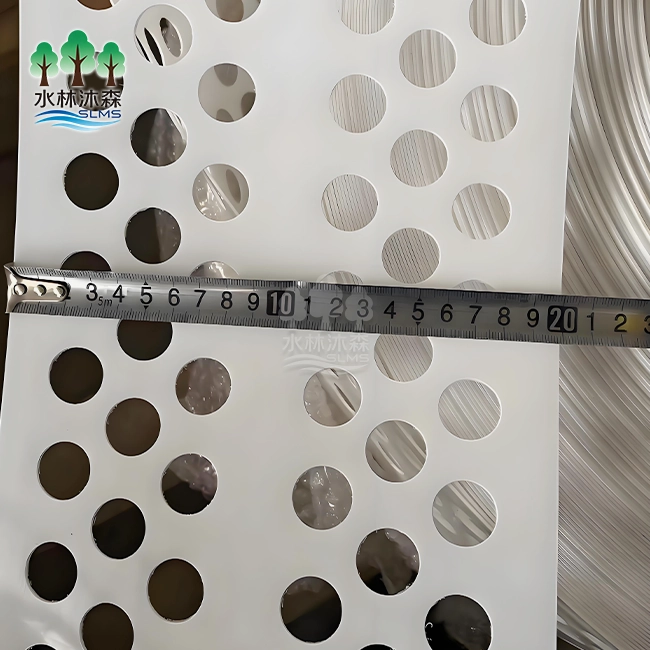
At Shuilin Musen, our guide vane options include core plates that are 5 cm thick, which gives them great rigidity without adding too much weight. This size gives the structure enough strength while still making assembly easy. The lightweight design means that it can be set up and adjusted for different seasons by one person, which cuts down on the amount of work that needs to be done.
When temperatures are very high or very low, materials that don't bend easily are especially useful. When inferior goods are heated, they warp, leaving gaps that let air in without being managed and weaken your negative pressure system. Premium materials keep their shape even when the temperature changes with the seasons, so they work the same way all year.
Adjustable Versus Fixed Configuration Options
Controls need to be flexible in different ways depending on the needs of the process. Fixed-angle vanes are easy to use and reliable for buildings that follow the same management rules all year. These units don't need any mechanical changes, and they don't have any moving parts that might need to be fixed.
Adjustable systems give sites that handle multiple production stages or have a lot of yearly weather changes a lot of practical flexibility. Remote-controlled systems let you change the angle in real time in response to changes in static pressure, the temperature outside, or the bird's age requirements. This ability to change makes air work better in a wide range of situations without any help from a person.
Which configuration you choose relies on the size of your task, how you run it, and how variable the world is. Large commercial operations that raise birds from hatching to market weight usually benefit from systems that can be adjusted, but specialized facilities with limited weather conditions may find set systems to be perfectly fine.
Best Practices for Guide Vane Installation and Maintenance
Implementation that goes well starts long before the tech gets to your building. Planning well makes sure that the new system works with the old one and gets the most out of its performance.
Site Assessment and System Design Considerations
Before choosing Chicken House Ventilation Guide Vane specs, you should carefully look at your present ventilation system. Make sure you get the exact measurements of the current inlet because custom size makes sure the right fit and stops air from leaking around the edges. Our team can make length and width choices that are exactly what you need, so they will fit in perfectly.
When placing vanes, think about how the fan capacity, house size, and entry area relate to each other. For static pressure balance to be right, the flow rate and the size of the entrance must work together. Guide vanes work best when the pressure is within certain ranges, which are usually 10 to 30 Pascals. Installations outside of this range either don't move air well or make too much resistance, which makes exhaust fans work too hard.
The direction of the building in relation to the main winds affects where the entrance is placed. Strategic vane placement that counteracts changes in pressure caused by weather is helpful for facilities that have regular directional wind pressure. During the site survey, write down notes about yearly wind patterns. During the meeting, talk about these observations to make sure that the right changes are made to the design.
Installation Process and Technical Support Resources
When you mount guide vanes properly, you set the stage for long-term success. First, make sure that the intake frames are clean, have good structure, and are properly sealed around the edges. Any air that gets past the guide vane assembly makes it harder to control the direction and makes the system work less well.
We have detailed installation movies that show how to put things correctly, make adjustments, and connect them to automated control systems. These tools walk you through every step, from the first setting to the last calibration. Visual paperwork gets rid of confusion and makes sure that results are the same in all placement places.
On-site installation service is still available for businesses that want a skilled setup or are in charge of large-scale changes in multiple homes at the same time. Our technical team has a lot of experience solving problems that are unique to each spot and a deep understanding of how to ventilate poultry. This service is very helpful when it comes to installing guide vanes in older buildings that don't have standard layouts.
The design's light weight makes assembly easier. Individual vanes are easy to install with common tools, unlike heavy traditional baffle systems that need more than one operator and moving equipment. This feature cuts down on building time and labor costs by a large amount.
Maintenance Protocols for Sustained Performance
Small problems don't get worse and cause system breakdowns when they are checked on a regular basis. Before each new flock placement, it should be looked at visually to make sure there is no damage, no dust buildup, and good seal contact when the vanes close. Taking care of small problems right away keeps environmental control stable.
How often you clean relies on the type of work and how you run your home. High-dust areas should be cleaned every three months with pressure cleaners or compressed air to get rid of the dust that has built up. Do not use harsh chemical cleaners that could damage protection layers or the structure of the material. Typically, simple cleaning with water is enough to keep things working best.
Check out the hinges, actuator connections, and control wires that are mechanical parts of adjustable systems. Follow the manufacturer's instructions for lubricating moving parts to keep them from sticking or wearing out too quickly. Check that the automatic controls work properly with weather sensor inputs, changing the vane angles as needed when conditions change.
Our one-year guarantee covers problems with the way the product was made and problems with the materials used. This gives you peace of mind that your investment will work well. After the promise time is over, the long-lasting construction won't bend or break, so it will work reliably for years with little maintenance.
Comparing Ventilation Guide Vanes with Traditional Systems
Knowing how modern Chicken House Ventilation Guide Vane technology differs from older methods in terms of performance helps to support investment decisions by showing how the new technology will improve operations.
Energy Efficiency and Cost Savings Analysis
Without the right air flow, traditional ventilation systems lose a lot of energy by heating and cooling inefficiently. During the winter, heating systems have to work harder to keep temperatures where they should be when cold air falls straight on birds. Guide vanes recover heat that was trapped in the ceiling, which lowers the need for extra heating by better spreading the space's current thermal energy.
Better air flow efficiency leads to cooling effects in the summer. If you guide the airflow in the right way, it works better for evaporative cooling and bird comfort at lower fan speeds than systems that only use higher air speeds. This means that measured amounts of electricity are saved; after installing guide vanes, operations reported 15–25% less energy use for airflow.
Consistency in the setting leads to lower labor costs. When conditions are stable, group health problems are less likely to happen, and it takes less time to deal with respiratory problems, make equipment adjustments, or handle isolated deaths. Advanced systems can automatically make changes so that no one has to do it by hand when the weather changes. This frees up management time to focus on other business goals.
Material Comparison and Selection Guidance
Materials used to build guide vanes have a big effect on how long they last, how much upkeep they need, and how much they cost to own overall. By understanding the trade-offs between choices, you can make smart decisions about what to buy that are in line with operational goals.
Aluminum alloy frames are naturally resistant to rust and have a great strength-to-weight ratio. The material works really well in places with a lot of ammonia and chickens, and it doesn't need any protection layers that could wear off over time. Aluminum stays strong even in very cold or very hot temperatures and doesn't get damaged by impacts during normal barn activities.
Stainless steel has the highest protection to corrosion and the strongest mechanical power. Even though it costs more at first, stainless steel building is better for operations that want things to last a long time and need to be replaced rarely. The fact that the material can stand up to harsh cleaning methods and high-pressure washing makes it perfect for places with strict hygiene rules.
Panel materials have to match the need for strength with the need to be light. UV-stabilized plastics don't break down when exposed to light and keep their stiffness so they can effectively control airflow. These materials are very good at not warping when they are under heat stress, and they keep their shape throughout their working life.
Hybrid structures that use both metal frames and modern polymer walls get the best performance while keeping costs low. This method gives the structure the sturdiness it needs while keeping the general weight of the system manageable to make it easier to set up and change.
Adaptability Across Different Sizes of Facilities and Climate Zones
Guide vane systems work well for small farms as well as big commercial buildings with room for over 100,000 birds. The measurements can be changed to fit different inlet sizes without affecting the efficiency of the direction control. When adding vanes to new buildings or fixing up old ones, making sure they are the right size is important for getting the best performance.
Being able to adapt to changing climates provides practical benefits to a wider range of geographic areas. Operations in northern countries put winter cold air management at the top of their list of priorities. To stop chilling drafts and recover energy costs, they use guide vanes. In the south, activities focus on reducing summer heat stress by using better air circulation to make cooling work better.
Performance during transitional seasons is a benefit that is often ignored. The weather in the spring and fall is hard to ventilate because the temperature outside changes a lot during the day. Adjustable guide vane systems act flexibly, keeping internal conditions stable even when the outside world changes.
Purchasing and Procurement Guide for Chicken House Ventilation Guide Vanes
Strategic buying makes sure you get the right Chicken House Ventilation Guide Vane tools, good deals, and solid help for the whole lifecycle of the product.
Supplier Selection and Certification Verification
Working with well-known companies that offer tried-and-true solutions will protect your investment and keep your business running. Shuilin Musen Aquaculture Equipment Co., Ltd. has eight years of experience in farming and animal equipment, with a focus on air systems for chickens. Our five-person tech team is always coming up with new ideas that help producers solve real practical problems.
In addition to product listings, check to see what the supplier can do. Manufacturing sites should show how they use quality control methods to make sure that all of their production runs are the same. Our complete quality control system checks every step, from choosing the raw materials to checking the finished product, to make sure that every unit meets the performance requirements.
The framework for technical help is what sets good suppliers apart from great partners. Access to installation instructions, help with fixing, and new parts keeps small problems from leading to long periods of downtime. We keep up-to-date contact lines and technical tools to help you with your operations.
Customization Options and Matching of Specifications
Standard goods don't always meet the exact needs of a building. The ability to customize means that the equipment works well with the current system and meets the needs of management.
Customization of dimensions is the most usual need for change. Accurate measures of current openings for airflow help manufacturers come up with specs for units that fit perfectly without any changes or air leaks. Our production process can handle specific length and width needs, so we can provide solutions that work perfectly.
Choosing the right frame material lets you match the harshness of the facility's surroundings to your budget. Talk about the material's expected service life, how harsh the cleaning instructions are, and the weather in the area when choosing the right specs. This talk makes sure that the chosen configuration gives you the best value over the course of your planned period.
For processes that use automated environmental management systems, the control interface choices should be carefully thought through. Compatible with current sensors, controls, and actuators makes installation easier and lets the system work together as a whole. During the buying process, be clear about the details of your control tools to make sure that the right interface components are included.
Investment Analysis and Return Metrics
If you only look at the cost of buying guide vanes, you might miss out on the operational value that comes from saving energy, improving output measures, and reducing the need for management involvement.
Cutting down on energy costs gives a clear return on investment. Find out how much power and fuel are used each year for ventilation and warmth. According to conservative figures, installing guide vanes correctly can save between 15 and 20 percent of the energy used for ventilation. To figure out how much you will save each year, multiply these percentages by your real energy costs.
Improvements to production add value by increasing the efficiency of feed processing and decreasing death rates. Consistency in the environment helps birds do their best, and businesses have seen measured gains in market weights and lower rates of bird death. Even small increases in production add up to a lot over the course of a year.
Less time spent fixing problems in the environment and making physical changes to equipment saves labor. Automated systems are especially useful because they get rid of the need for regular human action during changes in weather or daily temperature swings.
The estimated service life and warranty support are two things that go into figuring out the total ownership cost. Our one-year guarantee covers any problems, and the sturdy build means it will last longer. Cheaper options that need to be replaced often are not nearly as good value as equipment that lasts 10 to 15 years with little upkeep.
Case Studies and Future Outlook
Chicken House Ventilation Guide Vane technology works well in a variety of working settings and production systems, as shown by real-world applications.
Performance Documentation from Commercial Operations
A 75,000-bird chicken farm in the Midwest kept track of how much it cost to ventilate four similar houses before and after installing guide vanes. Two of the buildings got guide vane upgrades, while the other two kept their original inlet layouts. The improved homes had 22% lower heating costs in the winter and 18% lower cooling electricity use in the summer. Metrics on bird performance showed that the better facilities led to a slightly higher feed ratio and a 0.8% lower death rate.
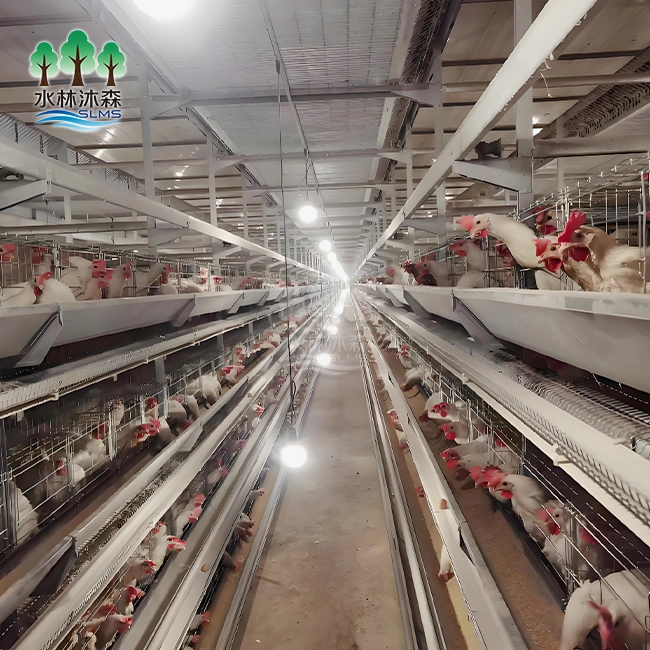
Improving the consistency of the surroundings also helps layer processes. A Southeast plant with 40,000 hens that had problems with uneven temps and high amounts of ammonia put in adjustable guide vanes all over their cage house. Monitoring the environment showed that the temperature difference between measuring sites went from 8°F to less than 3°F. After placement, egg production went up by 3.2%, but lung treatments went down by a lot.
Small-scale specialty makers also make big steps forward. A pastured chicken farm with 5,000 birds added guide vanes to their seasonal hoop houses to stop cold drafts in the winter. The better air flow stretched the growing season while still meeting bird care standards, which lengthened the yearly placement rounds.
Emerging Technologies and Integration Opportunities
As sensor technology improves, it becomes possible to control the world in more complex ways. Modern guide vane systems have monitors that measure temperature, humidity, and air quality built in. This lets them make changes automatically based on the variables at any given time. This is a big step forward from simple timer-based or steady pressure control.
New developments in material science keep making things last longer and work better. New alloys being developed have better strength-to-weight ratios and are less likely to break down chemically. These materials claim to have a longer useful life and require less upkeep.
Data analytics platforms collect data from external sensors and look for ways to improve things and guess when repair is needed. When ventilation methods are integrated with guide vane control systems, they can be improved over time based on performance data collected during production processes.
As the regulatory situation changes, standards for animal care and reducing the damage to the environment are becoming more important. By showing a dedication to superior weather control and bird comfort improvement, guide vane technology puts operations in a good position to meet new needs.
Conclusion
Chicken House Ventilation Guide Vane solutions change the ventilation of poultry from just moving air around to exact control of the environment. The technology solves some of the biggest problems that come up when you keep animals inside: keeping the temperature stable, getting rid of drafts, and keeping an eye on air quality without using too much energy. When implemented correctly, operational metrics show real gains across the board, from lower energy costs to better output performance. This technology is useful for a wide range of tasks because it can be used in different types of buildings and in different climates. As the focus of chicken production stays on efficiency and safety, ventilation guide vanes are smart investments that pay off over the course of their useful life.
FAQ
How often should guide vanes be inspected and cleaned?
Before each new flock placement, the Chicken House Ventilation Guide Vane should be looked at visually to see if there is any damage, to make sure the seal is still intact, and to see if any trash has gathered. How often you clean depends on how much dust is in the house and how it is managed, but once every three months is enough for most activities. During production rounds, places with a lot of people may need more frequent attention.
Can guide vanes retrofit into existing ventilation systems easily?
Most buildings can have guide vane installations done without major structure changes. The most important thing is to get exact measurements of the current inlet sizes so that they can be custom-sized to fit perfectly. Our installation guides and technical help make the retrofit process easier, and if things get too complicated, we still offer professional installation service.
What signs indicate guide vanes need replacement?
Damage to the body, lasting deformation, seal degradation that lets air leak through, and brittleness of the material are all signs that it needs to be replaced. Performance signs include the return of cold drafts, more temperature differences within the house, and higher heating costs even though the weather outside stays the same. With regular care, a good unit should last between 10 and 15 years.
Partner with Shuilin Musen for Premium Chicken House Ventilation Guide Vane Solutions
Your chicken farm should have Chicken House Ventilation Guide Vane equipment that shows real gains in performance and comes with full support. Shuilin Musen Aquaculture Equipment Co., Ltd. can make guide vane options that are exactly the right size and shape for your facility and how you want to run it. With eight years of experience in agricultural and livestock tools, you can be sure that you will get tried-and-true technology and quick expert help. We help with every step of the implementation process, from the initial meeting to on-site installation services and ongoing upkeep advice. Get in touch with our team at wangshuaislms@gmail.com to talk about how to improve your ventilation with skilled Chicken House Ventilation Guide Vane sellers who care about the success of your business.
References
1. Donald, J. (2018). Poultry House Ventilation Design and Management Principles. American Society of Agricultural and Biological Engineers.
2. Mitchell, M.A. & Kettlewell, P.J. (2019). Engineering and Design of Poultry Housing Systems for Enhanced Welfare. Journal of Applied Poultry Research, 28(2), 263-277.
3. Radon, K. & Weber, C. (2020). Air Quality Management in Intensive Livestock Production Facilities. Agricultural Engineering International, 22(1), 45-62.
4. Gates, R.S. et al. (2017). Optimizing Ventilation System Performance Through Advanced Airflow Control Technology. Transactions of the ASABE, 60(4), 1345-1358.
5. Purswell, J.L. & Linhoss, J.E. (2021). Evaluation of Inlet Configuration Effects on Poultry House Environmental Uniformity. Applied Engineering in Agriculture, 37(3), 489-501.
6. Bjerg, B. et al. (2019). Computational Fluid Dynamics Analysis of Airflow Distribution in Commercial Poultry Facilities. Biosystems Engineering, 186, 100-114.
Learn about our latest products and discounts through SMS or email