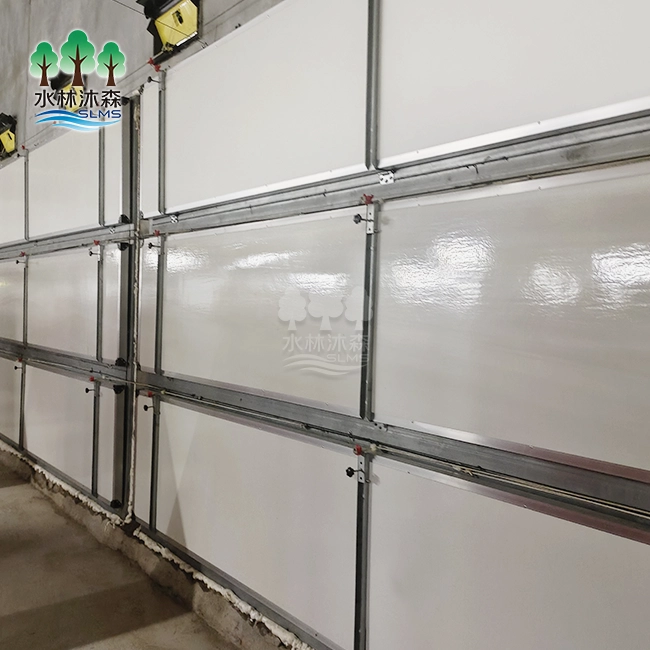
The Role of Cooling Pads in Poultry Farm Climate Control
Managing heat stress in large-scale poultry operations has become a defining challenge for producers across the United States. Poultry House Cooling Pad systems offer an effective solution by leveraging evaporative cooling principles to maintain optimal temperatures within barns and coops. When properly integrated, these systems reduce ambient temperatures by 5-8°C, directly preventing productivity losses associated with elevated heat levels. This temperature reduction translates into improved feed conversion ratios, consistent egg production in layers, and reduced mortality during summer peaks, making climate control investments essential for maintaining competitive operations.


Understanding Poultry House Cooling Pads and Their Impact
In simple terms, Poultry House Cooling Pad media work because of how space and time work. Hot air from outside comes into the barn through media that are filled with water. This causes water to evaporate quickly, which absorbs heat. This adiabatic process lowers the temperature of the dry bulb while slightly raising the humidity. This makes the surroundings more comfortable for the flocks without using mechanical cooling.
Modern pad-and-fan systems use these cooling media along with vent fans that are put in specific places. Fans create negative pressure, which pulls air from outside through the pads. This creates steady wind patterns that move cool air around the building. In the business world, this layout is now the norm for tunnel-ventilated houses, especially those that hold 20,000 birds or more.
Temperature Control Benefits for Flock Performance
Broilers grow best at temperatures between 18 and 24°C, and laying hens keep producing at their best at temperatures between 20 and 26°C. When temperatures rise above these levels, birds shift their energy from growing or making eggs to keeping their bodies cool. According to research from the University of Georgia, professional layers can eat 15-20% less food and lay 10–30% fewer eggs when the temperature stays above 29°C for a long time. Evaporative cooling media solves these problems by keeping microclimates steady even when temperatures outside hit 38°C or higher.
In addition to controlling temperature, the filtering effect has other benefits. As air moves through the wet curved surface, it traps dust and other debris in the air. This makes everyone's lungs healthier. Less particulate matter means fewer cases of airsacculitis and other lung problems, which leads to better health for the group as a whole.
Energy Efficiency Compared to Conventional Systems
Traditional ways of cooling usually use air conditioners or spray systems that use a lot of energy. The main source of energy used for evaporative cooling is exhaust fans, not motors or chillers, so the costs are much lower because of this. When compared to mechanical refrigeration methods, operations that use good evaporation systems usually see 40 to 50 percent lower electricity costs for cooling.
Choosing the Right Poultry House Cooling Pad: Materials, Types, and Brands
To choose the right Poultry House Cooling Pad media, you need to carefully look at the building materials, the physical requirements, and the manufacturer's abilities. The most important choice is the composition of the material, since that affects how well it keeps water out, how long it lasts, and how much care it needs.
Material Composition Analysis
Cellulose-based pads are the most popular choice for commercial poultry because they are cheap and very good at absorbing water. New kraft paper that has been treated with cross-linking resins, usually melamine or phenolic chemicals, is used to make high-quality cellulose media. This process makes molecular links in three dimensions that keep the structure strong even after many rounds of wetting and drying. The Model 7090 design, with a corrugation depth of 7 mm, has become the standard for large-scale operations because it strikes the best balance between airflow resistance and cooling efficiency.
Mineral deposits don't break down ceramic bases as quickly, so ceramic options last longer in places with bad water quality. But ceramic media costs about 30–40% more to buy at first than cellulose media. This means that ceramic media is better for long-term installs where treating water is hard or expensive.
Thickness Considerations and Performance Implications
Standard width choices come in 15cm and 20cm sizes. Because the air and water stay in contact with thicker pads for longer, they cool more effectively and are better for places that need to cool down as much as possible when it's very hot outside. Thin media reaches saturation faster and has slightly lower static pressure, which is good for operations that want to keep fan load as low as possible.
The curved shape makes the most surface area possible in a small dimension. Cross-fluted designs, which are usually set at 45-degree angles, push air through a winding path that makes it touch wet objects more. At normal air speeds of 1.5 to 2.0 meters per second, this arrangement gets evaporation efficiency of more than 80%.
Evaluating Manufacturer Credentials and Support
When making a purchase choice, you should look at both the product specifications and the knowledge of the manufacturer. Suppliers that have been around for a while have strict quality control systems that cover everything from choosing the raw materials to testing the finished products. Companies that offer full technical help, including installation instructions and upkeep schedules, show that they care about their customers' long-term success rather than just making sales.
When looking for tools for organic or specialty chicken businesses, material licenses are important. Manufacturers who provide proof of resin processes and chemical formulas can meet a number of licensing standards. Customization options, such as non-standard frame sizes and materials, show that the manufacturing process is flexible enough to adapt to different building layouts or operating needs.
Installation and Maintenance: Ensuring Long-Term Performance
For execution to go well, both the original setup and the ongoing care need to be taken care of. Common problems include uneven water distribution, frame rust, and Poultry House Cooling Pad media degrading that happens too quickly. Proper installation and regular upkeep keep equipment working well and extend its life.
Installation Best Practices for Optimal Function
The first step in getting a site ready is to look at the entrance wall, which is where the pads will go. The structure has to be strong enough to hold the weight of the frames, media, and water distribution systems put together. Installations longer than 10 meters usually need extra support. Placement should take into account the direction of the wind to keep uncooled air from flowing around the sides of the pad to a minimum.
When installing the water delivery system, you need to pay close attention. When distribution lines are placed above pad surfaces, they need to make sure that flow is even across the whole width. This keeps dry spots from forming, which lowers the cooling capacity. For gravity-fed systems, there needs to be enough of a difference in elevation, and for pump-driven systems, the pressure needs to be controlled so that too much flow doesn't damage the delicate pad surfaces.
The choice of frame material between 304 stainless steel and aluminum alloy relies on the budget and the surroundings. Aluminum is a moderately priced metal that is good at resisting corrosion in most farming settings. Stainless steel, on the other hand, lasts longer in coastal areas with a lot of humidity or buildings that use chemically treated water. Both materials can be put together in flexible ways, which lets them grow as production volumes rise.
Routine Maintenance Protocols
Managing the water quality is the most important upkeep task that affects the pad's lifespan. Over time, minerals in the water slowly build up in the pad media, making it less able to absorb water and limiting movement. Regular cleaning processes get rid of loose deposits, and descaling treatments every so often get rid of tough mineral buildup. Testing the hardness of the water determines how often it needs to be treated. Areas with hard water need treatments every 4 to 6 weeks during peak operation.
Schedules for physical inspections should include checks every month during busy cooling seasons. Technicians should look for algae growth, uneven water distribution, broken parts, and the strength of the frame. Using water treatment agents to control algae stops biological fouling, which slows down water flow and makes smelly water. Damaged parts need to be replaced right away to keep the cooling effect the same across the whole pad surface.
Seasonal shutdown methods keep equipment safe when it's not being used. In cold places, draining all the water from distribution lines stops freeze damage, and drying pad media completely stops mold growth. Covering fitted pads keeps them safe from dirt and UV light, which breaks down binding resins over time.
Maximizing Energy Efficiency Through Operational Adjustments
Coordinating the operation of the pad with the positioning of the exhaust fan saves the most energy. Running the pads all the time and changing the fan speeds based on temperature sensors keeps things cozy without wasting too much energy. Variable-frequency drives on fan motors let you finetune the flow of air, so the cooling capacity can be matched to the current thermal loads instead of being set at a maximum level.
Checking the humidity levels inside the barn helps find a balance between the need to cool down and the risk of too much wetness. The ideal range for relative humidity is between 50 and 70%. This will keep birds comfortable without causing breathing problems or wet litter conditions. When humidity levels get close to the upper limits, problems with condensation can be avoided by increasing air rates or briefly lowering pad water flow.
Performance Comparison and Decision-Making in Cooling Systems
When deciding between Poultry House Cooling Pad systems and other technologies, you need to look at more than just the original buy price. Depending on the climate, the design of the building, and the management's top goals, each method has its own benefits.
Evaporative Cooling Versus Misting Systems
High-pressure misting devices send tiny drops of water straight into the airspace of a barn. This cools the air by evaporation within the space, not at the entry points. This method responds quickly to changes in temperature and works well in homes with open sides. Misting, on the other hand, needs a lot more water flow, which raises energy costs, and it adds wetness to the whole building instead of controlling humidity at the entrances.
The media in evaporative pad systems makes sure that all the water evaporates before it hits the birds, so the cooling performance is more stable. This keeps feathers, beds, and tools from getting wet, which can happen when there are a lot of birds in an area. When systems are the right size, the amount of water used by both technologies stays about the same. However, pads focus water use in certain areas, which makes waste management easier.
Material Thickness Impact on Return on Investment
When choosing between 15 cm and 20 cm pad width, you need to weigh the benefits of better performance against the costs of installation. It usually costs 25–30% more per square meter for thicker media, but it lowers temperatures by the same amount. Operations in areas with high heat or that try to get as many birds as possible often make the extra cost worth it by lowering the number of birds that die from heat stress and increasing the efficiency of feed conversion.
To figure out payback times, you need to know how much energy costs in your area, how long the cooling season lasts, and how much output value is lost due to heat stress. Facilities that use cooling systems more than 120 days a year usually make up the difference in cost within two production cycles by saving energy and getting better flock performance. Shorter cooling seasons may make standard thickness the best way to save money on capital costs.
Procurement Strategies for Large-Scale Operations
When you negotiate a large purchase, you should talk about more than just unit price. Getting a good warranty with good covering terms and replacement standards will keep your product from breaking down too soon because of a manufacturing defect. Material defects are covered by the normal one-year warranty, but some makers cover media that reaches certain levels of wear and tear within three years.
Customization choices are useful for businesses that need to work in buildings that aren't normal sizes. When compared to field-cutting standard panels, manufacturers that can make custom-length pieces reduce waste and make fitting easier. Choosing the right frame material and attaching hardware that works with the current infrastructure cuts down on the cost of labor and improves the frame's long-term dependability.
Building relationships with suppliers that offer full expert support is helpful for businesses that are looking to expand or fix up their facilities. Getting help from engineers during the planning process helps find the best locations for pads, the right sizes for fans, and the right specifications for the water system before starting building. On-site installation services or thorough video instructions lower the risks of execution and make sure that systems work as designed from the first start-up.
Conclusion
Using Poultry House Cooling Pad technology to control the temperature effectively solves some of the most important problems in modern chicken farming. Managing temperature has a direct effect on production measures like feed conversion, death rates, and the quality of the product. When they are well-designed, cooling pad systems make these factors better while using less energy than mechanical options.
To choose the right equipment, you need to look at the material specs, the manufacturer's help options, and the situation you're working in. The Model 7090 standard, which comes in either a 15-cm or 20-cm thickness, works reliably in a wide range of climates when it is made with good materials and the right plastic processes. When negative pressure air systems are added, safe microclimates are created that keep flocks comfortable even during extreme weather.
Long-term worth depends on both how well it was installed and how well it is maintained. Following the manufacturer's instructions for setup and regular maintenance will make your equipment last longer and keep it working well. When these practices are put first, operations see big benefits like lower cooling costs, better bird performance, and longer machine service lives.
FAQ
Q1: How often should evaporative cooling media be replaced?
A: If you take good care of your cellulose pads, they should last between 3 and 5 years before they need to be replaced. Service life varies a lot on the quality of the water and how well it is maintained. Facilities that use hard water and don't do regular descaling treatments may need to change their media every two to three years. On the other hand, facilities that do thorough water treatment programs can make the media last longer than five years. Checking for less water absorption, obvious wear and tear, or higher wind resistance will let you know when it's time to replace it.
Q2: Do cooling pads work effectively in humid climates?
A: The best conditions for evaporative cooling are dry climates with humidity levels below 60%. This is because dry climates have the most drainage potential. In humid places, temperature drops are smaller, usually between 3 and 5°C, compared to 5-8°C in dry places. But even small amounts of cooling help a lot during heat waves, and the benefits of air filter stay the same no matter how hot it is. When it comes to hot places, tactics that use both evaporative cooling and faster air flow often work best.
Q3: What thickness should operations in hot climates choose?
A: Twenty centimeters of thickness is very helpful for places where temperatures are often above 35°C because it gives air and water more time to cool each other. The extra money spent leads to a proportionally bigger drop in temperature when outside heat loads are the highest. Normal conditions with temperatures that don't get above 32°C can get good results with standard 15cm media while spending as little as possible on the starting equipment.
Partner with Shuilin Musen Aquaculture Equipment Co., Ltd. for Superior Cooling Solutions
Shuilin Musen Aquaculture Equipment Co., Ltd. brings eight years of specialized experience in delivering climate control solutions tailored for intensive poultry operations. As an established Poultry House Cooling Pad manufacturer, we combine technical innovation with practical support to ensure your investment delivers lasting value. Our Model 7090 evaporative cooling systems feature corrosion-resistant frames available in aluminum alloy or 304 stainless steel, paired with high-absorption media engineered for extended service life.
We provide complete installation support through detailed video tutorials and on-site technical assistance, eliminating guesswork during setup. Every system includes a comprehensive one-year warranty, demonstrating our confidence in product durability. Whether you manage 10,000 birds or 100,000, our customization capabilities accommodate your specific facility dimensions and operational requirements. Contact our team at wangshuaislms@gmail.com to discuss how our poultry cooling pad solutions can enhance your climate control strategy and protect your production investments.
References
1. Yahav, S., Straschnow, A., Plavnik, I., & Hurwitz, S. (1996). "Blood System Response of Chickens to Changes in Environmental Temperature." Poultry Science, 75(7), 1043-1052.
2. Lacy, M. P., & Czarick, M. (1992). "Tunnel-Ventilated Broiler Houses: Broiler Performance and Operating Costs." Journal of Applied Poultry Research, 1(1), 104-109.
3. Gates, R. S., Casey, K. D., Xin, H., & Burns, R. T. (2004). "Building Emissions Uncertainty Estimates." Transactions of the American Society of Agricultural Engineers, 47(6), 2171-2178.
4. Donald, J. (2010). "Improving Feed Conversion in Commercial Broiler Production." World Poultry Science Association Proceedings, United Kingdom Branch.
5. Mitchell, M. A., & Carlisle, A. J. (1992). "The Effects of Chronic Exposure to Elevated Environmental Temperature on Intestinal Morphology and Nutrient Absorption in the Domestic Fowl." British Poultry Science, 33(2), 337-347.
6. Timmons, M. B., Gates, R. S., Bottcher, R. W., Carter, T. A., & Baughman, G. R. (1995). "Predictive Model for Evaporative Cooling System Performance." Transactions of the American Society of Agricultural Engineers, 38(4), 1195-1201.
Learn about our latest products and discounts through SMS or email