Where to buy automated ventilation windows for poultry houses?
Finding reliable providers of high-quality automated ventilation windows for poultry houses is the first step to getting them. These suppliers should offer both great products and excellent customer service. The Poultry House Ventilation Window market has many ways to buy it, such as through specialized farm equipment makers, area wholesalers, and online business-to-business (B2B) platforms. Operators of poultry farms can get systems that perfectly meet their needs while also guaranteeing stable performance over time by finding providers with proven technical skills, strong after-sales support, and customization options.


Understanding Automated Ventilation Windows for Poultry Houses
How Automated Systems Revolutionize Airflow Management?
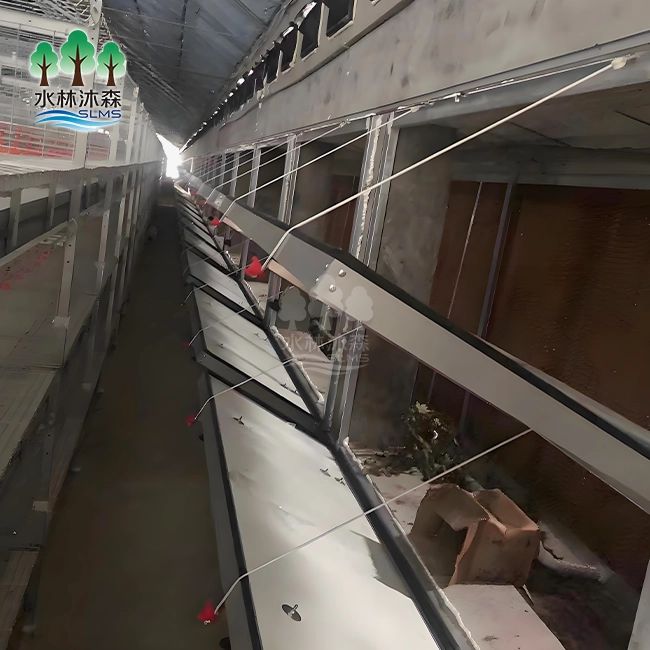
Automated ventilation windows work with devices that are controlled by sensors and constantly check things like temperature, humidity, and air quality. These systems change the openings of the windows automatically to keep the conditions at their best without constant human help. Instead of static windows or exhaust fans that work on their own, automated windows work with negative pressure systems to make controlled, linear airflow patterns in poultry houses.
The technology uses the Coanda effect, which says that cold air going in is pushed up along the roof and mixed with warmer air before slowly falling on birds. This system fixes the very important issue of cold air drop, which makes groups sweat and has breathing problems. Modern systems keep the standing pressure between 0.05 and 0.12 inches of water column, which makes sure that the air flow is even in homes that are longer than 150 meters.
Key Performance Advantages Over Traditional Methods
When compared to basic or hand fan systems, automated ventilation windows such as the Poultry House Ventilation Window are much easier to use. Better air quality is closely linked to lower levels of ammonia, which lowers the risk of respiratory diseases and raises feed conversion rates. Accurately calibrating airflow saves energy because it stops systems from over-ventilating, which happens a lot with manual systems when the seasons change.
Commercial poultry farms that use automated window systems keep the right temperature ranges and cut heating costs by 15 to 25 percent during the cold months, according to research data. By getting rid of the need to make changes by hand, over 40% less work is needed, which frees up farm staff to focus on more important management tasks. These systems also reduce "dead zones," which are areas of sluggish air where dangerous gases build up. This is something that most other ventilation methods miss.
Key Criteria for Choosing Automated Ventilation Windows
Material Quality and Environmental Durability
The type of material used decides how long ventilation windows will last and how well they will work in harsh poultry house settings. High-quality ABS plastic is better than regular polymers at resisting corrosion from ammonia and water. The equipment's specs should make it clear what the material is made of and what its operating temperature ranges are, which should usually be between -30°C and +60°C to fit different climates.
Insulation layers inside window systems stop thermal bridging, which is a common problem that happens when mist forms on the outside of windows in the winter. High-quality windows are made with multiple layers of insulation foam that keeps their shape even after being washed with high-pressure water up to 1500 PSI. When it comes to oxidation, the spring systems that control how the window opens should be made of stainless steel so that they stay in tension over thousands of rounds.
Automation Features and Control Integration
Professional-grade systems are different from basic automated windows because they have more advanced control features. Precision is very important. To keep static pressure even, devices should keep the opening uniformity of all windows within 2 mm. Compared to designs that depend on gravity, mechanical connection systems are more reliable, especially in long houses where pressure changes.
Integration with current environmental control tools lets ventilation systems, along with lights, heating, and cooling, be managed from one place. Teams in charge of buying things should check to see if ventilation windows work with standard control methods and can connect to Internet of Things (IoT) tracking systems to allow for remote control. Equal attention should be paid to how easy it is to maintain. Designs that make adjustment mechanisms and replacement seal components easy to get to reduce downtime during regular maintenance.
Sizing and Configuration Alignment
Correctly calculating sizes has a direct effect on how well airflow works. The total exhaust fan capacity and house size must match the effective airflow area per window, which is usually between 0.11 and 0.13 m² for normal units. A useful way to figure this out is to divide the total fan CFM by the CFM number per window at 0.10" static pressure and add 10% to account for fan back-pressure problems.
The height at which the windows are placed has a big effect on how well they work. For best results, install the windows 30–40 cm below the eave line so the air jet can properly engage the ceiling and use the Coanda effect. Poultry farms with lower sidewalls may need different models or extra air deflectors to get the right mixing. Customization becomes necessary for businesses that have non-standard building dimensions or environmental problems.
Where to Buy Automated Ventilation Windows for Poultry Houses
Identifying Qualified Manufacturers and Suppliers
Finding automated ventilation windows means finding companies that have a history of working with poultry. Well-known companies usually have dedicated research and development teams that work on agricultural ventilation technology. This way, products can be improved all the time based on data from the field. Weifang Shuilin Musen Aquaculture Equipment Co., Ltd. is a good example of this because they have five professional engineers who make over three new products every year and offer customized solutions that are made to fit the needs of each operation.
Quality manufacturers stand out by offering a wide range of technical support services for products like the Poultry House Ventilation Window. These include detailed video tutorials, multilingual documentation, and quick technical consultation services that help with installation. On-site installation services are especially useful for big projects or operations that don't have their own installation experts. For parts that will be used in harsh agricultural environments, warranties should last at least one year and cover both material and workmanship defects.
Evaluating Product Specifications and Certifications
Carefully reading the specifications can help you avoid making mistakes that cost a lot of money when you buy something. For example, the core specifications for professional-grade units should include exact measurements (like a 560mm × 270mm product size with corresponding 570mm × 280mm installation openings) and detailed information about the materials used. The component lists should list all the parts that come with the unit, such as the ABS frame, louvers, adjustment mechanisms, deflectors, and insulation layers.
Temperature tolerance specifications make sure that the units will work in the right climate. Units that can operate between -30°C and +60°C can handle the extreme seasonal changes that happen in many major poultry production areas. Weight specifications, which are usually around 1.5 kg for standard units, affect how much labor is needed for installation and how much weight is put on older facilities. Spring material disclosure—stainless steel construction means longer life—and hardware corrosion resistance testing results show how long the units will last in use.
Leveraging B2B Procurement Channels
B2B sourcing platforms put buyers in touch with verified manufacturers and protect transactions while letting shoppers compare prices. Dealing directly with manufacturers usually leads to better prices for large orders and more options for customizing specifications. Regional distributors offer benefits like faster shipping and more localized service support, but they may not have as many products to choose from as direct sourcing.
Lead times for procurement depend a lot on the number of orders and the level of customization needed. Standard configurations usually ship within two to three weeks, while custom-engineered solutions may take six to eight weeks from order confirmation to delivery. International shipping logistics need careful coordination—experienced suppliers handle export paperwork, help with customs clearance, and shipping insurance to keep things as simple as possible. Building relationships with suppliers who offer full logistics services makes it easier to do future purchases and projects to grow.
Maintenance and Troubleshooting of Automated Ventilation Windows
Establishing Proactive Maintenance Protocols
Regular maintenance checks should be done on a quarterly basis to make sure that the ventilation system is working at its best and that the seals are still intact. TPE rubber seals should be checked for wear or compression loss that lets air leak out when the windows close. If condensation forms on window surfaces in the winter, this could mean that there are problems with thermal bridging that need an inspection of the insulation foam or seal replacement.
Agricultural-grade lubricants that are resistant to dust and extreme temperatures should be used to grease mechanical parts every six months. Spring tension testing makes sure that all windows have the same opening force; variations of more than 10% mean that they need to be replaced. When cleaning out a barn with high-pressure water, you need to be careful not to damage the cables or move the lubricant.
Addressing Common Operational Challenges
Linkage system binding or uneven spring tension are the most common causes of inconsistent window opening across multiple units, especially when each Poultry House Ventilation Window operates independently. Systematic adjustment procedures restore uniform operation—most quality systems have tool-free adjustment mechanisms that can be accessed without removing the window. Static pressure monitoring devices help diagnose ventilation imbalances that may be caused by a broken window rather than a controller problem.
Sensor calibration errors lead to windows not being placed correctly in relation to the environment. Annual calibration checks against reference instruments make sure that the temperature and humidity readings that drive automation logic are accurate. The ability to manually control ventilation is essential in case the controller fails, allowing management to continue while technical support fixes electronic problems.
Future Trends and Innovations in Poultry House Ventilation
IoT Integration and Smart Farming Convergence
Integration of ventilation technology with Internet of Things platforms allows for real-time remote monitoring and predictive analytics. Modern systems send operational data, such as window positions, environmental parameters, and performance metrics, to cloud-based dashboards that can be accessed from mobile devices. This connectivity allows for proactive management, which warns operators of problems before they affect flock performance.
Machine learning algorithms look at past ventilation data along with production results to find ways to improve things that traditional management would miss. Predictive maintenance programs look at how parts will wear out based on how they are used, so replacements happen during planned downtime instead of emergencies. These features are very useful for businesses that have multiple locations and want to make sure that all of their locations meet the same performance standards.
Sustainability and Energy Efficiency Advances
New ventilation window designs focus on saving energy by using better insulation materials and optimizing aerodynamics to lower the fan load requirements. Adding a variable-speed motor lets you open the window in any position instead of fixed increments, which improves environmental accuracy and reduces mechanical wear. Solar-powered actuator options get rid of the need for electrical infrastructure in remote or off-grid facilities.
As corporations make sustainability commitments that reach throughout agricultural supply chains, green building certifications have a bigger impact on the equipment that is chosen. In response, manufacturers make products from recyclable materials, publish lifecycle environmental impact assessments, and show that their systems save measurable amounts of energy compared to traditional systems. Ventilation solutions that support LEED or an equivalent certification make it easier for buyers who care about the environment to buy these systems and may qualify for government incentive programs.
Conclusion
When looking for automated ventilation windows such as the Poultry House Ventilation Window, you need to find a balance between technical requirements, the supplier's skills, and long-term service support to make sure you get systems that keep improving performance. Quality tools with materials that don't rust, accurate automation, and the right size can completely change the environment in a poultry house, immediately improving the health and revenue of the business.
Working with well-known companies that offer full expert support, the ability to customize products, and a track record of good performance in the field lowers the risks of procurement while allowing solution optimization for specific business situations. When new technologies like IoT communication, predictive analytics, and advanced energy management are combined, they help forward-thinking businesses stay competitive as industry standards move toward more accuracy and sustainability.
FAQ
What factors determine the number of ventilation windows needed for my poultry house?
To figure out how many windows you need, you need to know how big your poultry house is and how much air flow each window can handle. Then, divide the total fan CFM by the window's CFM rate at the design static pressure, which is usually 0.10" of water column, and add 10% to make sure you have enough input area. For homes longer than 150 meters, the figures may need to be changed to account for differences in pressure along the length of the house.
How do automated ventilation windows integrate with existing environmental control systems?
Professional-grade automated windows join to regular poultry environmental controls through mechanical linkage systems that are powered by signals from the controllers. Most systems come with mounting clips that can be used with most major controller types. Checking the connection specs before buying something keeps installation problems from happening during integration.
What maintenance schedule ensures optimal long-term performance?
Visual checks of seals, springs, and mechanical parts every three months catch problems early. Moving parts are oiled every six months, and sensors are calibrated once a year to keep performance standards high. Deep cleaning during barn shift should be done according to the manufacturer's instructions so that chemical cleaners or too much water pressure don't damage sensitive parts.
Shuilin Musen: Your Trusted Partner for Professional Ventilation Solutions
Weifang Shuilin Musen Aquaculture Equipment Co., Ltd. can improve the ventilation in your poultry house with automated window systems that have been tested and proven to work in commercial settings. Our automated ventilation windows are made of 560mm × 270mm ABS and have built-in deflectors that make sure air flows evenly and stop cold air from escaping, which can be harmful. Each unit also has stainless steel springs that won't rust or bend, so they'll keep working well even after years of heavy use.
Contact our technical team at wangshuaislms@gmail.com to talk about your ventilation upgrade needs. We offer competitive quotes for projects of any size and provide detailed product specifications and performance calculations based on the size of your home. Visit slms-equipment.com to see our full range of products and access technical resources that will help you make smart purchasing decisions.
References
1. Aviagen. (2018). Ventilation Principles and Management in Broiler Production. Huntsville, AL: Aviagen Inc.
2. Czarick, M., & Lacy, M. (2019). Poultry Housing for Hot Climates: Ventilation System Design and Management. Athens, GA: University of Georgia Cooperative Extension.
3. Donald, J. (2020). Environmental Control Systems for Poultry Housing: Engineering Principles and Best Practices. Cambridge, UK: Burleigh Dodds Science Publishing.
4. International Poultry Welfare Alliance. (2021). Guidelines for Controlled Environment Housing: Ventilation Standards for Commercial Operations. Brussels, Belgium: IPWA Publications.
5. Liang, Y., Xin, H., Wheeler, E. F., Gates, R. S., Li, H., Zajaczkowski, J. S., Topper, P. A., Casey, K. D., Behrends, B. R., Burnham, D. J., & Zajaczkowski, F. J. (2018). Ammonia emissions from U.S. laying hen houses in Iowa and Pennsylvania. Transactions of the ASABE, 61(3), 1003-1014.
6. Van Wicklen, G. L., & Malone, G. W. (2017). Poultry Environmental Management: Practical Applications for Modern Production Systems. Ithaca, NY: Northeast Regional Agricultural Engineering Service.
Learn about our latest products and discounts through SMS or email