How do different types of poultry house air inlets compare in efficiency?
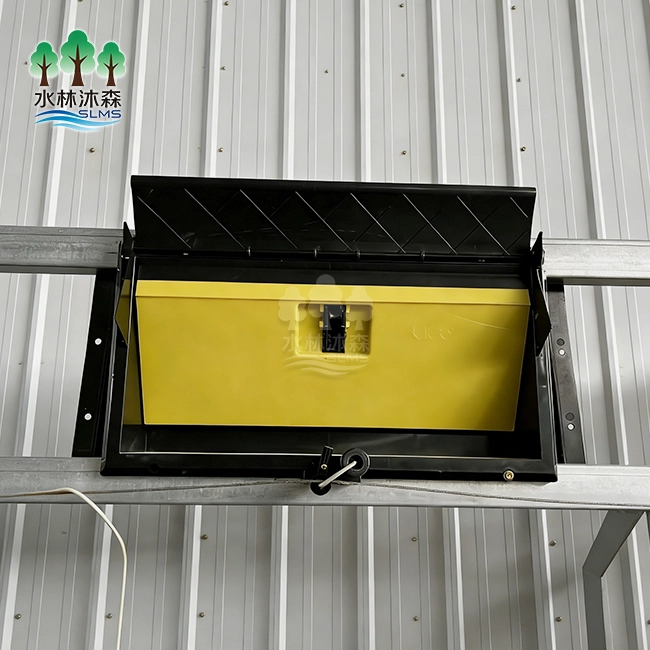
When comparing how well different types of air intakes for chicken houses work, the main difference is in how well they control wind speed, keep temperatures stable, and stop cold air from dumping. If you create a good Poultry Air Inlet, it can be used as a precise aerodynamic control device in negative pressure ventilation systems. It does this by using the Coandă effect to move entering air along the ceiling plane, where it mixes with rising warm air before slowly falling onto the birds.
During low and transitional ventilation phases, sidewall inlets work best by creating high-velocity airstreams that make sure air is distributed evenly. During peak heat stress periods, tunnel ventilation inlets work best by directing huge amounts of airflow longitudinally through the structure. How well each type works depends on how well its CFM capacity, adjustability range, and closing integrity are matched to the size of the house, the number of birds living there, and changes in the weather throughout the year.


Introduction to Poultry Air Inlets and Their Importance
To get the best output from the birds and the best economic returns, modern poultry farming needs advanced environmental control. Ventilation intake systems are the most important part of this control strategy because they directly affect the quality of the air, the consistency of the temperature, and the management of wetness throughout the production cycle.
Why Ventilation Matters in Intensive Poultry Operations
Ventilation gets rid of extra heat, humidity, ammonia, and carbon dioxide while letting in fresh air that is high in oxygen. If you don't have good intake systems, changes in temperature can cause thermal stress, which lowers the efficiency of feed conversion and raises the death rate. Building up ammonia in the air lowers the quality of the air and hurts the lungs of animals, leaving them open to diseases that destroy their profits.
The Role of Inlet Design in Flock Health
Ventilation inlets are like guards that control how air from outside the building comes in. Their form affects whether cold air falls directly on birds, which can cause chilling stress and enteritis, or whether it mixes with warm air inside to make a consistent microclimate. When it comes to average daily gain, feed conversion rates, and total output measures, the difference between efficient and inefficient inlet systems is often easy to measure. This is something that procurement managers pay close attention to.
Comparative Analysis of Different Poultry Air Inlet Types
Knowing the technical performance differences between different inlet designs helps operations teams choose equipment that fits their output goals and the way their building is set up.
Airflow Efficiency and Temperature Regulation
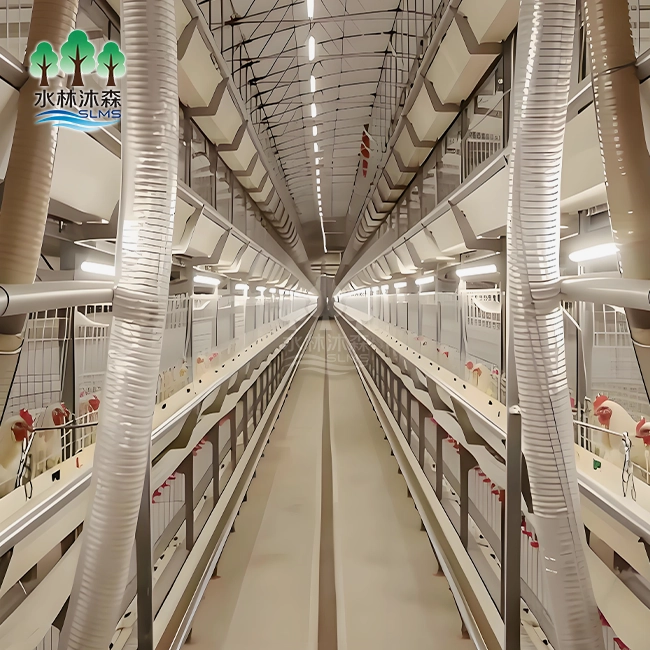
When working at optimal static pressure ranges between 0.08 and 0.12 inches water column, sidewall inlets create airstreams moving at high speeds. This speed—usually between 700 and 1000 feet per minute—pushes entering air toward the middle of the house, stopping stratification zones where old air builds up. Tunnel entrances put volume over speed, moving huge amounts of CFM air when it's hot so that birds can stay cool from the wind chill. When they change from minimum to maximum holes, good inlet systems keep the air throw lengths constant. This makes sure that the temperature is the same all over the floor, so there are no hot spots where heat stress builds up or cold spots where chicks huddle together, burning energy to stay warm.
Material Durability and Maintenance Requirements
Long-term usefulness and total cost of ownership are directly affected by the building materials used. UV-stabilized ABS plastic doesn't break down in the sun or when it comes into contact with the corrosive ammonia gas found in chicken settings. The most modern designs use hollow-wall construction filled with polyurethane foam insulation. This creates thermal breaks that stop condensation from forming when working in cold weather.
Stainless steel parts, especially springs and fastening tools, don't rust and break like parts of cheaper designs do. We've seen factories where low-quality outlet springs lost their tension in just a few months, leaving the gates partially closed. This made it harder to control the static pressure and wasted heating fuel during the winter production cycles.
Energy Consumption and Operational Costs
There are several ways that efficient inlets lower running costs. When the door is closed, a tight lock stops air from leaking in without being managed. This keeps heating systems from having to work harder, which uses more propane or natural gas. The difference in temperature between the floor and the ceiling can be lowered by mixing the air properly. This lets the thermostat be set lower while still keeping the birds comfortable. The most major energy saves come from not having to run the fan for too long. When inlets spread air evenly, the same level of air quality can be achieved with fewer changes per hour. This directly lowers the amount of electricity needed by ventilation fans, which is often one of the biggest costs for farms today.
Installation Flexibility and Adjustability Features
The Poultry Air Inlet must adapt to these varied needs: demands for operations change a lot between seasons and output rounds. Broiler farms that raise chickens from day-old chicks to market weight need inlets that can be precisely changed from having few cracks to being wide open. Layer farms that keep adult birds all year need different adjustment bands that work best in steady-state settings.
How easily inlets fit different wall types and structure shapes depends on the connection systems and mounting choices that are available. Metal-sided buildings, curtain-sided buildings, and buildings with solid concrete walls are all different types of buildings that come with their own installation challenges. Good outlet designs take these into account with careful engineering and flexible mounting brackets.
Performance and Cost-Benefit Evaluation of Poultry Air Inlets
Traditional methods of airflow often lead to practical bottlenecks that hurt profits by causing birds to perform less than optimally.
Common Inefficiencies in Conventional Systems
Many older buildings have air leaks around outlet frames that aren't sealed well enough. This makes it hard to control static pressure and makes airflow patterns uncertain. To make up for it, managers have to over-ventilate, which wastes energy and makes drafts that stress out birds. Another critical failure mode is cold air dumping, which happens when poorly built inlets let incoming air fall directly on birds instead of mixing with the air above them.
Design Innovations Driving Performance Improvements
Modern outlet engineering has fixed these problems from the past by making specific changes. Incoming airstreams are pushed upward against the ceiling plane by internal wind deflectors. This uses the Coandă effect to keep the connection even at slower speeds. With these deflectors, cold air that is falling can be turned into controlled distribution that keeps bird comfort zones.
Putting multi-layer foam padding inside outlet bodies stops thermal bridging, which is what makes condensation and ice form. Our engineering team has found examples of moving from single-wall to insulated outlet designs that got rid of winter condensation issues that had been bothering operations for years. This stopped equipment from rusting and made the air inside better.
Real-World ROI Analysis
When purchasing managers look at changes to entrances, they need to see clear financial reasons for them. Multiple setups have shown that changing old, leaky inlets with modern, sealed ones that have the right insulation and adjustable mechanisms can cut energy costs by 15 to 25 percent. Over the usual 7 to 10 years that equipment lasts, these saves add up to a big return on investment.
Improving production metrics often has a bigger economic effect than saving energy. Getting rid of problems with air quality and temperature changes can usually increase feed conversion efficiency by 2% to 4%. This may not seem like a big difference, but it can save thousands of dollars a year in feed costs for medium to large businesses. Less death from lung disease outbreaks has extra cost benefits that are hard to measure but definitely worth it.
How to Choose the Best Poultry Air Inlet for Your Operation
To choose the right inlet systems, you need to carefully look at the features of the building, your output goals, and the supplier's abilities.
Assessing Your Facility's Specific Requirements
The size of the building determines how many and how far apart the inlets need to be. Find the total exhaust fan capacity during the different ventilation phases, then divide that number by the CFM rates of each intake at the design static pressure to get the required inlet count. When you undersize, you create too much pressure, which wastes energy and hurts building structures. When you oversize, you lose the air movement that is needed for proper mixing.
Poultry Air Inlet designs must also account for how conditions in the climate affect the amount of insulation needed and the materials that should be used. In the north, where winter temperatures drop below zero, operations need the thickest protection and best thermal break engineering to keep ice from forming. UV protection and heat tolerance are more important to southern sites than cold-weather performance.
Critical Selection Criteria
The specs for airflow ability must match the design of your ventilation system. Manufacturers of good products give accurate CFM rates at various static pressure levels, which lets you precisely size the system. The range of adjustability decides how well the inlets change from low ventilation to transitional phases and finally to tunnel mode switching. Premium and cheap goods can be told apart by how well their seals work. When evaluating a provider, check the gasket materials, frame tolerances, and closing methods. Before making big purchases, we suggest asking for trial units to test out in real life.
Evaluating Supplier Reputation and Support Services
The supplier can do more than just make sure the products are of good quality. They can also offer professional support, help with installation, and guarantee coverage. Companies that want to improve their ventilation systems get a lot more out of providers who offer installation videos, on-site commissioning services, and quick expert support for fixing problems.
Manufacturers who offer comprehensive guarantee programs are sure that their products will last. Check to see if the coverage terms fit how long you think the tools will last, which is usually between one and three years. Make it clear what the guarantee covers, like parts, work, and shipping costs for replacements, so there are no surprises when you try to claim coverage.
Trusted Poultry Air Inlet Brands and Where to Source Them
To successfully navigate the market, you need to know both the product specifications and the operational skills of the suppliers that will ensure long-term relationships.
Overview of Leading Manufacturers
There are both specialized makers that only make ventilation parts and general agricultural equipment sellers in the global poultry equipment market. Weifang Shuilin Musen Aquaculture Equipment Co., Ltd. has been helping heavy livestock operations for eight years and has become a master in precision-engineered ventilation solutions. When we make new products, we try to solve problems that buying managers and farm engineers face every day when they are trying to keep the environment in good shape.
Poultry Air Inlet quality makers set themselves apart by providing clear technical specs, showing where their materials come from, and showing that their products work well in a variety of climates and production systems. Look for sellers who can back up their goods with thorough engineering drawings, certified material test results, and case studies from businesses that are like yours.
Evaluating Supplier Credibility
Certifications are an objective third-party confirmation of the quality of the producing process and the safety of the product. Certification as an ISO quality management system means that the production process is organized and that quality control methods are written down. Material approvals make sure that plastics meet standards for UV stability and that metal parts are made with certain types that don't rust. Client reviews and references can tell you a lot about how responsive a seller is, how reliable a product is, and how good the customer service is after the sale. Talk to references directly to find out how they felt about getting help with installation, handling insurance claims, and getting expert help to improve system performance.
Wholesale and Bulk Purchase Considerations
When you buy in bulk, you can get better help, lower prices, and the ability to customize the specs. When planning to add on to a building or standardize equipment across multiple sites, talk to providers early on in the planning process about customization options, such as changing the size, using special mounting tools, or making sure the equipment works with an integrated control system.
At Shuilin Musen, we focus on building partnerships instead of business ones. We work closely with wholesalers and big businesses to learn about the problems they're having and make solutions that fit those needs. Our engineering team can change the normal 560mm × 270mm inlet sizes, change the thickness of the insulation, or suggest different materials that meet the needs of your specific building.
Value-Added Services and Installation Support
Professional placement has a huge effect on how well the system works in the long run. When inlets are put incorrectly, they can cause air leaks, binding adjustment mechanisms, and heat bridges that ruin even the best product designs. For complete installation movies showing the right way to place, seal, and connect a control system, please visit our website. On-site installation services are available for businesses that want a turnkey solution or don't have their own skilled installation teams.
Technical help goes beyond the initial startup and includes ongoing improvements to how things work. Expertise from the provider can help with making seasonal changes to ventilation, fixing performance problems, and planning upkeep. Our team stays in touch with customers throughout the lifecycles of their tools to make sure they get the most out of their ventilation system purchases.
Conclusion
Poultry Air Inlet comparing the levels of efficiency of different types of air intakes for poultry houses shows that the best choice relies on matching certain design features to working needs and weather conditions. Sidewall inlets work best for low and intermediate ventilation because they can create fast airstreams that mix properly. Tunnel layouts, on the other hand, make the most of airflow volume when cooling needs are at their highest.
Longevity and long-term cost-effectiveness are directly related to the quality of the materials used, especially UV-stabilized ABS construction with built-in foam insulation and stainless steel machinery. It's not just about the lowest price that matters to the most successful businesses; they also look at how well the ventilation system works in the field and how much technical support and customization they offer. This is because the efficiency of the ventilation system affects everything from the cost of energy to the health of the birds.
FAQ
How do sidewall inlets differ from tunnel ventilation inlets?
There are sidewall inlets that run the length of the building and work during minimum, intermediate, and cool weather ventilation modes. They send fast-moving airstreams toward the center of the house to mix. When it's hot outside, tunnel inlets are installed at the ends of buildings to channel huge amounts of horizontal airflow and cool the building with wind chill. Most companies use both, switching between them based on the temperature outside and the age of the birds.
What maintenance schedule should I follow for inlet systems?
Every six months, before summer and winter, check the inlets to clean the mesh guards, see if the pulleys are worn, make sure the springs are taut, and use smoke tests to make sure the seals are still good. Get rid of the dust and feathers that have built up and are blocking airflow and CFM capacity. To avoid mid-cycle failures during key production times, lubricate moving parts and repair worn parts before they break.
Can upgrading inlets reduce my energy costs significantly?
Quality updates to the inlets usually cut the energy used for ventilation by 15 to 25 percent. This is because they improve sealing, mix air better, which lowers the amount of air that needs to be exchanged, and get rid of the need for extra warmth to compensate for unregulated air infiltration. The exact amount of money saved depends on how bad the system is now and how much energy costs where you live, but the return time is usually between 18 and 36 months.
Partner with a Trusted Poultry Air Inlet Manufacturer
Shuilin Musen Aquaculture Equipment Co., Ltd. makes ventilation systems that are built to deal with the problems that come up in large-scale chicken production. Our outlet systems are made of UV-stabilized ABS and are 560mm x 270mm. They have polyurethane foam insulation built in and are made of stainless steel so they can handle the harsh conditions in chicken houses. Internal wind deflectors make sure that air flows properly, so birds don't have to deal with cold air dumping that hurts performance.
We help procurement managers and farm engineers by offering a wide range of services, such as installation films, on-site commissioning, a one-year guarantee, and ongoing expert support. Customization choices let you meet the specific needs of your building by changing the sizes, mounting arrangements, and specifications to fit your needs. Email our team at wangshuaislms@gmail.com to talk about your air needs and find out how our solutions can improve the health of your flock while lowering your costs. You can look at full product specs and get in touch with a provider who cares about your long-term success at slms-equipment.com.
References
1. Czarick, M., & Lacy, M. (2018). Poultry Housing: Environmental Control and Design Parameters. University of Georgia Cooperative Extension.
2. Donald, J. (2020). Ventilation System Performance in Commercial Broiler Production. Poultry Science Association Annual Review.
3. Gates, R. S., & Simmons, J. D. (2019). Air Inlet Design and Static Pressure Management in Tunnel Ventilated Poultry Houses. Transactions of the ASABE, 62(4), 1021-1032.
4. Liang, Y., Tabler, G. T., & Dridi, S. (2020). Influence of Housing Environment on Poultry Production Efficiency and Welfare. Animals, 10(3), 438.
5. Purswell, J. L., & Dozier, W. A. (2021). Cold Weather Ventilation Strategies for Broiler Production Facilities. Applied Engineering in Agriculture, 37(2), 315-323.
6. Xin, H., Berry, I. L., & Barton, T. L. (2017). Design and Performance Evaluation of Precision Air Inlets for Poultry Facilities. Agricultural Engineering International: CIGR Journal, 19(1), 178-187.
Learn about our latest products and discounts through SMS or email