Best breeding chicken transport cage frame for small farms
When you're in charge of a small chicken farm, every choice you make affects your profits and the health of your flock. The Breeding Chicken Transport Cage Frame is an important purchase that has a direct effect on the well-being of the birds, the efficiency of operations, and the cost of labor during travel and temporary living. These specialized structural systems are very different from regular chicken crates because they combine engineered durability with animal-centered design to keep animals from getting stressed or hurt and to make the best use of space during high-turnover times, facility-to-facility transfers, or health inspections.
Comprehending Breeding Chicken Transport Cage Frames for Small Farms
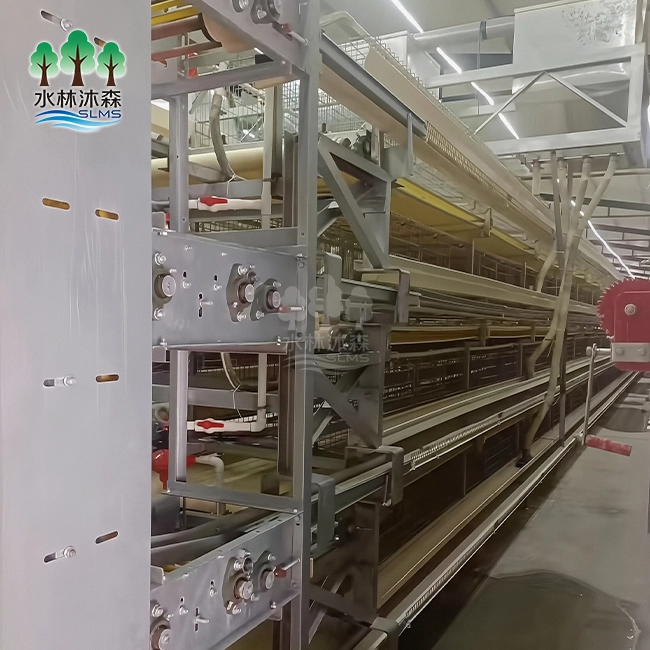
A Breeding Chicken Transport Cage Frame is an important piece of modern poultry management equipment, especially when moving birds between parts of your farm or getting them ready to sell. Unlike makeshift containers, these systems were designed to solve specific problems that small farms face, such as not having enough people to load, not having enough room in transport trucks, and having to follow hygiene rules.
Purpose and Core Functions
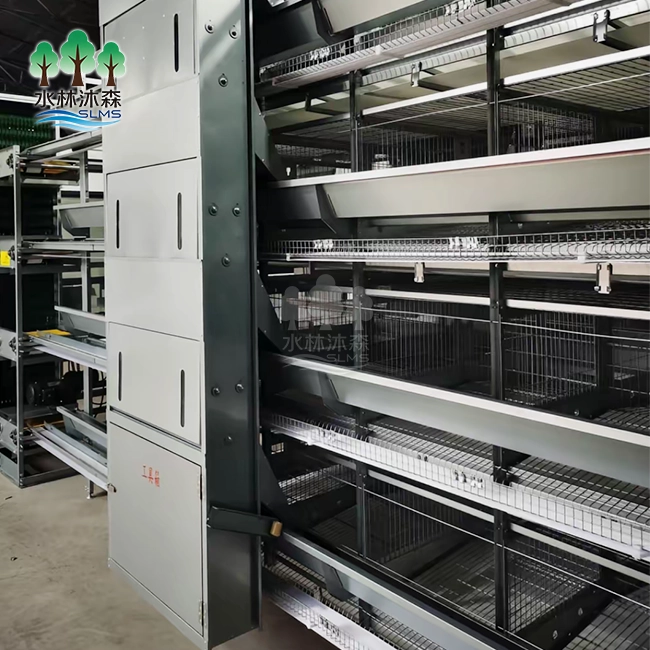
The main purpose is more than just holding things in. These frames make it safe for birds to move around during cleaning cycles, sort birds into groups based on age or health, and allow for a lot of movement in chicken coops and duck sheds. Their space-multiplying design is especially helpful for small farms. The multi-layered structure lets you move more birds per trip without making the vehicle's footprint bigger, which directly cuts down on fuel costs and work hours.
Material Considerations for Durability
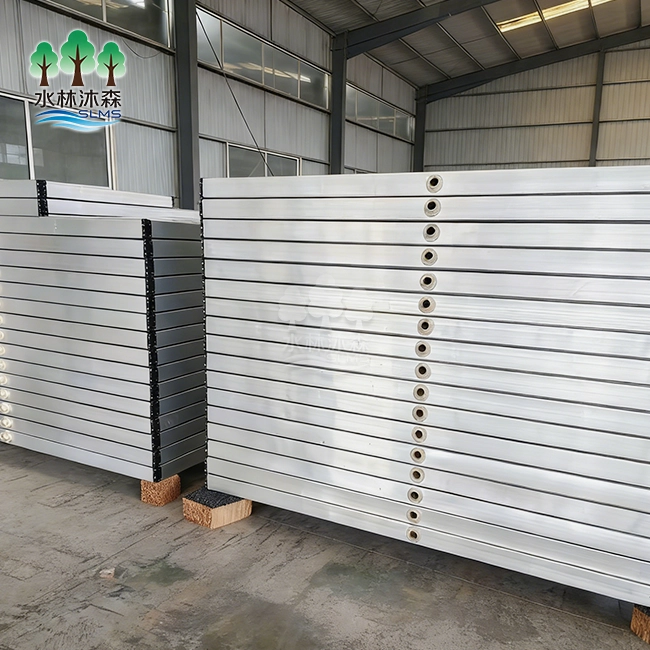
Hot-dip galvanizing steel is still the best material for building frames because it is very resistant to the toxic ammonia found in chicken waste. This zinc layer, which is usually put on at a thickness of 275g/m², stops rust from forming even when it is exposed to cleaning products and water all the time. If you take good care of it, the galvanizing finish can last 8–10 years of daily use, which is very important for small farms that are trying to save money on tools. The paired plastic cage parts are made of modified high-density polyethylene that contains UV protectors. This makes sure that the units can withstand temperature changes from -20°C to +50°C without breaking or bending.
Ventilation and Animal Welfare
"Dead on Arrival" rates are directly affected by how well airflow is designed. Good shipping frames have airflow lattices that leave 40 to 60 percent of the surface area open. This spreads air evenly and keeps birds from getting too hot when they are packed in close together. According to research, well-designed frames lower DOA rates by 15 to 20 percent compared to standard stacking methods. This is because they get rid of hot spots in the middle zones of the transport car.


How to Choose the Best Breeding Chicken Transport Cage Frame for Your Small Farm
To choose the right tools, you need to make sure that the technical specs match your unique needs. Small farms need to weigh the starting cost of new equipment against the money they will save in the long run, while also making sure the new equipment really does speed up daily tasks.
Assess Your Transport Volume and Frequency
Figure out your normal batch sizes and how often you move them. When moving 500 birds a week, a farm has different needs than when moving 2,000 birds a month. Frames that are about 2440 cm long, 1340 cm wide, and 116 cm high can hold 12 to 16 broilers per tier when loaded according to density rules. This means that they can be used for small to medium-sized batches. The multi-tiered design lets you stack 8–10 units vertically, which greatly increases the number of trips that can be made without needing bigger cars.
Material Robustness vs. Weight Trade-offs
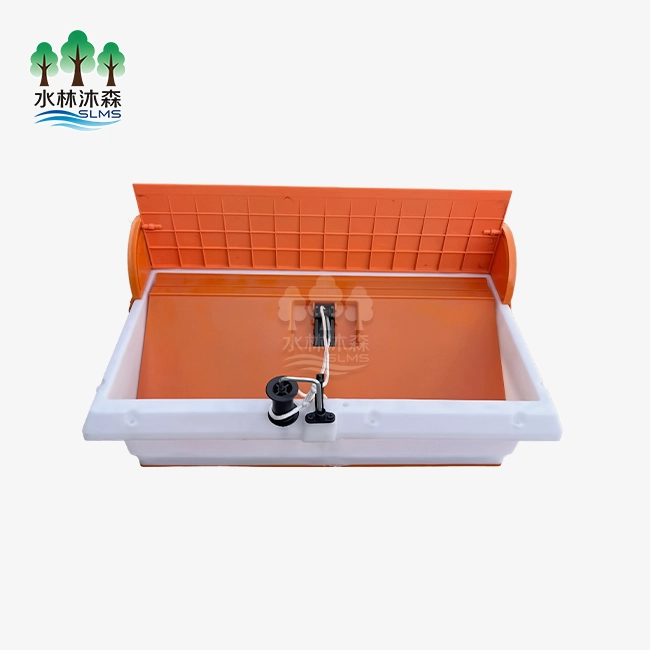
Even though galvanized steel frames are more durable, they are heavy and need to be moved by a machine to place the top tiers. Combining steel structure frames with lighter plastic cage modules makes for the best of both worlds. You get long-lasting corrosion protection where it matters most while still being able to handle by hand. The pull-out drawer system makes loading and unloading even easier on your body, which is a common worry in small farm businesses that want to save time and money on work.
Maintenance Accessibility
If the equipment is hard to clean, it can be dangerous for hygiene. Smooth-surfaced parts with nanometer-level finishes keep feces from sticking to them, which cuts the time and water needed for cleaning by about 30%. Breeding Chicken Transport Cage Frame follows the same principle: when you use bolt links instead of permanent welds in modular assembly, you can repair broken parts one at a time. For example, if a drawer is broken, you don't have to throw away the whole unit, which saves you money.
Customization Capabilities
Standard setups might not work perfectly with the size of your barn or the needs of your breed. Manufacturers that offer customization services can help you find the best cage sizes for your chicken breed, change the distance between tiers to accommodate different stages of growth, or change the size of the doors to make sorting easier by hand. This adaptability is especially useful if your farm has different kinds of chickens that need different kinds of space.
Types and Designs of Breeding Chicken Transport Cage Frames Suitable for Small Farms
There are different design options on the market, and each one fits a different set of operational objectives and price limits. Knowing about these differences will help you figure out which setup works best for the way your farm works.
Stackable Metal Frame Systems
These strong designs put load-bearing power and long-term durability first. The galvanized steel design can be stacked 8–10 times without deforming, which is important for getting the most out of moving vehicles. Quality units can withstand 1.5 times their rated capacity, or about 1,000 kg for full stacks, for long periods of time with less than 1% structure deformation, as shown by static load tests. This over-engineering gives you peace of mind when you're transporting something on rough country roads where vibration and impact loads build up.
Modular Pull-Out Drawer Designs
Our transport cage systems have a pull-out feature that changes how quickly and easily they can be loaded. Instead of reaching into deep cage innards, workers slide whole sections forward. This makes handling birds less stressful and lowers the risk of damaging their wings. This design is especially helpful for small farms that don't have automatic tools for catching birds, because it makes loading birds by hand much faster and safer for both workers and birds. The drawer system also makes it easier to look without having to unload everything. For example, during transport stops, you can check the birds' state or see if they can get to water.
Ventilation Optimization Features
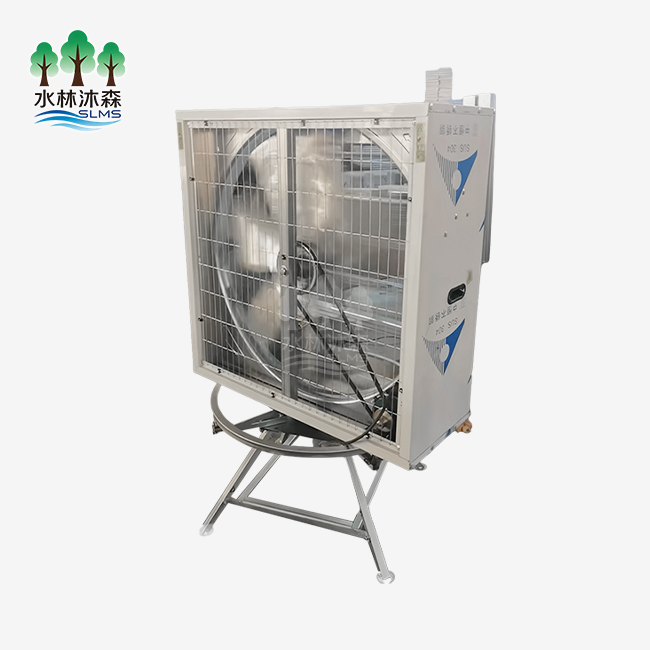
Advanced designs use wind science in addition to simple holes. Ventilation plates placed in strategic places create vertical air pathways that keep people from suffocating in the middle of the stack, which is the most vulnerable area during summer transport. Some setups have vent screens that can be moved, which lets you change the flow of air based on the temperature and length of transport. These features have a direct effect on the quality of the birds when they arrive, keeping the reproduction value of breeding stock high and preventing stress-related weight loss.
Size and Capacity Matching
To choose the right sizes, you need to know what your group is usually made of. Each broiler weighs about 2.5 kg, so they need to be spaced out differently than smaller pullets. Standard units that can hold 50–75 kg of live weight per tier keep things from getting too crowded and wasteful when it comes to room use. Overloading makes ventilation less effective and raises the risk of harm, while underloading loses space for travel. Our engineering team can figure out the best configurations for your breeds based on their usual transport lengths and profiles. This makes sure that you meet regulatory standards for animal density.
Best Practices for Using and Maintaining Breeding Chicken Transport Cage Frames
Following the right operating procedures will increase the life of tools while protecting animal welfare and upholding biosecurity standards. Small farms often don't have specific repair staff, so they need simple care instructions.
Effective Loading Techniques
To keep birds from getting too hot, load them up in the morning, when it is cooler. Fill the lower levels first and work your way up in a planned way. This keeps the center of gravity stable while the container is being moved. To stop the spread of disease, don't put poultry of different ages or health levels in the same Breeding Chicken Transport Cage Frame. The pull-out feature lets you load cages ahead of time in the barn and then quickly move whole units to cars, cutting down on the time birds have to spend changing places.
Cleaning and Sanitization Protocols
Use high-pressure water to get rid of organic matter after each use. The galvanized and HDPE surfaces can handle being cleaned with steam and sanitized in a wash tunnel at temperatures up to 90°C. This is important for getting rid of Salmonella and Avian Influenza between shipping rounds. If you want to keep bacteria from sticking around, don't use rough brushes. They can scratch protected coats. Deep cleaning every three months with non-corrosive disinfectants keeps the surface in good shape and meets disease control standards. Testing for bacterial count confirms that the sanitizer is working.
Storage and Environmental Protection
When not in use, keep frames in a covered area to keep plastic parts from breaking down in the sun and to keep them from getting too wet. To keep the bottom level from deforming, stack empty units no more than 12 high. Checking the coating layer below 80 microns with electromagnetic gauges on a regular basis to make sure the galvanization is still strong finds rust risks before they cause damage to the structure. Touch-up zinc spray should be used right away on any steel that is visible to stop rust from spreading.
Component Replacement Scheduling
The modular form makes planning for upkeep easier. HDPE cage modules usually need to be replaced every three to five years of everyday use, while steel frames last eight to ten years if they are kept in good shape. Keep important extra parts like new drawers, locking clips, and structural bolts on hand to keep downtime to a minimum when parts break. This method of replacing only parts is much cheaper than replacing the whole unit, which is especially important for small farms that are trying to keep their running expenses low.
Procurement Insights for Small Farms: Where and How to Buy Breeding Chicken Transport Cage Frames
To choose a supplier and set up a buy, you need to know about both the product details and the factors in the business relationship that affect long-term satisfaction.
Identifying Reliable Manufacturers
Work with sellers who can prove they know a lot about building poultry tools. Small farms should look for manufacturers like Weifang Shuilin Musen Aquaculture Equipment Co., Ltd., which has been focusing in farming and livestock equipment for eight years and has a specialized R&D team of five engineers. Because they have so much experience, their goods are improved by feedback from real customers instead of theoretical planning. Look for quality control systems that cover everything from choosing the raw materials to testing the end product to make sure that each one meets performance standards.
Evaluating Technical Support Capabilities
How hard it is to install something depends on how complicated the plan is. Manufacturers that offer installation guides and online technical support make you less reliant on costly service calls to your home. We offer more than just original setup technical support. Throughout the lifecycle of an item, we help with operating troubleshooting and maintenance optimization. This long-term connection is especially helpful when changing the layout of cages to meet changing farm needs or connecting frames to other automation systems.
Understanding Warranty and Service Terms
Under normal use, a basic 1-year free warranty should cover flaws in the way the product was made and material fails. Make it clear what "normal use" means and whether warranty service includes parts and work or only new parts. Given how important the Breeding Chicken Transport Cage Frame is to your business, extended warranty choices may save you money. Responding to buyers' questions about how things work is part of our service promise. When buyers ask questions, they get quick replies, not automated answers that take too long to fix the problem.
Bulk Ordering vs. Custom Configuration
Small farms have to decide whether to buy stock units at bulk prices or spend money on options that are made to fit their needs. Standard configurations have lower unit costs and are available right away, which is good if your working factors match standard specs. Custom orders can be made to fit specific barn sizes, breed needs, or equipment that is already in place, but they usually take longer to make and cost more at first. There is a mixed method that many farms use. They buy standard units for general use and make custom frames for high-value breeding stock.
Negotiating Favorable Terms
Along with unit prices, you should also talk about shipping times that work with your business's schedule. For example, getting equipment during busy production times is not necessary and will cause problems. Make sure you know if the price includes delivery to your place or just pick-up at the plant gate. Tiered pricing may be unlocked by making volume commitments, but make sure that your real needs support buying in bulk so that you don't waste money on extra inventory. Payment terms are important for managing cash flow. Manufacturers that offer staged payments based on shipping and installation stages make it easier on the budget.
Conclusion
Finding the best Breeding Chicken Transport Cage Frame can turn a problem that could slow down operations into a competitive edge for small farms. The investment goes beyond just putting chickens in a pen; it's a long-term commitment to animal care, work efficiency, and the long-term viability of the business. Quality frames made of hot-dip galvanizing steel and well-thought-out ventilation designs directly lower the number of deaths during transport while increasing the number of vehicles that can carry them.
Because there aren't many people working on farms, the pull-out drawer system and flexible construction make daily tasks easier and safer. When buying these systems, make sure that the company you buy them from offers good technical support, guarantees that are based on reality, and the ability to make changes that fit your farm's changing needs instead of causing you to stick to strict standards.
FAQ
What lifespan can small farms expect from quality transport cage frames?
When properly maintained, hot-dip galvanizing metal frames will usually last 8–10 years, while HDPE plastic cage modules will only last 3–5 years before they need to be replaced. The actual length of time it lasts depends a lot on how it's cleaned—using non-corrosive soaps and avoiding mechanical hits when touching it. The flexible design lets you replace worn-out plastic parts without having to throw away the whole steel frame structure. This makes the system last much longer and saves money.
What effect do measurements have on how well operations run?
The normal 2440cm × 1340cm × 116cm size is a good compromise between capacity and ease of carrying. These measurements make it easy to load by hand while also making the best use of the room in the transport car. Customized sizes can fit specific barn door widths or car interior sizes, so you don't have to move around awkwardly while loading. Choosing the right dimensions keeps you from wasting space or buying units that don't work well or that meet the requirements but are hard to use every day.
Can these frames integrate with automated systems?
High-quality transport frames have very close tolerances on their sizes, which lets them work with automatic picking modules and robotic loading arms that are used in bigger jobs. Even small farms that are thinking about automating in the future will benefit from picking equipment with standard mounting points and structure measurements that stay the same. During the specification process, our engineering team looks at your long-term plans for operations and suggests setups that work with both the human processes you're using now and any automation investments you might make in the future.
Partner with Shuilin Musen Aquaculture Equipment Co., Ltd. for Your Transport Solutions
Small-scale chicken farmers should have equipment that is designed to work with their unique needs, not market systems that are too big or weak solutions that were made on the spot. Every Breeding Chicken Transport Cage Frame that Shuilin Musen Aquaculture Equipment Co., Ltd. makes is backed by eight years of experience making farm equipment. Our professional R&D team comes up with solutions that solve real farm problems, like pull-out methods that save time and effort, multi-tier setups that make the best use of space, and materials that have been tested and shown to last for years of hard use.
We back up every unit with full fitting help, quick technical support, and a 1-year guarantee that covers problems caused by manufacturing. Whether you need stock configurations that can be used right away or frames that are totally customized to fit your specific needs, our team can help you make sure that your investment leads to measurable business gains. Email our procurement experts at wangshuaislms@gmail.com to talk about your unique transportation problems and get a full price. Find out why farms in many areas depend on our Breeding Chicken Transport Cage Frame source knowledge to handle their most important chickens.
References
1. The American Society of Biological and Agricultural Engineers. (2019). Standards for designing poultry transport equipment, including details on the materials used and how to test them for load. Technical Paper Series of the ASABE, 45(3), 187–203.
2. This year, Chen, M., and Rodriguez, P. How changes in ventilation affect thermal stress and death rates in multi-tiered poultry transport systems. 29(2), 245-259 in the Journal of Applied Poultry Research.
3. Morrison and J. L. (2020). The performance of galvanization in agricultural equipment is tested for corrosion resistance in ammonia-filled environments. Vol. 18(4), pp. 112-128, Materials Science in Agriculture.
4. Animal Welfare Commission. (2022). Minimizing the number of birds that die before they even get to their new home: transport cage design guidelines. 12, 34–51 of the International Poultry Standards Bulletin.
5. Rhodes, R., & Liu, Y. (2018). A look at the costs and benefits of using modular vs. integrated poultry handling equipment for small businesses. Quarterly of Agricultural Equipment Management, 27(1), 78–94.
6. Williams, K. D. (2023). How well reusable poultry transport systems clean and get rid of pathogens are covered by biosecurity protocols. 39(2), 156–171 in Veterinary Biosecurity Review.
Learn about our latest products and discounts through SMS or email