How often should evaporative cooling pads be replaced in a broiler house?
When you replace Poultry House Evaporative Cooling Pad systems has a direct effect on the health of your flock and the costs of running your business. According to data from the industry, good cooling pads should be replaced every three to five years in ideal circumstances. This timeline can change a lot, though, depending on the quality of the water, the amount of work being done, and how often the equipment is maintained. Facilities that use hard water or run nonstop summer cycles may need to change pads every two years. On the other hand, facilities that treat their water well and only use pads during certain times of the year can make them last longer than five years. Knowing how to find the right new window keeps systems from breaking down when they're needed most during hot times.
Understanding Evaporative Cooling Pads in Broiler Operations
Taking care of temperature stress is still one of the hardest parts of raising broilers today. When the temperature outside goes above 85°F, birds start eating less and their growth rates drop sharply. This problem is fixed by adiabatic cooling in the evaporative cooling system. This works by moving hot air from the outside through water-filled media, which quickly evaporates water and lowers the temperature by 10 to 15°F before it enters the house structure.
The Physics Behind Pad Cooling
The perforated cellulose structure lets air and water touch the surface as much as possible. When input fans pull air from the outside through wet pads, thermal energy turns water into vapor instead of burning the air itself. When the weather is dry, this natural cooling effect works best, but it can help a lot even in wet places. Continuous airflow gets rid of heat, wetness, and airborne pollutants, making the environment steady enough for birds to stay in their thermoneutral zone. When kept at the right temperature, broilers convert food more effectively and hit their goal weights faster. They also die at much lower rates than when they are kept in heat-stressed flocks.
Structural Design Elements
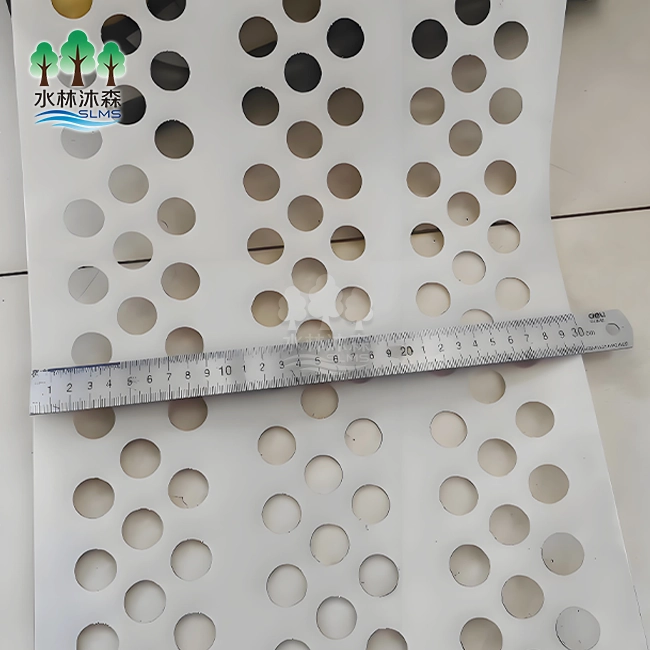
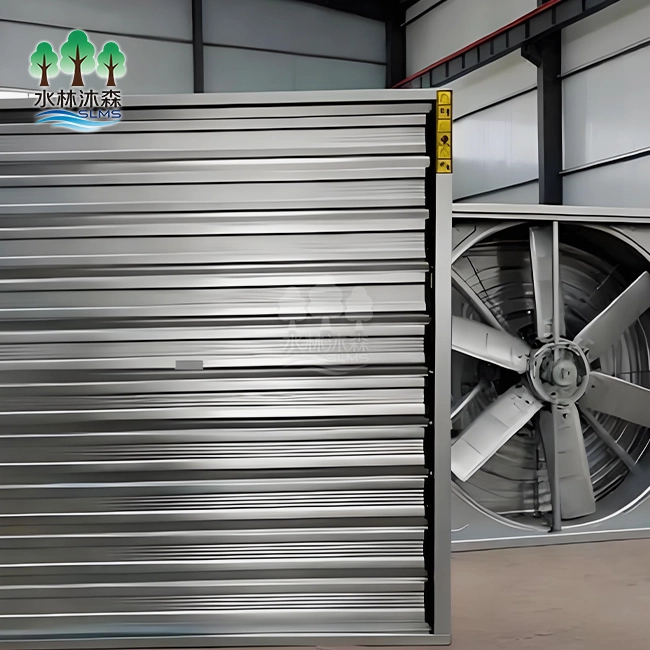
Cross-fluted corrugation designs, usually at 45°/15° angles, are found in good cooling media. They direct wind while distributing water as evenly as possible. The cellulose sheets are treated with glue so that their structure stays the same when they get wet. This special building doesn't fall apart even when it gets wet over and over again, and it keeps the static pressure low so that air fans don't have to work too hard. Different climate zones and home plans can be accommodated by Model 7090 setups that come in 15cm or 20cm thickness choices. While thicker pads can cool better, they need bigger fan systems to keep the air moving at the right speed.


Key Indicators for Replacing Evaporative Cooling Pads
By spotting the signs of decline, you can keep your production from going down because of bad temperature control. A physical check shows a number of important signs that replacement is about to be needed.
Visible Structural Damage
If the pad has tears, delamination, or flutes that have fallen, it can't work properly anymore. Water flows through broken areas instead of spreading out evenly over the whole surface, which makes your building hot in some places. Mineral layers often show up on pad surfaces as a white, hard buildup, especially near where water is distributed. Light scaling can be removed with descaling treatments, but heavy material buildup gets into the cellulose structure and makes it forever less able to absorb water. Green or brown spots on the pad that look like algae growth mean that the bacterial treatment has worn off.
Performance Deterioration
Temperature differences give us a way to measure how well something is working. Check the temperature of the air coming in and compare it to the temperature 10 feet inside the building. If the device (such as a Poultry House Evaporative Cooling Pad) is working right, it should show a drop of 8 to 12°F in mild humidity. If this difference falls below 5°F even though there is enough water flow, the pad is no longer able to cool as well. Increasing the fan delay to reach the desired temperatures is a sign that airflow is being slowed down through clogged or packed media. When pad performance goes down, energy use often goes up because air systems have to work harder to make up for it.
Unexpected Environmental Changes
Changes in the broiler house's humidity level suggest that water is not distributing evenly across the worn-out pads. Birds typically gather away from places that don't get enough cooling, which can lead to stocking density problems. When feed conversion rates drop during hot times, even though the equipment is still working, it's usually because the cooling pads aren't working very well, keeping the birds in less-than-ideal temperature zones.
Factors Affecting Replacement Frequency
Several practical and external factors affect how long a cooling pad lasts. By understanding these factors, you can more accurately plan for replacements and make budget predictions.
Water Quality Impact
The mineral makeup of your water source is the single most important factor that affects how long your pads last. Minerals build up faster in water with more than 200 ppm total dissolved solids, which jams up the cellulose structure. Calcium and magnesium chemicals make hardscale deposits that are hard to clean off with standard methods. Facilities that get their water from wells in limestone areas or from city sources that are high in minerals should expect shorter refill cycles. Adding water softening devices or bleed-off methods that drain concentrated mineral water all the time can make pads last a lot longer. Testing your water source gives you a starting point for making repair plans that are right for you.
Climate and Operational Intensity
Location determines the length of time used each year. Southern operations that use cooling systems for five to six months a year put a lot more wear and tear on pads than northern operations that only use cooling systems for two to three months a year. Continuous 24/7 running during the hottest part of summer is very different from controlled spinning that lets the equipment dry out every so often. When birds are crowded together, they produce more heat, which means that the pads need more active ventilation that speeds up the flow of air. Over time, this mechanical stress makes the curved structure less strong because it squeezes it down.
Material Quality Differences
Premium cooling media made from new kraft paper that has been treated with phenolic resins lasts a lot longer than cheaper options. The weight of the paper, which is usually around 100gsm for good items, gives the structure the power it needs when it's wet. How well the material stays stiff after many wet-dry cycles is based on the depth of the resin impregnation. Protective coats on the air-inlet side of products keep the surface from wearing away when they are cleaned mechanically or exposed to the environment. Our Model 7090 pads are made of materials that won't rust and have a high absorption capacity. They were designed to work in harsh farming settings. The low airflow resistance design lowers static pressure on fan systems, and the longer service life makes it more cost-effective than standard products.
Best Practices for Maintenance to Extend Cooling Pad Lifespan
Systematic care protocols make sure that your investment is well protected and that the temperature control works consistently throughout the working season.
Regular Inspection and Cleaning Schedules
Visual checks of the Poultry House Evaporative Cooling Pad should be done once a month during busy cooling seasons to find problems before they get too bad for the system to work. Check to see if the water is spreading evenly across the whole pad surface. Dry spots could mean that the water distribution lines are clogged or that the pump pressure isn't being evenly distributed. Check the pad areas for mineral buildup, algae growth, or damage to the structure.
Mineral layers can be removed without harming the cellulose fibers by cleaning them every three months with the right descaling products. Do not use high-pressure washing on the delicate curved structure of the Poultry House Evaporative Cooling Pad because it will damage it. Instead, use light acid solutions like cleaners that are based on citric acid through the water distribution system. Let the chemicals sit for 30 minutes before flushing with fresh water.
Proper Installation Fundamentals
Many early failure modes can be avoided by doing the process right the first time. Pads must fit tightly into frames, with no holes that let air escape and no tension that stops airflow. To make sure that everything is evenly wet without becoming too saturated, which would allow water to leak into the building, water distribution systems need to be the right size. Maintaining the suggested air velocity—usually between 250 and 400 feet per minute—balances the efficiency of cooling with the stress on the structure of the pad. To make sure the system is set up correctly, our expert team offers both training videos and on-site installation services. This professional setup method takes into account specific facility sizes and ventilation plans, and gives you the choice of aluminum alloy or stainless steel frame based on your budget and operating needs.
Seasonal Management Protocols
End-of-season treatments have a big effect on how the pads are when the next season starts. For facilities that only operate during certain times of the year, drain all water from the systems and let the pads dry completely before storing them for the winter. This keeps freeze damage from happening and stops microbes from growing when the plant is not active. In dusty places, cover or take off pads to keep particles from building up and blocking flutes. Full system testing should be done two weeks before housing birds in the spring, so that problems can be fixed if they come up during the first few weeks of operation.
Procurement Considerations When Replacing Evaporative Cooling Pads
When making strategic purchases, you have to weigh the short-term costs against the long-term benefits of operating efficiency and system stability. When purchasing managers look at alternative choices like the Poultry House Evaporative Cooling Pad, they should look at more than just the price.
Material Specifications and Performance Metrics
The cooling ability is directly related to the width of the pad. The 15cm choice works best in mild climates and smaller facilities. The 20cm options, on the other hand, offer the most temperature drop in very hot places or operations with a lot of people. The shape of the flute affects both how well it cools and how much air it drops. The number 7090 means that the flutes are 7 mm high and have corrugation patterns that are 90 degrees apart. This gives the membrane a great mix between keeping water in and blocking airflow. By looking at material certifications, you can be sure that the goods you buy meet farming standards for non-toxic materials and antimicrobial treatment.
Cost Analysis and Warranty Considerations
Although quality pads cost more at first, they end up saving you a lot of money in the long run because they last longer and use less energy. Instead of just looking at the buying price, figure out how much it would cost to repair something every year. When it comes to large-scale projects, warranty coverage is a great way to reduce risk. Our normal one-year free warranty shows that we trust the product to last and protects your investment during the first important working season. This coverage period gives you enough time to fully test the performance in your unique situations before the warranty expires.
Supplier Reliability and Support Infrastructure
Working with well-known makers gives you access to technical know-how that makes system performance better. We offer full technical support, including help with installation, troubleshooting, and training for your building staff in upkeep. Customization lets you meet the specific needs of your building, such as non-standard measurements or specific frame materials. When planning large-scale replacements, operations should talk about bulk buying plans that lower costs per unit while keeping supplies steady. Our production site in Qingzhou City keeps enough supplies on hand to quickly fill orders and keep downtime to a minimum during replacement projects.
Conclusion
When to replace parts in evaporative cooling systems, you can't just look at the calendar. You have to pay attention to a number of performance factors as well. For the Poultry House Evaporative Cooling Pad, the 3–5 year range is a good starting point for planning, but the real service life will depend on your water quality, operational activity, and repair habits. Monitoring that is done proactively finds damage early, so repairs can be planned for times when demand is low instead of having to be done quickly when temperatures are high. Spending money on good materials and installing them correctly sets the stage for a pad that lasts longer and keeps the temperature stable. Because the performance of the cooling system has a big effect on feed conversion, growth rates, and flock loss, it is an important piece of production equipment that needs to be carefully looked at and maintained on a regular basis.
FAQ
How frequently should cooling pads undergo maintenance cleaning?
Set up routines for cleaning and inspecting every one to three months during busy times. If you work in a place with hard water or a lot of dust, you may need to do maintenance once a month. If you use treated water and keep things under control, you can do it every three months instead. Visual inspection tells you how often to clean—mineral buildup or less effective cooling means you need to clean right away, no matter what time of year it is.
Can damaged cooling pads be repaired or must they be fully replaced?
In non-critical parts, minor edge damage that covers less than 5% of the total pad area might be okay, but it's not possible to fix everything. The curved cellulose structure can't be fixed well, and parts that are damaged keep breaking down. Biosecurity issues also make it better to replace something completely than to try to fix it in a way that could let germs in. Full replacement makes sure that everything works the same way and gets rid of any factors that could happen during key production times.
How do evaporative pads compare against misting systems for broiler cooling?
When compared to spray systems, cooling pads lower temperatures more consistently and control humidity better. Misters can make wet spots and uneven cooling zones, but the pad system spreads air evenly throughout the building. Pad systems usually use less energy, and they're easier to maintain because the nozzles don't get clogged up as often. Pads work better with tube ventilation systems that are common in current broiler farms.
Partner with Shuilin Musen Aquaculture Equipment Co., Ltd. for Reliable Cooling Solutions
Choosing the right Poultry House Evaporative Cooling Pad provider is important for keeping your flock in the best conditions for a long time. Shuilin Musen Aquaculture Equipment Co., Ltd. has eight years of experience making specialized farming equipment. They also have a five-person tech team that comes up with new ways to run large poultry farms. Our Model 7090 cooling pads are built to fight rust, soak up a lot of water, and last a long time, which lowers the total cost of ownership.
We help your business from the first consultation through installation and continued expert support, making sure that the system is set up correctly for the needs of your facility. Get in touch with our team at wangshuaislms@gmail.com to talk about your cooling pad needs and look into customization options, such as using non-standard sizes and binding materials. As a dedicated Poultry House Evaporative Cooling Pad maker, we offer high-quality goods with full service support that includes installation videos, on-site setup help, and a guarantee that protects your investment for one year.
References
1. Gates, R.S., et al. (2019). "Evaporative Cooling Systems for Poultry Housing: Design Principles and Performance Evaluation." Agricultural Engineering International: CIGR Journal, 21(3), 156-168.
2. Liang, Y., Tabler, G.T., and Dridi, S. (2020). "Heat Stress and Production Parameters in Modern Broiler Lines." Poultry Science Review, 99(4), 2171-2178.
3. Midwest Plan Service. (2018). Mechanical Ventilating Systems for Livestock Housing. MWPS-32. Iowa State University Press, Ames, IA.
4. National Chicken Council. (2021). "Environmental Management Guidelines for Commercial Broiler Production." Industry Standards Publication, Washington, D.C.
5. Purswell, J.L., and Linhoss, J.E. (2017). "Evaluation of Evaporative Cooling Pad Materials for Poultry Applications." Transactions of the ASABE, 60(5), 1669-1677.
6. Xiong, Y., Green, A., and Gates, R.S. (2016). "Water Quality Effects on Evaporative Cooling Pad Performance and Longevity in Livestock Facilities." Applied Engineering in Agriculture, 32(6), 869-878.
Learn about our latest products and discounts through SMS or email